-
 GESKE Electric Pumice Foot Smoothing Roller 7 in 1 Starlight
×
$49.951 × $49.95
GESKE Electric Pumice Foot Smoothing Roller 7 in 1 Starlight
×
$49.951 × $49.95


High porosity hair is, in many ways, the most misunderstood hair type. It absorbs water beautifully — so people assume it must be well-hydrated. What they don’t realize is that the same structural openness that lets moisture in also lets it escape within hours. The cuticle cannot hold what it cannot close around.
High porosity is often the result of chemical processing — color, bleach, relaxers, or perms — that permanently alters the cuticle structure. It can also develop from years of heat damage, aggressive detangling, or extended environmental exposure. In some cases, particularly for naturally coily and textured hair, it is simply a genetic characteristic. Whatever the origin, the approach is the same: repair, seal, and protect.
This article provides a complete high porosity hair care routine structured around these three principles, along with product guidance and maintenance strategies for daily management.
Why Porosity Determines Your Hair Care Approach
The key to understanding high porosity hair is the architecture of the cuticle. In healthy, low-to-medium porosity hair, the cuticle scales lie flat and close tightly after moisture is introduced. In high porosity hair, those scales are raised, chipped, or absent in places — meaning moisture enters through the gaps and exits through those same gaps. Without intervention, the cycle is: wet, frizzy, temporarily soft, then dry again within hours. A high porosity hair care routine is essential in this case.

What changes this cycle is not simply adding more conditioner. It is using the right types of ingredients — proteins to fill the structural gaps, emollients to coat and protect, and heavy sealants to reduce the rate of moisture evaporation — in the right sequence. For a complete primer on porosity science and how to test your own type, the full guide to hair porosity covers everything from the float test to the principles behind each hair type’s care needs.
Step 1: Choose a Gentle, Moisturizing Shampoo
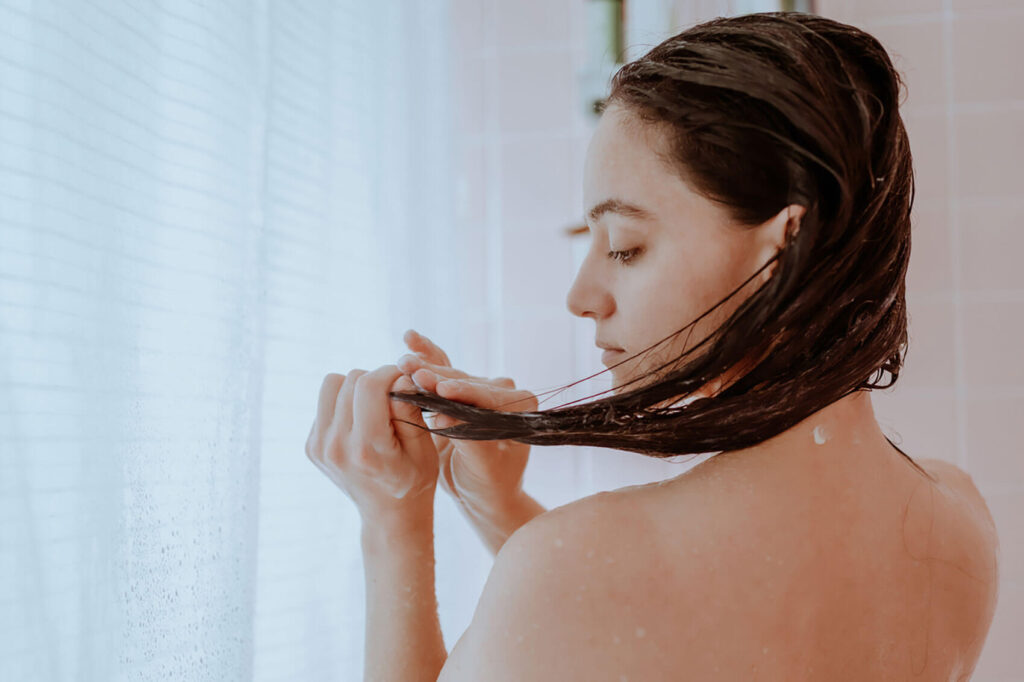
High porosity hair does not tolerate stripping shampoos well. Sulfate-heavy formulas that aggressively remove oils also disrupt the already-compromised cuticle, increasing frizz and moisture loss. The goal of the cleansing step for high porosity hair is to clean the scalp and strand while preserving as much of the natural lipid layer as possible.
Choose a sulfate-free, moisturizing shampoo. Ingredients like panthenol, behentrimonium chloride, and plant-based oils in the shampoo formula help condition the cuticle during the wash step rather than stripping it. If you co-wash (conditioner-only wash) in between shampoo days, ensure you are still using a real shampoo at least once weekly to prevent scalp build-up.
Step 2: Apply a Protein Treatment Before Deep Conditioning
This is the step that most high porosity routines are missing — and it is the most structurally important one. Protein treatments work by temporarily filling the gaps in the raised cuticle with hydrolyzed protein molecules, reducing the surface area through which moisture can escape. Think of it as patching holes in a container before filling it with water. For best results don’t skip this step in your high porosity hair care routine.

For chemically processed or significantly damaged high porosity hair, a bond repair treatment provides an even deeper level of structural intervention. Olaplex No. 3 Hair Perfector works at the level of the hair’s disulfide bonds — the internal bonds that chemical processes break during color or bleaching. Applied as a pre-wash treatment to dry or damp hair, it reconnects broken bonds within the cortex before the conditioning routine addresses the surface. This makes it uniquely effective for high porosity hair that is the direct result of chemical processing. Available at LaLaDaisy: https://www.laladaisy.com/products/olaplex-no-3-hair-perfector/?attribute_variant-size=3.3+oz
Use a protein treatment or bond repair product every two to three weeks. Be attentive to how your hair feels after use — protein-balanced hair should feel strong and supple, not stiff. If stiffness appears, reduce the frequency and follow immediately with a moisturizing deep conditioner.
Step 3: Deep Condition With a Rich, Emollient Formula
After protein, the hair is ready to receive moisture — and high porosity hair needs a more substantial conditioning formula than low or medium porosity types. You are not just adding moisture; you are depositing conditioning agents into the gaps in the cuticle so the strand feels and behaves like a more intact structure.
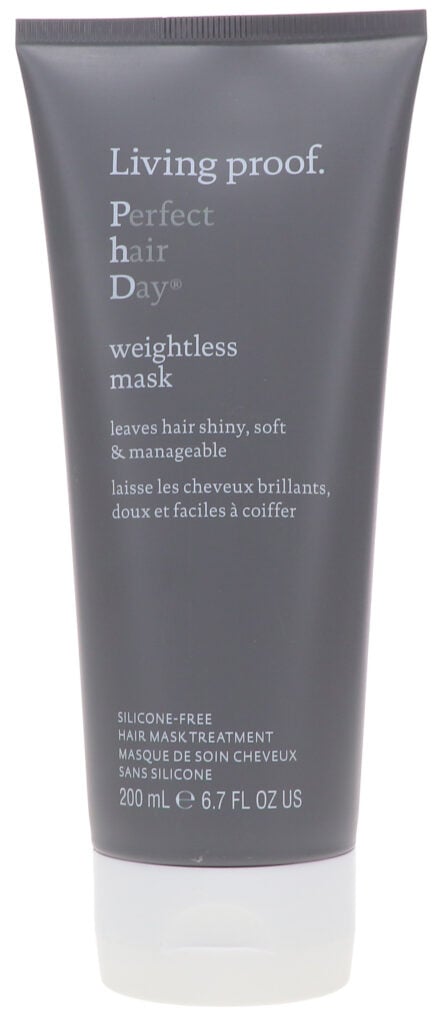
The Living Proof Perfect Hair Day Weightless Mask is a strong option for this step. Despite the “weightless” descriptor in its name — which might seem counterintuitive for high porosity hair that often benefits from richer formulas — its concentrated conditioning blend delivers genuine hydration without the heaviness that can drag curl definition down or make fine-textured high porosity hair feel limp. It excels as a post-protein deep conditioner, restoring softness and manageability after structural repair work. Available at LaLaDaisy: https://www.laladaisy.com/products/living-proof-perfect-hair-day-weightless-mask-6-7-oz/
Apply the deep conditioner generously to clean, damp hair. Leave on for a minimum of 20 to 30 minutes. Unlike low porosity hair, high porosity hair does not need heat to absorb conditioning agents — the open cuticle allows moisture in easily. A plastic cap to prevent the conditioner from drying out is helpful; additional heat is not required and may actually increase frizz by pushing the already-raised cuticle further open.
Step 4: Rinse With Cool Water

This step is simple but non-negotiable for high porosity hair. A cool water final rinse constricts the cuticle, closing it as much as its structure allows. It is not a complete fix — a structurally damaged cuticle cannot close fully regardless of water temperature — but it reduces the openness meaningfully and helps seal in the conditioning benefits you have just applied.
Finish every wash with at least a 30-second cool or cold water rinse. The brief discomfort is worth the improvement in moisture retention and frizz reduction.
The Right Products for Your High Porosity Hair Care Routine

After the wash, the application sequence matters as much as the products themselves. High porosity hair benefits from the LOC method: Liquid first, then Oil, then Cream — or the LCO variation (Liquid, Cream, Oil) depending on your hair’s thickness and curl pattern.
- Liquid: A water-based leave-in conditioner is the first layer. This deposits moisture directly onto the strand.
- Oil: A medium-to-heavy oil seals the cuticle surface and slows moisture evaporation. Jojoba, castor, and avocado oils are well-suited to high porosity hair.
- Cream: A richer styling cream or butter locks everything in and provides definition or smoothness depending on your styling goal.
For product selection within these categories, the guide on best ingredients for high porosity hair provides a detailed breakdown of which specific ingredients to prioritize — and which to avoid — across each step of the routine.
Daily Maintenance for High Porosity Hair

Because high porosity hair loses moisture so rapidly, the work does not stop at wash day. Maintaining hydration between washes is an ongoing process.
- Refresh with a water-based mist or a diluted leave-in every 1 to 2 days. High porosity hair dries out quickly and benefits from more frequent moisture contact than lower porosity types.
- Sleep on a satin or silk pillowcase and/or cover hair with a satin bonnet or scarf. Cotton absorbs moisture and creates friction — both of which are particularly damaging to already-compromised high porosity strands.
- Minimize heat styling. Every additional heat session on high porosity hair risks lifting the cuticle further. When heat is necessary, use a heat protectant and set the temperature to the lowest effective setting.
- Detangle gently, using conditioner or a slip-providing product. Dry detangling on high porosity hair causes significant breakage and cuticle damage.
Protein-Moisture Balance: The Critical Calibration
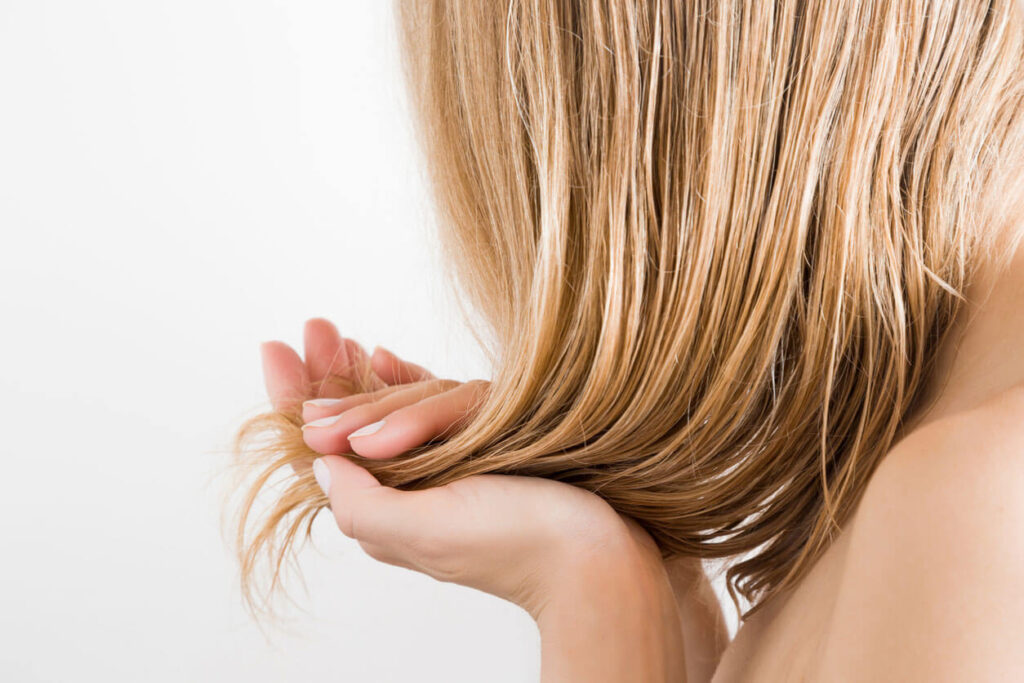
One of the most common mistakes in high porosity hair care is overcorrecting with protein. Because high porosity hair responds so visibly to protein treatments — feeling temporarily stronger, less frizzy, and more structured — it is easy to reach for protein treatments too frequently. Protein overload creates its own set of problems: stiffness, brittleness, and breakage.
The correct approach is balance. Protein and moisture should be cycled. A general framework for moderately high porosity hair is one protein treatment per month, with moisturizing deep conditioning between wash days. For severely damaged hair, slightly more frequent protein use may be appropriate, but it should always be followed immediately by moisture to maintain balance.
Frequently Asked Questions
How often should I use Olaplex No. 3 on high porosity hair?
Once every two to four weeks is a sustainable frequency for most people with high porosity hair from chemical damage. If your hair is severely damaged, you may use it weekly during an initial repair period, tapering to monthly maintenance once hair health improves. Always follow with a moisturizing deep conditioner to maintain protein-moisture balance.
Does high porosity hair need co-washing?
Co-washing can be beneficial for high porosity hair because it cleanses without the stripping effect of sulfate shampoos. However, it should not replace all shampoo sessions — at least one or two shampoo washes per month are necessary to maintain scalp health and prevent build-up from the richer products high porosity hair tends to use.
Why does my high porosity hair feel dry the same day I wash it?
This is the classic high porosity moisture retention problem. The open cuticle releases moisture almost as fast as it absorbs it. The solution is a complete sealing sequence after conditioning — leave-in, oil, and cream in that order — rather than just a leave-in alone. The layering system creates multiple barriers that significantly slow moisture evaporation.
Is high porosity hair always damaged hair?
Not always. Many people with naturally coily or textured hair have structurally high porosity as a baseline characteristic, independent of damage. However, chemical processing reliably increases porosity, so if you have color-treated, bleached, or chemically processed hair of any type, high porosity is the expected structural outcome.
AI-assisted, human-verified. At LaLaDaisy.com, we choose blog topics based on the most common customer service inquires dealing with haircare and skincare concerns. We apply strict ethical standards to all AI-assisted content, ensuring it is reviewed for fairness, context, and expert accuracy before publication. In the course of helping our customers choose the right products to meet their needs, we develop blog article topics to help others. Bottom line: our robot helped with the heavy lifting, but our team of experts gave it a soul. Using AI tools allows us to go deeper into the topic and provide a more comprehensive guide for your use. At LaLadaisy.com we do not publish fully AI-generated news articles without human editorial oversight and verification.