-
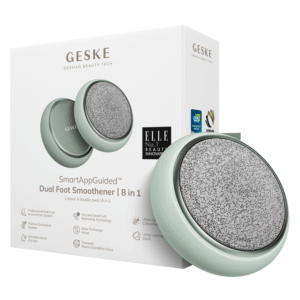 GESKE Dual Foot Smoothener 8 in 1 Green
×
$59.902 × $29.95
GESKE Dual Foot Smoothener 8 in 1 Green
×
$59.902 × $29.95 -
 Alfaparf Milano Semi Di Lino Curls Enhancing Low Shampoo 33.8 oz
×
$47.601 × $47.60
Alfaparf Milano Semi Di Lino Curls Enhancing Low Shampoo 33.8 oz
×
$47.601 × $47.60 -
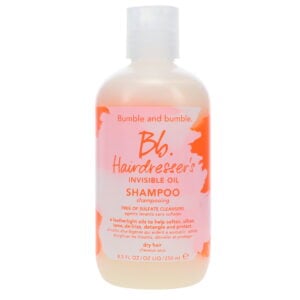 Bumble and bumble Hairdresser's Invisible Oil Shampoo 8.5 oz
×
$31.451 × $31.45
Bumble and bumble Hairdresser's Invisible Oil Shampoo 8.5 oz
×
$31.451 × $31.45 -
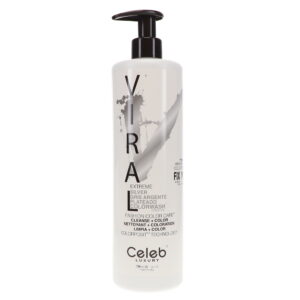 Celeb Luxury Viral Extreme Silver Backbar Colorwash 25 oz
×
$47.521 × $47.52
Celeb Luxury Viral Extreme Silver Backbar Colorwash 25 oz
×
$47.521 × $47.52 -
 La Prairie White Caviar Eye Extraordinaire 0.67 oz
×
$319.001 × $319.00
La Prairie White Caviar Eye Extraordinaire 0.67 oz
×
$319.001 × $319.00 -
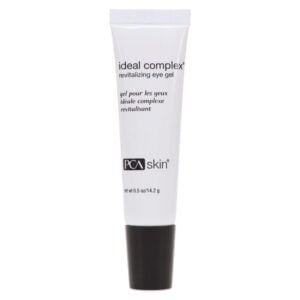 PCA Skin Ideal Complex Revitalizing Eye Gel 0.5 oz
×
$79.291 × $79.29
PCA Skin Ideal Complex Revitalizing Eye Gel 0.5 oz
×
$79.291 × $79.29 -
 Sol de Janeiro Bom Dia Body Scrub 7.7 oz
×
$71.402 × $35.70
Sol de Janeiro Bom Dia Body Scrub 7.7 oz
×
$71.402 × $35.70 -
 GESKE Electric Pumice Foot Smoothing Roller 7 in 1 Starlight
×
$49.951 × $49.95
GESKE Electric Pumice Foot Smoothing Roller 7 in 1 Starlight
×
$49.951 × $49.95 -
 IGK Thirsty Girl Coconut Milk Leave-In Conditioner 5 oz 2 Pack
×
$87.902 × $43.95
IGK Thirsty Girl Coconut Milk Leave-In Conditioner 5 oz 2 Pack
×
$87.902 × $43.95 -
 Sol de Janeiro Brazilian Joia Strengthening + Smoothing Shampoo 10 oz & Conditioner 10 oz Combo Pack
×
$44.201 × $44.20
Sol de Janeiro Brazilian Joia Strengthening + Smoothing Shampoo 10 oz & Conditioner 10 oz Combo Pack
×
$44.201 × $44.20 -
 Peter Thomas Roth Water Drench Hyaluronic Cloud Hydra Gel Eye Patches 30 pairs
×
$34.761 × $34.76
Peter Thomas Roth Water Drench Hyaluronic Cloud Hydra Gel Eye Patches 30 pairs
×
$34.761 × $34.76



Let’s dive into the reasons why hair won’t hold moisture. Does this sound familiar? You wash your hair, condition it thoroughly, apply a leave-in, and for a few hours, everything feels soft and hydrated. Then, without warning, it goes dry again. The frizz returns. The stiffness comes back. By evening — or the next morning — your hair feels like it never had product in it at all.
If this is a familiar experience, you have probably already tried the obvious solutions: more conditioner, deeper treatments, more product overall. And it probably hasn’t worked, because the problem isn’t the amount of moisture you’re adding. The structure of your hair is why hair won’t hold moisture.
Chronic moisture loss in hair almost always has a specific, diagnosable cause. This guide walks through the most common reasons why hair won’t hold moisture, explains the underlying science, and provides a clear path to a routine that actually maintains hydration.
The Root Cause: Porosity
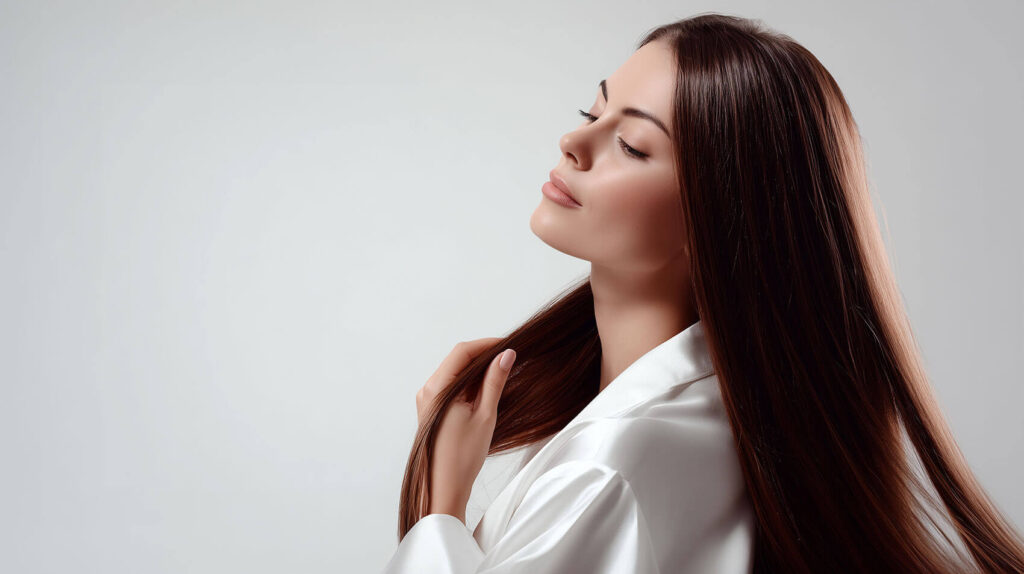
Let’s dive deeper into why hair won’t hold moisture. The single most important concept in understanding moisture retention is hair porosity — the measure of how open or closed the cuticle layer of each strand is. Porosity determines how easily moisture enters the hair and, critically, how easily it escapes.
Low porosity hair resists moisture absorption initially, but holds it well once it’s in. High porosity hair absorbs moisture readily but loses it just as fast. The structural cause of high porosity — a raised, damaged, or open cuticle — is also the reason why hair won’t hold moisture. There are no walls to hold the water in.
If you have never tested your hair porosity, doing so is the first step in any serious moisture retention strategy. The test takes less than five minutes and will immediately explain why your current routine may not be working.
Why Product Choice Alone Cannot Solve This
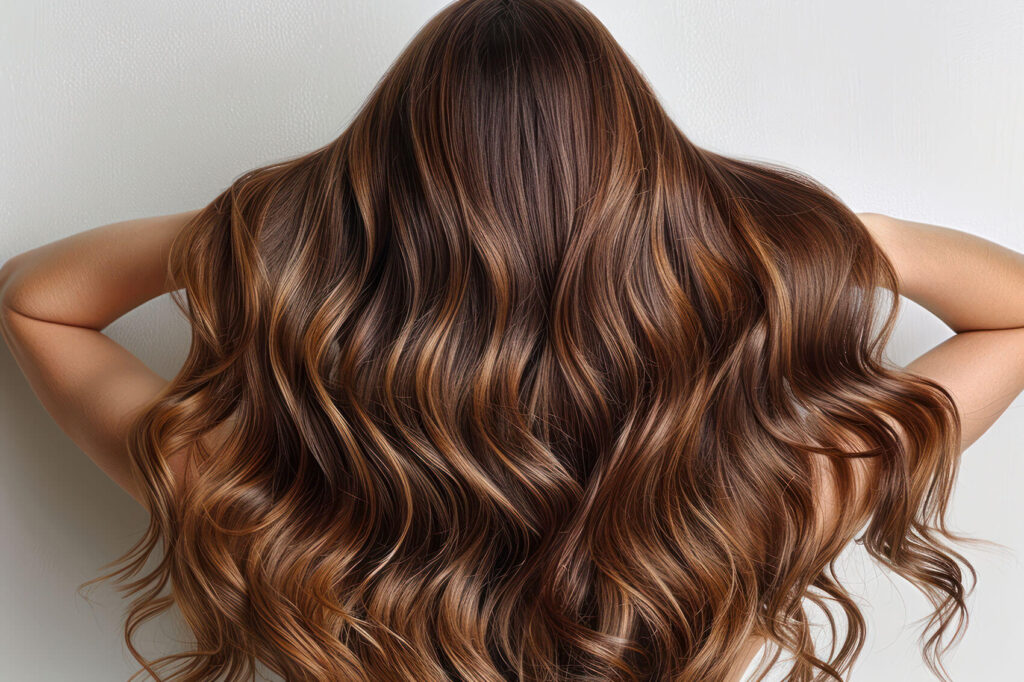
This is the most common misconception in hair care: that the right product will fix the problem. Products matter enormously — but only when the correct framework is in place. A deeply moisturizing mask applied to high porosity hair with no sealing step will hydrate the strand and then release that hydration into the air within a few hours. The product did its job. The routine did not support it.
Similarly, a clarifying shampoo used on low porosity hair without heat-assisted deep conditioning will strip the minimal protective layer without providing any pathway for moisture to replace it. The issue in both cases is not the product — it is the sequence, the technique, and the match between the product’s properties and the hair’s structural needs.
The Most Common Causes of Poor Moisture Retention
1. Untreated High Porosity From Chemical or Heat Damage
This is the most common reason why hair won’t hold moisture. Bleaching, color processing, relaxers, and excessive heat damage all lift or compromise the cuticle, creating a structurally open hair shaft that releases moisture rapidly. Until the porosity is addressed through bond repair and protein treatments, no amount of moisture application will maintain hydration for more than a few hours.

The fix here is a structured two-part approach: first, internal repair (bond-building treatments that reconnect broken disulfide bonds), and second, surface sealing (heavy conditioning agents and oils applied in the correct sequence). Olaplex No. 3 Hair Perfector addresses the internal repair component by reconnecting broken bonds within the cortex before any conditioning takes place — making it a foundational step for high porosity hair that has been chemically processed. Available at LaLaDaisy: https://www.laladaisy.com/products/olaplex-no-3-hair-perfector/?attribute_variant-size=3.3+oz
2. Skipping the Sealing Step
Even with a thorough conditioning routine, if the final step does not include a film-forming ingredient that slows moisture evaporation, the hair will dry out within hours. Water-based moisture needs to be locked in with oil or a richer cream that creates a surface barrier.
For high porosity hair, this means using a heavier oil or butter as the final step in a layered moisture routine. For low-porosity hair, it means applying a lighter, penetrating oil after a water-based leave-in. The sealing step is not optional — it is the mechanism that converts short-term hydration into sustained moisture retention.
3. Hard Water Mineral Build-Up
Hard water can be another common cause of why hair won’t hold moisture. If you live in an area with hard water, dissolved calcium and magnesium minerals deposit on the hair shaft with every wash. Over time, this mineral build-up creates a barrier that blocks moisture absorption and leaves the hair feeling dry, dull, and resistant to conditioning — symptoms nearly identical to product build-up on low porosity hair or chronic dryness in high porosity hair.

Regular use of a chelating shampoo (which binds and removes mineral deposits) or a vinegar rinse can significantly improve moisture retention in hard water areas. If your hair’s dryness worsened after moving or after your building’s water supply changed, mineral build-up is a strong candidate for the cause.
4. Product Build-Up on Low Porosity Hair
For low porosity hair specifically, poor moisture retention is often not a sealing problem — it is an absorption problem caused by product accumulation. When heavy products, silicones, and conditioning agents layer on the tightly closed cuticle over time, the surface becomes coated to the point where nothing else can penetrate. The hair feels perpetually coated, occasionally stiff, and resistant to moisturization no matter what is applied.
The solution is clarification: a thorough clarifying shampoo wash that strips the surface back to a clean baseline, followed by a heat-assisted deep conditioning session to introduce real moisture while the slate is clean. Most low porosity hair that presents as chronically dry has not been clarified recently enough.
5. The Wrong Products for Your Porosity Type
Using heavy, protein-rich, or butter-based products on low porosity hair produces build-up that prevents moisture penetration. Using lightweight, protein-light products on high porosity hair provides insufficient support for a cuticle that needs structural filling and heavy sealing. Both patterns produce the same symptom — dry hair that won’t hold moisture — but for opposite reasons and with opposite solutions.
This is why identifying your porosity type is the essential first diagnostic step. The same symptom can have completely different causes, and the correct fix depends entirely on which type you have.
The Fix: Matching Your Routine to Your Porosity Type
Once you know your porosity, the solution becomes structured and repeatable.
For low porosity hair, the fix centers on regular clarification to remove build-up, followed by heat-assisted deep conditioning to introduce moisture through the temporarily opened cuticle. A complete step-by-step system for this approach is detailed in the low porosity hair care routine, which walks through every element from product selection to application technique.
For high porosity hair, the fix requires protein and bond repair to fill structural gaps, deep conditioning to deposit moisture, a cool water rinse to close the cuticle as much as possible, and a layered sealing sequence (leave-in, oil, cream) to lock hydration in. The full system for this approach is covered in the high porosity hair care routine, which includes protein-moisture cycling, daily maintenance strategies, and product guidance.
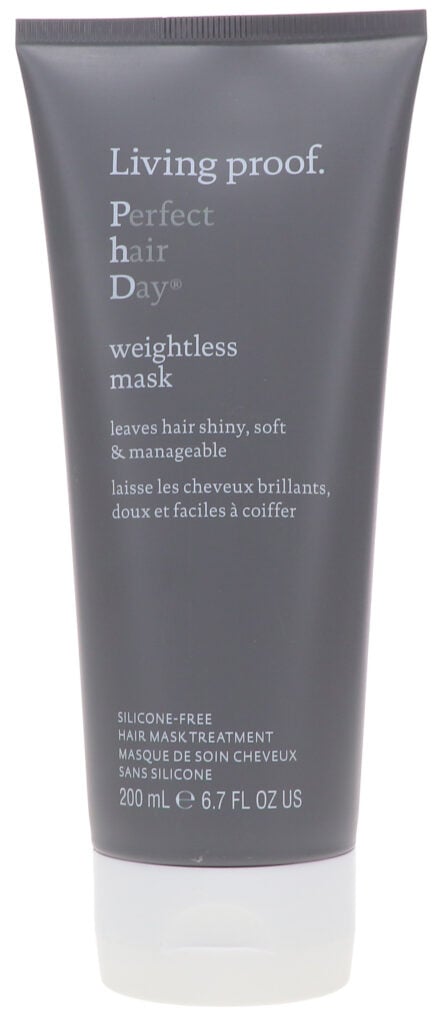
The Living Proof Perfect Hair Day Weightless Mask is a strong moisture-replenishment option following bond repair or protein treatment for high porosity hair — its concentrated conditioning formula deposits significant hydration without the heaviness that can weigh certain high porosity textures down. Available at LaLaDaisy: https://www.laladaisy.com/products/living-proof-perfect-hair-day-weightless-mask-6-7-oz/
A Note on Environmental Factors
Humidity, seasonal changes, and air conditioning can all affect how long moisture lasts in hair — but these are modifying factors, not root causes. If your hair is holding moisture reasonably well and seasonal dryness tips the balance, adjusting your sealing routine or adding a slightly heavier oil in dry months may be sufficient. If your hair is not holding moisture at any time of year regardless of the weather, the cause is structural and needs to be addressed at the level of your porosity type and routine architecture.
Frequently Asked Questions
Why does my hair feel dry the same day I wash it?
Same-day dryness is the most characteristic sign of high porosity hair. The open cuticle absorbs moisture rapidly during washing but releases it just as quickly once the hair is exposed to air. The solution is a complete sealing routine — leave-in, oil, cream — applied to damp hair immediately after washing, not just a single product layer.
Is protein or moisture the solution for dry hair?
It depends on the cause. If your hair is dry due to a compromised cuticle (high porosity), protein is part of the solution because it temporarily fills structural gaps that allow moisture to escape. If your hair is dry due to moisture blockage (low porosity), protein may worsen the problem by adding further surface coating. Testing your porosity is the only way to determine which approach is appropriate for your situation.
How long should moisture last after a deep conditioning treatment?
For medium porosity hair with a well-structured routine, moisture from a deep conditioning session should be perceptible for two to three days. For high porosity hair, one to two days is more realistic without a comprehensive sealing routine — and longer with one. For low porosity hair that has absorbed moisture properly, two to four days is achievable. If moisture evaporates within hours regardless of what you apply, the sealing step and/or structural repair are likely missing from your routine.
Can damaged hair ever return to normal porosity levels?
The existing length of damaged hair cannot return to its original porosity once the cuticle has been structurally altered — but bond repair treatments can improve the internal integrity of the strand and reduce the functional effects of high porosity. New growth will reflect your natural genetic porosity. Consistent protein treatments, bond repair, and protective styling practices will improve the condition and manageability of the existing length over time.
AI-assisted, human-verified. At LaLaDaisy.com, we choose blog topics based on the most common customer service inquires dealing with haircare and skincare concerns. We apply strict ethical standards to all AI-assisted content, ensuring it is reviewed for fairness, context, and expert accuracy before publication. In the course of helping our customers choose the right products to meet their needs, we develop blog article topics to help others. Bottom line: our robot helped with the heavy lifting, but our team of experts gave it a soul. Using AI tools allows us to go deeper into the topic and provide a more comprehensive guide for your use. At LaLadaisy.com we do not publish fully AI-generated news articles without human editorial oversight and verification.