Introduction: The Question Every Skincare Shopper Is Asking
Walk into any beauty retailer and you will find the sunscreen aisle split into two camps: mineral and chemical. Spend ten minutes reading labels, and the question becomes unavoidable — is mineral sunscreen actually better? Is it safer? More effective? Worth the trade-offs?

The answer is not a simple yes or no. Mineral sunscreen is genuinely superior for certain skin types, specific concerns, and particular use cases. For others, a well-formulated chemical sunscreen may perform equally well. What matters is understanding the difference — not as a matter of trend, but as a matter of science and skin compatibility.
This guide breaks down exactly how mineral sunscreen works, what it does differently from chemical formulas, who benefits most from it, and how to build it into a complete skincare routine. By the end, you will have the clarity to make a confident, informed decision rather than a guess.
What Is Mineral Sunscreen?
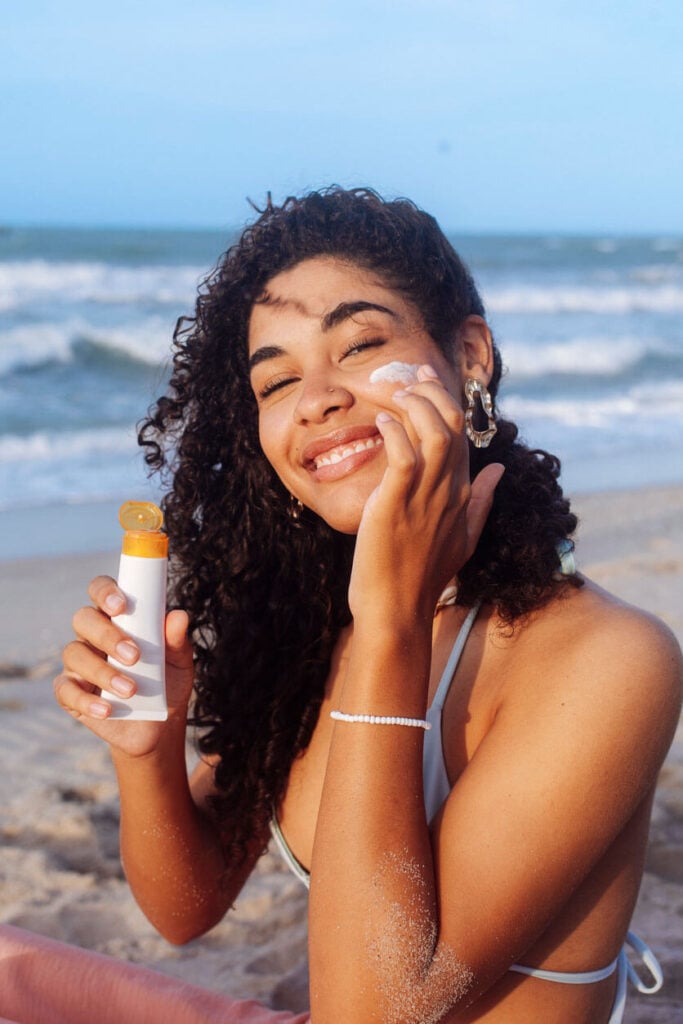
Mineral sunscreen — also called physical sunscreen — is a type of broad-spectrum UV protection that uses naturally occurring minerals as its active ingredients. Unlike chemical sunscreens, which absorb UV radiation and convert it to heat through a chemical reaction inside the skin, mineral sunscreens work by sitting on the surface of the skin and physically deflecting or scattering UV rays before they can penetrate.
The two active ingredients approved by the FDA for use in mineral sunscreens are zinc oxide and titanium dioxide. These minerals are inert, meaning they do not react chemically with the skin. They simply function as a physical barrier — a shield between your skin and the sun.
Mineral sunscreens are classified as physical blockers because they create a physical, reflective layer rather than undergoing a chemical conversion process. This distinction has important implications for how they feel on skin, how quickly they become effective after application, and how well they suit different skin types.
How Mineral Sunscreen Works: The Science Made Simple

To understand why mineral sunscreen behaves the way it does, it helps to understand the mechanism behind UV protection.
The sun emits two types of ultraviolet radiation that reach the Earth’s surface: UVA and UVB. UVB rays are primarily responsible for sunburn and play a significant role in skin cancer development. UVA rays penetrate more deeply into the skin, accelerating premature aging, hyperpigmentation, and long-term cellular damage. Broad-spectrum protection addresses both.
Zinc oxide, the more complete of the two mineral filters, provides broad-spectrum coverage against both UVA and UVB radiation. Titanium dioxide provides excellent UVB coverage and partial UVA protection. Together — or independently at sufficient concentrations — they form a reliable protective barrier.
One key advantage of the mineral protection mechanism is its immediacy. Because mineral sunscreens sit on the skin’s surface and physically scatter light rather than absorbing it through a chemical process, they become effective immediately upon application. Chemical sunscreens typically require fifteen to thirty minutes to absorb and activate. For someone who applies their SPF and steps outside right away, that difference is meaningful.
Mineral vs Chemical Sunscreen: The Key Differences
The mineral versus chemical debate generates more confusion than it needs to. Understanding the actual differences — not the marketing narratives — makes the decision much more straightforward.
Protection Mechanism
Mineral sunscreens physically block and scatter UV rays. Chemical sunscreens absorb UV radiation and convert it into heat through a photochemical reaction. Both can deliver effective broad-spectrum protection when properly formulated.
Activation Time

Mineral sunscreens are active immediately. Chemical sunscreens require an absorption window of approximately fifteen to thirty minutes before they are fully effective. This is a practical consideration for morning routines.
Skin Compatibility
Mineral formulas are generally better tolerated by sensitive, reactive, and acne-prone skin because the active ingredients are inert and do not penetrate the skin. Chemical filters — particularly oxybenzone, avobenzone, and octinoxate — have been associated with skin sensitivity and irritation in some users. For anyone with rosacea, eczema, post-procedure skin, or heightened reactivity, mineral is typically the recommended starting point.
Environmental Considerations

Certain chemical sunscreen filters, particularly oxybenzone and octinoxate, have raised environmental concerns related to coral reef degradation. Hawaii and several other jurisdictions have enacted legislation restricting their use. Mineral sunscreens — particularly non-nano formulations — are widely considered more reef-compatible, which has contributed to their growth in popularity among environmentally conscious consumers.
Texture and Aesthetics
This is where chemical sunscreens have historically had the advantage. Mineral formulas have a reputation for leaving a white cast, particularly on deeper skin tones. They can also feel heavier or slightly chalky. Modern mineral formulations have improved significantly, with tinted options, finely milled particles, and elegant bases that perform comparably to their chemical counterparts — but formula selection remains important.
Understanding the Active Ingredients in Mineral Sunscreen

The two mineral UV filters behave differently, and knowing how they differ helps you read product labels with more precision. For a complete breakdown of how these ingredients compare side by side, see the detailed analysis of zinc oxide and titanium dioxide.
Zinc Oxide
Zinc oxide is the most versatile and comprehensive mineral UV filter available. It provides true broad-spectrum protection across both UVA1, UVA2, and UVB ranges. It is also well documented for its anti-inflammatory and wound-healing properties, which makes it particularly suitable for acne-prone, reactive, and post-procedure skin.
Zinc oxide tends to be more occlusive than titanium dioxide, which means it can feel slightly thicker on the skin. Higher concentrations deliver stronger broad-spectrum coverage, but also contribute more to the white cast effect. Most modern mineral sunscreens with zinc oxide as the sole active ingredient will be formulated at concentrations between 10 and 25 percent.
Titanium Dioxide
Titanium dioxide is a lighter mineral filter that excels at UVB and short UVA2 protection. It tends to blend more easily and leave less of a white cast, which is why many tinted mineral formulas rely on titanium dioxide as their primary or sole active ingredient.
The trade-off is that titanium dioxide alone does not deliver complete UVA1 protection — the long-wave UVA rays most responsible for photoaging and hyperpigmentation. Formulas that combine zinc oxide with titanium dioxide address this gap, delivering the aesthetic lightness of titanium dioxide while maintaining the full-spectrum coverage of zinc oxide.
Who Should Use Mineral Sunscreen?
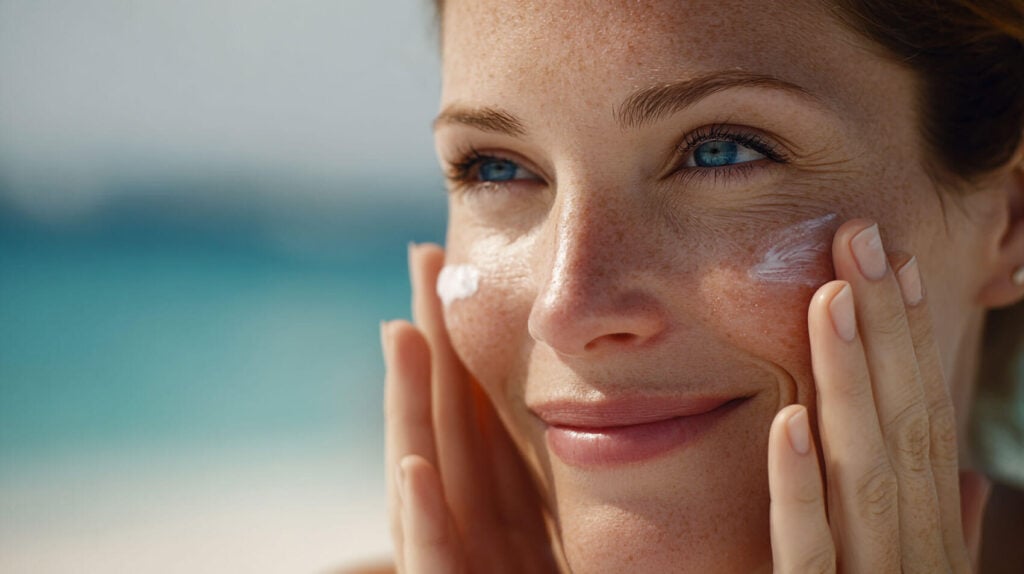
Mineral sunscreen is not exclusively for one type of person or skin concern — but it is particularly well-suited to certain situations.
Those with sensitive or reactive skin will consistently benefit from switching to mineral formulas. The inert nature of zinc oxide and titanium dioxide means the active ingredients themselves are unlikely to trigger a reaction, making mineral sunscreen the recommended option for anyone who has experienced irritation, redness, or sensitization from chemical filters.
Anyone who is pregnant or nursing is often advised by dermatologists to use mineral sunscreens. Chemical filters such as oxybenzone have been detected in bloodstream studies, and while research is ongoing, the precautionary principle makes mineral the preferred choice during pregnancy.
People with hyperpigmentation, melasma, or post-inflammatory discoloration will benefit from zinc oxide’s broad UVA coverage, which directly targets the radiation responsible for triggering pigment-producing cells.
Those with acne-prone skin or a tendency toward breakouts will want to explore mineral sunscreen for oily and acne-prone skin — a formulation approach that addresses the specific concerns of congestion and excess sebum while maintaining necessary UV protection.
Children and those with rosacea, eczema, or compromised skin barriers are also strong candidates for mineral-first protection.
The White Cast Problem — and How to Solve It
The white cast is the most frequently cited objection to mineral sunscreen, and it is a legitimate concern — particularly for individuals with medium to deep skin tones. The chalky residue that zinc oxide and titanium dioxide can leave on the skin is a direct result of the particles sitting on the skin’s surface and reflecting light.
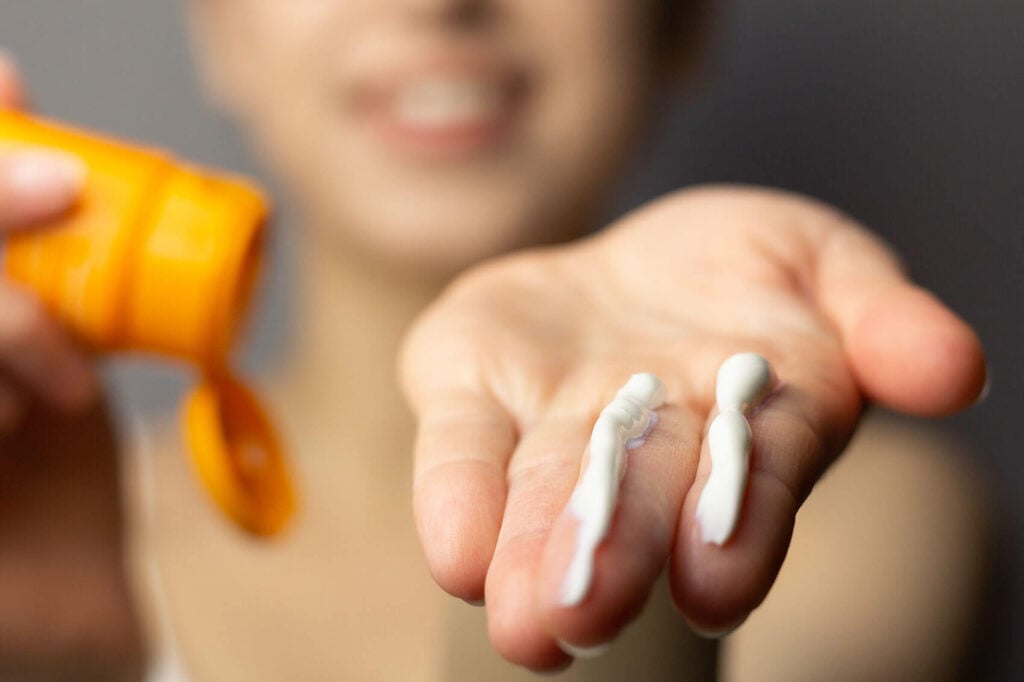
The degree of white cast depends on several factors: the concentration of mineral actives, the particle size, the presence of tinting pigments, and the formulation base. Nano-sized particles — meaning particles milled to less than 100 nanometers — reduce the white cast significantly because the smaller size scatters light more evenly. Non-nano particles sit more visibly on the surface.
Tinted mineral sunscreens address the white cast most directly by incorporating iron oxides that match a range of skin tones and neutralize the grey-white reflection. Iron oxides also provide additional protection against visible light, which is increasingly recognized as a trigger for hyperpigmentation.
Application technique is equally important. The correct method for applying mineral sunscreen without leaving a white residue requires specific steps that make a measurable difference in the final result. For a full technique guide, see the complete walkthrough on how to apply mineral sunscreen without a white cast.
How to Build Mineral Sunscreen Into Your Skincare Routine

Sunscreen is the final step in any morning skincare routine, applied after all serums and moisturizers have been absorbed and immediately before makeup or throughout the day as a standalone finish.
Morning Routine Structure
- Step 1: Cleanser — remove overnight product buildup
- Step 2: Treatment serum — vitamin C, niacinamide, or targeted actives
- Step 3: Moisturizer — allow full absorption before SPF
- Step 4: Mineral sunscreen — apply as the final skincare step, minimum SPF 30
- Step 5: Makeup (optional) — applied over SPF, never instead of it
Application Amount
One of the most consistent findings in sunscreen research is that most people apply far less product than the amount used in SPF testing. The standard recommendation for the face is approximately one quarter teaspoon, or the equivalent of two to three finger lengths of product. Applying too little directly reduces the effective SPF delivered to the skin.

Reapplication
SPF protection diminishes with exposure to UV radiation, sweat, water, and physical contact. Dermatologists consistently recommend reapplying broad-spectrum sunscreen every two hours during sun exposure, and immediately after swimming or heavy perspiration regardless of how much time has passed.
Common Mineral Sunscreen Mistakes and How to Avoid Them
Even the best mineral sunscreen underperforms when application habits undermine its effectiveness. These are the most common errors and how to correct them.
Applying Too Little Product
As noted above, under-application is the single most common mistake. If the SPF on a label is SPF 50, applying half the required amount does not deliver SPF 25 — the protective curve drops significantly below that. Always apply a generous, even layer.
Skipping Application on Overcast Days
UV radiation penetrates cloud cover. On overcast days, up to eighty percent of UV rays still reach the skin. Daily SPF application regardless of weather is one of the most evidence-supported habits in preventive skincare.
Applying Over Wet Skin

Mineral sunscreen applied over damp or incompletely dried skin tends to distribute unevenly, which increases the likelihood of pilling and reduces the uniformity of the protective layer. Allow your moisturizer and any previous skincare steps to fully absorb before applying SPF.
Pilling Under Makeup
Pilling — where the sunscreen rolls or balls up rather than sitting smoothly — is a common frustration. It can result from incompatible product layering, insufficient drying time between steps, or incorrect application technique. Understanding why mineral sunscreen pills and how to prevent it helps eliminate this problem at its source.
How to Read a Mineral Sunscreen Label
Label literacy is one of the most practical skills for selecting an effective mineral sunscreen. These are the key elements to evaluate.
Active Ingredients
The active ingredient panel will list either zinc oxide, titanium dioxide, or both — along with their concentrations. A zinc oxide concentration of at least 10 percent provides meaningful broad-spectrum coverage. Formulas combining both filters at lower individual concentrations can also deliver full-spectrum protection.

Broad Spectrum Designation
In the United States, the FDA requires that sunscreens labeled broad spectrum pass the critical wavelength test, confirming adequate UVA coverage. Look for this designation on any mineral sunscreen intended for comprehensive photoprotection.
SPF Rating
SPF measures protection against UVB radiation specifically. Dermatologists generally recommend a minimum of SPF 30 for daily wear and SPF 50 for extended outdoor exposure. The incremental benefit above SPF 50 is modest — SPF 50 blocks approximately 98 percent of UVB rays, while SPF 100 blocks approximately 99 percent.
Formulation Claims
Terms like non-comedogenic, oil-free, and reef-safe indicate specific formulation choices that may be relevant to your skin type or values. These are not regulated categories in all markets, but they serve as useful signals about the intended use case of the product.
Selecting the Right Mineral Sunscreen for Your Skin

The best mineral sunscreen for your skin is the one you will use consistently, correctly, and in sufficient quantity. With that principle as the foundation, here is how to match formulation type to skin need.
For dry skin, look for a mineral sunscreen with a hydrating base — hyaluronic acid, glycerin, or ceramides alongside the mineral actives. A slightly richer consistency helps prevent the powdery finish that can accentuate dry patches.
For oily or combination skin, a lightweight, non-comedogenic, oil-free mineral formula is the foundation of a functional routine. Many people with oily skin find that a water-based or gel-textured mineral sunscreen sits better under makeup and does not contribute to midday shine.
For deeper skin tones, tinted mineral sunscreens are generally preferable because they neutralize the white cast and blend more naturally. Iron oxide-enriched formulas also provide the added benefit of visible light protection relevant to hyperpigmentation.
For sensitive or compromised skin, look for a fragrance-free, preservative-minimal formula with zinc oxide as the primary active. Avoid formulas with high alcohol content, synthetic fragrance, or potentially sensitizing botanical extracts.
Frequently Asked Questions
Is mineral sunscreen better than chemical sunscreen?
Mineral sunscreen is better in specific situations — particularly for sensitive, reactive, acne-prone, or pregnant individuals. It is also immediately effective upon application, which provides a practical advantage. Chemical sunscreens are not inherently inferior, but they carry higher risks of irritation and raise more environmental questions. The better choice depends on your skin type, concern, and priorities.
Does mineral sunscreen need to be rubbed in?
Yes. Mineral sunscreen must be applied and blended thoroughly across all exposed skin. Unlike chemical sunscreens that absorb into the skin, mineral formulas sit on the surface — which means uneven application creates uneven protection. Use small amounts built up in even layers for full coverage.
Is mineral sunscreen safe for everyday use?
Mineral sunscreen is considered very safe for daily use across all age groups, including children and pregnant individuals. The active ingredients zinc oxide and titanium dioxide are inert, have a long safety record, and do not penetrate the skin systemically in meaningful concentrations under normal use conditions.
Why does mineral sunscreen look white on my skin?
The white appearance comes from the reflective properties of zinc oxide and titanium dioxide particles sitting on the skin’s surface. The degree of whiteness depends on the particle size and concentration of mineral actives. Tinted mineral sunscreens and formulas using finely milled particles significantly reduce the white cast effect.
Can I use mineral sunscreen under makeup?
Yes. Mineral sunscreen can be worn under foundation, tinted moisturizer, or other face makeup. Allow the sunscreen to fully absorb — typically one to two minutes — before applying makeup to reduce pilling. Tinted mineral formulas double as a primer-like base for a more seamless result.
AI-assisted, human-verified. At LaLaDaisy.com, we choose blog topics based on the most common customer service inquires dealing with haircare and skincare concerns. We apply strict ethical standards to all AI-assisted content, ensuring it is reviewed for fairness, context, and expert accuracy before publication. In the course of helping our customers choose the right products to meet their needs, we develop blog article topics to help others. Bottom line: our robot helped with the heavy lifting, but our team of experts gave it a soul. Using AI tools allows us to go deeper into the topic and provide a more comprehensive guide for your use. At LaLadaisy.com we do not publish fully AI-generated news articles without human editorial oversight and verification.
Table of Contents.