

Walk down any skincare aisle and you’ll find thousands of cleansers, serums, and creams promising to transform your complexion. The truth is simpler: even the best products in the world won’t help much if they’re wrong for your skin. A skincare routine by skin type starts with what your skin actually does on an ordinary day, whether it feels tight, turns shiny by lunch, or does a little of both, and builds from there.
The three most common skin types are dry, oily, and combination. Each behaves differently, and each needs its own daily approach to keep the skin barrier healthy, comfortable, and resilient. In this guide, we’ll break down how each type works, walk through a four-step routine tailored to each one, and share the LaLa Daisy products we’d reach for first.

Why a Skincare Routine by Skin Type Works Better
Your skin type is largely determined by two things: how much oil (sebum) your skin produces, and how well it holds onto water. Genetics play a big role, but climate, hormones, age, and the products you use can all nudge your skin in one direction or another.
When products match your skin type, they support what your skin is already trying to do. When they don’t, you end up working against yourself. A rich cream that feels luxurious on dry skin can clog pores on an oily complexion. A foaming, oil-cutting cleanser that keeps oily skin fresh can leave dry skin tight, flaky, and irritated. And combination skin, with both oily and dry zones, can get the worst of both worlds from a one-size-fits-all approach.
The Skin Barrier: What Every Routine Protects

Every routine in this guide is built around one goal: protecting the skin barrier. This outermost layer of skin is made of cells held together by lipids. Picture a brick wall, with skin cells as the bricks and lipids as the mortar. When the barrier is healthy, it locks moisture in and keeps irritants out. When it’s compromised, skin loses water faster, becomes more reactive, and may even overproduce oil to compensate.
That’s why every skin type, oily skin included, needs gentle cleansing, adequate hydration, and daily sun protection. The products change from type to type, but the mission stays the same.
The Four Core Steps of Any Daily Routine

Before we get into each skin type, here’s the framework every routine in this guide follows. Think of it as a template you’ll customize:
- Cleanse: Remove dirt, oil, sunscreen, and makeup without stripping the skin.
- Treat: Apply a serum or toner that targets your skin type’s main need, whether that’s hydration, oil control, or balance.
- Moisturize: Seal in hydration and support the barrier with a texture that suits your skin.
- Protect: Finish every morning with a broad-spectrum sunscreen.
At night, skip the sunscreen and keep the first three steps. That’s it. Consistency matters far more than the number of bottles on your shelf.
Not sure which category you fall into? Our guide on how to determine your skin type walks you through a few simple at-home tests that take less than an hour.
Dry Skin Routine: Hydrate, Nourish, and Lock It In

Dry skin produces less oil than other skin types, so it has fewer natural lipids to hold moisture in place. It often feels tight after washing, looks dull or rough, and may flake around the nose, cheeks, or eyebrows. Fine lines can also look more noticeable when skin is parched.
The goal for dry skin is to add water, add richness, and keep both from escaping.
Step 1: Cleanse Gently
Choose a milky, creamy, or hydrating cleanser that cleans without that squeaky-clean feeling. Squeaky clean usually means your natural oils have been stripped away. Use lukewarm water, never hot, and pat your face dry instead of rubbing.
Step 2: Treat With a Hydrating Serum
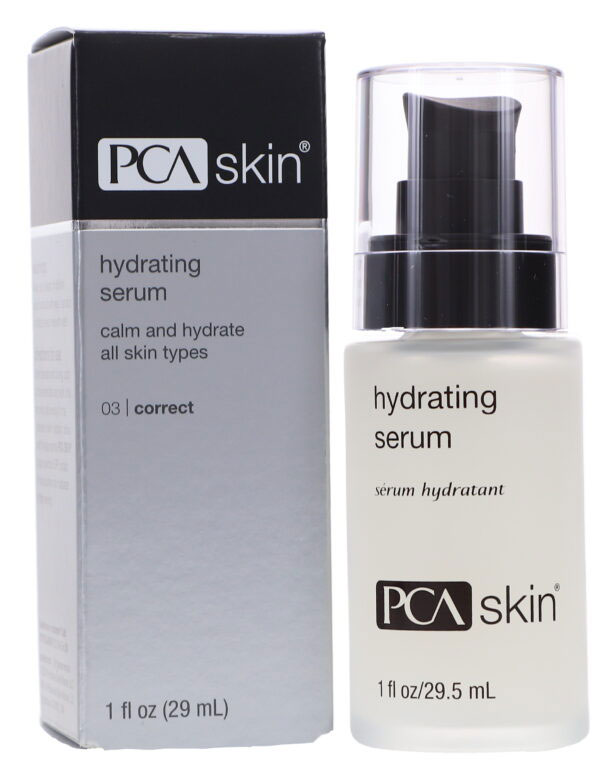
Humectants like hyaluronic acid and glycerin draw water into the skin, which makes them the backbone of a dry skin routine. PCA Skin Hydrating Serum is a beautifully simple option. Its short ingredient list centers on glycerin, sodium hyaluronate (a form of hyaluronic acid), and sodium PCA, three humectants that help skin attract and hold moisture. Apply it to slightly damp skin for the best results.
Step 3: Moisturize With a Rich Cream
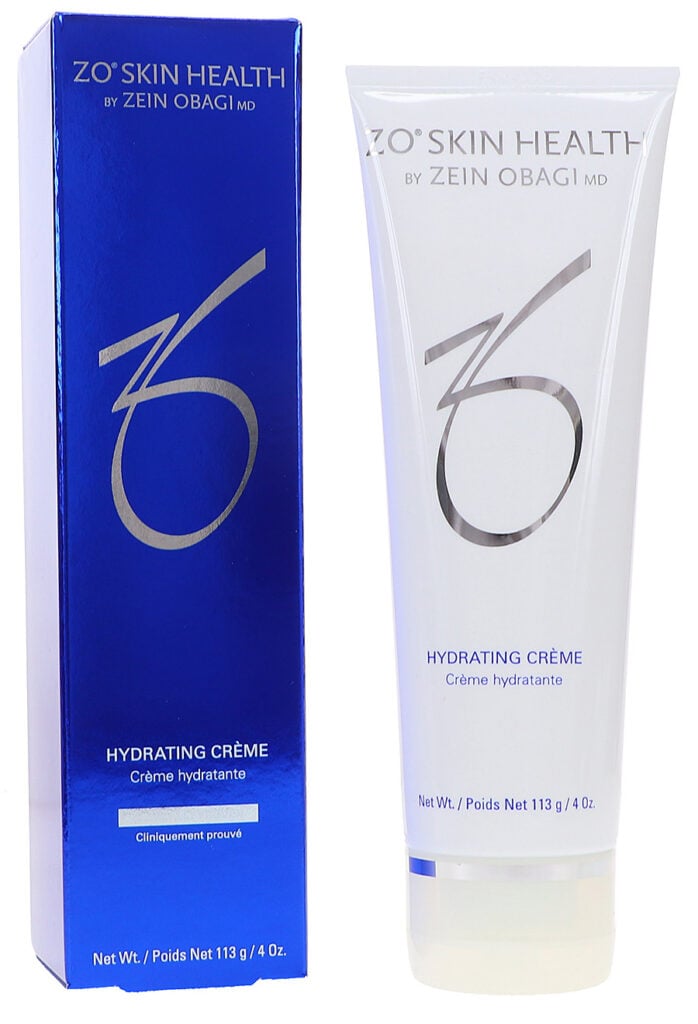
Humectants pull water in, and a rich moisturizer keeps it there. Look for nourishing ingredients such as ceramides, shea butter, and colloidal oatmeal, along with occlusives like petrolatum that slow water loss. ZO Skin Health Hydrating Creme combines shea butter, colloidal oatmeal, glycerin, and petrolatum in a formula designed for very dry, uncomfortable skin. Apply it morning and night, and anytime your skin feels tight.
Step 4: Protect With a Moisturizing Sunscreen
Dry skin does best with a sunscreen that has a creamy, hydrating texture. Apply it as the last step of your morning routine and reapply when you’re spending time outdoors.
For a deeper dive into ingredient choices, nighttime adjustments, and the everyday habits that make dryness worse, read our full skincare routine for dry skin.
Oily Skin Routine: Balance Oil Without Stripping

Oily skin produces more sebum than it needs. You’ll often notice shine across your forehead, nose, and chin within a few hours of washing, along with visibly enlarged pores and a tendency toward blackheads and breakouts. The upside? Oily skin often shows fine lines later in life.
The goal for oily skin is to control excess oil and keep pores clear while still giving skin the hydration it needs. Over-drying oily skin can backfire, signaling your skin to produce even more oil.
Step 1: Cleanse With a Foaming or Gel Formula
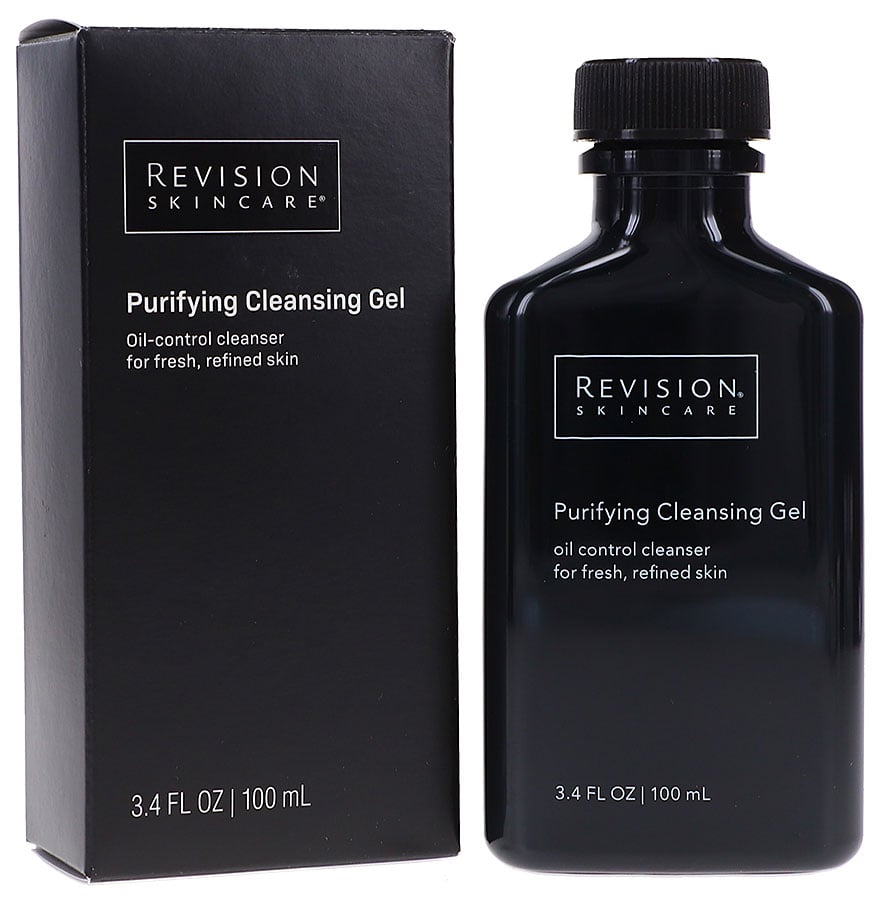
Foaming and gel cleansers lift excess oil efficiently. REVISION Skincare Purifying Cleansing Gel pairs salicylic acid, a beta-hydroxy acid (BHA) that works inside the pore, with lactic acid, an alpha-hydroxy acid (AHA) that exfoliates the surface. It’s designed to leave oily skin clean with a matte finish. Because it contains exfoliating acids, daily sunscreen is non-negotiable.
Step 2: Tone or Treat to Clear Pores
A lightweight serum with niacinamide or a gentle salicylic acid toner helps keep pores clear and oil in check. Niacinamide, a form of vitamin B3, is especially helpful because it supports the skin barrier while helping to balance oil. If your cleanser already contains salicylic acid, start with a niacinamide serum rather than doubling up on acids.
Step 3: Moisturize With an Oil-Free Gel
Yes, oily skin needs moisturizer. Choose a lightweight, oil-free, non-comedogenic gel or lotion that hydrates without adding grease. Look for water-based textures with hyaluronic acid or glycerin.
Step 4: Protect With a Matte, Broad-Spectrum Sunscreen
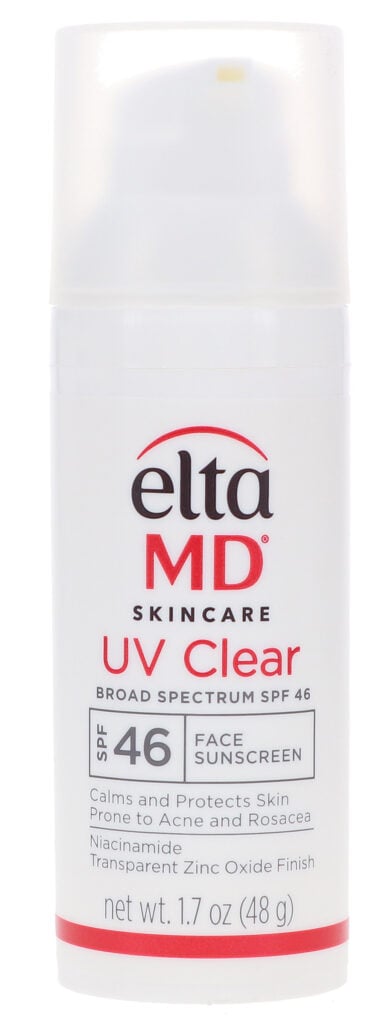
Heavy sunscreens can feel suffocating on oily skin. Formulas built on micronized zinc oxide are a great fit because they offer broad-spectrum protection with a lighter feel. EltaMD UV Clear Broad Spectrum SPF 46 is a longtime favorite for oily and acne-prone skin. It’s oil-free, fragrance-free, and non-comedogenic, and it pairs zinc oxide with niacinamide.
Want to see how this routine shifts from AM to PM? Our step-by-step morning and night routine for oily skin covers both.
Combination Skin Routine: Treat Each Zone on Its Own Terms
Combination skin features an oily T-zone (the forehead, nose, and chin) alongside normal or dry cheeks. It’s one of the most common skin types and, for many people, the most confusing. Products that tame the T-zone can parch the cheeks, while products that soothe the cheeks can leave the T-zone slick.
The goal for combination skin is balance: gentle, universal basics with targeted treatments applied only where they’re needed.
Step 1: Cleanse With a Balanced, Gentle Formula
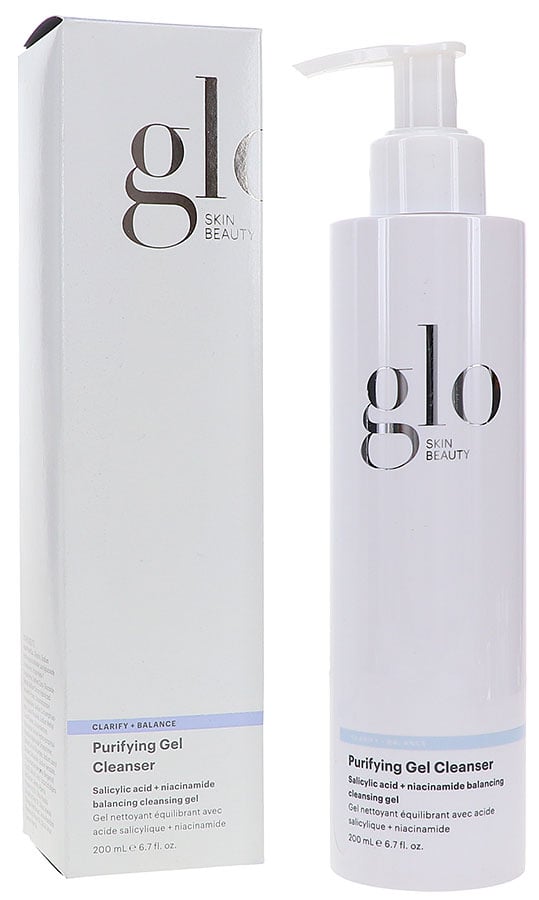
A gentle foaming or gel cleanser that removes oil without leaving the cheeks tight is the ideal starting point. Glo Skin Beauty Purifying Gel Cleanser is formulated for oily and combination skin. It’s sulfate-free and pairs salicylic acid with niacinamide and glycerin, so it helps clear the T-zone while staying kind to drier areas.
Step 2: Spot-Treat by Zone
This is where combination skin gets strategic. Apply oil-controlling treatments, such as a BHA exfoliant or a niacinamide serum, strictly to the T-zone. On the cheeks, layer extra hydration instead. A humectant serum like the PCA Skin Hydrating Serum works well here too.
Step 3: Moisturize Smart
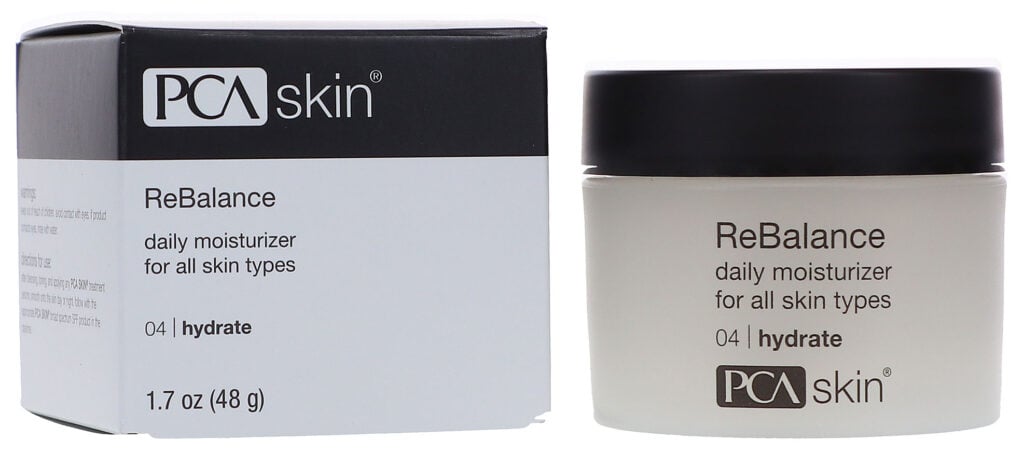
You have two good options. Use one lightweight moisturizer all over, or use a gel on oily zones and a richer cream on dry cheeks. PCA Skin Rebalance is a lightweight, all-day moisturizer made with niacinamide, vitamin E, and borage and evening primrose seed oils. PCA SKIN formulated it for normal and sensitive skin, and its light texture makes it an easy all-over option for combination complexions. If your cheeks need more, add a thin layer of a richer cream just on those areas.
Step 4: Protect With a Universal Sunscreen
Finish with a broad-spectrum sunscreen that feels comfortable across your whole face. A lightweight, non-comedogenic formula, like the EltaMD UV Clear mentioned above, suits most combination skin.
For zone-by-zone tips, seasonal adjustments, and more, read our complete skincare routine for combination skin.
Quick Comparison: Routines at a Glance

Here’s how the three routines differ at each step:
- Cleanser: Dry skin needs creamy or milky; oily skin needs foaming or gel; combination skin needs a gentle gel or light foam.
- Treatment: Dry skin needs hyaluronic acid and glycerin; oily skin needs niacinamide or salicylic acid; combination skin needs BHA on the T-zone and hydration on the cheeks.
- Moisturizer: Dry skin needs a rich cream; oily skin needs an oil-free gel; combination skin needs a lightweight lotion or zone-specific layering.
- Sunscreen: Dry skin needs a moisturizing formula; oily skin needs a matte or micronized zinc formula; combination skin needs a lightweight universal formula.
Morning vs. Night: What Changes
Your morning and evening routines share the same backbone, but each has a different job. In the morning, the priority is protection. You’re prepping skin to face UV rays, pollution, and whatever the day brings, so lighter layers and sunscreen take center stage. Many people with dry skin can skip the cleanser in the morning entirely and simply rinse with water.

At night, the priority shifts to cleansing and repair. You need to remove sunscreen, makeup, oil, and grime thoroughly, and your skin does much of its renewal while you sleep. That makes evening the best time for targeted treatments like exfoliating acids, and for richer textures if your skin type calls for them. If you use an exfoliating product at night, don’t skip your sunscreen the next morning.
Key Ingredients to Know for Each Skin Type

Ingredient labels can be overwhelming, but a handful of names do most of the heavy lifting. Learning them makes it much easier to shop with confidence.
- Humectants (hyaluronic acid, glycerin, sodium PCA): These attract water to the skin. Every skin type benefits, but dry skin depends on them most.
- Emollients and occlusives (shea butter, squalane, petrolatum): Emollients smooth and soften, while occlusives form a protective layer that slows water loss. They’re essential for dry skin and best used sparingly on oily areas.
- Niacinamide: A form of vitamin B3 that supports the barrier and helps regulate oil. It’s one of the few actives that suits dry, oily, and combination skin alike.
- Salicylic acid (BHA): Oil-soluble, so it can travel into pores to clear buildup. It’s ideal for oily skin and the T-zone of combination skin.
- Lactic acid (AHA): A gentle surface exfoliant that also has hydrating properties. It can brighten dull skin of most types when used in moderation.
- Zinc oxide: A mineral sunscreen filter that provides broad-spectrum UVA and UVB protection and is generally well tolerated.
How to Layer Products Correctly
The order you apply products matters almost as much as the products themselves. The general rule is to go from the thinnest texture to the thickest, so each layer can absorb properly. Water-based toners and serums go on first, followed by lotions and creams, with sunscreen as the final morning layer.

Give each layer a moment to settle before applying the next, especially before sunscreen. And keep it simple. A four-step routine you follow every day will deliver better results than a ten-step routine you only manage on weekends.
Common Mistakes That Undermine Any Routine

Even the right products can disappoint if a few habits get in the way. Watch out for these:
- Over-cleansing: Washing more than twice a day, or with water that’s too hot, strips the barrier for every skin type.
- Skipping moisturizer on oily skin: Dehydrated oily skin often produces more oil, not less.
- Using too many actives at once: Layering multiple acids, retinoids, and exfoliants can irritate even resilient skin. Introduce one new active at a time.
- Forgetting sunscreen on cloudy days: UV rays reach your skin year-round and through clouds, contributing to dark spots and premature aging.
- Expecting overnight results: Give a new routine four to six weeks before judging it. That’s roughly how long it takes skin to renew its surface layer.
When Your Skin Type Changes
Skin types aren’t permanent. Many people find their skin gets drier with age, oilier in humid summers, or more combination-like during hormonal shifts. If a routine that used to work suddenly feels too heavy or too stripping, it may be time to reassess. Retesting your skin each season is a smart habit.

You also don’t have to overhaul everything at once. Often, swapping a single product, such as a richer moisturizer for winter or a lighter gel for summer, is enough to bring your skin back into balance.
Building Your Routine With LaLa Daisy
Here’s a quick recap of the products featured in this guide, organized by skin type:
- Dry skin: PCA Skin Hydrating Serum for humectant hydration and ZO Skin Health Hydrating Creme for rich, barrier-supporting moisture.
- Oily skin: REVISION Skincare Purifying Cleansing Gel for an oil-clearing cleanse and EltaMD UV Clear SPF 46 for lightweight, oil-free sun protection.
- Combination skin: Glo Skin Beauty Purifying Gel Cleanser for a balanced cleanse and PCA Skin Rebalance for lightweight, all-over moisture.
Every product is available at LaLa Daisy below retail, with free shipping and easy returns.
Frequently Asked Questions
What is the correct order for a skincare routine?
Apply products from thinnest to thickest: cleanser, toner or treatment serum, moisturizer, and then sunscreen in the morning. At night, follow the same order without sunscreen.
Can I have more than one skin type?
Your skin has one dominant type, but it can shift with seasons, hormones, and age. Combination skin is essentially two behaviors on one face, which is why zone-specific care works so well.
Do oily skin types really need moisturizer?
Yes. When oily skin is dehydrated, it can produce more oil to compensate. A lightweight, oil-free gel moisturizer supplies water without adding grease.
How long should I wait before switching products?
Give a new routine about four to six weeks, unless a product causes stinging, redness, or a rash. In that case, stop using it right away.
Should I see a dermatologist about my skin type?
If you’re dealing with persistent acne, eczema, rosacea, or sudden changes in your skin, a dermatologist can provide a diagnosis and treatment plan that goes beyond everyday skincare.
AI-assisted, human-verified. At LaLaDaisy.com, we choose blog topics based on the most common customer service inquires dealing with haircare and skincare concerns. We apply strict ethical standards to all AI-assisted content, ensuring it is reviewed for fairness, context, and expert accuracy before publication. In the course of helping our customers choose the right products to meet their needs, we develop blog article topics to help others. Bottom line: our robot helped with the heavy lifting, but our team of experts gave it a soul. Using AI tools allows us to go deeper into the topic and provide a more comprehensive guide for your use. At LaLadaisy.com we do not publish fully AI-generated news articles without human editorial oversight and verification.