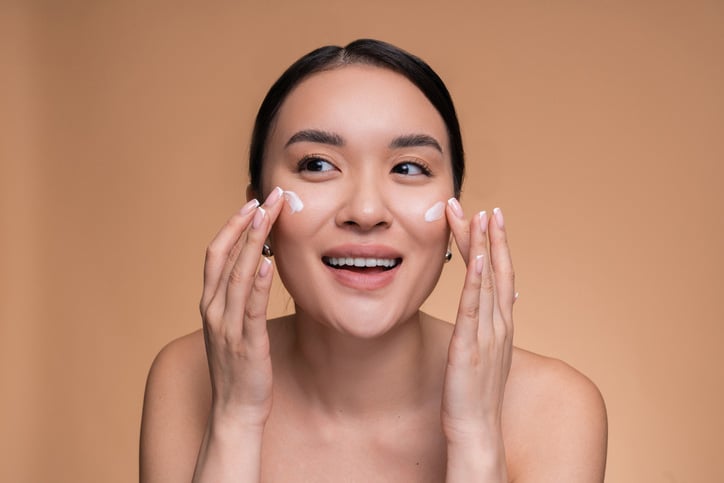

Oily skin and breakouts are controlled by managing excess sebum without stripping the skin: cleanse gently twice a day, use a mild exfoliating acid to keep pores clear, never skip a lightweight moisturizer, and protect your skin with daily sunscreen. Harsh, drying products feel effective in the moment, but they usually trigger more oil and more irritation.
The good news is that oily skin responds well to the right care. Once you understand why your skin overproduces oil and how clogged pores form, it becomes much easier to choose products that calm the cycle rather than feed it.
What Causes Oily Skin and Breakouts?
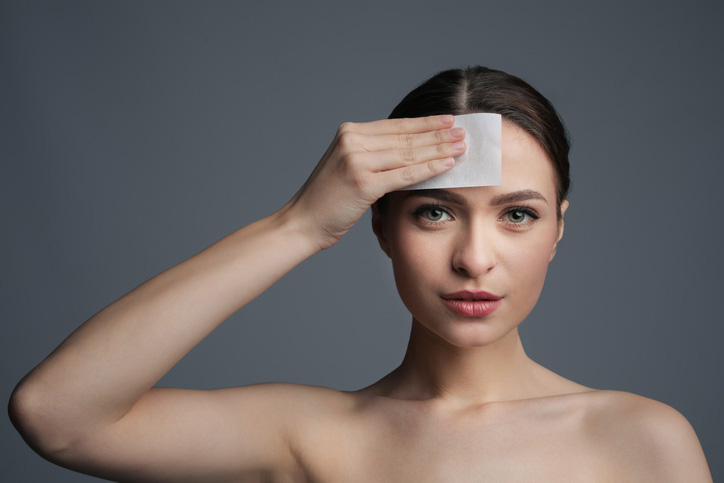
Oily skin is caused by sebaceous glands that produce more sebum than your skin needs, and breakouts begin when that excess oil combines with dead skin cells to clog pores.
Sebum is not the enemy. It helps waterproof the skin and keep it supple. The problem is volume. Several factors push oil production higher:
- Genetics. Oily skin often runs in families, and pore size is largely inherited.
- Hormones. Androgens stimulate the sebaceous glands, which is why oiliness often rises during the teen years, around menstrual cycles and during stressful periods.
- Climate. Heat and humidity tend to increase oil output and shine.
- Rebound oil. Over-cleansing and harsh products can strip the skin, which may prompt it to produce more oil to compensate.
How Do Clogged Pores Turn Into Breakouts?
A breakout starts when sebum and shed skin cells form a plug inside the pore. If the plug stays open to the air, it oxidizes and darkens into a blackhead. If it stays closed beneath the surface, it becomes a whitehead. When bacteria that live naturally on the skin multiply inside a blocked pore, the area can become inflamed, red and tender.
That sequence explains the strategy. Keep pores clear, keep oil in balance, and keep inflammation calm, and you interrupt the cycle at every stage.
Which Common Mistakes Make Oily Skin Worse?

The biggest mistakes are overwashing, scrubbing aggressively and skipping moisturizer, because each one damages the skin barrier and can increase oil production.
- Washing too often. Cleansing more than twice a day, or with very hot water, strips natural lipids and leaves skin tight and reactive.
- Using harsh scrubs. Gritty physical exfoliants can irritate inflamed skin and spread bacteria across the face.
- Skipping moisturizer. Dehydrated skin often looks oilier, not less oily. Oily skin still needs water-based hydration.
- Layering too many actives. Combining several acids, retinoids and spot treatments at once can overwhelm the skin and cause more redness and breakouts.
- Picking at blemishes. Squeezing pushes debris deeper and raises the risk of lingering marks.
Which Ingredients Help Manage Excess Oil and Clogged Pores?
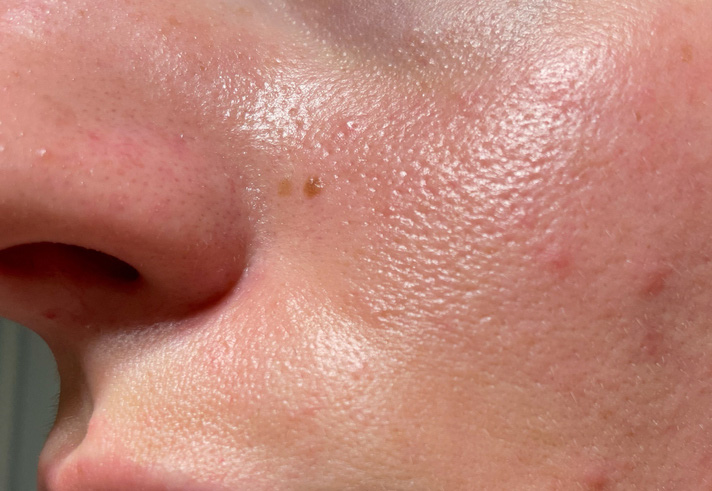
The most helpful ingredients gently exfoliate inside and on the surface of the pore, absorb surface oil, and hydrate without adding weight.
- Alpha hydroxy acids (AHAs). Lactic acid loosens the bonds between dead surface cells so they shed instead of collecting in pores. It is also part of the skin’s natural moisturizing factor, so it exfoliates without leaving skin parched.
- Polyhydroxy acids (PHAs). Gluconolactone exfoliates similarly to an AHA but tends to be gentler, which suits reactive, breakout-prone skin.
- Salicylic acid. This oil-soluble beta hydroxy acid works inside the pore to clear congestion.
- Niacinamide. A form of vitamin B3, niacinamide helps balance the look of oiliness and supports a healthy barrier.
- Clay and charcoal. Kaolin and charcoal absorb surface oil and draw out debris, making them ideal for a weekly mask.
- Lightweight humectants. Hyaluronic acid and glycerin provide water-based hydration that will not feel greasy.
How Do You Build a Routine That Controls Oil and Prevents Breakouts?

A routine that controls oily skin and breakouts has four essential steps: gentle cleansing, targeted exfoliation, lightweight moisture and daily SPF.
Step 1: Cleanse Gently, Twice a Day

Cleanse in the morning to remove the oil your skin produced overnight, and again at night to remove sunscreen, makeup and buildup. Use lukewarm water and massage for about 30 seconds, focusing on the T-zone.
Step 2: Exfoliate With Purpose
Exfoliating acids keep pores clear, but more is not better. A cleanser with built-in AHAs provides gentle daily exfoliation. If you add a separate leave-on exfoliant, start two or three nights a week and increase only if your skin stays comfortable.
Step 3: Moisturize With a Lightweight Formula
Choose a moisturizer designed for blemish-prone skin. Gel or lotion textures absorb quickly and supply water without clogging pores.
Step 4: Protect With Daily SPF

Sunscreen prevents the dark marks that blemishes often leave behind from deepening. Look for a broad-spectrum formula with SPF 30 or higher in a lightweight, oil-free texture that you will wear every day.
Which PCA Skin Products Help Oily and Blemish-Prone Skin?
Three PCA Skin products work together as a focused system for oily, breakout-prone skin: a purifying cleanser, a balancing moisturizer and a weekly detoxifying mask.
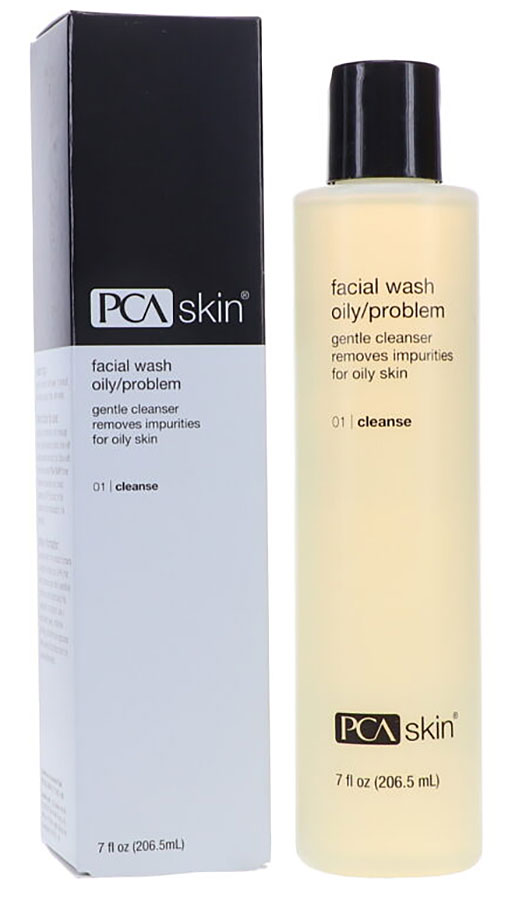
PCA Skin Facial Wash Oily/Problem is the cornerstone. This cleanser is formulated for oily and breakout-prone skin with a higher level of alpha hydroxy acids than the brand’s standard Facial Wash. Lactic acid and gluconolactone gently exfoliate to help keep pores clear, while aloe vera leaf juice soothes and softens. Massage a small amount into damp skin, concentrating on the T-zone, then rinse with warm water. Because it exfoliates as it cleanses, it covers your daily exfoliation step without an extra product.
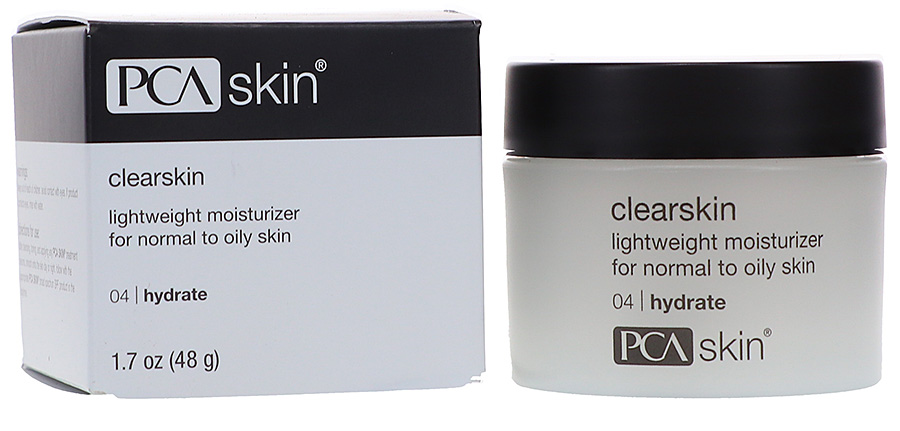
PCA Skin ClearSkin follows as the moisturizer. It combines niacinamide and hyaluronic acid in a formula designed for blemish-prone skin, delivering hydration without heaviness. If your skin tends to feel shiny by midday, this is for you: well-hydrated skin is less likely to overcompensate with extra oil.
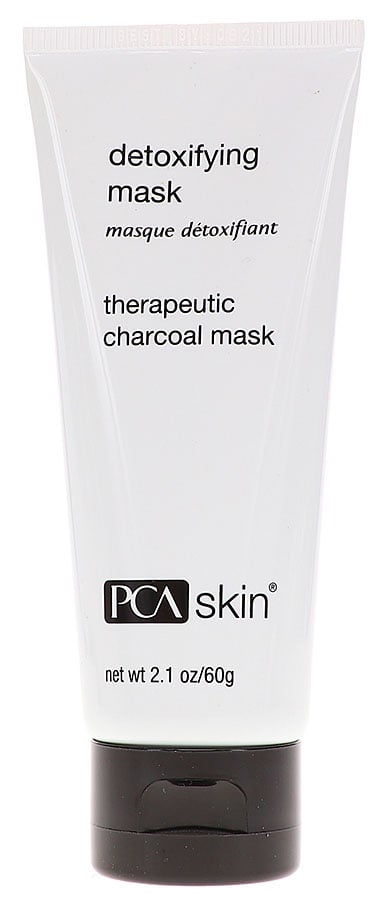
PCA Skin Detoxifying Mask is the weekly reset. Japanese white charcoal and kaolin clay absorb excess oil, dirt and debris trapped in the pores, helping minimize their appearance, while glycerin keeps the skin from feeling stripped. Apply a thin layer once a week, or as needed, leave it on until dry, then rinse with warm water and follow with ClearSkin.
Together, these products address the full cycle: the cleanser clears and exfoliates, the moisturizer balances, and the mask resets congested pores. To see how they fit alongside the brand’s serums and other treatments, explore our complete guide to PCA Skin products.
How Do You Maintain Clearer-Looking Skin Long Term?
Clearer-looking skin is maintained through consistency, patience and a few supportive habits outside your routine.
- Give products time. Most acne-focused routines need six to eight weeks to show their full effect, since pores clog well before blemishes appear.
- Change pillowcases often. Oil, sweat and hair products transfer to fabric and back onto your skin.
- Clean phone screens and makeup brushes. Both collect oil and bacteria that end up on your face.
- Hands off. Resist picking, which slows healing and increases the risk of marks.
- Address lingering marks separately. Flat brown or pink spots left after a blemish heals need a different approach. Antioxidants, gentle exfoliation and sunscreen are the keys to fading post-breakout marks over time.

If breakouts are deep, painful, cystic or scarring, see a dermatologist. Prescription treatments can be essential for moderate to severe acne, and a good at-home routine works alongside them.
Frequently Asked Questions About Oily Skin and Breakouts
Does oily skin need moisturizer?
Yes. Oily skin can still be dehydrated, and dehydrated skin may produce more oil to compensate. A lightweight, oil-free moisturizer such as PCA Skin ClearSkin hydrates without adding shine.
How often should you exfoliate oily skin?
Most oily skin types do well with gentle daily exfoliation from an AHA cleanser, or a leave-on exfoliant two to three times a week. Stop and scale back if you notice stinging, peeling or new redness.
Why does my skin break out more when I wash it more?
Overwashing strips the skin barrier, which can trigger irritation, inflammation and rebound oil production. Cleansing twice a day with a gentle, purifying formula is usually the right balance.
Are charcoal masks good for oily skin?
Yes, used once a week. Charcoal and clay absorb surface oil and draw out debris, which helps pores look smaller. Daily use can be too drying for most people.
Can you have oily skin and dry patches at the same time?
Yes. That pattern usually points to combination skin or to dehydration caused by harsh products. Gentle cleansing and consistent lightweight hydration usually bring both back into balance.
AI-assisted, human-verified. At LaLaDaisy.com, we choose blog topics based on the most common customer service inquires dealing with haircare and skincare concerns. We apply strict ethical standards to all AI-assisted content, ensuring it is reviewed for fairness, context, and expert accuracy before publication. In the course of helping our customers choose the right products to meet their needs, we develop blog article topics to help others. Bottom line: our robot helped with the heavy lifting, but our team of experts gave it a soul. Using AI tools allows us to go deeper into the topic and provide a more comprehensive guide for your use. At LaLadaisy.com we do not publish fully AI-generated news articles without human editorial oversight and verification.