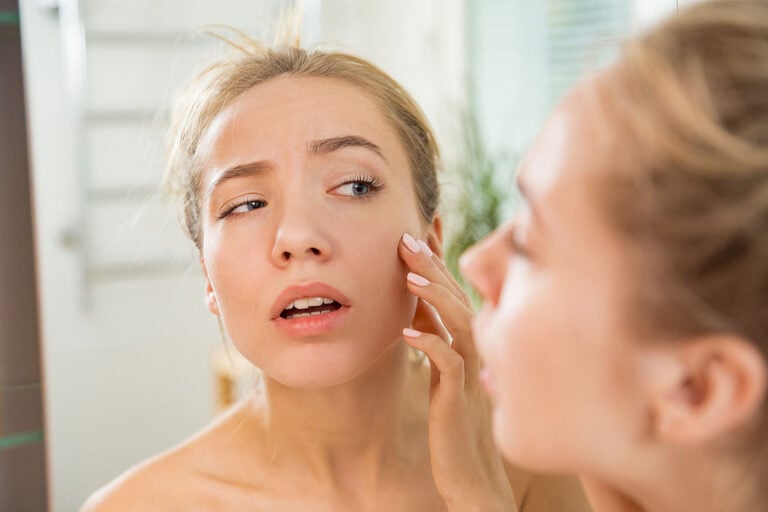

Here is how to hydrate dry skin: add water, then keep it from escaping. Apply a humectant serum, such as hyaluronic acid, to damp skin, then seal it in with a moisturizer that contains emollients and barrier-supporting lipids. Cleanse gently, avoid hot water, and add an overnight hydrating treatment when your skin feels especially tight.
That two-part approach matters because hydration and moisture are not the same thing. Understanding which one your skin lacks is the fastest way to stop the cycle of tightness, flaking and dullness.
What Is the Difference Between Dry and Dehydrated Skin?
Dry skin lacks oil, while dehydrated skin lacks water. Dry skin is a skin type you are largely born with. Dehydrated skin is a temporary condition that any skin type can experience, including oily skin.
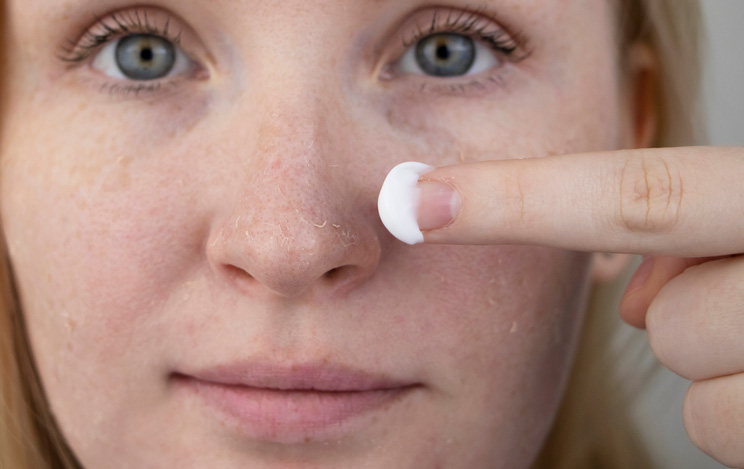
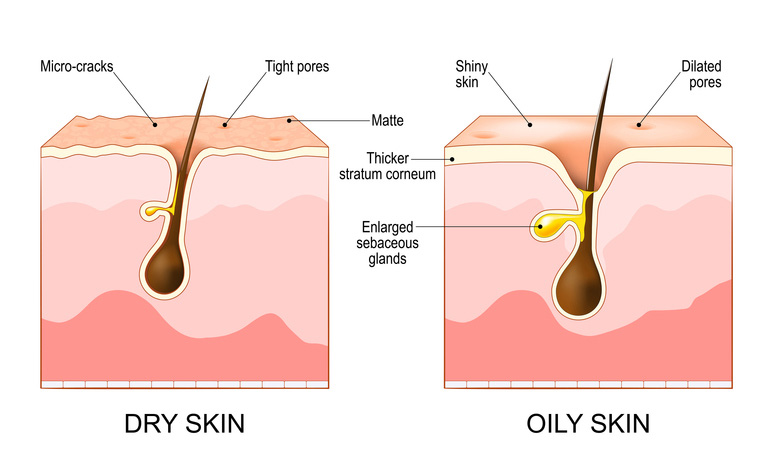
Dry skin produces less sebum, so the protective lipid layer on the surface is thinner. Without that layer, water evaporates from the skin more easily, a process called transepidermal water loss. The result is skin that feels rough, looks flaky and may itch.
Dehydrated skin, by contrast, has a water deficit. It is usually triggered by outside factors: cold or dry air, indoor heating and air conditioning, long hot showers, harsh cleansers, over-exfoliation, travel or not drinking enough water. It can look dull and feel tight, even when the surface still produces oil.
The difference is subtle but important. Dry skin needs both water and oil-based ingredients. Dehydrated skin primarily needs water, delivered in textures that do not overwhelm it. Many people have both at once, especially in colder months.
What Are the Signs Your Skin Needs More Hydration?
The clearest signs are tightness after cleansing, visible flaking, a dull or flat-looking complexion, and fine, crisscrossing lines that soften when you apply moisture.
- Tightness. Skin feels stretched or uncomfortable, especially after washing.
- Flaking or rough patches. Dead cells cling to the surface instead of shedding smoothly.
- Dullness. Dehydrated skin reflects less light, so the complexion looks tired.
- Dehydration lines. Fine, shallow lines appear across the cheeks or forehead and fade once skin is hydrated. These are different from true fine lines and wrinkles, which remain visible even when skin is well moisturized.
- Makeup that clings. Foundation catches on dry patches and settles into lines.
- Increased sensitivity. A compromised barrier lets irritants in more easily, so products that never bothered you may start to sting.

A simple test: gently pinch the skin on your cheek. If it creases into fine lines rather than bouncing back, dehydration is likely part of the picture.
Which Ingredients Hydrate Dry Skin Best?
The best hydrating routines combine three types of ingredients: humectants that attract water, emollients that smooth and soften, and occlusives or lipids that seal moisture in.
- Humectants. Hyaluronic acid, glycerin and sodium PCA draw water into the outer layers of the skin. Hyaluronic acid is especially effective because it can hold many times its weight in water. Using different sizes of hyaluronic acid molecules lets hydration reach different depths.
- Emollients. Plant oils and butters, such as shea butter, rose hip oil and sweet almond, fill the gaps between skin cells so the surface feels smoother and softer.
- Barrier lipids. Ceramides are a natural part of the skin barrier. Replenishing them helps the skin hold on to water.
- Supporting actives. Niacinamide helps strengthen the barrier, and panthenol, a form of vitamin B5, soothes and attracts moisture.
In practice, this means one hydrating serum and one well-matched moisturizer usually do more than several thin layers of the same type of product.
How to Hydrate Dry Skin: In What Order Should You Layer Products?

Layer from the lightest, most water-based texture to the richest, and apply each step while the skin is still slightly damp. Damp skin gives humectants more water to work with.
Step 1: Start With a Gentle Cleanser
Choose a creamy, non-foaming or low-foaming cleanser that removes makeup and debris without stripping natural lipids. Use lukewarm water, never hot, and pat the skin dry with a soft towel, leaving it slightly damp.

Step 2: Apply a Hydrating Serum
Smooth a hyaluronic acid serum over the face and neck within a minute of cleansing. This is the step that delivers water to the skin.
Step 3: Seal It In With Moisturizer
Follow immediately with a moisturizer. Dry skin benefits from richer creams with emollients and lipids. Dehydrated skin that is also oily may prefer a lighter lotion. The moisturizer is what keeps the serum’s hydration from evaporating.
Step 4: Protect During the Day
Finish your morning routine with a broad-spectrum sunscreen of SPF 30 or higher. Sun exposure dries and damages the barrier. A hydrating sunscreen such as PCA Skin Hydrator Plus Broad Spectrum SPF 30, which the brand recommends for dry or dehydrated skin, can double as a final moisturizing layer.
Step 5: Add Overnight Hydration

Two to three nights a week, or nightly in very dry weather, apply an overnight mask over your moisturizer. Sleep is when the skin does much of its repair work, and an occlusive overnight layer reduces water loss while you rest.
Which PCA Skin Products Help Restore Moisture?
Four PCA Skin products work together as a complete hydration plan, with the Hyaluronic Acid Boosting Serum at the center.
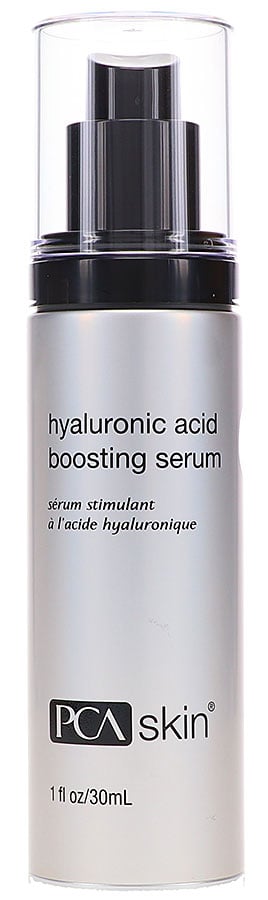
PCA Skin Hyaluronic Acid Boosting Serum is the anchor of this plan. It combines hyaluronic acid with smaller hydrolyzed hyaluronic acid, so hydration works at the surface and deeper in the skin, plus the brand’s HA-Pro Complex, which is designed to support the skin’s own hyaluronic acid production. Niacinamide and ceramides support the barrier, helping the skin hold on to that hydration. Apply it morning and evening after cleansing, then follow with moisturizer.
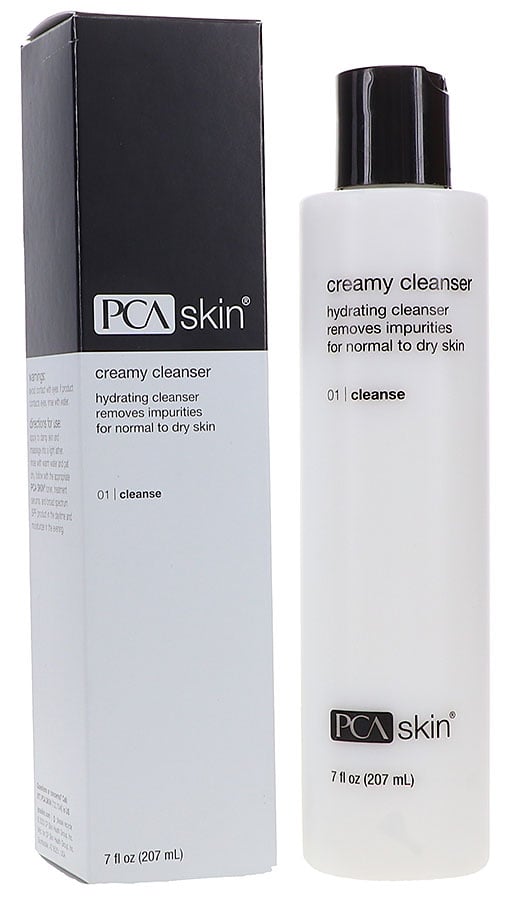
PCA Skin Creamy Cleanser keeps the first step gentle. It removes dirt, debris and makeup without stripping necessary moisture, and its nourishing blend includes rose hip oil, sunflower seed oil and aloe vera. Skin feels soft and comfortable after rinsing, not tight.
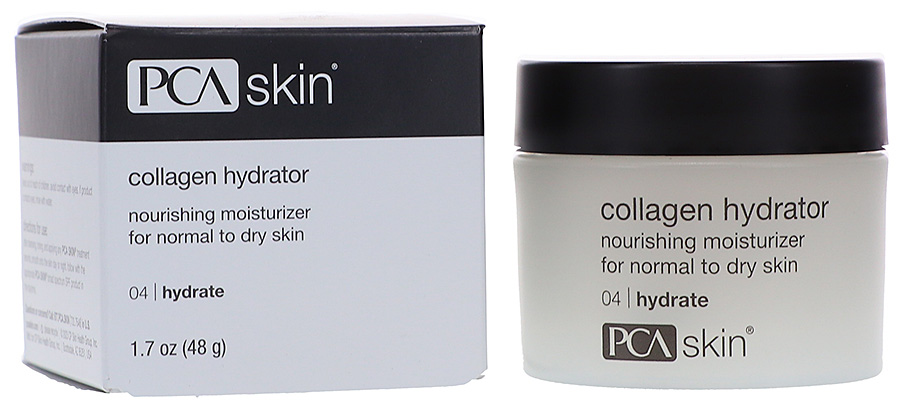
PCA Skin Collagen Hydrator is a rich moisturizer designed for dry and mature skin. Shea butter softens without greasiness, sweet almond fruit extract leaves a smoothing film, olive fruit oil adds antioxidant protection, and sodium hyaluronate adds another layer of humectant hydration. Use it at night, and during the day whenever your skin needs extra moisture.
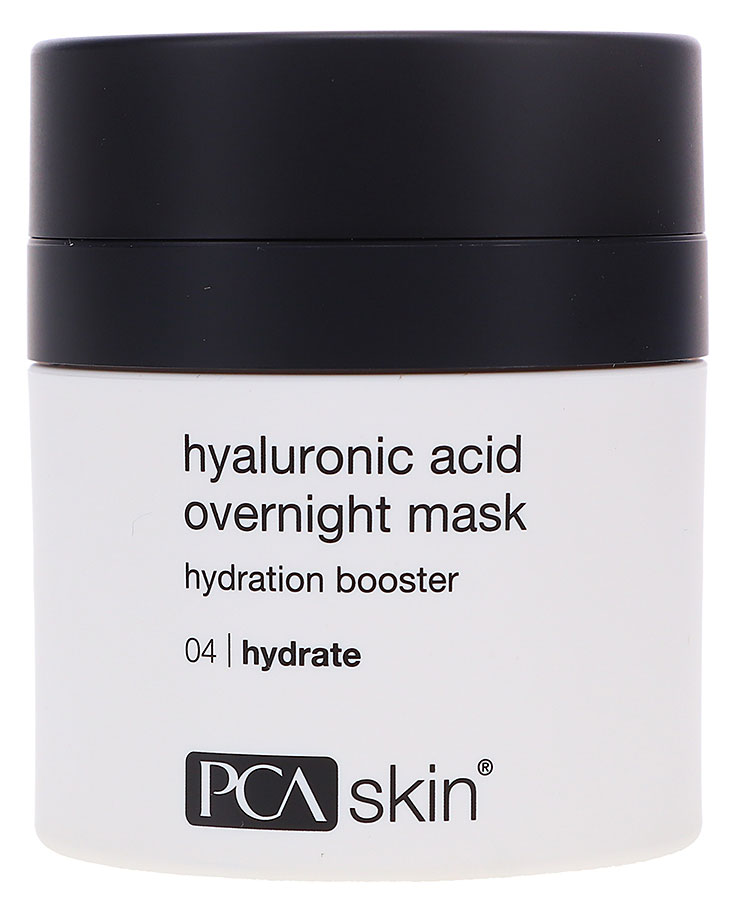
PCA Skin Hyaluronic Acid Overnight Mask is the intensive step. High molecular weight sodium hyaluronate helps reduce water loss at the surface, hydrolyzed hyaluronic acid penetrates deeper, and niacinamide and panthenol support a calm, healthy barrier. Smooth it over your serum and moisturizer at night, nightly or as needed, and wake up to softer, more luminous skin.
If you also want to address dullness, lines or breakouts, see how these products fit with other PCA Skin products by skin concern.
Which Daily Habits Keep Skin Hydrated?
Daily habits matter as much as products, because they determine how much moisture your skin loses between applications.

- Shorten hot showers. Hot water dissolves the skin’s natural lipids. Keep showers warm and brief.
- Use a humidifier. Indoor heating and air conditioning pull moisture from the air and from your skin.
- Moisturize within a minute of washing. Applying products to damp skin locks in more water.
- Do not over-exfoliate. Once or twice a week is plenty for dry skin. Excess exfoliation weakens the barrier.
- Drink water and eat healthy fats. Diet will not replace topical care, but it supports overall skin health.
- Protect your skin outdoors. Wind and cold strip moisture fast, so wear sunscreen and consider a scarf in harsh weather.
Frequently Asked Questions About Hydrating Dry Skin
What is the fastest way to hydrate dry skin?
The fastest way is to apply a hyaluronic acid serum to damp skin and seal it immediately with a rich moisturizer. Most people feel the difference in tightness within minutes.
Can you use hyaluronic acid on very dry skin?
Yes, as long as you seal it with a moisturizer. In very dry air, hyaluronic acid works best layered under an emollient cream that keeps the water it attracts from evaporating.
Is dehydrated skin the same as dry skin?
No. Dehydrated skin lacks water and can happen to any skin type, while dry skin is a skin type that lacks oil. Many people experience both at once.
Should you use an overnight mask every night?
You can if your skin is very dry, but two to three nights a week is enough for most people. Use it more often in winter or after travel.
Why does my skin still feel dry after moisturizing?
Usually because the barrier is compromised or the routine lacks a humectant. A harsh cleanser, hot water or over-exfoliation can undo your moisturizer’s work, so start by making those steps gentler.
AI-assisted, human-verified. At LaLaDaisy.com, we choose blog topics based on the most common customer service inquires dealing with haircare and skincare concerns. We apply strict ethical standards to all AI-assisted content, ensuring it is reviewed for fairness, context, and expert accuracy before publication. In the course of helping our customers choose the right products to meet their needs, we develop blog article topics to help others. Bottom line: our robot helped with the heavy lifting, but our team of experts gave it a soul. Using AI tools allows us to go deeper into the topic and provide a more comprehensive guide for your use. At LaLadaisy.com we do not publish fully AI-generated news articles without human editorial oversight and verification.