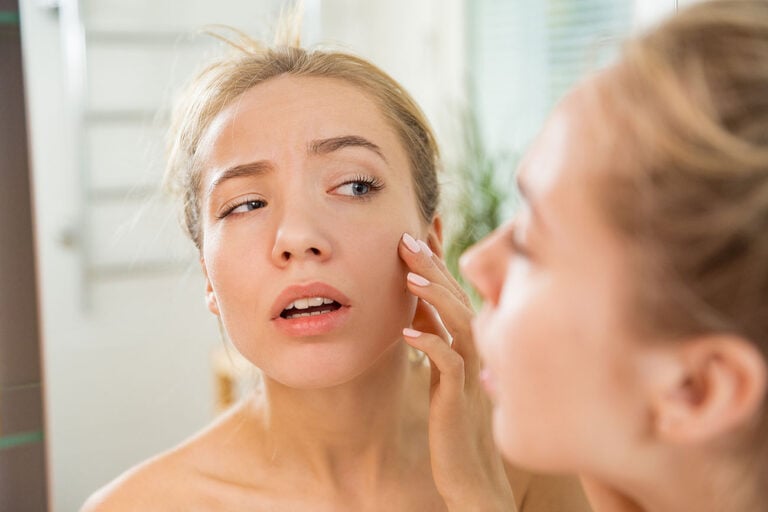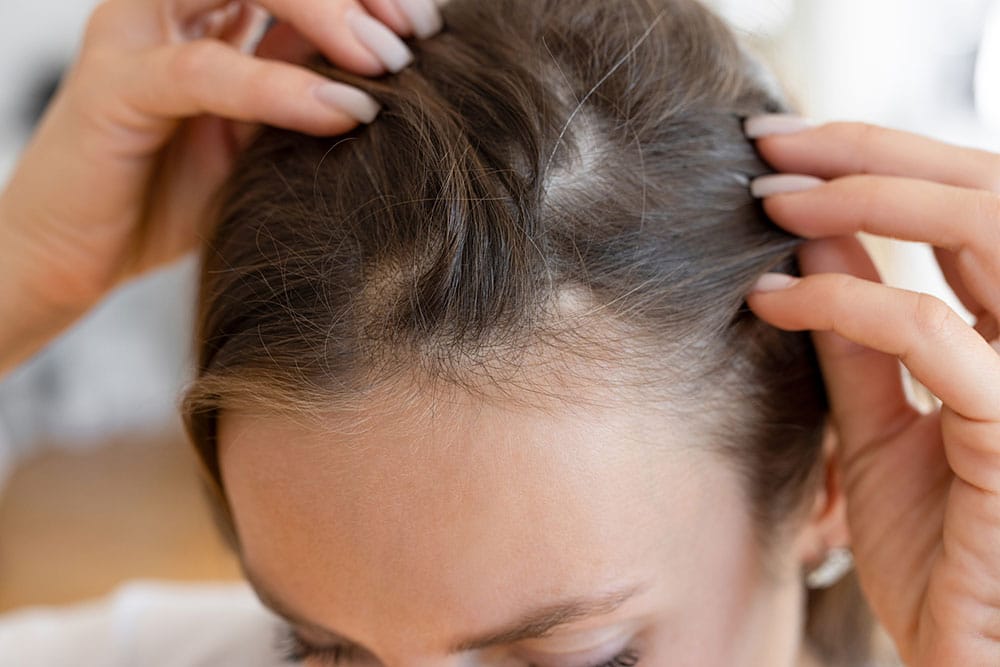

Scalp care for hair growth is less about “magic” and more about creating the healthiest possible environment for hair to thrive: clean follicles, lower irritation, balanced oil, and minimal buildup.
Cosmetic routines can’t override genetics or medical causes, but they can make a real difference in how healthy your scalp feels—and how strong and full your hair looks over time. If you’re building a complete system, read our guide to building a complete professional haircare routine, because scalp health is the foundation of everything else you do.

Scalp care for hair growth: the non-negotiables
A reliable scalp routine is simple:
- Clean consistently (not aggressively)
- Rinse thoroughly
- Minimize buildup at the roots
- Add gentle maintenance when needed
When people struggle with scalp issues, it’s often not lack of products—it’s inconsistent cleansing, residue, or irritation from overdoing it.
Step 1: Identify your scalp pattern (oily, dry, sensitive, flaky)
Oily scalp
Signs: grease within 24–48 hours, flat roots, frequent itch from oil/buildup.
What helps: consistent cleansing, lighter root styling, and an occasional reset wash.
Dry scalp

Signs: tightness after washing, papery flakes, winter itch.
What helps: gentler cleansing, lukewarm water, and avoiding harsh scrubs.
Sensitive scalp
Signs: stinging, redness, reactivity, easily irritated hairline.
What helps: simple, gentle routines and fewer product changes.
Flaky scalp
Flakes can come from dryness, oil/buildup, or irritation. If redness or persistent symptoms occur, consider professional guidance. Otherwise, a gentle cleanse + smart maintenance usually improves comfort quickly.
The goal of scalp care for hair growth is comfort and consistency, not harsh “deep cleaning.”
Step 2: Understand buildup (it matters more than most people realize)
Buildup comes from:
- Dry shampoo
- Styling creams, gels, sprays
- Oils and serums used too close to the scalp
- Hard water minerals
- Sweat, pollution, and dead skin
Common signs of buildup:
- Roots collapse quickly even after washing
- Scalp itches within hours
- Hair looks dull or “coated”
- Curls lose definition and feel heavy
- You need more product to get the same styling results
When buildup is the issue, adding more oils or masks at the roots often makes the problem worse.
Step 3: Clean the scalp correctly (technique beats intensity)
If you want scalp care for hair growth to work, focus on technique:
- Wet hair thoroughly first (rushing this step reduces cleansing).
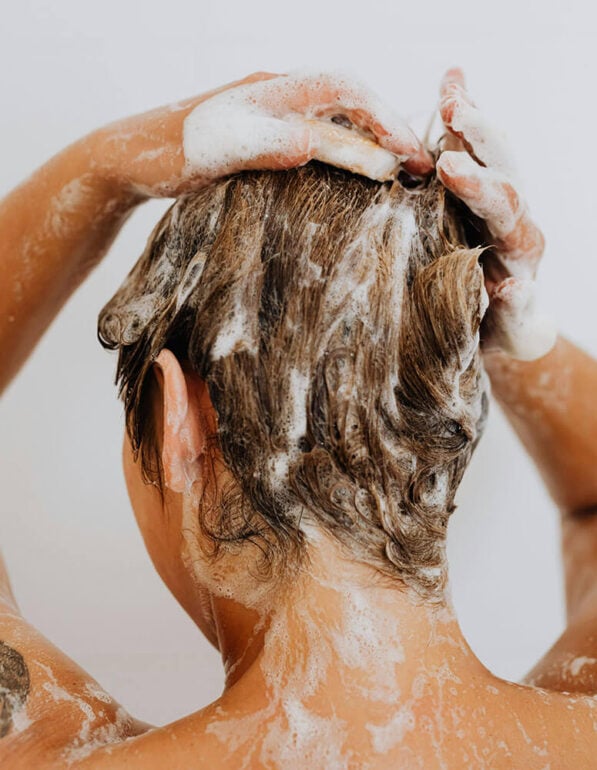
- Apply shampoo mainly to the scalp and hairline.
- Massage with fingertips, not nails, for 30–60 seconds.
- Let the foam rinse through lengths rather than scrubbing ends.
- Rinse longer than you think—especially at the crown and nape.
Many “dry scalp” complaints are actually leftover product. Thorough rinsing is a surprisingly powerful fix.
Step 4: Add exfoliation only when you need it
Scalp exfoliation can help when buildup and dead skin accumulate. There are two common approaches:

- Gentle chemical exfoliation (often easier on sensitive scalps)
- Soft physical exfoliation (must be very gentle)
Frequency:
- Usually 1x weekly for heavy buildup
- Every other week for dry/sensitive scalps
- Stop or reduce if irritation increases
Avoid:
- Aggressive scrubbing with nails
- Over-exfoliating (can worsen redness and itch)
If you’re using dry shampoo regularly, a weekly maintenance step often makes scalp care for hair growth feel dramatically more effective.
Step 5: Scalp massage (helpful, but keep expectations realistic)
Massage can feel amazing and may support relaxation and circulation, but it’s not a guaranteed growth method. Use it as a supportive habit:
- 2–3 minutes, gentle pressure
- Clean hands
- No scratching
Pair massage with consistent cleansing and reduced buildup for the best “scalp feels better” outcome.
Lifestyle habits that support healthier-looking hair
A strong scalp care for hair growth plan also includes:
- Avoiding tight hairstyles that pull at roots
- Protecting the scalp from sun exposure (especially along the part)
- Keeping heat tools away from the scalp
- Washing brushes regularly (they hold oil and residue)
- Changing pillowcases frequently if you use styling products
These are small, low-effort habits that reduce irritation triggers.
Common mistakes (and the fixes)
Mistake 1: Applying heavy oils to the scalp daily
This can trap buildup and worsen itch.
Fix: keep oils on ends unless a product is designed for scalp use.
Mistake 2: Clarifying too frequently
Over-clarifying can inflame the scalp.
Fix: clarify only when residue is real, and keep your “default” shampoo gentle.
Mistake 3: Skipping washes to “train” the scalp
Many people end up with more buildup and irritation.
Fix: wash based on comfort and oil level, not internet rules.
Mistake 4: Using conditioner on the scalp
Conditioner can leave residue at roots.
Fix: condition mid-lengths to ends only.

A simple weekly scalp schedule (easy to follow)
- Most washes: gentle shampoo focused on scalp + thorough rinse
- 1x weekly (or biweekly): scalp exfoliant or clarifying wash if buildup is high
- Every wash: conditioner on lengths only
- Always: avoid heavy root layering and keep styling minimal near the scalp
Don’t forget to consider your scalp type. For best results, selecting a shampoo for your hair scalp type can make a remarkable difference.
When scalp care can’t solve it alone
Scalp care for hair growth works best for everyday buildup, oil balance, and comfort—but some situations deserve extra support. Consider talking to a dermatologist if you notice:
- Sudden shedding or patchy loss
- Persistent redness, burning, or thick scaling
- Painful bumps or sores
- Flakes that don’t improve after consistent routine changes
That guidance doesn’t replace your routine; it helps you choose the safest path forward.
Product layering rules at the roots
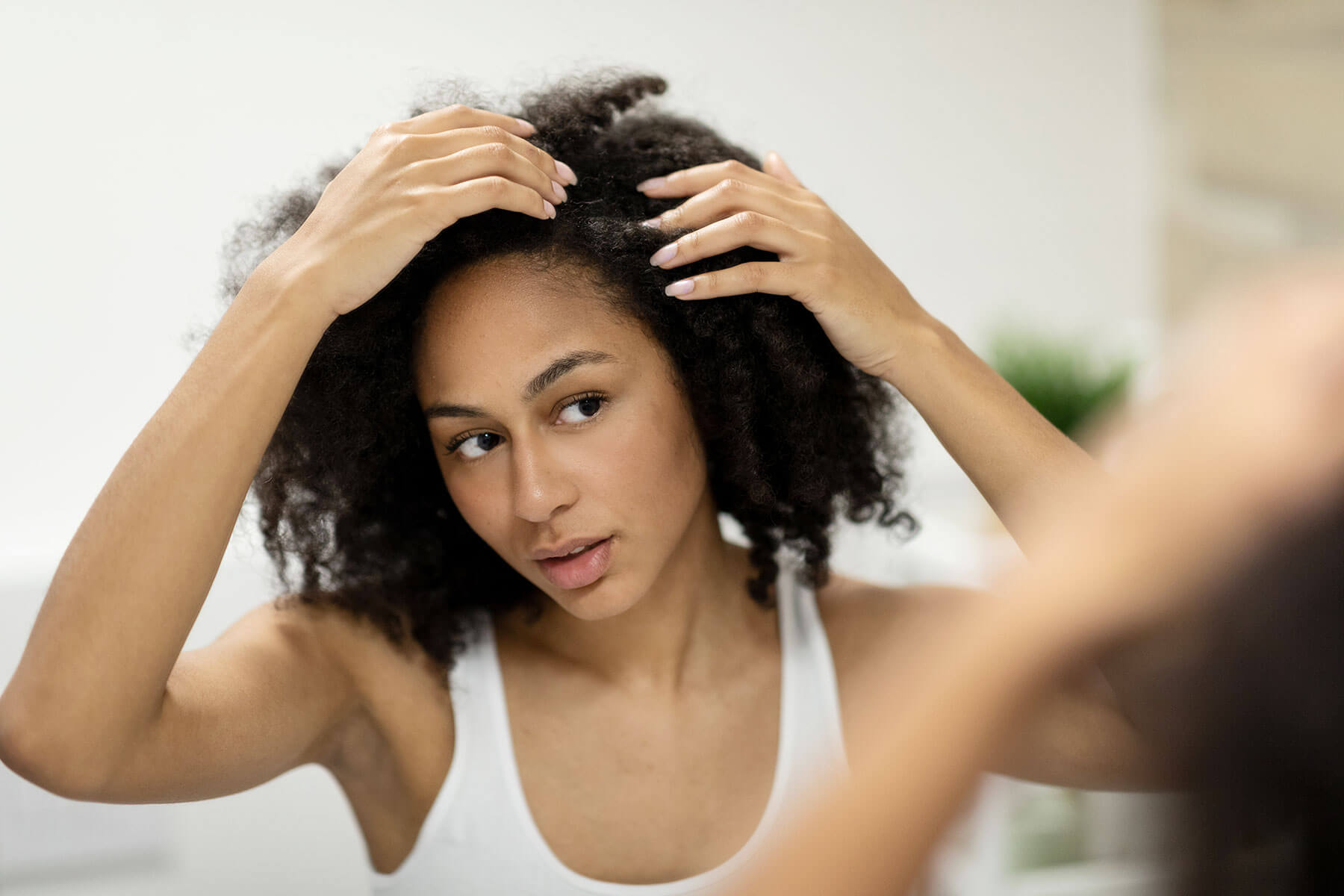
A simple way to make scalp care for hair growth more effective is to keep the root area “light.” Limit the number of products you apply directly on the scalp (especially oils and heavy creams). If you need a leave-in, apply it from mid-lengths down. Keeping roots cleaner makes scalp care for hair growth feel easier—and it makes your shampoo work better.
When scalp care for hair growth focuses on gentle cleansing, reduced buildup, and consistent habits, most people notice a calmer scalp and healthier-looking hair within a few weeks—and scalp care for hair growth becomes a routine you can actually maintain.
AI-assisted, human-verified. At LaLaDaisy.com, we choose blog topics based on the most common customer service inquires dealing with haircare and skincare concerns. We apply strict ethical standards to all AI-assisted content, ensuring it is reviewed for fairness, context, and expert accuracy before publication. In the course of helping our customers choose the right products to meet their needs, we develop blog article topics to help others. Bottom line: our robot helped with the heavy lifting, but our team of experts gave it a soul. Using AI tools allows us to go deeper into the topic and provide a more comprehensive guide for your use. At LaLadaisy.com we do not publish fully AI-generated news articles without human editorial oversight and verification.