-
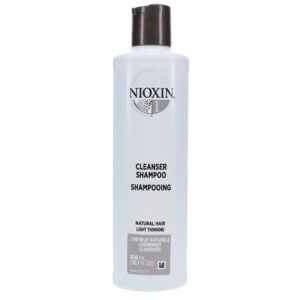 Nioxin Cleanser 1 Shampoo 10.1 oz
×
$14.991 × $14.99
Nioxin Cleanser 1 Shampoo 10.1 oz
×
$14.991 × $14.99 -
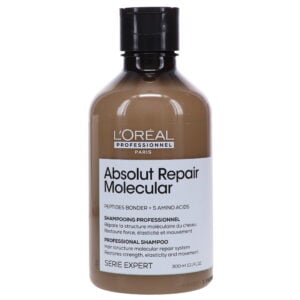 L'Oreal Professionnel Absolut Repair Molecular Shampoo 10.14 oz
×
$34.001 × $34.00
L'Oreal Professionnel Absolut Repair Molecular Shampoo 10.14 oz
×
$34.001 × $34.00 -
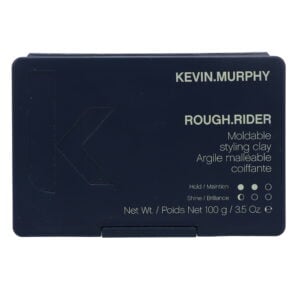 Kevin Murphy Rough Rider 3.4 oz
×
$33.501 × $33.50
Kevin Murphy Rough Rider 3.4 oz
×
$33.501 × $33.50 -
 Eminence Acne Advanced Clarifying Hydrator 1.2 oz
×
$45.001 × $45.00
Eminence Acne Advanced Clarifying Hydrator 1.2 oz
×
$45.001 × $45.00 -
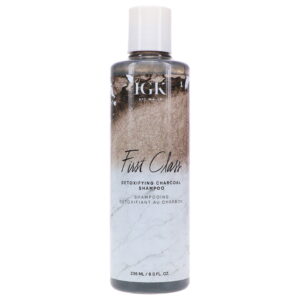 IGK First Class Detoxifying Charcoal Shampoo 8 oz
×
$18.901 × $18.90
IGK First Class Detoxifying Charcoal Shampoo 8 oz
×
$18.901 × $18.90 -
 IGK First Class Charcoal Detox Dry Shampoo 2 oz 2 Pack
×
$21.951 × $21.95
IGK First Class Charcoal Detox Dry Shampoo 2 oz 2 Pack
×
$21.951 × $21.95 -
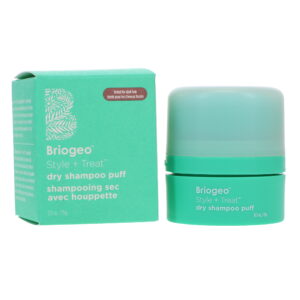 Briogeo Style + Treat Dry Shampoo Puff Tinted 0.5 oz
×
$23.801 × $23.80
Briogeo Style + Treat Dry Shampoo Puff Tinted 0.5 oz
×
$23.801 × $23.80 -
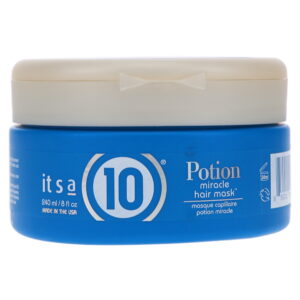 It's a 10 Potion 10 Miracle Hair Mask 8 oz
×
$24.951 × $24.95
It's a 10 Potion 10 Miracle Hair Mask 8 oz
×
$24.951 × $24.95 -
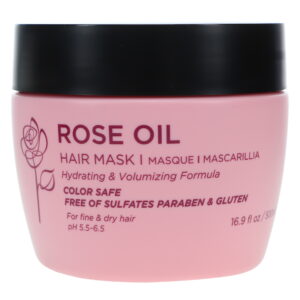 Luseta Rose Oil Hair Mask 16.9 oz
×
$30.601 × $30.60
Luseta Rose Oil Hair Mask 16.9 oz
×
$30.601 × $30.60 -
 Briogeo Style + Treat Yuzu + Plum Oil Sleek Stick 0.5 oz
×
$19.551 × $19.55
Briogeo Style + Treat Yuzu + Plum Oil Sleek Stick 0.5 oz
×
$19.551 × $19.55 -
 Luseta Biotin & Collagen Strengthening Oil Treatment 3.38 oz
×
$23.801 × $23.80
Luseta Biotin & Collagen Strengthening Oil Treatment 3.38 oz
×
$23.801 × $23.80 -
 ELEMIS Dynamic Resurfacing Pads 60 ct 2 Pack
×
$66.491 × $66.49
ELEMIS Dynamic Resurfacing Pads 60 ct 2 Pack
×
$66.491 × $66.49 -
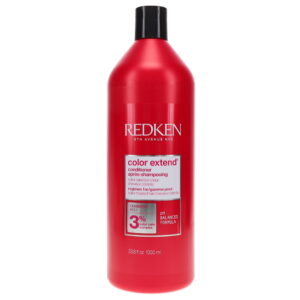 Redken Color Extend Conditioner 33.8 oz
×
$34.291 × $34.29
Redken Color Extend Conditioner 33.8 oz
×
$34.291 × $34.29 -
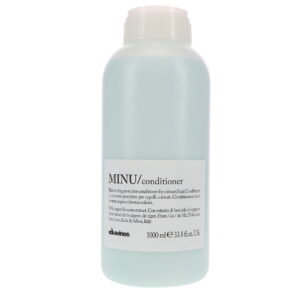 Davines MINU Illuminating Conditioner 33.81 oz
×
$87.991 × $87.99
Davines MINU Illuminating Conditioner 33.81 oz
×
$87.991 × $87.99 -
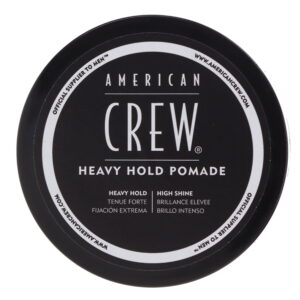 American Crew Heavy Hold Pomade 3 oz
×
$16.951 × $16.95
American Crew Heavy Hold Pomade 3 oz
×
$16.951 × $16.95 -
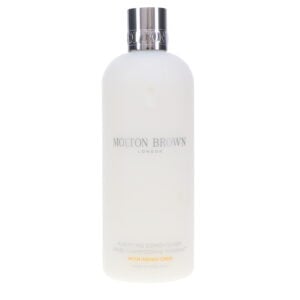 Molton Brown Purifying Conditioner 10 oz
×
$27.201 × $27.20
Molton Brown Purifying Conditioner 10 oz
×
$27.201 × $27.20 -
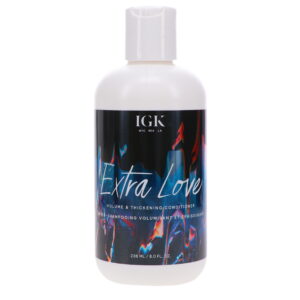 IGK Extra Love Volume & Thickening Conditioner 8 oz
×
$22.951 × $22.95
IGK Extra Love Volume & Thickening Conditioner 8 oz
×
$22.951 × $22.95 -
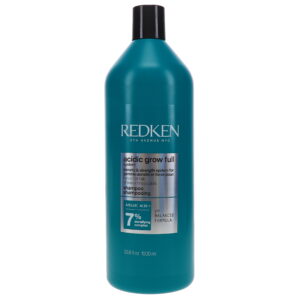 Redken Acidic Grow Full Shampoo 33.8 oz
×
$56.951 × $56.95
Redken Acidic Grow Full Shampoo 33.8 oz
×
$56.951 × $56.95 -
 Molton Brown Orange & Bergamot Hand Lotion 10 oz
×
$30.451 × $30.45
Molton Brown Orange & Bergamot Hand Lotion 10 oz
×
$30.451 × $30.45 -
 Alfaparf Milano Semi Di Lino Holiday Kit Density
×
$51.951 × $51.95
Alfaparf Milano Semi Di Lino Holiday Kit Density
×
$51.951 × $51.95 -
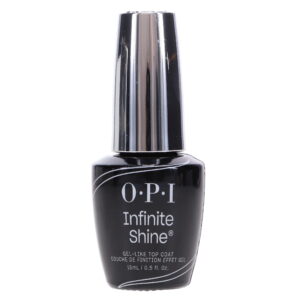 OPI Infinite Shine Top Coat Prostay Gloss 0.5 oz
×
$12.951 × $12.95
OPI Infinite Shine Top Coat Prostay Gloss 0.5 oz
×
$12.951 × $12.95 -
 Origins Wrinkle Correction Eye Cream with Encapsulated Retinol 0.5 oz
×
$52.701 × $52.70
Origins Wrinkle Correction Eye Cream with Encapsulated Retinol 0.5 oz
×
$52.701 × $52.70 -
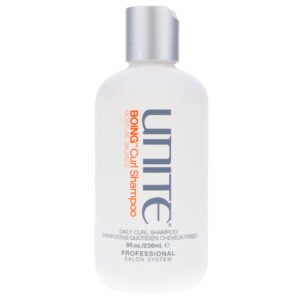 UNITE Hair Boing Curl Shampoo 8 oz
×
$23.951 × $23.95
UNITE Hair Boing Curl Shampoo 8 oz
×
$23.951 × $23.95 -
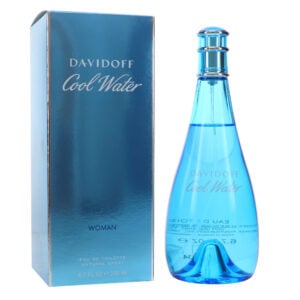 Davidoff Cool Water Eau de Toilette For Women 6.7 oz
×
$86.701 × $86.70
Davidoff Cool Water Eau de Toilette For Women 6.7 oz
×
$86.701 × $86.70 -
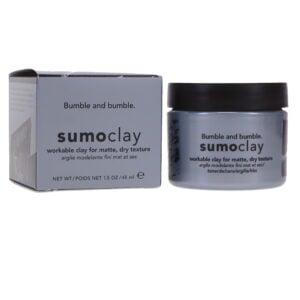 Bumble and bumble Sumoclay 1.5 oz
×
$31.451 × $31.45
Bumble and bumble Sumoclay 1.5 oz
×
$31.451 × $31.45 -
 Sexy Hair Big Sexy Hair Spray and Play Volumizing Hairspray 1.5 oz 3 Pack
×
$22.951 × $22.95
Sexy Hair Big Sexy Hair Spray and Play Volumizing Hairspray 1.5 oz 3 Pack
×
$22.951 × $22.95 -
 CLINIQUE All About Eyes Serum De-Puffing Eye Massage 0.5 oz
×
$35.701 × $35.70
CLINIQUE All About Eyes Serum De-Puffing Eye Massage 0.5 oz
×
$35.701 × $35.70 -
 PMD Clean Body Berry
×
$87.451 × $87.45
PMD Clean Body Berry
×
$87.451 × $87.45 -
 TIGI Catwalk Volume Collection Your Highness Conditioner 8.45 oz
×
$13.951 × $13.95
TIGI Catwalk Volume Collection Your Highness Conditioner 8.45 oz
×
$13.951 × $13.95

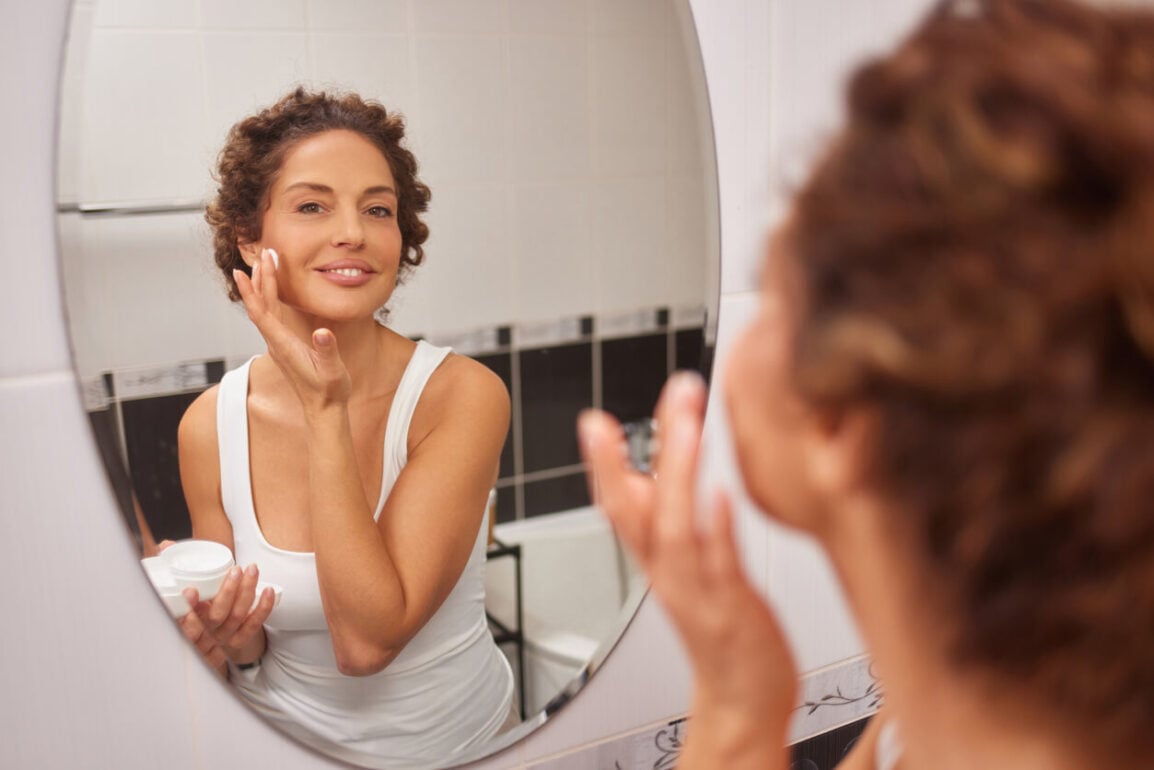

Vitamin C vs Retinol and Hyaluronic Acid. These are three of the most recommended skincare ingredients — but they serve very different purposes. Many people assume they do similar things or try to use them all at once without understanding how they interact. The result is often irritation, confusion, or inconsistent results.
When used strategically, however, these ingredients can work together to brighten, smooth, hydrate, and protect your skin.
This guide explains exactly what each ingredient does, who should use it, when to apply it, and how to build a routine that maximizes results while minimizing irritation.
What Does Vitamin C Do?
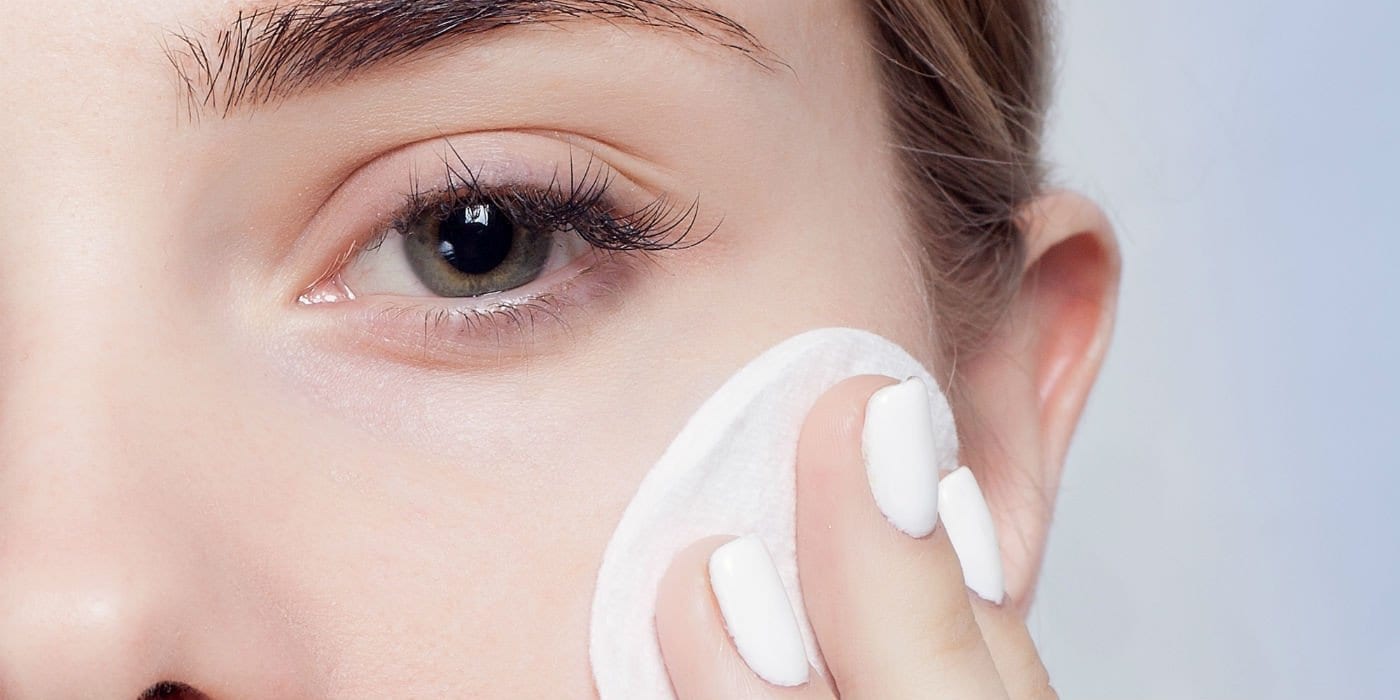
Vitamin C is a powerful antioxidant that protects the skin from environmental damage caused by free radicals. Pollution, UV exposure, and daily environmental stress can weaken collagen and accelerate visible aging. Vitamin C helps neutralize that damage.
Key Benefits of Vitamin C
- Brightens dull skin
- Improves uneven tone
- Reduces the appearance of dark spots
- Supports collagen production
- Enhances overall radiance
Over time, consistent use of a vitamin C serum can make skin appear more luminous and even.
When Should You Use Vitamin C?
Vitamin C is best applied in the morning. When layered under sunscreen, it boosts your skin’s defense against environmental stressors.
Morning routine example:
- Cleanser
- Vitamin C serum
- Hydrating serum (if needed)
- Moisturizer
- Sunscreen
Because vitamin C can be unstable, it’s important to choose a well-formulated serum and store it properly.
What Does Retinol Do?

Retinol is a derivative of vitamin A and one of the most studied anti-aging ingredients in dermatology. Unlike vitamin C, which primarily protects and brightens, retinol focuses on renewal and resurfacing.
Retinol works by accelerating cell turnover. As skin cells renew more efficiently, texture improves, and signs of aging appear softened.
Key Benefits of Retinol
- Reduces fine lines and wrinkles
- Improves uneven texture
- Minimizes breakouts
- Fades hyperpigmentation
- Refines the appearance of pores
Retinol stimulates collagen production over time, making it a long-term investment ingredient.
When Should You Use Retinol?
Retinol should only be used at night. It increases sun sensitivity, so applying it in the evening is essential.
Night routine example:
- Cleanser
- Hydrating serum
- Retinol
- Moisturizer
If you’re new to retinol, start with 2–3 nights per week and gradually increase usage as tolerated.
Mild dryness or flaking during the adjustment period is common. If irritation persists, reduce frequency and increase moisturizer use.
What Does Hyaluronic Acid Do?

Hyaluronic acid is completely different from vitamin C and retinol. It is not an exfoliant or antioxidant — it’s a humectant.
Humectants attract and bind water to the skin, helping maintain hydration and elasticity.
Key Benefits of Hyaluronic Acid
- Increases hydration
- Creates a plumper appearance
- Reduces the look of fine lines temporarily
- Supports barrier health
- Improves overall smoothness
Hyaluronic acid works well for all skin types, including oily and sensitive skin.
When Should You Use Hyaluronic Acid?
Hyaluronic acid can be used morning and night. It layers well under both vitamin C and retinol.
For best results:
- Apply to slightly damp skin
- Seal with moisturizer
Without a moisturizer on top, hyaluronic acid can lose effectiveness in dry environments.
Can You Use Vitamin C and Retinol Together?

Yes — but not at the same time in most cases.
For beginners or sensitive skin types, separating them is best:
Morning:
Vitamin C
Night:
Retinol
More experienced users may alternate nights or use advanced formulations designed for compatibility, but layering both in the same routine can increase irritation.
Hyaluronic acid, however, pairs safely with both.
Which Ingredient Should You Start With?
If you’re building a routine from scratch:
Step 1: Start with hyaluronic acid for hydration and barrier support.
Step 2: Add vitamin C in the morning for brightness.
Step 3: Introduce retinol gradually at night once your skin is stable.
Adding too many active ingredients at once is one of the most common skincare mistakes.
Choosing Based on Your Skin Goals
If your main goal is brightness:
Choose vitamin C.
If your main goal is anti-aging or acne control:
Choose retinol.
If your main goal is hydration:
Choose hyaluronic acid.
For most people, the ideal routine eventually includes all three — used at appropriate times.
Common Mistakes to Avoid

- Using retinol every night immediately
- Skipping sunscreen while using retinol
- Applying vitamin C and retinol together without tolerance
- Forgetting moisturizer after hyaluronic acid
- Switching products too frequently
Consistency delivers better results than intensity.
Vitamin C protects and brightens. Retinol creams renew and smooth. Hyaluronic acid hydrates and plumps. Each plays a unique role in a balanced skincare routine. For more information, read our full skincare routine order.
When used strategically, they complement one another rather than compete.
Explore professional face serums at LaLaDaisy to build a results-driven routine tailored to your skin goals.
AI-assisted, human-verified. At LaLaDaisy.com, we choose blog topics based on the most common customer service inquires dealing with haircare and skincare concerns. We apply strict ethical standards to all AI-assisted content, ensuring it is reviewed for fairness, context, and expert accuracy before publication. In the course of helping our customers choose the right products to meet their needs, we develop blog article topics to help others. Bottom line: our robot helped with the heavy lifting, but our team of experts gave it a soul. Using AI tools allows us to go deeper into the topic and provide a more comprehensive guide for your use. At LaLadaisy.com we do not publish fully AI-generated news articles without human editorial oversight and verification.