-
 OPI GelColor Malaga Wine 0.5 oz
×
$28.801 × $28.80
OPI GelColor Malaga Wine 0.5 oz
×
$28.801 × $28.80

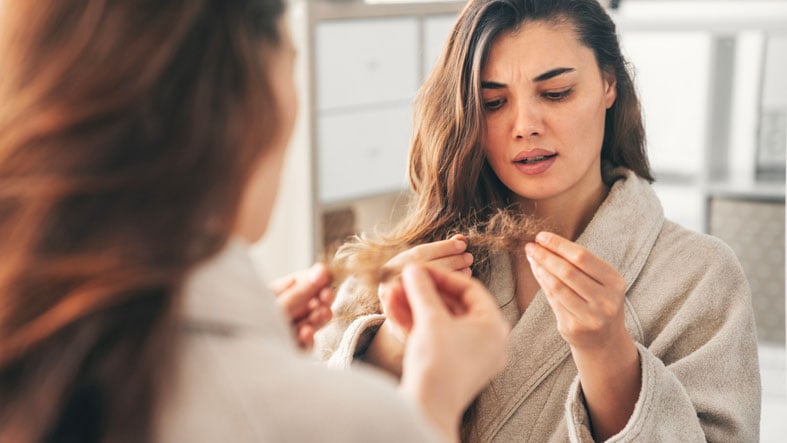

Damaged hair and tangled hair tend to arrive together, and each one makes the other worse. A compromised cuticle catches on itself more easily, and every rough detangling session chips away a little more of that same cuticle. Breaking that cycle requires a slightly different approach than detangling healthy hair, one that treats each session as an opportunity to protect the strand rather than simply push through the knot as quickly as possible.
Why Damaged Hair Tangles More Than Healthy Hair
The outermost layer of a healthy strand, the cuticle, is made of thin, overlapping cells that lie flat when hair is undamaged. Chemical services such as color, lightening, relaxing, and keratin treatments lift and roughen those cells. Repeated heat styling does the same thing thermally, and years of sun exposure or harsh brushing add mechanical wear on top of both. The result is a strand surface covered in microscopic raised edges rather than a smooth shingle pattern.
When two damaged strands cross, those raised edges catch on each other instead of sliding past. Multiply that across thousands of strands and the result is the dense, resistant tangling that seems to reappear no matter how carefully hair is combed. This is also why damaged hair often tangles in the same spots repeatedly, usually at the ends where the most processing time and heat exposure has accumulated, since older hair has simply endured more damage than the hair closest to the scalp.
The Real Risk: Breakage, Not Just Knots

The reason damaged hair detangling deserves particular care is that breakage during this process is cumulative and largely irreversible. Hair does not repair a snapped strand the way skin heals a cut. Once a strand breaks, that length is gone until it grows back out. Aggressive detangling on already-weakened hair is one of the most common, and most avoidable, sources of ongoing length loss and thinning-looking ends.
This means the goal of a damaged-hair detangling routine is not speed. It is minimizing the mechanical stress placed on the strand at every step, from the moment product is applied to the final pass of the comb.
A Step-by-Step Routine for Detangling Damaged Hair

- Apply a leave-in product to soaking wet hair, immediately after rinsing out conditioner. Hair is at its most pliable when fully saturated, and product distributes most evenly at this stage. UNITE 7SECONDS Detangler is formulated specifically to smooth a compromised cuticle on contact, using hydrolyzed rice protein and panthenol to reinforce and hydrate the strand while conditioning agents reduce surface friction.
- Section hair into four to six manageable panels rather than attempting to detangle the whole head at once. Working in sections means each pass of the comb only has to move through a smaller amount of hair, reducing tension at any single point.
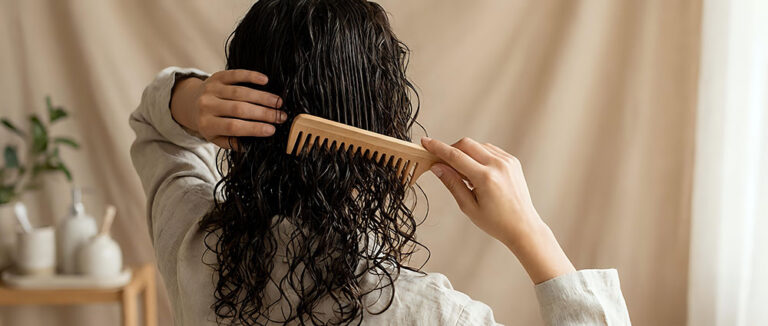
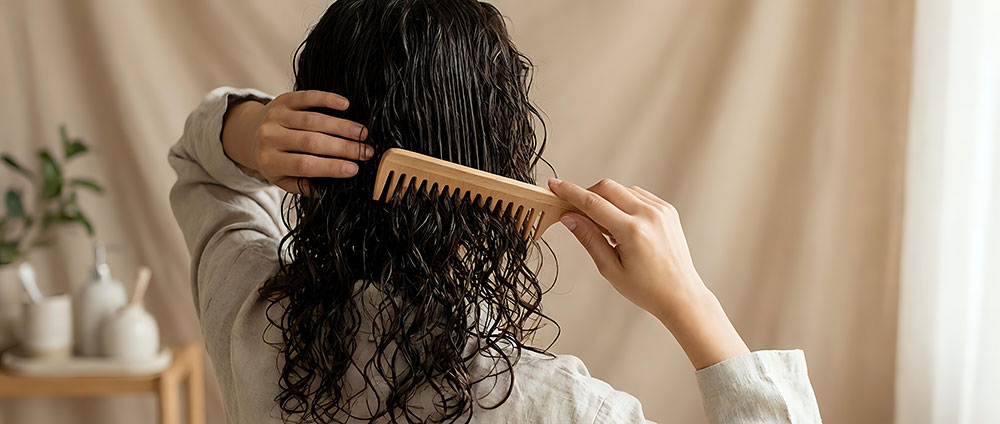
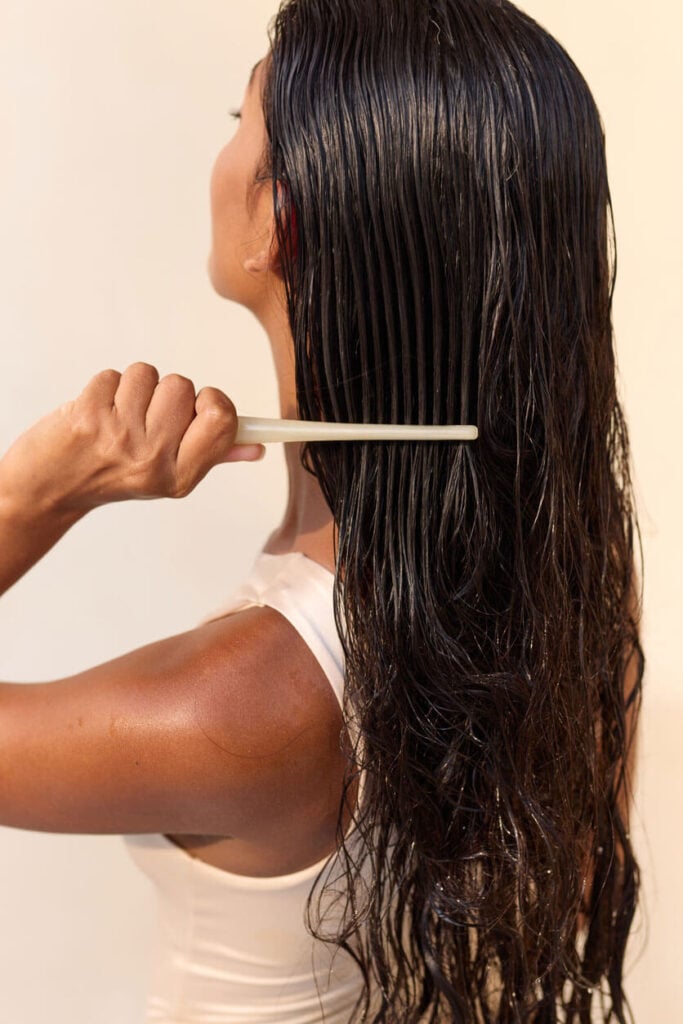
- Use a wide-tooth comb, not a brush, for the initial pass. Brush bristles concentrate force into small contact points, while a wide-tooth comb distributes pressure more evenly across the strand.
- Start at the very ends of each section and work upward in small increments. Clear the bottom inch or two completely before moving up to the next portion. This prevents pushing a knot from the mid-length down into an already-tangled area at the ends, which is how small knots become large, dense mats.
- Hold the section above the knot with your free hand while combing below it. This anchors the hair near the scalp and ensures that tension from detangling pulls against your hand rather than against the root, which reduces both pain and traction-related breakage.
- Reapply a small amount of additional product directly to any particularly stubborn knot before continuing to work through it, rather than pulling harder with the same amount of slip already in the hair.
Supporting the Strand Between Detangling Sessions

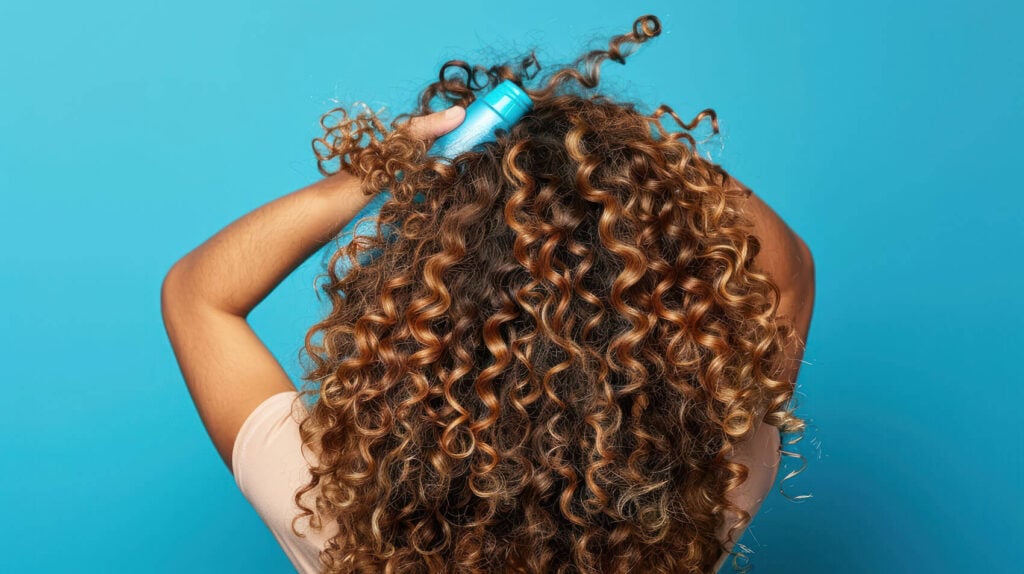
A leave-in detangler addresses the moment-to-moment friction problem, but hair that is significantly damaged benefits from a deeper, less frequent treatment to rebuild strength between washes. The UNITE 7SECONDS Mask is designed for exactly this purpose, delivering a more concentrated dose of repairing protein in a rinse-out format intended for use once or twice weekly. Used alongside the leave-in detangler, the mask addresses the underlying structural damage while the leave-in manages daily friction, and together they reduce the amount of new breakage that occurs during each detangling session.
Cleansing choices matter as well. Sulfate-heavy shampoos can further roughen an already compromised cuticle, so pairing the routine with the UNITE 7SECONDS Shampoo and Conditioner keeps the entire wash-day process aligned around the same repairing ingredients rather than working against them.
Once hair is detangled and repaired, many people want to move toward smoother, more polished results when they style. If that is the goal, a frizz-free blowout routine at home is worth building into the same overall system, since detangled, well-conditioned hair responds far better to heat styling than hair that is still fighting knots and rough cuticle.
This step-by-step approach works best as part of a broader system rather than in isolation. For a full breakdown of the ingredients, application amounts, and how this routine fits together with cleansing and styling, the complete guide to the UNITE 7SECONDS Detangler system covers the entire process from wash day to finished style.
Preventing Tangles Before They Start
Beyond the detangling session itself, a few habits reduce how often damaged hair tangles in daily life. Switching to a silk or satin pillowcase reduces the friction hair experiences overnight compared to cotton, which is abrasive enough to roughen an already fragile cuticle further. Loosely braiding hair before bed keeps strands from crossing each other repeatedly through the night. Reducing the frequency of high-heat styling, or consistently using a heat protectant when it is unavoidable, slows the rate at which new damage accumulates in the first place.
How Long Before Damaged Hair Feels Noticeably Easier to Detangle

Most people notice a difference in combing resistance the very first time they use a leave-in product formulated with reinforcing proteins, simply because the cuticle is smoothed on contact. The deeper structural improvement, where hair feels genuinely stronger rather than just temporarily smoother, tends to build over four to six weeks of consistent use, paired with a weekly repairing mask. Hair growth is slow, so existing damaged lengths will not fully reverse until they grow out, but the rate of new breakage during detangling can drop noticeably within the first few washes.
Frequently Asked Questions
Is it normal for damaged hair to tangle even right after washing?
Yes. A rough cuticle surface catches on itself as soon as strands come into contact, which can happen even while hair is still wet in the shower. This is a sign that the cuticle needs both immediate smoothing and longer-term protein repair.
How often should a leave-in detangler be used on damaged hair?
It can be used after every wash. Because it is designed to remain on the hair throughout the day rather than rinse out, there is no benefit to skipping applications, and consistent use is what produces a cumulative improvement over time.
Should I detangle before or after applying a deep conditioning mask?
Apply the mask first, let it process, then detangle while the mask is still in the hair and the strand is at its most pliable, before the final rinse.
Can detangling damaged hair ever be pain-free?
It can be significantly more comfortable, though very matted or severely damaged hair may still require patience across multiple short sessions rather than one long one. Anchoring the hair above each knot and working section by section makes the biggest difference in comfort.
What is the single biggest mistake people make with damaged, tangled hair?
Brushing it dry with a standard brush. Dry, damaged hair has the least flexibility of any state it will be in, and a hard brush concentrates force in a way that maximizes breakage risk.
AI-assisted, human-verified. At LaLaDaisy.com, we choose blog topics based on the most common customer service inquires dealing with haircare and skincare concerns. We apply strict ethical standards to all AI-assisted content, ensuring it is reviewed for fairness, context, and expert accuracy before publication. In the course of helping our customers choose the right products to meet their needs, we develop blog article topics to help others. Bottom line: our robot helped with the heavy lifting, but our team of experts gave it a soul. Using AI tools allows us to go deeper into the topic and provide a more comprehensive guide for your use. At LaLadaisy.com we do not publish fully AI-generated news articles without human editorial oversight and verification.