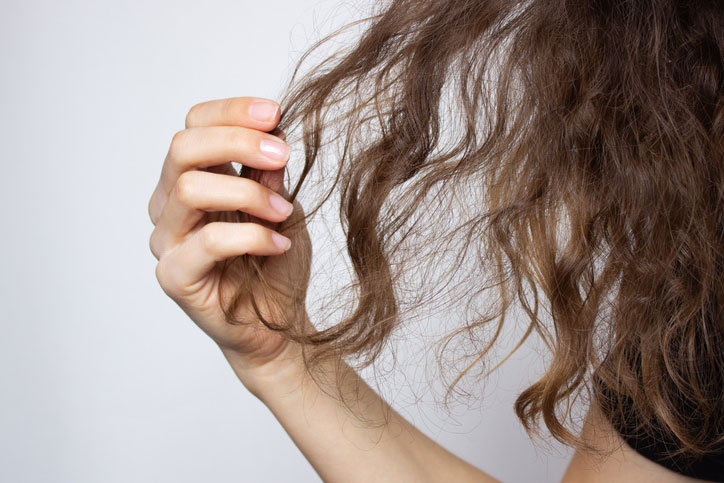
What Clarifying Shampoo Does

Clarifying shampoo is formulated with a stronger cleansing system than a daily shampoo, built specifically to remove styling product residue, excess oil, and mineral deposits that accumulate on the scalp and hair shaft over time. Where an everyday shampoo is designed for gentle, frequent use, a clarifying formula is designed for periodic, thorough reset — which is exactly why how often to use clarifying shampoo is one of the most common questions people ask once they understand what it actually does.
Used at the right frequency, clarifying shampoo can meaningfully reduce scalp buildup, restore volume weighed down by residue, and help color, styling products, and treatments perform as intended. Used too often, however, the same strength that makes it effective can start stripping more moisture than hair can comfortably replace.
Who Needs Clarifying
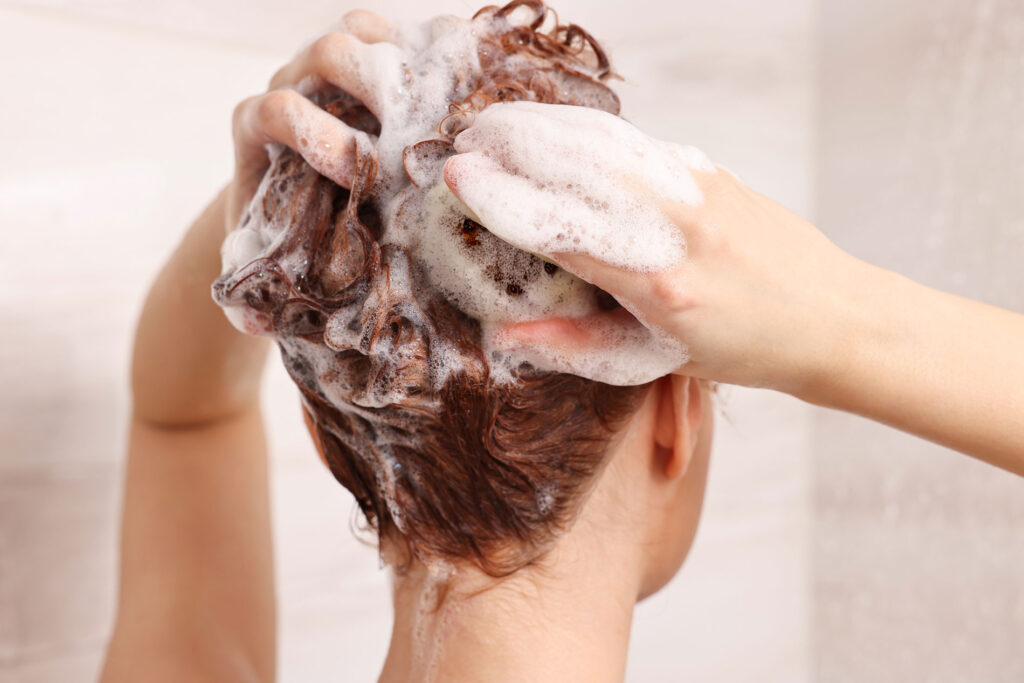
Your lifestyle can affect how often to use clarifying shampoo. Not everyone needs to clarify on the same schedule, and some people benefit from it more than others based on lifestyle and product habits rather than hair type alone. Heavy users of styling products — particularly gels, mousses, dry shampoo, and heat protectants — accumulate residue faster than people with a minimal styling routine. Frequent gym-goers and anyone who sweats heavily on a regular basis also tend to need more frequent clarifying, since sweat combines with oil and product to create a stickier, more resistant layer.
People in hard water areas are another group who typically benefit from more regular clarifying, since mineral deposits build independently of product use. On the other end of the spectrum, anyone with naturally dry, curly, or infrequently styled hair usually needs clarifying far less often, since there is simply less residue accumulating in the first place.
How Often to Use Clarifying Shampoo by Hair Type
As a general starting structure, frequency recommendations tend to fall into three broad bands:
- Every one to two weeks: oily scalps, heavy daily product users, frequent dry shampoo users, and anyone in a hard water area.
- Every two to four weeks: normal hair with moderate styling product use and an average washing frequency.
- Every four to six weeks: dry, curly, coily, or color-treated hair, where over-clarifying risks stripping the moisture these hair types depend on.

These ranges are a starting point rather than a fixed rule. Paying attention to how hair looks and feels between clarifying washes — rather than following a rigid calendar — is the more reliable long-term approach.
Oily vs. Dry Hair
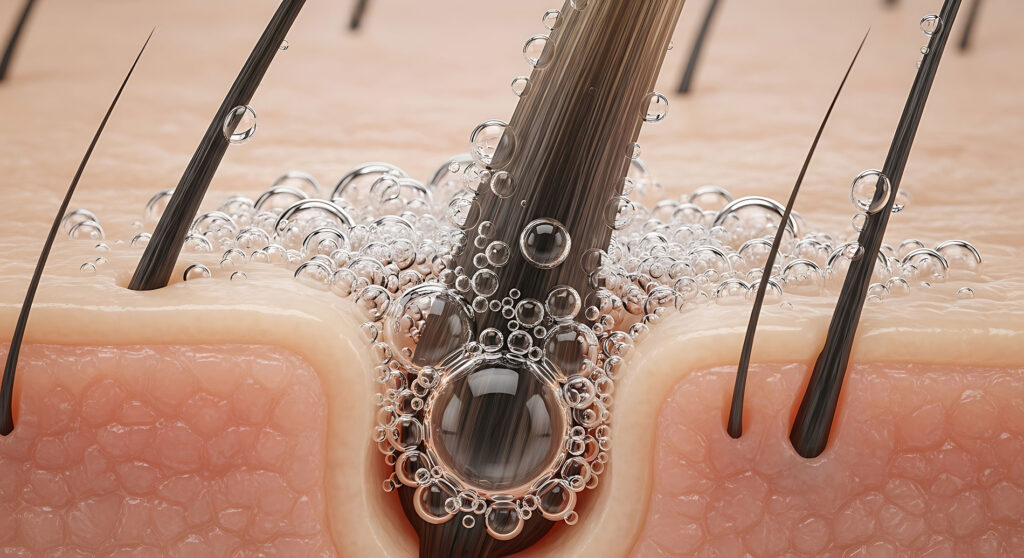
Scalp oil production is one of the biggest individual variables when determining how often to use clarifying shampoo. Oily scalps produce sebum faster, which binds with product residue and dust more quickly, creating buildup on a shorter timeline. For oily hair, clarifying every one to two weeks is often necessary just to keep the scalp feeling balanced rather than heavy.
Dry hair behaves in nearly the opposite way. With less natural oil production, dry hair types accumulate less product-oil buildup, and the priority shifts toward preserving moisture rather than removing residue frequently. For dry hair, clarifying more than once every four to six weeks can leave hair feeling brittle and difficult to manage, even if the immediate result right after washing looks clean.
Fine vs. Thick Hair
Hair thickness changes how buildup behaves and how quickly it becomes noticeable. Hair thickness has a definite impact when considering how often to use clarifying shampoo. Fine hair shows the effects of buildup much faster, since even a small amount of residue is proportionally heavier relative to thin strands, flattening volume and creating a limp appearance quickly. Fine-haired individuals often benefit from clarifying on the more frequent end of their hair-type range for this reason.
Thick hair can typically tolerate a longer stretch between clarifying washes, both because there is more hair mass to distribute residue across and because thick hair often needs more product to style in the first place, which can offset the advantage. The practical result is that fine and thick hair frequently land in a similar clarifying range, but for different underlying reasons.
Color-Treated Hair Considerations

Color-treated hair calls for a more conservative clarifying schedule than untreated hair, generally in the four-to-six-week range rather than weekly. Clarifying shampoos are formulated for thorough cleansing, and while modern formulas are considerably gentler than older-generation clarifying shampoos, frequent use can still accelerate the natural fading process that all color-treated hair experiences over time.
One practical exception is timing a clarifying wash right before a color, toning, or gloss appointment. Removing residue ahead of a color service can actually improve how evenly color deposits, which is why many colorists recommend a clarifying wash a day or two before an appointment rather than avoiding it altogether.
How to Incorporate Un-Do-Goo Into a Routine
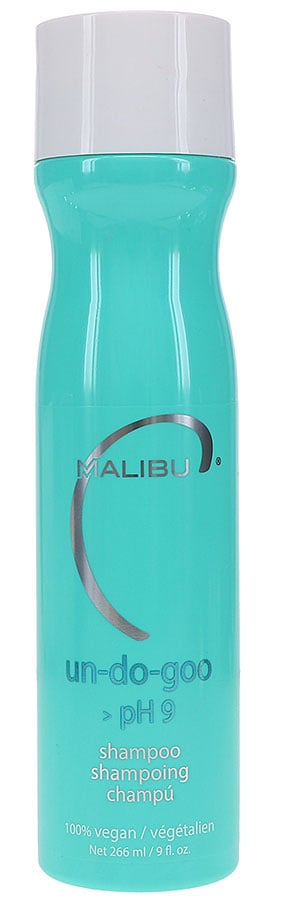
Malibu C Un-Do-Goo Clarifying Shampoo works well as the anchor product for a scheduled clarifying routine because its sulfate-free formula is built to lift buildup thoroughly without the harsh, overly stripping effect associated with older clarifying shampoos. That balance makes it easier to stick to a consistent schedule, since hair does not feel punished after each use the way it might with a more aggressive formula.
A simple way to build it into a routine: mark a recurring reminder based on your hair type’s frequency band, use Un-Do-Goo as that scheduled wash, and follow immediately with a deep conditioner or mask to fully rebalance moisture. Treating it as a planned step, rather than a reactive fix for a bad hair day, tends to produce more consistent results over time.
Signs You’re Clarifying Too Frequently
Clarifying too often is just as disruptive as not clarifying enough, and it can be harder to recognize because the symptoms overlap with normal dryness. A few signals suggest the frequency has tipped too high: hair that feels rough or straw-like even immediately after conditioning, a scalp that feels tight or irritated rather than simply clean, noticeably faster color fading for color-treated hair, and static or frizz that seems to have increased rather than improved.

If several of these signs appear, the most effective adjustment is usually to extend the interval between clarifying washes by a week or two and increase moisture-focused conditioning in between, rather than eliminating clarifying altogether.
Frequently Asked Questions
Can I clarify every time I wash my hair?
Clarifying with every wash is generally too frequent for most hair types and can lead to dryness and irritation over time. Reserving it for a scheduled, periodic reset produces better long-term results.
What happens if I don’t clarify often enough?
Residue continues to accumulate, which can lead to flat, dull-looking hair, reduced effectiveness from styling products, and a scalp that feels increasingly coated between washes.
Is there a difference between clarifying frequency for men and women?
Frequency depends far more on product use, scalp oil production, and hair type than on gender specifically. The same guidelines apply regardless of who is using them.
Should I clarify before or after a workout?
Clarifying after a period of heavy sweating, rather than before, is generally more effective, since it addresses the sweat and oil that have already accumulated.
Can I switch between two different clarifying shampoos?
Yes, alternating clarifying shampoos is generally fine as long as the overall frequency stays appropriate for your hair type, since the goal is thorough periodic cleansing rather than a specific formula.
AI-assisted, human-verified. At LaLaDaisy.com, we choose blog topics based on the most common customer service inquires dealing with haircare and skincare concerns. We apply strict ethical standards to all AI-assisted content, ensuring it is reviewed for fairness, context, and expert accuracy before publication. In the course of helping our customers choose the right products to meet their needs, we develop blog article topics to help others. Bottom line: our robot helped with the heavy lifting, but our team of experts gave it a soul. Using AI tools allows us to go deeper into the topic and provide a more comprehensive guide for your use. At LaLadaisy.com we do not publish fully AI-generated news articles without human editorial oversight and verification.