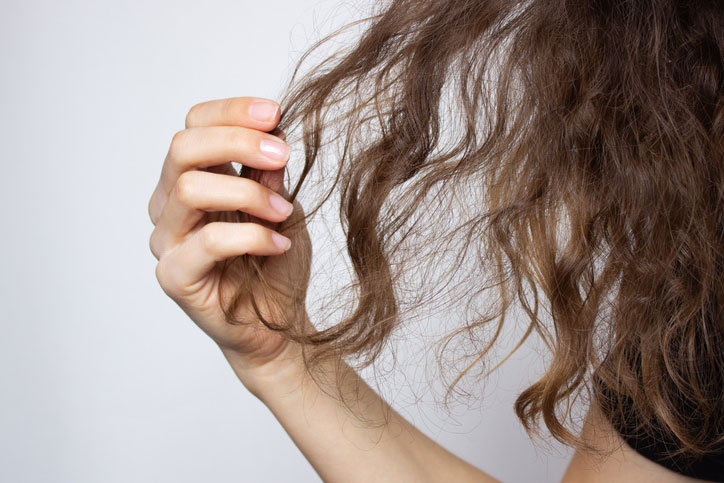
What Is Scalp Buildup?

Scalp buildup is the gradual accumulation of substances on the scalp and along the hair shaft that ordinary shampooing does not fully remove. It is not a single ingredient or a single cause — it is a layered residue made up of styling products, natural oils, sweat, hard water minerals, and dead skin cells that bond to hair and skin over time. A small amount of oil and residue is normal and even healthy, since natural sebum protects the scalp barrier. Scalp buildup becomes a problem when that layer thickens faster than a regular wash routine can clear it, leaving hair looking flat, feeling coated, and behaving unpredictably.
Understanding scalp buildup starts with recognizing that hair care products are designed to adhere. Gels, mousses, dry shampoos, and heat protectants all rely on film-forming polymers that stay put through blow-drying, styling, and a full day of wear. That is exactly what makes them effective in the moment — and exactly why they can accumulate if they are not cleared regularly. Add mineral deposits from hard water, and the buildup becomes even harder to rinse away with a gentle, everyday shampoo.
Most people experience mild scalp buildup at some point, particularly if they use several styling products, work out frequently, or live in an area with hard water. The goal is not to eliminate buildup entirely — that is unrealistic and unnecessary — but to understand it well enough to manage it with a structured, periodic clarifying routine rather than reacting to a bad hair day with more product.
Signs You Have Scalp or Hair Buildup

Buildup rarely announces itself all at once. It shows up gradually, through a combination of small, related changes that are easy to attribute to something else — the weather, a new product, or simply “bad hair days.” Once you know the pattern, it becomes much easier to identify.
Hair that looks flat within hours of washing. If freshly washed hair loses volume and starts looking limp by midday, residue sitting on the scalp is likely weighing the roots down and blocking natural lift.
A dull, filmy appearance instead of shine. Healthy hair reflects light in a smooth, consistent way. Buildup creates an uneven coating that scatters light instead, which reads visually as dullness even when the hair itself is not damaged.
Product that stops “working” the way it used to. When a mousse, texturizer, or leave-in conditioner suddenly performs worse than it once did, the issue is often not the product — it’s that new product is layering on top of old residue instead of reaching the hair shaft directly.
A scalp that feels waxy, tight, or slightly gritty. Running fingers along the scalp between washes and noticing a coated, almost waxy texture is one of the clearest physical indicators of buildup.

Slower absorption of scalp treatments. If a scalp serum or treatment seems to sit on top of the skin rather than absorb, buildup may be creating a barrier between the product and the scalp.
What Causes Buildup?
Buildup is almost always the result of several contributing factors layering on top of each other rather than one single cause. The most common contributors include:
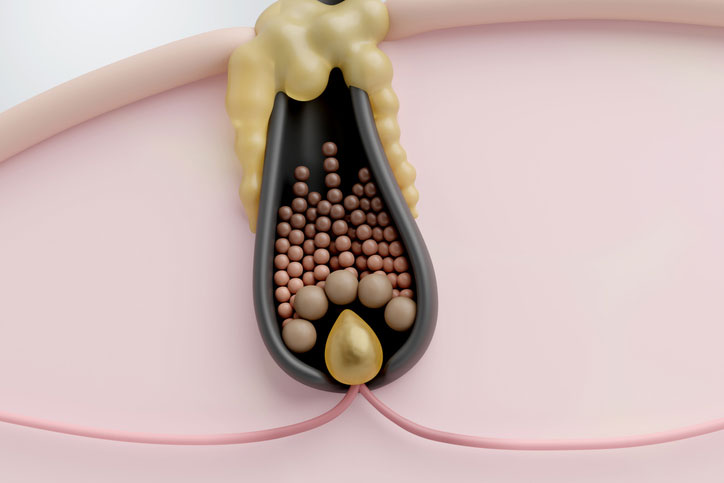
- Styling products with film-forming ingredients. Gels, hairsprays, mousses, and pomades often contain polymers designed to hold their shape through the day. Those same polymers resist being rinsed away by a mild, daily shampoo.
- Dry shampoo residue. Dry shampoo absorbs oil at the root, but the starch or powder base does not fully disappear — it needs to be shampooed out, not just brushed through.
- Natural sebum production. Scalp oil is not the enemy; it is a normal, protective substance. But combined with product residue, it creates a tackier layer that traps more debris than oil alone would.
- Hard water minerals. Calcium and magnesium in hard water bind to hair proteins and can leave a mineral film that dulls color, roughens texture, and compounds product buildup.
- Heat protectants and leave-in treatments. These are formulated to coat the hair shaft for protection, which means they are also more resistant to being washed out with a gentle cleanser.
- Under-washing relative to product use. Using several styling products daily while washing only once or twice a week creates a mathematical mismatch — more is going on than is coming off.
Scalp Buildup vs. Dandruff
Scalp buildup and dandruff are frequently confused because both can involve flaking, itching, and a scalp that feels uncomfortable. They are, however, different conditions with different underlying causes, and treating one as if it were the other usually leads to frustration.
Dandruff is primarily driven by an overgrowth of a yeast called Malassezia, which lives naturally on the scalp but can trigger excess skin cell turnover in people who are sensitive to it. Dandruff flakes tend to be small, dry, and evenly distributed across the scalp, often accompanied by genuine itchiness.
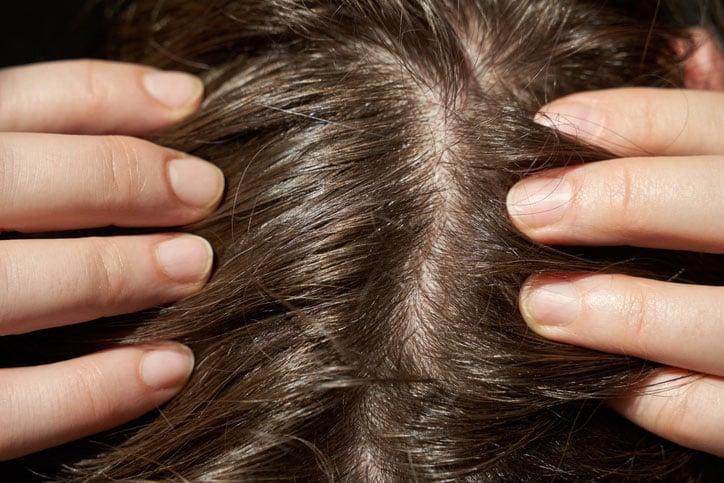
Buildup, by contrast, is residue-driven rather than yeast-driven. Flakes associated with buildup tend to be larger, waxier, and more likely to appear in clumps near the roots, especially in areas where styling products are applied most heavily. Buildup-related discomfort is often described as tightness or a coated feeling rather than the persistent itch associated with dandruff.
The distinction matters because dandruff typically responds to anti-fungal or medicated shampoos, while buildup responds to mechanical and chemical cleansing — a clarifying shampoo formulated to lift residue rather than treat a fungal imbalance. Some people experience both conditions at once, in which case a clarifying wash can still help by clearing the surface layer so a dandruff treatment can reach the scalp more effectively.
How to Remove Scalp Buildup
Removing scalp buildup effectively is less about scrubbing harder and more about using the right category of product with the right technique. A regular shampoo is formulated for everyday maintenance — it is intentionally gentle so it does not strip hair with daily use. That gentleness, however, means it is not equipped to fully break down accumulated residue.
The most reliable approach follows a simple sequence:
- Start with a thorough wet-down. Fully saturating hair and scalp with warm water for at least thirty seconds helps loosen surface residue before any product is applied.
- Apply a clarifying shampoo directly to the scalp, not just through the lengths. Buildup concentrates at the root, so the scalp deserves focused attention.
- Massage with fingertips, not nails, for a full minute or more. This mechanical action helps lift residue that a quick lather would leave behind.
- Rinse thoroughly, then repeat once if hair still feels coated after the first pass.
- Follow immediately with conditioner, focused on the mid-lengths and ends, to counterbalance the deep-cleansing effect.
What Does Clarifying Shampoo Do?

A clarifying shampoo is formulated with a stronger cleansing system than a daily shampoo, designed specifically to lift product residue, excess oil, and mineral deposits that regular formulas leave behind. Where a daily shampoo prioritizes gentleness for frequent use, a clarifying formula prioritizes thorough removal, which is why it is used periodically rather than every wash day.
The distinction between clarifying shampoo vs. regular shampoo comes down to formulation intent: regular shampoo is built for maintenance, clarifying shampoo is built for reset. Both have a place in a well-structured routine, and neither should fully replace the other.
Using Malibu C Un-Do-Goo as Part of a Clarifying Routine
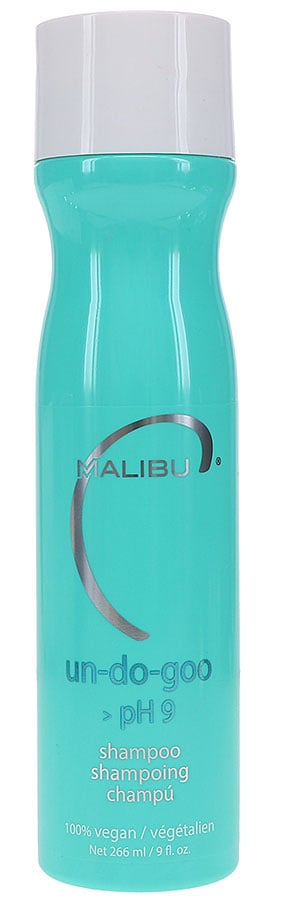
Malibu C Un-Do-Goo Clarifying Shampoo is formulated specifically to address the kind of resin and product buildup that daily shampoos are not designed to remove. Its sulfate-free cleansing system is built to lift residue from styling products without the harsh stripping effect associated with older-generation clarifying formulas, which makes it a practical anchor product for a periodic clarifying routine rather than an occasional emergency fix.
In practice, Un-Do-Goo works well as a once- or twice-monthly reset: a single wash where the goal is thorough removal rather than daily maintenance. Because the formula is designed to cleanse without leaving hair feeling stripped, it pairs naturally with a nourishing conditioner immediately afterward, allowing the scalp to reset while the lengths stay manageable.
For anyone building scalp buildup relief into a broader hair care structure, treating a clarifying shampoo like Un-Do-Goo as a scheduled step — not a last resort — tends to produce more consistent results than reaching for it only when hair already feels unmanageable.
How Often Should You Clarify?
Clarifying frequency is one of the most common points of confusion, largely because the right answer depends on several individual factors rather than a single fixed rule. Hair type, product use, water hardness, and scalp oil production all influence how quickly residue accumulates.
As a general structure:
- Oily scalps or heavy product users often benefit from clarifying every one to two weeks.
- Normal hair with moderate styling product use typically does well with clarifying every two to four weeks.
- Dry, curly, or color-treated hair usually needs less frequent clarifying — roughly every four to six weeks — to avoid over-stripping natural oils.
A closer breakdown of how often you should use clarifying shampoo by hair type and lifestyle can help fine-tune this starting point, since frequency that works well for one hair type can be too aggressive — or not thorough enough — for another.
Can You Clarify Color-Treated Hair?

Color-treated hair can be clarified, but it requires more restraint than untreated hair. Clarifying shampoos are formulated to strip residue thoroughly, and while a well-formulated modern clarifying shampoo is gentler than older clarifying formulas, frequent use can still accelerate the gradual fading that all color-treated hair experiences over time.
The safest approach for color-treated hair is to clarify less often — generally every four to six weeks rather than weekly — and to follow immediately with a deeply nourishing, color-safe conditioner or mask. Clarifying right before a toning or glossing appointment can actually improve results, since it removes residue that might otherwise interfere with even color deposit. The key is treating clarifying as a deliberate, occasional reset for color-treated hair, not a routine step.
How to Restore Moisture After Clarifying
Because clarifying shampoos are formulated to cleanse more thoroughly than daily formulas, hair typically needs a moisture-focused follow-up to feel balanced again. Skipping this step is one of the most common reasons people associate clarifying with dryness, when the real issue is simply an incomplete routine.

A few practices make a meaningful difference:
- Always follow with conditioner, applied generously from mid-length to ends.
- Consider a weekly hydrating mask on clarifying weeks specifically, since the scalp reset is a good opportunity for the lengths to absorb intensive moisture without residue interference.
- Use a leave-in treatment or hair oil on the ends after clarifying, particularly for curly, coily, or chemically treated textures that lose moisture more easily.
- Avoid back-to-back heat styling immediately after a clarifying wash, since hair is temporarily more porous and can be more susceptible to heat-related dryness.
For a full walkthrough on how to remove hair product buildup in your hair without drying your hair, a dedicated moisture-first technique can help balance thorough cleansing with the hydration hair needs afterward.
Building a Routine That Helps Prevent Buildup

The most effective long-term approach to scalp buildup is not a single deep-clean wash — it is a routine structured around prevention. A sustainable system looks like this:
- Daily or regular washes with a gentle, sulfate-free shampoo suited to your hair type.
- A scheduled clarifying wash at a frequency matched to your product use and hair type, treated as a calendar habit rather than a reaction to bad hair days.
- Moisture replenishment immediately following every clarifying wash.
- Product audit every few months, reviewing which styling products are contributing the most residue and adjusting application amounts accordingly.
- Water awareness, particularly for anyone in a hard water area, where a filtered showerhead can meaningfully reduce mineral-related buildup between clarifying washes.
Approached this way, scalp buildup stops being an occasional crisis and becomes one predictable, manageable part of an otherwise simple hair care structure.
Frequently Asked Questions
Is scalp buildup the same as dirty hair?
Not exactly. Dirty hair generally refers to surface-level oil and dust that a normal wash easily removes. Buildup is a more resistant layer formed from styling product residue, minerals, and oil bonding together over multiple wash cycles.
Can scalp buildup cause hair thinning?
Buildup itself does not directly cause hair loss, but a heavily coated scalp can create an environment that feels uncomfortable and may contribute to irritation. Persistent thinning should always be evaluated separately from a cosmetic buildup issue.
Will clarifying shampoo strip hair color?
Modern, well-formulated clarifying shampoos are gentler than older formulas, but frequent use can accelerate fading on color-treated hair. Clarifying every four to six weeks, rather than weekly, is generally a safer approach for colored hair.
Do I need a separate clarifying shampoo, or can I just wash twice?
Washing twice with a regular shampoo will remove some surface oil, but it will not fully break down resin-based product residue or mineral deposits the way a clarifying formula is designed to.
How do I know if my hair type needs more frequent clarifying?
Oily scalps, heavy dry shampoo users, and anyone in a hard water area typically need to clarify more often than someone with dry, curly, or infrequently styled hair.
AI-assisted, human-verified. At LaLaDaisy.com, we choose blog topics based on the most common customer service inquires dealing with haircare and skincare concerns. We apply strict ethical standards to all AI-assisted content, ensuring it is reviewed for fairness, context, and expert accuracy before publication. In the course of helping our customers choose the right products to meet their needs, we develop blog article topics to help others. Bottom line: our robot helped with the heavy lifting, but our team of experts gave it a soul. Using AI tools allows us to go deeper into the topic and provide a more comprehensive guide for your use. At LaLadaisy.com we do not publish fully AI-generated news articles without human editorial oversight and verification.