Why Buildup Occurs Before You Remove Hair Product Buildup

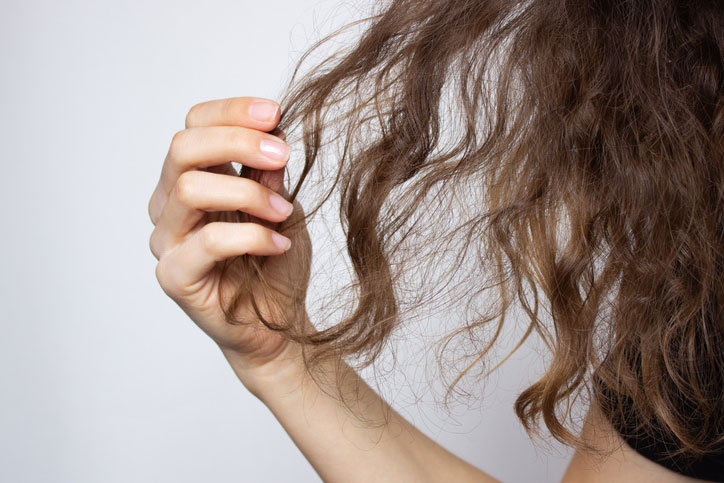
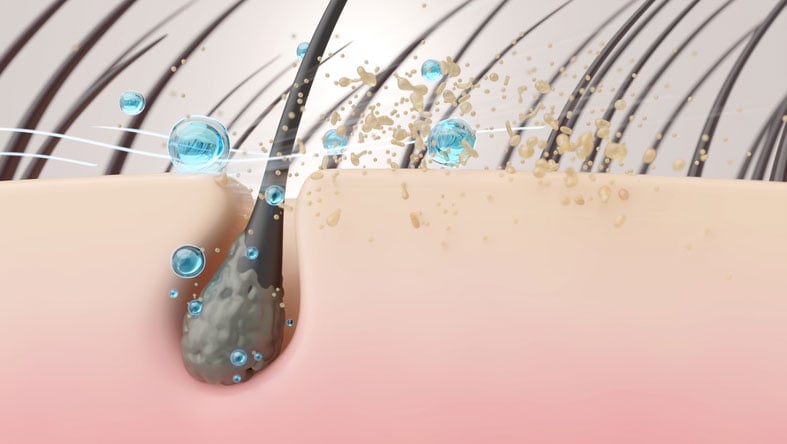
Before learning how to remove hair product buildup without compromising hair’s moisture balance, it helps to understand why buildup forms in the first place. Styling products like gel, mousse, and heat protectant rely on film-forming ingredients that are designed to hold their position through a full day of wear. That same resilience is what allows a small amount of residue to survive an ordinary shampoo, wash after wash, gradually layering into a coating that a gentle daily formula was never designed to fully remove.
Natural oil production adds to the effect, acting almost like a binding agent that helps product residue and environmental debris stick more persistently to the hair shaft. In hard water areas, mineral deposits compound the problem further, creating a layered buildup made of product, oil, and minerals rather than any single ingredient. This combination is closely related to broader scalp buildup, and understanding all three contributing factors is what makes it possible to remove buildup effectively without overcorrecting into dryness.
Why Aggressive Cleansing Can Backfire
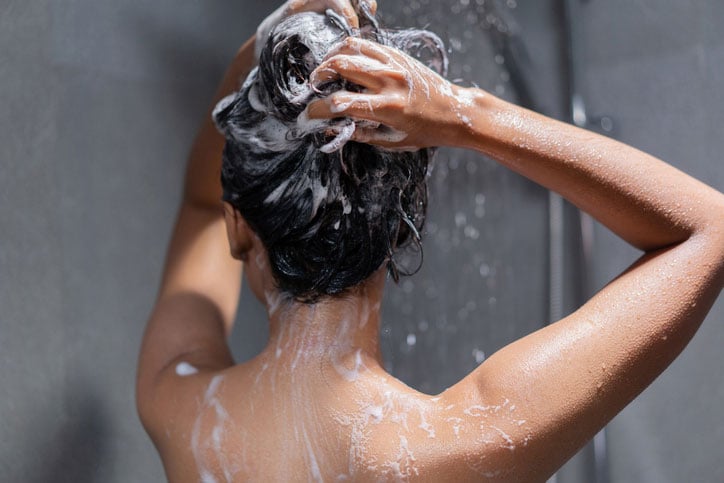
The instinct when hair feels heavy or coated is often to reach for the strongest possible cleanser and scrub thoroughly. This approach can backfire, because it treats buildup removal as purely a strength problem rather than a balance problem. An overly harsh clarifying formula, used too aggressively or too frequently, strips not just the residue but also the natural oils the scalp needs to stay comfortable and the hair needs to stay flexible.
The result is a common but avoidable cycle: buildup accumulates, an aggressive clarifying wash strips it along with too much natural moisture, hair feels dry and brittle, and more product gets applied to compensate — which then accelerates buildup again. Breaking this cycle means choosing a formula and technique that removes residue thoroughly without over-stripping, rather than reaching for the harshest option available.
Proper Clarifying Technique

Technique matters as much as product choice when the goal is thorough removal without excess dryness. A few adjustments make a meaningful difference:
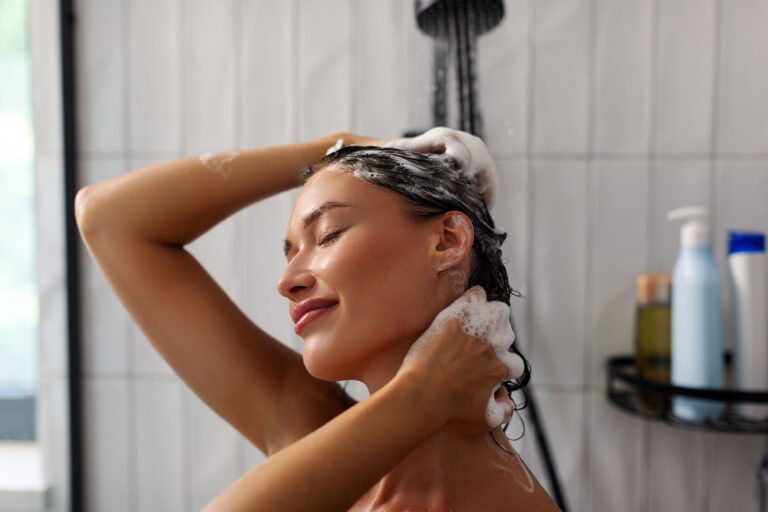
- Saturate hair fully with warm water first, giving residue time to loosen before any product is applied.
- Apply clarifying shampoo to the scalp specifically, since that is where the heaviest concentration of product buildup in your hair typically sits, rather than working the shampoo primarily through the lengths.
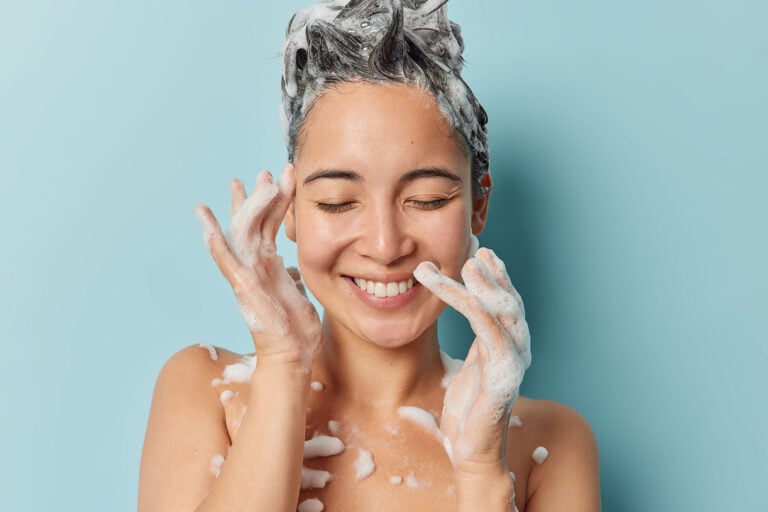
- Massage gently but thoroughly, using fingertips rather than nails, for at least a full minute to lift residue mechanically rather than relying on the formula alone.
- Avoid double-shampooing unless genuinely necessary. One thorough wash is often sufficient; a second wash should only follow if hair still feels visibly coated after rinsing.
- Keep water temperature warm rather than hot. Excessively hot water can strip more natural oil than needed and leave hair feeling drier afterward.
Removing Residue With Un-Do-Goo
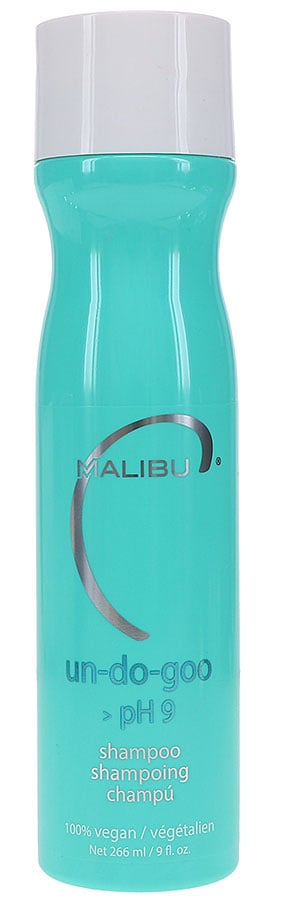
Malibu C Un-Do-Goo Clarifying Shampoo is formulated specifically to address this balance — thorough enough to lift resin-based residue and mineral buildup, while still being sulfate-free to avoid the harsh, overly stripping effect associated with older clarifying formulas. That makes it a practical choice for anyone concerned specifically about drying hair out during the clarifying process, since the formula is designed to cleanse deeply without leaving hair feeling stripped afterward.
Using Un-Do-Goo as a scheduled, periodic wash — rather than an aggressive emergency fix — allows its cleansing strength to do the work it is designed for while keeping the rest of a normal, gentler routine intact between clarifying washes.
Conditioning After Clarifying
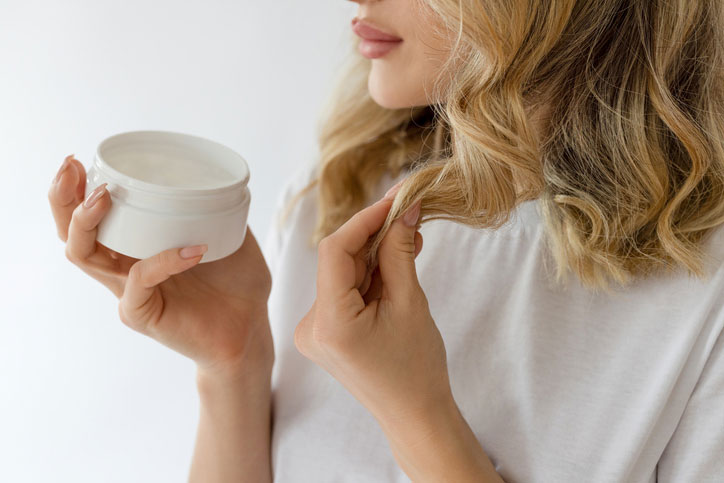
Conditioner is not optional after a clarifying wash — it is the step that determines whether hair feels balanced or over-cleansed afterward. Applying a rich, moisture-focused conditioner immediately after rinsing out a clarifying shampoo, concentrated from mid-length to ends, helps replace some of the moisture that a deeper cleanse naturally removes along with the buildup.

For hair types that run drier, extending conditioner contact time by two or three extra minutes, or opting for a slightly richer formula on clarifying wash days specifically, can make a noticeable difference in how hair feels once it dries.
Maintaining Moisture
Beyond the immediate post-wash conditioner, a few habits help protect moisture balance around a clarifying routine more broadly. A weekly hydrating mask, used specifically on clarifying wash days, gives hair an opportunity to absorb intensive moisture without residue interference. A lightweight leave-in treatment or hair oil applied to the ends after clarifying helps seal in moisture for textures that lose hydration more easily, particularly curly, coily, or chemically treated hair.
It also helps to avoid stacking a clarifying wash with other intensive treatments, such as at-home color or a strong heat-styling session, on the same day. Spacing these out gives hair a chance to recover fully from one intensive step before the next.
Preventing Recurring Buildup

The most sustainable way to avoid repeatedly needing an intensive clarifying wash is to prevent buildup from accumulating as heavily in the first place. Using styling products in more moderate amounts, choosing lighter formulas where possible, and shampooing out dry shampoo within a day or two rather than letting it layer over a full week all reduce how much residue accumulates between clarifying washes.
Scheduling a periodic clarifying wash on a predictable rhythm — rather than waiting until hair feels heavy and coated — also means each clarifying session has less buildup to remove, which naturally reduces how aggressive the wash needs to be and helps preserve moisture over the long run.
Frequently Asked Questions
Why does my hair feel dry after clarifying, even with conditioner?
This is often a sign the clarifying formula or frequency is too aggressive for your hair type. Choosing a gentler, sulfate-free clarifying shampoo and extending conditioner contact time typically resolves it.
Should I use a hair mask every time I clarify?
It is not strictly necessary every time, but using a hydrating mask on clarifying wash days specifically tends to produce noticeably better results than relying on conditioner alone, especially for dry or textured hair.
Is it better to clarify at night or in the morning?
Timing does not significantly affect the results. The more important factor is following immediately with conditioner, regardless of when the wash happens.
Can I add oil to my clarifying shampoo to reduce dryness?
It is generally better to let the clarifying shampoo do its job as formulated and address moisture afterward with conditioner and leave-in treatments, rather than diluting the cleansing formula itself.
How long does it take for hair to feel normal again after clarifying?
Most hair feels balanced again immediately after conditioning, though very dry or damaged hair types may benefit from an extra day of lighter styling to fully recover moisture.
AI-assisted, human-verified. At LaLaDaisy.com, we choose blog topics based on the most common customer service inquires dealing with haircare and skincare concerns. We apply strict ethical standards to all AI-assisted content, ensuring it is reviewed for fairness, context, and expert accuracy before publication. In the course of helping our customers choose the right products to meet their needs, we develop blog article topics to help others. Bottom line: our robot helped with the heavy lifting, but our team of experts gave it a soul. Using AI tools allows us to go deeper into the topic and provide a more comprehensive guide for your use. At LaLadaisy.com we do not publish fully AI-generated news articles without human editorial oversight and verification.