-
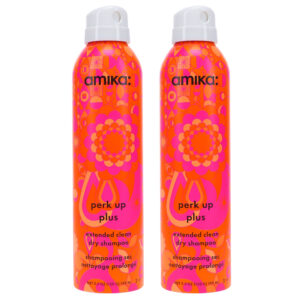 Amika Perk Up Plus Extended Clean Dry Shampoo 5.3 oz 2 Pack
×
$49.951 × $49.95
Amika Perk Up Plus Extended Clean Dry Shampoo 5.3 oz 2 Pack
×
$49.951 × $49.95 -
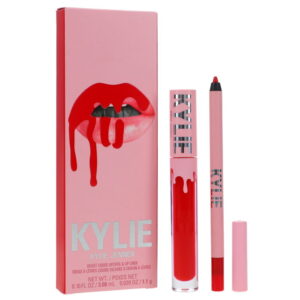 Kylie Cosmetics Velvet Lip Kit Red Velvet
×
$29.751 × $29.75
Kylie Cosmetics Velvet Lip Kit Red Velvet
×
$29.751 × $29.75 -
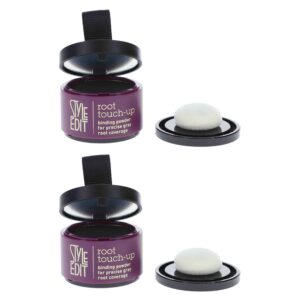 Style Edit Root Touch Up Powder Black 0.13 oz 2 Pack
×
$37.141 × $37.14
Style Edit Root Touch Up Powder Black 0.13 oz 2 Pack
×
$37.141 × $37.14

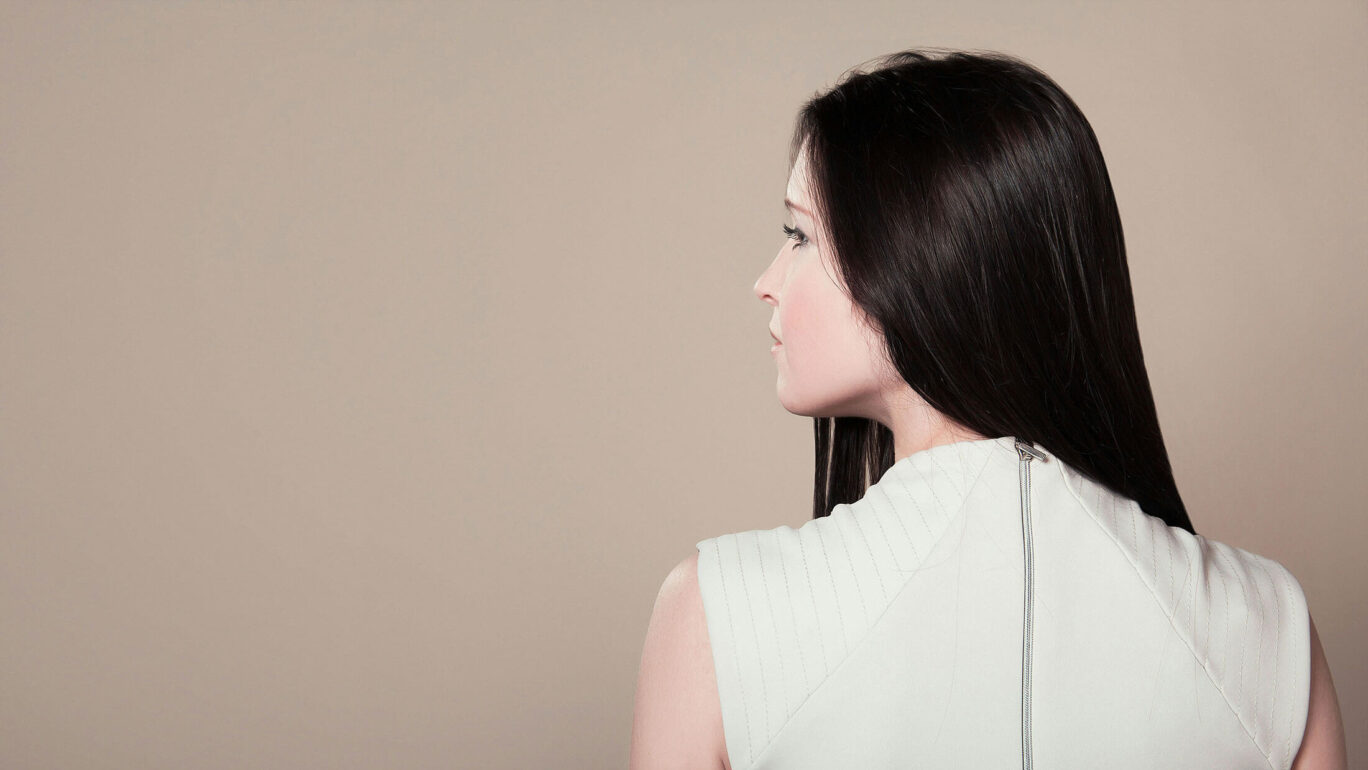
Repairing damaged hair at home is not a difficult as you may think when you learn how to use the best products to restore your hair. There’s nothing more discouraging than running your fingers through your hair and feeling dryness, brittleness, or split ends — especially when you used to have soft, shiny, healthy hair. Whether heat styling, coloring, environmental stress, or over-washing are to blame, the truth is this: damaged hair doesn’t fix itself overnight. But with the right combo of deep treatments, gentle care, and consistent habits, you can bring your hair back to life — and this guide shows you exactly how.
Recognize the Damage: Symptoms & Root Causes
Many of us ignore the early signs of hair damage — until we’re stuck fighting frizz, breakage, or lifeless strands week after week. Common signs include stubborn tangles, rough or brittle texture, split or broken ends, lack of shine, excessive frizz, or hair that feels like straw. (Lala Daisy)
The causes? Often a mix: frequent heat styling (blow drying, straightening, curling), chemical treatments (coloring, bleaching, perming), over-cleansing with harsh shampoos, and environmental aggressors like sun, wind, and pollution. (Healthline)
If you’re battling damaged hair, the first step is acknowledging — and minimizing — these causes. Without prevention, no amount of conditioner or serum will fully restore health.
Build a Gentle, Repair-Focused Haircare Routine
Wash Less & Use Gentle Water Temperature
Washing too frequently can strip your hair of its natural oils, leaving it dry and brittle. Try washing only 2–3 times per week (or less if possible) to preserve moisture. (Healthline)
Also, skip the hot-water shower. Hot water may feel good, but it opens up the hair cuticle and drains away moisture. Instead, use lukewarm water. (L’Oreal Paris)
Limit Heat Styling — Or Use Protection
Daily blow-drying, flat-ironing, or curling can “cook” your hair fibers — raising the cuticle and causing breakage or split ends. When you do style with heat, make sure to use a heat protectant and keep the heat setting as low as possible. (Healthline)
Avoid Harsh Ingredients
Sulfates, alcohols, and parabens in shampoos or styling products can further strip moisture — especially from color-treated or processed hair. Opt instead for sulfate-free, gentle, hydrating formulas. (Lala Daisy)
Deep Repair Treatments: Masks, Bond-Builders & Nourishment
If your hair has already suffered damage, deep conditioning masks and bond-building treatments are often the most effective remedy. They help restore moisture, reinforce hair structure, and improve manageability. (L’Oreal Paris)
- Moisture-based masks help when damage is due to dryness (from over-washing, heat, or environment).
- Protein- / bond-repair treatments help when the hair’s internal structure is compromised (from bleaching, chemical processing, or excessive heat).
Use deep masks about once a week (or as needed), then follow up with leave-in conditioners or serums, especially on ends. Over time, this helps hair regain softness, shine, and strength.
5 Expert-Recommended Products for Repairing Damaged Hair at Home
Here are five of our favorite products for repairing damaged hair at home — a mix of deep conditioners, bond-repair treatments, and maintenance masks that work for many hair types and damage levels:
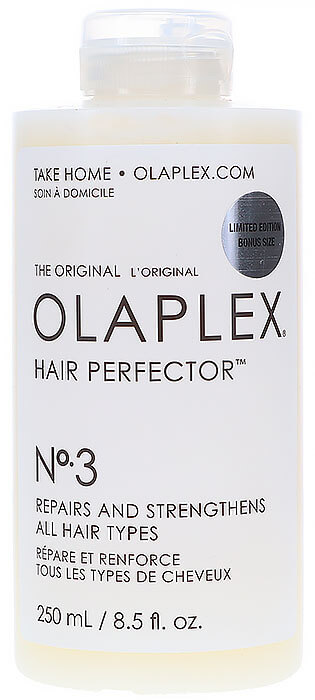
Olaplex No. 3 Hair Perfector
A powerful bond-building treatment that helps reconnect broken disulfide bonds from chemical or heat damage, rebuilding strength from within. It’s ideal for anyone dealing with severe breakage or weakened strands from bleaching or coloring. Regular weekly use can dramatically improve elasticity, softness, and overall hair integrity. It also helps prep the hair for future color services, making results more even and vibrant. Many users notice less shedding and smoother texture after just a few treatments. It’s a must-have if you’re trying to reverse long-term damage without sacrificing style.
Briogeo Don’t Despair, Repair! Deep Conditioning Mask

A deeply nourishing mask with oils and vitamins that replenishes moisture and nutrients for dry or chemically treated hair. Its clean, 90% naturally derived formula makes it gentle yet effective for most hair types. With consistent use, you’ll notice increased hydration, less frizz, and fewer split ends. The blend of rosehip, sweet almond, and algae extracts helps support overall scalp and hair health. It’s great for restoring bounce and softness to curls or waves. This mask is also safe for color-treated hair, making it a versatile weekly treatment.
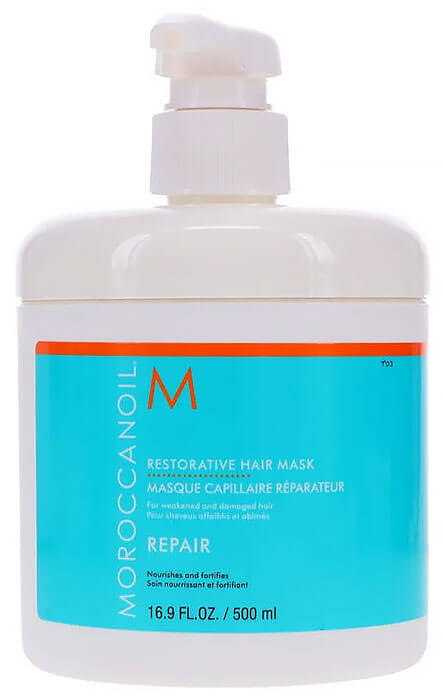
Moroccanoil Restorative Hair Mask
Rich in proteins and moisture, this mask helps rebuild and revive overly dry, brittle, or over-processed hair. It works quickly, delivering noticeable smoothness and strength in just a few minutes. The signature argan oil infusion leaves hair looking glossy, silky, and more manageable. Its strengthening ingredients help improve elasticity, reducing the likelihood of future breakage. This mask is especially effective for hair that has been chemically straightened or frequently heat-styled. With regular use, it restores vitality and helps hair feel more resilient.
Agadir’s Argan Oil Moisture Masque
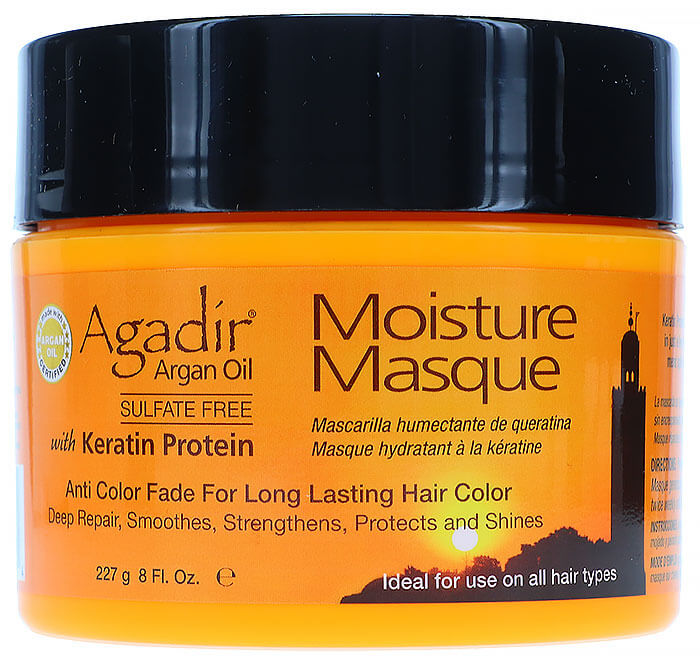
This masque will save and rejuvenate your damaged hair, sealing in moisture and smoothing hair strands for a healthy, radiant look. Its lightweight yet intensive formula absorbs easily without weighing hair down. Over time, it helps restore softness, reduce breakage, and improve overall hair texture. The nutrient-rich argan oil helps protect hair from environmental stressors. It’s an excellent choice for those who deal with chronic dryness or frizz. After just one use, hair feels more conditioned, detangled, and silky.
OUAI Thick Hair Treatment Masque

Great for strengthening hair and restoring smoothness and shine, especially if your hair is prone to frizz or dryness. This rich formula is designed specifically for thick or textured hair that needs deeper nourishment. It helps detangle, control frizz, and leave hair feeling noticeably softer after just one use. The shea butter and hydrolyzed keratin blend works to rebuild damaged areas while improving manageability. It also enhances shine without leaving a greasy residue. With continued use, you can expect stronger, smoother, and more hydrated hair overall.
Repairing Damaged Hair at Home – Step-by-Step Home Repair Routine
Here’s a simple, effective weekly routine you can follow to restore damaged hair:
- Once a week: Deep Mask or Bond Repair Treatment
- Use a product like Olaplex No. 3 if structural repair is needed, or a deep conditioning mask (like Briogeo or Moroccanoil) if dryness/moisture loss is the main issue.
- Leave on per instructions (usually 15 – 30 mins), then rinse thoroughly.
- After every wash: Gentle Dry & Leave-In Care
- Pat hair dry with a soft towel or T-shirt — avoid rubbing.
- Apply a leave-in conditioner or serum to mid-lengths and ends (this helps seal in moisture and prevent new damage).
- Style Wisely (or Skip Heat)
- Whenever possible, let hair air dry. If you must blow dry or heat-style, always use a heat protectant and keep the temperature low.
- Use a wide-tooth comb to detangle gently, especially when hair is damp or conditioned.
- Adopt Gentle Hair Habits
- Wash hair less frequently.
- Avoid harsh shampoos or products with sulfates, alcohols, or parabens.
- Limit chemical treatments (coloring/bleaching) — space them out and give hair time to recover in between.
- Trim split ends regularly to avoid damage traveling up the hair shaft.
When Hair Is Severely Damaged — What to Know
If your hair is experiencing constant breakage, clumping, snapping, or has developed a “cotton-candy” or straw-like texture, deep conditioning masks and serums may only do so much. At that point, a trim — even though it hurts to lose length — can be a critical step in resetting your hair health. Many hair-care professionals and experienced users note that once structural damage becomes too severe, cutting out the worst parts and rebuilding from healthy hair is the only way. (reddit.com)
That said, if you give your hair consistent, gentle care and avoid repeated damage, many of those negative signs can improve over time — strength, softness, shine, and manageability can return.
Final Thoughts — Consistency & Care Over Time Wins
Damaged hair isn’t a quick-fix problem. It’s a symptom of repeated stress — thermal, chemical, mechanical — and therefore the path to recovery must be slow, consistent, and intentional. Use nourishing masks, bond-repair treatments, and gentle haircare habits. Avoid frequent heat styling and harsh products. And when necessary — don’t shy away from a trim.
With patience, the right products, and a caring routine, your hair can heal — and often look softer, shinier, and healthier than it has in years. If you’re ready to start your hair-repair journey, pick one or two recommended products above that match your hair’s needs, build a realistic weekly routine, and give your strands the love they deserve.
Don’t forget to explore our other hair-care guides on LaLaDaisy — from preventing breakage to color-treated hair upkeep — and make your hair routine as comprehensive as your lifestyle demands.