-
 Celeb Luxury Viral Hybrid Colorditioner with BondFix Purple 8.25 oz
×
$25.201 × $25.20
Celeb Luxury Viral Hybrid Colorditioner with BondFix Purple 8.25 oz
×
$25.201 × $25.20 -
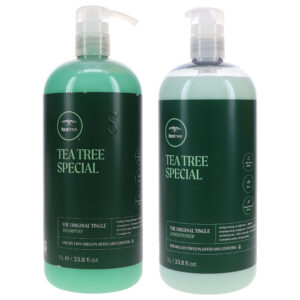 Paul Mitchell Tea Tree Special The Original Tingle Shampoo 33.8 oz & Conditioner 33.8 oz Combo Pack
×
$85.001 × $85.00
Paul Mitchell Tea Tree Special The Original Tingle Shampoo 33.8 oz & Conditioner 33.8 oz Combo Pack
×
$85.001 × $85.00 -
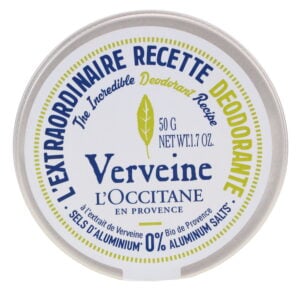 L'Occitane The Incredible Deodorant Recipe Verveine 1.7 oz
×
$19.551 × $19.55
L'Occitane The Incredible Deodorant Recipe Verveine 1.7 oz
×
$19.551 × $19.55 -
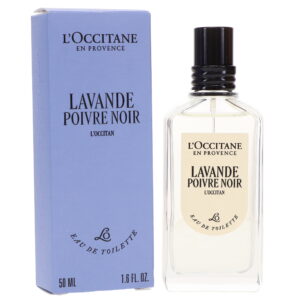 L'Occitane Lavande Poivre Noir Eau de Toilette 1.6 oz
×
$72.251 × $72.25
L'Occitane Lavande Poivre Noir Eau de Toilette 1.6 oz
×
$72.251 × $72.25 -
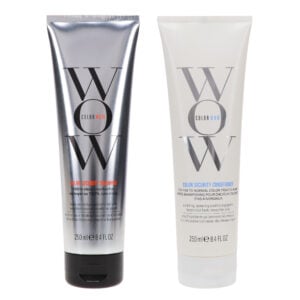 COLOR WOW Color Security Shampoo 8.4 oz & Conditioner Fine to Normal Hair 8.4 oz Combo Pack
×
$46.951 × $46.95
COLOR WOW Color Security Shampoo 8.4 oz & Conditioner Fine to Normal Hair 8.4 oz Combo Pack
×
$46.951 × $46.95 -
 Laura Mercier Tinted Moisturizer Natural Dewy Broad Spectrum SPF 30 Sunscreen 4C Hazel 1.52 oz
×
$42.501 × $42.50
Laura Mercier Tinted Moisturizer Natural Dewy Broad Spectrum SPF 30 Sunscreen 4C Hazel 1.52 oz
×
$42.501 × $42.50 -
 Kylie Skin Clarifying Patches 30 Ct
×
$13.601 × $13.60
Kylie Skin Clarifying Patches 30 Ct
×
$13.601 × $13.60



How to get rid of ingrown hairs and dark spots after hair removal comes down to one thing: structure. Most people treat bumps and dark marks as separate problems and reach for whatever product is closest, which is exactly why the cycle repeats. A proper routine isn’t about more products — it’s about the right steps, applied in the right order, after every shave, wax, or laser session. This guide breaks down why hair removal leaves skin marked in the first place, what is actually happening beneath the surface, and the four-step system that brings visibly smoother, more even-toned skin within six to eight weeks.
Whether the concern shows up on the bikini line, underarms, legs, chin, or nape, the underlying mechanics are the same. Once you understand what your skin needs, choosing the right products and routine becomes far easier. This guide is meant to be a reference you return to — bookmark it, work through the four-step framework once, and the rest of the process becomes second nature within a couple of hair removal cycles.
Why Hair Removal Leaves Skin With Bumps and Dark Marks

Every method of hair removal — shaving, waxing, tweezing, threading, electrolysis, or laser — creates a small wound at the follicle. The hair shaft is cut, pulled, or destroyed, and the surrounding skin responds the way it responds to any minor injury: inflammation.
Two separate problems tend to follow that inflammation:
Ingrown hairs. When a cut or curled hair tip cannot exit the follicle cleanly, it curves back into the skin or gets trapped just beneath the surface. The body treats it as foreign material and forms a small, often itchy or tender bump around it. Curly and coarse hair types are especially prone to this because the hair naturally curves as it grows.
Post-inflammatory hyperpigmentation (PIH). This is the technical term for the dark spots and marks left behind after irritation, injury, or an ingrown hair heals. Skin produces extra melanin as part of its repair response, and that excess pigment shows up as a flat, discolored patch that can linger for months if it is not treated.

The two conditions are connected. An ingrown hair that is picked at, repeatedly irritated, or left untreated is one of the most common causes of the dark spots that follow. That is why an effective routine has to address both the bump and the pigment left behind, not just one or the other. This is very important when learning how to get rid of ingrown hairs and dark spots after hair removal.
What’s Actually Happening Under the Skin
Understanding the mechanism makes the solution obvious. Hair removal disrupts the follicle opening. As the skin heals, dead skin cells, oil, and debris can accumulate around that opening, forming a plug. If a new hair pushes against that plug instead of exiting freely, it bends sideways or curls under the surface — an ingrown hair.
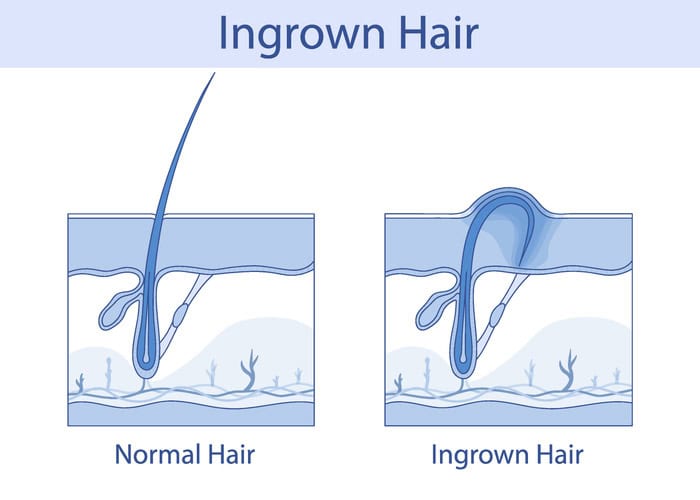
At the same time, inflammatory signals trigger melanocytes, the skin’s pigment-producing cells, to become more active in that specific area. This is why a single irritated follicle can leave a dark spot far out of proportion to its size. The good news is that both processes respond well to the same category of ingredients: gentle exfoliating acids that keep the follicle clear, paired with brightening actives that calm pigment production and fade existing discoloration.
When considering how to get rid of ingrown hairs and dark spots after hair removal, it helps to think of this as a two-stage repair process rather than a single event. In the first stage, immediately after hair removal, skin focuses on closing the wound at the follicle opening — this is when redness, minor swelling, and tenderness are most noticeable. In the second stage, over the following days and weeks, skin shifts into a longer remodeling phase where new skin cells replace damaged ones and any excess melanin produced during the inflammatory response gradually gets carried toward the surface and shed. Interrupting either stage — by continuing to irritate the area, or by skipping treatment during the remodeling phase — is what allows the cycle of new bumps and lingering dark marks to continue indefinitely.
The Four-Step Framework for Clearer Skin After Hair Removal
Learning how to get rid of ingrown hairs and dark spots after hair removal requires a complete routine that includes four core steps: prep, remove, treat, and maintain. Skipping any one of them is usually the reason a routine stalls out.
Step 1: Prep Before Removal

Exfoliate the area 24 hours before shaving or waxing, not immediately beforehand. This clears the dead skin cells that would otherwise trap a regrowing hair. A soft washcloth or a gentle body scrub is enough — aggressive scrubbing right before hair removal can actually increase irritation.
Step 2: Remove With Less Trauma
Use a sharp, clean razor and always shave in the direction of hair growth for the first pass, since shaving against the grain is one of the biggest drivers of ingrown hairs. For waxing, make sure the wax is pulled in the opposite direction of hair growth, quickly and close to the skin. Whichever method you choose, resist the urge to go over the same area repeatedly.
Step 3: Treat Immediately After

This is where a targeted post-hair-removal product does the most work. Within minutes of shaving, waxing, tweezing, or lasering, follicles are most receptive to treatment because they are freshly opened. A formula built specifically for post-hair-removal skin, rather than a generic lotion, is what interrupts the ingrown-hair cycle before it starts and begins fading any existing marks at the same time.
Step 4: Maintain Between Sessions
Daily application on treated areas — even on days you are not removing hair — keeps follicles clear and continues fading existing dark spots. Consistency matters more than intensity here. Most visible improvement in tone and texture appears within six to eight weeks of regular use, which lines up with skin’s natural cell turnover cycle.
How Different Hair Removal Methods Affect Your Risk
Not all hair removal methods carry the same risk for ingrown hairs and dark spots, and understanding the differences helps you adjust your routine accordingly.

Shaving cuts the hair at the skin’s surface, leaving a blunt edge that can be more likely to curl back into the follicle as it regrows, especially with curly or coarse hair. Because shaving is typically done every few days, the follicle rarely gets a full break to heal before the next pass, which is why consistent daily treatment between shaves matters so much.
Waxing and sugaring remove the hair from the root, which means regrowth takes longer and the hair tip is naturally tapered rather than blunt, generally lowering ingrown hair risk compared to shaving. The trade-off is that the process pulls on the skin itself, which can cause more immediate inflammation and a higher likelihood of post-inflammatory dark spots in sensitive areas like the bikini line.

Tweezing and threading are precise, root-level methods best suited for smaller areas like the eyebrows, chin, and upper lip. Because they treat individual hairs, they carry a lower overall risk, but repeated tweezing in the exact same follicle over time can still lead to localized ingrown hairs and dark marks.
Electrolysis and laser hair removal work differently: they aim to reduce hair growth permanently by targeting the follicle itself. In the months before hair is fully reduced, skin can still experience irritation and ingrown hairs from any hair that is regrowing, which is why post-treatment care remains important throughout a laser or electrolysis series, not just with traditional shaving or waxing.
Whichever method you use, the treat-and-maintain steps of the routine stay largely the same — what changes is how often you are triggering new irritation, and therefore how consistently you need to apply treatment.
Common Mistakes That Slow Down Results
Even a good routine can stall if a few common habits are working against it.
Picking at ingrown hairs. It is tempting to extract a visible ingrown hair with tweezers or a fingernail, but this almost always increases inflammation and is one of the most reliable ways to turn a small bump into a lasting dark spot or even a scar. Let treatment products do the work of clearing the follicle instead.
Over-exfoliating. More is not better. Exfoliating too frequently, or combining several exfoliating products at once, can compromise the skin barrier and actually increase irritation and pigment response. One to three times a week is typically enough alongside a daily treatment product.

Skipping days between hair removal sessions. Dark spots and clogged follicles do not resolve themselves passively. Skin needs daily, low-level treatment to keep exfoliating and brightening, not just an application right after each shave or wax.
Using the wrong format for the area. Applying a large amount of broad-coverage serum to a small, precise area — or trying to cover a large area with a roll-on meant for spot treatment — can lead to under- or over-application. Matching the product format to the area size, covered in more detail in our serum-versus-roll-on comparison, makes the routine easier to stick to.
Stopping treatment once bumps disappear. Ingrown hairs often clear up faster than the dark spots they left behind. Stopping a routine as soon as bumps are gone is the most common reason old marks seem to “come back” — they were simply still fading and became visible again once regular exfoliation stopped.
Ingredients That Matter Most
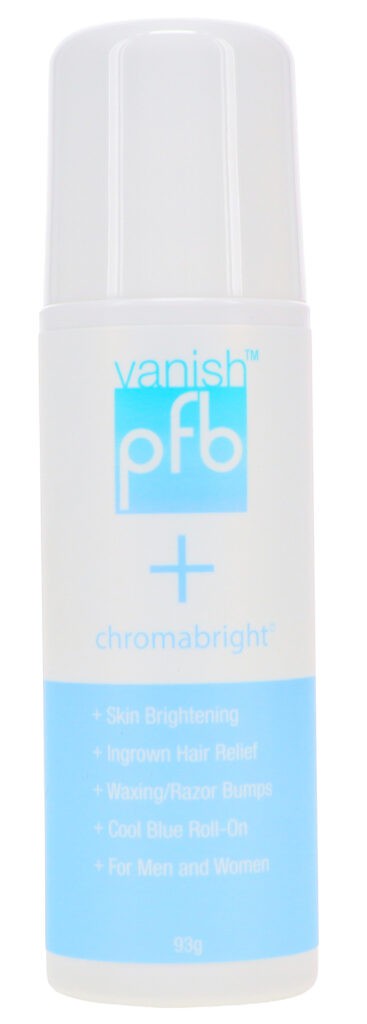
Not every dark-spot product is built for this specific job. The most effective formulas combine two categories of ingredients working at the same time: exfoliating acids such as salicylic, glycolic, and lactic acid that keep the follicle opening clear, and targeted brightening technology that addresses the hyperpigmentation left behind. Patented complexes like Chromabright are formulated specifically to even out tone without the irritation that harsher lightening ingredients can cause on already-sensitized skin. For a full breakdown of which ingredients do what and why they are paired together, see our guide to the ingredients that fade ingrown hair dark spots.
Where This Shows Up Most: Bikini Line, Underarms, Legs, and Face
Ingrown hairs and dark spots are not limited to one area of the body — they follow wherever hair is regularly removed. The bikini line and inner thighs tend to be the most persistent trouble spot because the skin there is thinner, hair is often coarser, and clothing creates friction that aggravates healing follicles. Underarms face similar friction issues, while the chin, nape, and upper lip deal with finer hair but more visible skin, making even small dark marks more noticeable.

The core routine stays the same across all of these areas, but application details — how much product, how often, and which format — shift depending on the location. Our dedicated guide to bikini line ingrown hairs and dark spots walks through the adjustments that matter most for that particular area.
Building a Daily and Weekly Routine
A routine only works if it is repeatable. The four-step framework above translates into a simple daily and weekly rhythm: gentle exfoliation the night before hair removal, careful technique during removal, targeted treatment immediately after, and consistent daily application in between sessions. Written out as a checklist, it becomes easy to follow even on busy mornings. For the full day-by-day breakdown, including how to layer a serum and a roll-on treatment without over-treating the skin, see our complete post-hair-removal routine.

Choosing Between a Serum and a Roll-On
Post-hair-removal treatments generally come in two formats: lightweight serums designed for broader coverage across larger areas like legs or underarms, and roll-on formulas built for precise, targeted application on smaller or more sensitive areas like the bikini line or face. Neither format is universally “better” — the right choice depends on the size of the area being treated and how much control you want over placement. Our full comparison of serum or roll-on treatments breaks down which format fits which use case.
How Long Results Take
Because both ingrown hairs and hyperpigmentation are tied to skin’s natural repair and turnover cycle, results are gradual rather than immediate. Most people begin noticing fewer new ingrown hairs within two to three weeks of consistent use, as the exfoliating acids keep follicles clear. Visible fading of existing dark spots takes longer — typically six to eight weeks — because melanin has to work its way through several layers of skin as cells turn over. Applying product inconsistently, or only after hair removal instead of daily, is the most common reason results take longer than expected.
When to See a Dermatologist

Most ingrown hairs and post-hair-removal dark spots respond well to a consistent at-home routine. It is worth seeing a dermatologist if a bump becomes increasingly painful, shows signs of infection such as spreading redness or pus, if dark spots have not faded at all after several months of consistent treatment, or if you notice scarring rather than flat discoloration. A professional can also help if ingrown hairs are severe enough to be considered a form of razor bumps requiring prescription-strength treatment.
How to Get Rid of Ingrown Hairs and Dark Spots After Hair Removal: Putting the System Together

Learning how to get rid of ingrown hairs and dark spots is less about finding one miracle product and more about running the same four steps every single time hair is removed, on every area where it matters. Prep clears the path for hair to grow out cleanly. Careful removal technique reduces the trauma that triggers both bumps and pigment. Treating immediately after hair removal catches follicles while they are most receptive. Maintaining daily, even on days without hair removal, is what actually carries dark spots through their full fading timeline instead of letting the process stall halfway.
None of these steps require replacing an entire skincare routine — they layer onto whatever hair removal method already works for you. The areas most people start with are the bikini line, underarms, and legs, simply because that is where hair is removed most frequently, but the same four steps apply just as well to the chin, nape, or anywhere else regrowth causes irritation. Once the framework is in place, it becomes far less about reacting to a new bump or a stubborn dark mark and far more about maintaining skin that is already on track.
Frequently Asked Questions
What is the fastest way to get rid of an ingrown hair?
Gentle exfoliation combined with a salicylic-acid-based treatment applied consistently is the most reliable approach. Avoid picking or squeezing, which increases the risk of infection and the dark spot that typically follows.
Can ingrown hairs and dark spots be prevented completely?
They can be significantly reduced with proper technique and a consistent treatment routine, though anyone who regularly removes hair, especially in curly or coarse hair types, will always have some risk. Prevention is about minimizing frequency and severity rather than eliminating the possibility entirely.
Is it safe to use a treatment serum on the face and bikini area?
Many post-hair-removal formulas are designed for use on any area where hair is removed, including the face, underarms, and bikini line, but always patch test first and follow the product’s specific usage instructions, since facial skin can be more sensitive than body skin.
How long does it take to see results on dark spots?
Most people see visible improvement in six to eight weeks of daily, consistent use. This timeline reflects the skin’s natural cell turnover cycle rather than the strength of any single product.
Why do dark spots keep coming back even after they fade?
Recurring dark spots usually mean new irritation is happening faster than old marks can fade — often from inconsistent technique, picking at ingrown hairs, or skipping the treat-and-maintain steps of the routine between hair removal sessions.
Does hair removal method matter for how likely I am to get dark spots?
Yes. Methods that pull hair from the root, like waxing, tend to produce fewer ingrown hairs than shaving but can trigger more immediate inflammation in sensitive areas. Shaving carries a higher ingrown hair risk but is generally gentler on the surrounding skin. Either way, the same treat-and-maintain routine addresses the outcome regardless of which method causes it.
AI-assisted, human-verified. At LaLaDaisy.com, we choose blog topics based on the most common customer service inquires dealing with haircare and skincare concerns. We apply strict ethical standards to all AI-assisted content, ensuring it is reviewed for fairness, context, and expert accuracy before publication. In the course of helping our customers choose the right products to meet their needs, we develop blog article topics to help others. Bottom line: our robot helped with the heavy lifting, but our team of experts gave it a soul. Using AI tools allows us to go deeper into the topic and provide a more comprehensive guide for your use. At LaLadaisy.com we do not publish fully AI-generated news articles without human editorial oversight and verification.