What Product Buildup in Hair Feels and Looks Like

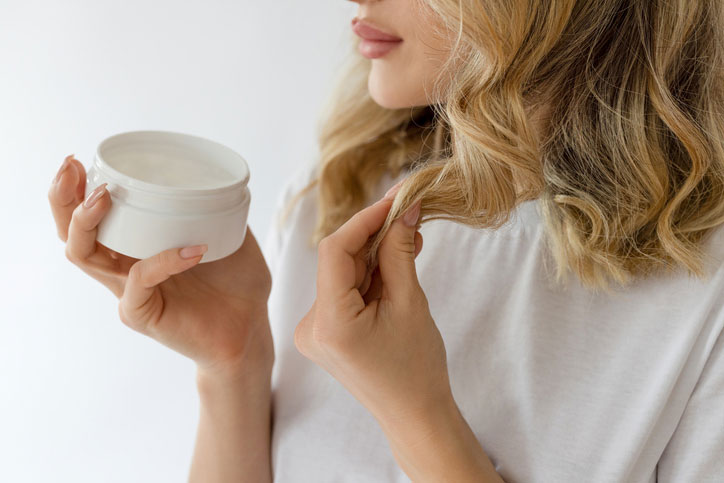
Product buildup in hair develops gradually, which is exactly why it is so easy to miss until it has already changed how your hair looks and behaves. Rather than one obvious symptom, it usually shows up as a cluster of small, related changes: hair that feels coated rather than clean, a scalp that seems slightly waxy between washes, and styling results that feel less reliable than they used to. This kind of residue is closely related to broader scalp buildup, but it presents specifically along the hair shaft and at the root in ways that are worth learning to recognize on their own.
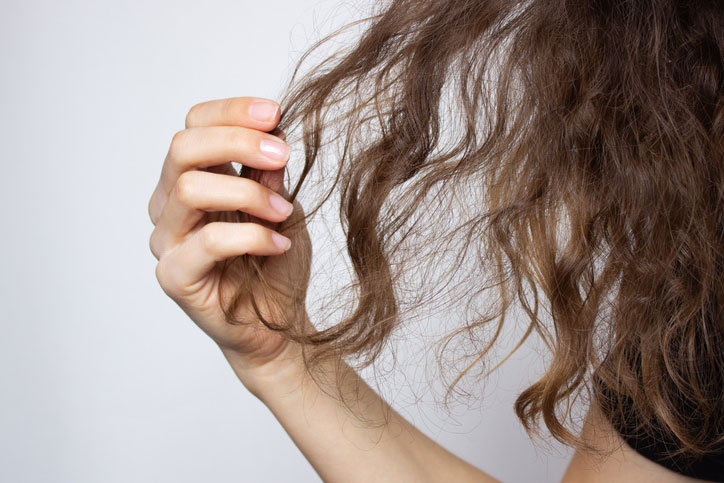
The most reliable way to check is a simple touch test. Run clean, dry fingers through your hair, from root to end, on a day you have not just washed it. If your fingers glide through smoothly, buildup is likely minimal. If they catch slightly or your hair feels tacky, filmy, or slightly gritty, that texture change is one of the clearest physical signs that residue has accumulated beyond what your regular shampoo routine is clearing.
Common Causes
Product buildup in hair rarely comes from a single source. It is almost always a combination of factors working together:
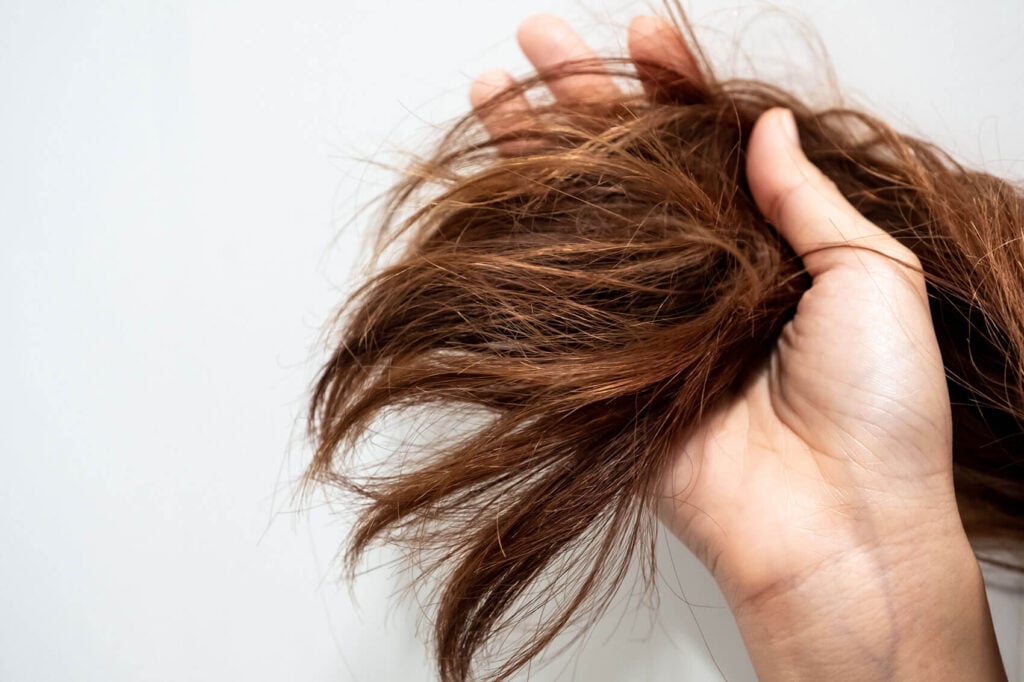
- Layered styling products. Gel, mousse, texturizing spray, and heat protectant each leave behind a small residual film. Individually, that residue is minor. Combined across a full styling routine, it adds up quickly.
- Natural oil production. Sebum is a normal, healthy part of scalp function, but it acts almost like a binding agent for other residues, making product film stickier and harder to rinse away.
- Hard water minerals. Calcium and magnesium in tap water bond to hair proteins, creating a mineral layer that traps product residue against the hair shaft.
- Infrequent washing relative to product use. Using multiple products daily while washing only once or twice a week creates more buildup than a gentle shampoo can realistically clear.
Styling Products and Dry Shampoo
Dry shampoo deserves specific attention because it is one of the most common — and most misunderstood — contributors to product buildup in hair. Dry shampoo works by absorbing oil at the root using a starch or powder base, which genuinely refreshes hair between washes. The issue is that the powder itself does not disappear once it has absorbed oil; it needs to be shampooed out, not simply brushed through.

Many people use dry shampoo daily but only shampoo their hair once or twice a week, which means several layers of absorbed oil and powder can accumulate before a wash finally clears them. Over time, this creates a grayish or dulled cast at the roots, particularly noticeable on darker hair, along with the coated texture that signals buildup has progressed beyond a surface issue.
Product Buildup vs. Dry or Damaged Hair

It is easy to mistake product buildup in hair for dryness or damage, because both can leave hair looking dull and feeling rough. The distinction matters, because the two problems call for opposite solutions — dryness calls for more moisture, while buildup calls for more thorough cleansing.
Dry or damaged hair tends to feel rough and porous throughout the length, with visible split ends and a texture that stays rough even right after washing. Product buildup in hair, by contrast, tends to feel coated rather than rough, often improves noticeably right after a clarifying wash, and is usually concentrated more heavily near the roots than at the ends. A useful test: if hair feels significantly better immediately after a single clarifying wash, buildup was likely the primary issue. If roughness persists even after a deep cleanse, moisture and damage repair are the more relevant focus.
How Buildup Affects Volume and Styling

One of the most noticeable effects of product buildup in hair is a steady loss of volume, even in hair that is naturally full. Residue adds weight to individual strands, which flattens natural lift at the root and makes hair lie closer to the scalp than it would otherwise. This is why hair can look voluminous right after washing but fall flat again within a day, even without additional styling product — the small amount of buildup remaining after an ordinary wash is often enough to compound day over day.
Styling performance suffers in a related way. Curling irons and flat irons rely on direct, even heat transfer to the hair shaft to create lasting shape. A layer of residue interferes with that transfer, which is part of why curls and blowouts can feel like they hold less well than they used to, even with the same tools and technique.
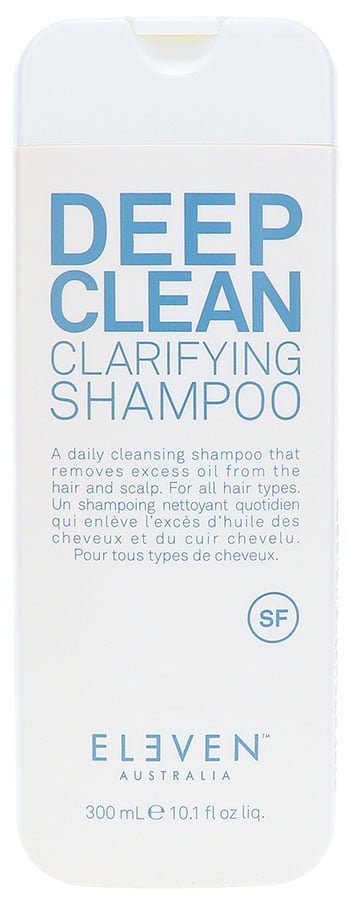
Deep Cleansing With ELEVEN Australia Deep Clean
ELEVEN Australia Deep Clean Clarifying Shampoo is formulated to cut through this kind of accumulated residue with an orange oil-enriched cleansing base that targets both scalp and hair shaft. Because it is designed for thorough removal rather than gentle daily maintenance, a single wash can visibly restore volume and shine in hair that has been carrying several days or weeks of styling product residue.
Using it as a periodic reset — rather than an everyday shampoo — allows the formula’s deeper cleansing action to do its job without disrupting a normal, gentler wash-day routine the rest of the time. Following immediately with a hydrating conditioner helps balance the deep cleanse, so hair feels reset rather than stripped.
How to Remove Product Buildup in Hair Safely
Removing product buildup in hair safely comes down to technique as much as product choice:
- Fully saturate hair with warm water before applying any shampoo, which helps loosen surface residue first.
- Apply clarifying shampoo directly to the scalp and massage thoroughly with fingertips for at least a full minute.
- Extend the wash through the mid-lengths and ends, since buildup is not limited to the root.
- Rinse completely, checking that no filmy residue remains before moving to conditioner.
- Follow immediately with a nourishing conditioner, concentrated from mid-length to ends, to restore softness after the deeper cleanse.
Preventing Buildup From Returning
Preventing buildup from recurring is far easier than repeatedly deep-cleaning to remove it. A few habits make a lasting difference: using styling products in more moderate amounts, shampooing dry shampoo out within a day or two rather than letting it accumulate over a week, and building a periodic clarifying wash into your routine on a predictable schedule rather than waiting until hair feels heavy.
Figuring out how often to use clarifying shampoo for your specific hair type and product habits is the single most effective way to keep buildup from becoming a recurring frustration rather than an occasional deep clean.
Frequently Asked Questions
How can I tell if it’s buildup and not just oily hair?
Oily hair typically feels greasy at the root but smooth through the lengths, and it responds well to a normal shampoo. Buildup feels coated throughout, resists a normal wash, and usually needs a clarifying formula to fully clear.
Does product buildup make hair fall out?
Buildup itself is a cosmetic and texture issue rather than a direct cause of hair loss, though a heavily coated scalp can feel uncomfortable. Ongoing shedding concerns should be discussed separately with a dermatologist.
Can I remove buildup without a clarifying shampoo?
A regular shampoo can remove some surface oil, but it is generally not formulated to break down resin-based product residue or mineral deposits as effectively as a dedicated clarifying formula.
Is buildup more common with curly or textured hair?
Curly and textured hair often relies on more leave-in and styling products to define curl pattern, which can lead to buildup more quickly than hair types that use fewer products.
Will one clarifying wash fully fix flat, dull hair?
A single clarifying wash often produces a noticeable improvement, but hair that has been carrying weeks of buildup may need one to two washes over a short period, followed by a more consistent clarifying schedule going forward.
AI-assisted, human-verified. At LaLaDaisy.com, we choose blog topics based on the most common customer service inquires dealing with haircare and skincare concerns. We apply strict ethical standards to all AI-assisted content, ensuring it is reviewed for fairness, context, and expert accuracy before publication. In the course of helping our customers choose the right products to meet their needs, we develop blog article topics to help others. Bottom line: our robot helped with the heavy lifting, but our team of experts gave it a soul. Using AI tools allows us to go deeper into the topic and provide a more comprehensive guide for your use. At LaLadaisy.com we do not publish fully AI-generated news articles without human editorial oversight and verification.