
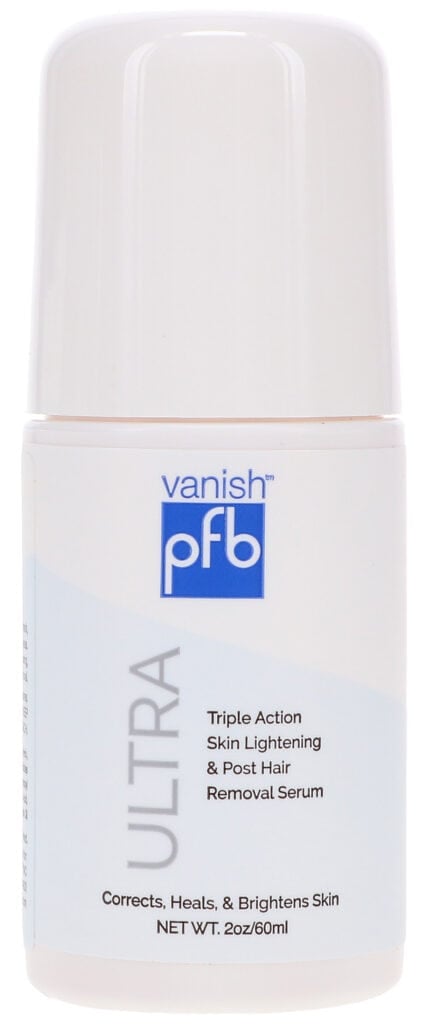
A post-hair-removal routine only works if it is simple enough to actually follow every time you shave, wax, or tweeze. Most people already own the right idea in pieces — exfoliate sometimes, moisturize sometimes, treat a bump if it shows up — but without a consistent structure, results stall. This guide lays out a complete daily and weekly routine, including exactly when to use a treatment serum versus a roll-on, so the system runs on autopilot instead of guesswork.
The Routine at a Glance

A complete routine includes four core steps: prep, remove, treat, and maintain. Each one has a specific job, and skipping any single step is the most common reason a routine underperforms.
- Prep the night before hair removal with gentle exfoliation
- Remove hair using clean technique that minimizes trauma to the follicle
- Treat the area within minutes of finishing hair removal
- Maintain with daily application on non-removal days
The Night Before: Prep Step
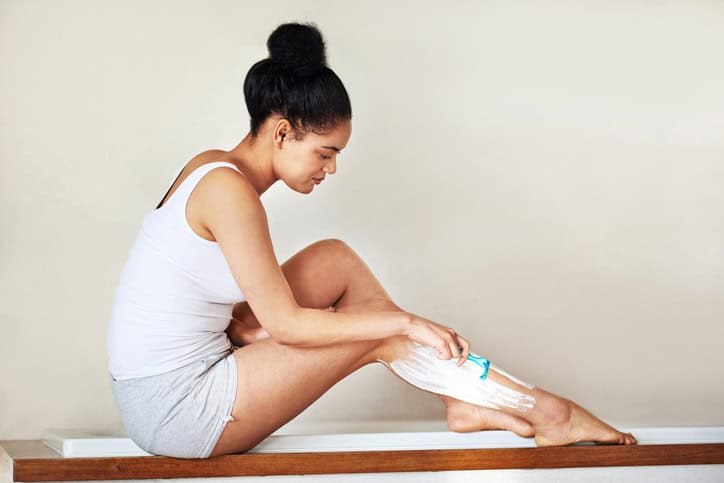
Exfoliate the area you plan to shave or wax roughly 24 hours ahead of time, not immediately before. A soft washcloth in the shower or a mild, fine-grain scrub is enough to clear away dead skin cells that would otherwise trap a regrowing hair inside the follicle. Skip this step the same day you remove hair, since freshly exfoliated skin combined with a razor or wax can be more prone to irritation.
Hair Removal Day: The Remove Step
Whatever method you use, technique matters more than product at this stage. For shaving, use a sharp, clean blade and shave in the direction hair grows, at least for the first pass, since shaving against the grain significantly raises ingrown hair risk. For waxing, pull quickly against the direction of growth and avoid repeated passes over the same strip of skin. Rinse the area with lukewarm, not hot, water immediately afterward, since hot water can increase irritation on freshly treated skin.
Right After: The Treat Step

This is the single most important moment in the entire routine, because follicles are most receptive to treatment in the minutes immediately following hair removal. Apply a targeted post-hair-removal formula — one built around exfoliating acids and brightening technology — to the treated area as soon as skin is dry. For larger areas like legs or underarms, a lightweight serum spreads evenly and absorbs quickly. For smaller, more precise areas like the bikini line, chin, or upper lip, a roll-on applicator allows targeted placement exactly where it is needed without wasting product on unaffected skin.
Every Day In Between: The Maintain Step
This is the step most routines skip, and it is the one that determines whether dark spots actually fade. On days you are not removing hair, continue applying the same treatment once daily to any area prone to ingrown hairs or dark marks. Consistency here does more for visible results than any single product application ever will, because both follicle clarity and pigment fading depend on steady, repeated exposure to the active ingredients rather than occasional use.
A Sample Weekly Schedule

Putting the four steps into a weekly rhythm makes the routine concrete:
- Sunday night: gentle exfoliation on areas you plan to shave or wax this week
- Monday morning: hair removal, followed immediately by treatment application
- Tuesday through Saturday: daily maintenance application on treated areas, light exfoliation once or twice midweek
- Following Sunday: repeat the cycle
This schedule is a starting point rather than a rule — some people remove hair more or less frequently, and the maintain step simply continues regardless of how often removal happens. The point of building a post-hair-removal routine around a weekly rhythm like this one is to remove decision-making from the process entirely, so treatment happens automatically rather than only when a bump or dark spot is already noticeable.
Layering a Serum and a Roll-On Without Overdoing It

For people treating more than one area — say, legs with a serum and the bikini line with a roll-on — it helps to think of the products as assigned to specific zones rather than layered on top of each other in the same spot. Using both a serum and a roll-on on the exact same patch of skin at the same time generally is not necessary and can increase the chance of irritation from over-application. Assign the serum to broader areas and the roll-on to smaller, more targeted zones, and let each one do its job independently.
Signs the Routine Is Working
Because results build gradually, it helps to know what to look for along the way rather than waiting for a single dramatic change. Within the first two to three weeks, fewer new ingrown hairs forming is usually the first sign the routine is working, since the exfoliating acids are keeping follicles clear. Texture typically smooths out around the same time. Visible fading of existing dark spots takes longer, usually six to eight weeks, since that process depends on skin’s natural cell turnover cycle rather than surface-level exfoliation alone.
What to Do If Skin Feels Sensitive
A mild tingling sensation on first use is common with exfoliating-acid formulas, especially on freshly shaved or waxed skin, and typically settles within the first several applications as skin adjusts. If irritation feels sharp, persistent, or is accompanied by significant redness, scale back to every other day for a week before returning to daily use, and always apply to clean, dry skin rather than immediately after rinsing with hot water. For the full breakdown of why specific ingredients are formulated the way they are, see our guide to the ingredients that fade ingrown hair dark spots.
Traveling or Changing Your Schedule

Life does not always allow for a perfectly consistent routine, and travel or a busy stretch can easily interrupt the maintain step. If a few days are missed, simply resume the routine as soon as possible rather than trying to make up for lost time with extra product or more frequent application, which does not speed up results and can increase irritation. A travel-size version of whichever format fits your main treatment areas makes it easier to keep the maintain step going even when normal routines are disrupted.
Fitting This Into the Bigger Picture
This routine is the practical, day-to-day version of the broader framework for treating ingrown hairs and dark spots after any form of hair removal. For the complete explanation of why bumps and dark marks form in the first place, see our guide to ingrown hairs and dark spots after hair removal.
Making the Post-Hair-Removal Routine Stick

The biggest reason a post-hair-removal routine fails is not the products chosen — it is inconsistency in the maintain step. Keeping treatment somewhere visible, like next to a toothbrush or in a shower caddy, makes daily application far more likely to actually happen. Pairing the routine with an existing daily habit, such as applying it right after showering or right before bed, also helps it stick without requiring extra willpower. A post-hair-removal routine that is easy to remember is one that actually gets followed long enough to produce visible results.
Frequently Asked Questions
How often should this routine be used?
The treat step should be used daily, both immediately after hair removal and on non-removal days, for consistent results. The prep step is typically only needed the night before hair removal, not every day.
Is it normal for a treatment to sting slightly when first applied?
A brief, mild tingling sensation is common with exfoliating-acid formulas, particularly on freshly treated skin, and usually decreases as skin builds tolerance. Persistent burning or sharp discomfort is not typical and is a sign to reduce frequency temporarily.
Can this routine be used on the face as well as the body?
Many post-hair-removal formulas are suitable for use on the face, including the chin and upper lip, but always check the specific product’s usage guidance first, since facial skin can react differently than skin on the legs or bikini line.
How long does it take to see results from a consistent routine?
Most people notice fewer new ingrown hairs within two to three weeks. Visible fading of existing dark spots generally takes six to eight weeks of consistent daily use.
What happens if I only treat the area right after hair removal and skip the daily maintenance step?
Skipping daily maintenance significantly slows results, since both follicle clarity and pigment fading depend on steady, repeated treatment rather than occasional application only on removal days.
AI-assisted, human-verified. At LaLaDaisy.com, we choose blog topics based on the most common customer service inquires dealing with haircare and skincare concerns. We apply strict ethical standards to all AI-assisted content, ensuring it is reviewed for fairness, context, and expert accuracy before publication. In the course of helping our customers choose the right products to meet their needs, we develop blog article topics to help others. Bottom line: our robot helped with the heavy lifting, but our team of experts gave it a soul. Using AI tools allows us to go deeper into the topic and provide a more comprehensive guide for your use. At LaLadaisy.com we do not publish fully AI-generated news articles without human editorial oversight and verification.