-
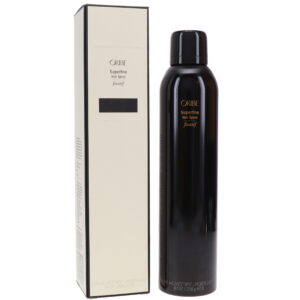 Oribe Superfine Hair Spray 9 oz
×
$31.991 × $31.99
Oribe Superfine Hair Spray 9 oz
×
$31.991 × $31.99


Finding the best heat protectant for color-treated hair matters more than it does for untreated strands, because color-treated hair is managing two risks at once every time a hot tool touches it: structural damage to the hair shaft, and fading or shifting of the color itself. This guide covers what makes heat protection different for color-treated hair, what to look for in a formula, and how to build heat protection into a broader routine rather than treating it as a single stand-alone step.
Why Color-Treated Hair Needs a Different Approach to Heat

Coloring, whether through permanent color, highlights, or a full bleach and tone service, works by opening the hair’s cuticle to allow pigment to be deposited or lifted. That cuticle doesn’t fully close back down to its original state afterward, which leaves color-treated hair more porous than untreated hair. Higher porosity means color-treated strands lose moisture faster, and it also means the hair shaft has less structural reserve to absorb additional stress from heat styling without further damage.
On top of the structural concern, heat itself can accelerate color fading. High temperatures can cause color molecules to break down or shift faster than they would through washing and daily wear alone, which is part of why color-treated hair styled with hot tools regularly, without protection, tends to need more frequent color refreshes than hair that’s protected consistently.
What to Look For in a Heat Protectant for Color-Treated Hair

A handful of qualities matter more for color-treated hair specifically. First, look for a formula explicitly designed to work with color-, keratin-, or chemically-treated hair, rather than a generic protectant, since formulas built for treated hair typically account for the increased porosity and fragility that comes with processing. Second, prioritize a lightweight texture that absorbs without leaving residue, since heavier serums can dull color vibrancy or leave hair looking weighed down rather than shiny. Third, look for added benefits like humidity resistance and antioxidant support, since color-treated hair benefits from protection against everyday environmental stress, not just heat exposure during active styling sessions.
Amika Blockade Heat Defense Serum for Color-Treated Hair
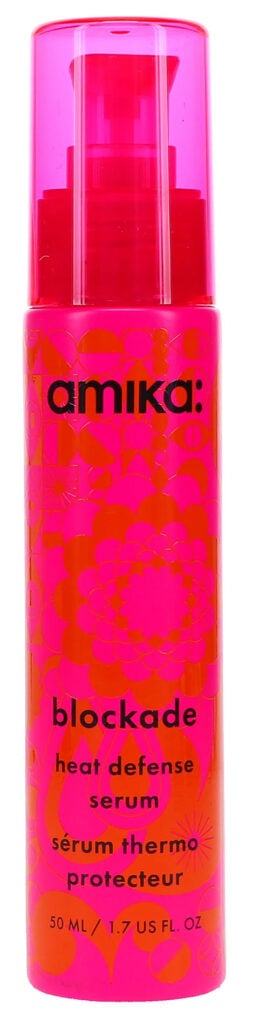
Amika Blockade Heat Defense Serum is formulated to sit between hair and hot tools, providing a protective layer while adding shine and resistance to humidity-related frizz. Its lightweight, sulfate-, paraben-, and phthalate-free formula is designed to be safe on chemically treated hair, which makes it a reasonable fit for the specific needs color-treated hair has around porosity and fragility. Packed with vitamins A, C, and E, it’s built to support collagen production in the hair while providing dual protection during the styling process itself, rather than only shielding hair from heat and doing nothing else.
Apply it to towel-dried hair before using any hot tool, focusing on mid-lengths and ends where color-treated hair tends to be most porous and most in need of the added protection, and avoid the roots where less protection is typically needed.
Layering With a Detangling Primer
Heat protectant works best as part of a short sequence rather than a single isolated step. Before applying Blockade Heat Defense Serum, run towel-dried hair through Amika The Wizard Detangling Primer first. This step reduces the friction and breakage that comes from brushing out tangles on fragile, color-treated hair, and it also primes the cuticle for smoother, more even heat protectant application afterward. Skipping this step and going straight to a heat protectant on tangled hair often means the serum has to work through knots and rough patches rather than distributing evenly across smooth strands.

The general order on a styling day looks like this: shampoo, then a mask or conditioner depending on the day, then towel-dry, then detangling primer, then heat protectant, then styling. This sequence is part of the broader Amika hair care routine, which covers how these same products fit together across a full week rather than a single wash day, and it sits inside the larger Amika hair care guide covering ingredients, hair-type adjustments, and the full product lineup.
Styling Considerations for Color-Treated Hair
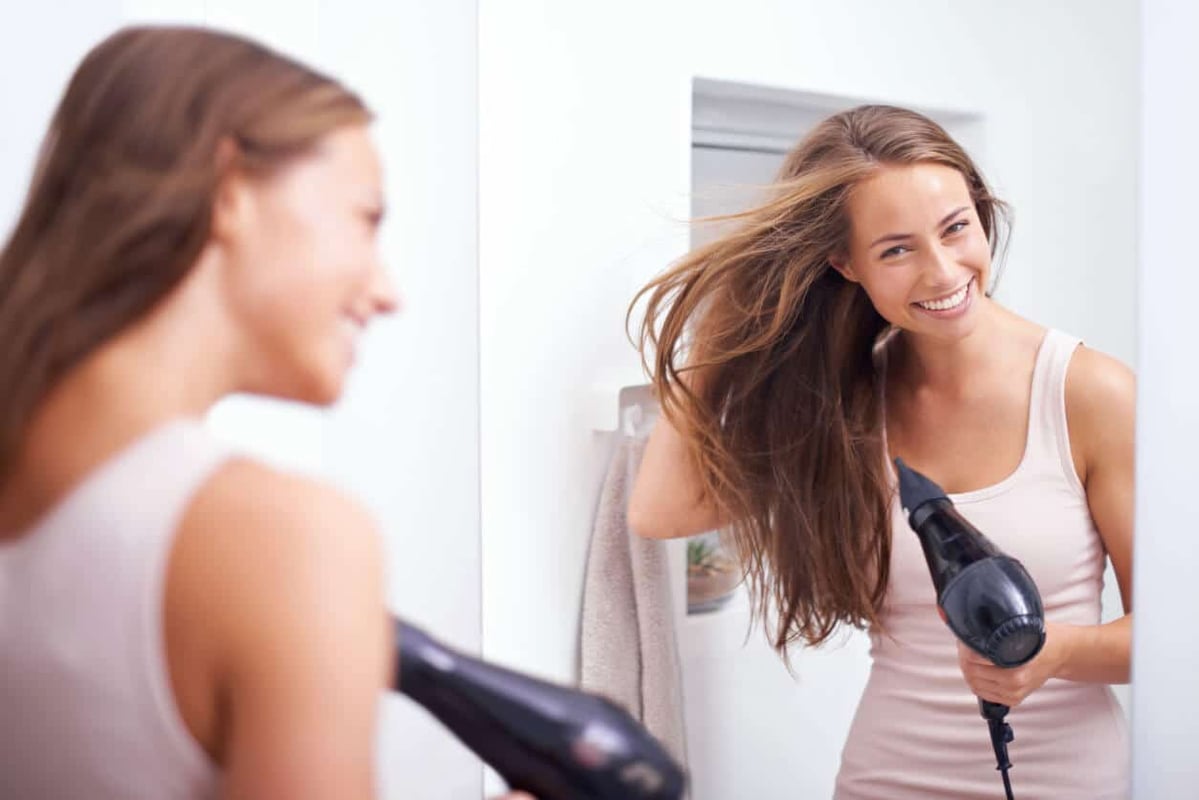
Beyond product choice, a few styling habits matter specifically for color-treated hair. Lower heat settings, when your styling tool allows it, reduce cumulative stress on already-porous strands without necessarily sacrificing the style you’re going for, since most styling tools can achieve similar results at moderate rather than maximum heat. Reducing the number of passes with a flat iron or curling tool over the same section also matters, since repeated heat exposure to the same strands compounds faster than a single, well-executed pass. Finally, spacing out heat styling days when possible, rather than using hot tools daily, gives hair more recovery time between exposures, particularly when combined with regular deep treatment.
Supporting Color-Treated Hair Beyond the Protect Step

Heat protection is one part of a larger picture for color-treated hair. Because color increases porosity and moisture loss, the deep treatment step in a full routine carries extra weight for anyone coloring their hair regularly. A weekly or twice-weekly mask helps offset some of the moisture color processing tends to strip away, working alongside heat protection rather than replacing it. For a closer look at how a full repair-focused approach comes together for hair that’s dealing with dryness or damage in addition to color, our guide to the products for dry, damaged hair walks through that in more detail.
Common Mistakes With Heat Protection on Color-Treated Hair
The most common mistake is applying heat protectant only on days a flat iron or curling tool is used, while skipping it on lower-heat blow-dry-only days, when in reality any consistent heat exposure benefits from protection. Another frequent mistake is applying protectant to already-dry hair rather than towel-dried, damp hair, which reduces how evenly the product distributes and how effectively it can form a protective layer before heat is introduced. Finally, using a heavier serum meant for very coarse, unprocessed hair on fine or color-treated hair can leave strands looking flat or greasy rather than protected and shiny, which is why matching the formula to both hair type and color history matters.
How Heat Protection Fits Into a Weekly Rhythm

For most people styling with heat two to four times a week, a workable rhythm looks like this: detangling primer every time hair is styled, whether or not heat is involved, and heat protectant specifically on the days a flat iron, curling tool, or high-heat blow dryer setting is used. On lower-maintenance styling days, such as an air-dry or a simple low-heat blow-out, a lighter hand with the protectant is reasonable, but skipping it entirely still adds up over the course of a month. Building this into the same weekly rhythm as cleansing and deep treatment, rather than treating it as a separate decision each time, tends to produce more consistent results than deciding fresh every morning whether protection is worth the extra step.
Frequently Asked Questions
Is heat protectant more important for color-treated hair than for natural hair?
Color-treated hair is generally more porous and structurally fragile due to the processing involved, which makes consistent heat protection more important, though it’s beneficial for all hair types exposed to regular heat styling.
Can heat protectant help prevent color from fading?
Heat protectant primarily protects the hair’s structure, but by reducing heat-related stress and supporting moisture retention, it can also help slow the rate at which heat styling contributes to color fading.
Should I apply heat protectant to wet or dry hair?
Most heat protectants, including serums like Blockade Heat Defense Serum, are designed to be applied to towel-dried, damp hair before styling, allowing for more even distribution across the strand.
Do I still need heat protectant on low heat settings?
Yes. Heat-related stress is cumulative, and even lower temperature settings contribute to it over repeated use, so consistent protection is worthwhile regardless of the exact heat level.
How does a detangling primer work alongside a heat protectant?
A detangling primer is used first, on towel-dried hair, to reduce breakage from brushing and prepare the cuticle, and the heat protectant follows as the final layer before styling begins.
AI-assisted, human-verified. At LaLaDaisy.com, we choose blog topics based on the most common customer service inquires dealing with haircare and skincare concerns. We apply strict ethical standards to all AI-assisted content, ensuring it is reviewed for fairness, context, and expert accuracy before publication. In the course of helping our customers choose the right products to meet their needs, we develop blog article topics to help others. Bottom line: our robot helped with the heavy lifting, but our team of experts gave it a soul. Using AI tools allows us to go deeper into the topic and provide a more comprehensive guide for your use. At LaLadaisy.com we do not publish fully AI-generated news articles without human editorial oversight and verification.