-
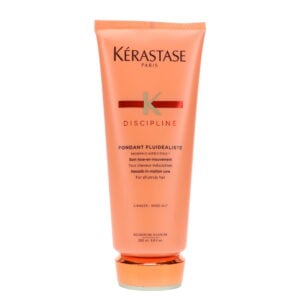 Kérastase Discipline Fondant Fluidealiste 6.8 oz
×
$41.951 × $41.95
Kérastase Discipline Fondant Fluidealiste 6.8 oz
×
$41.951 × $41.95



You may need a low porosity hair care routine If your hair takes forever to get wet, your products seem to sit on top rather than soak in, and your deep conditioner leaves your strands feeling coated rather than nourished. You are almost certainly dealing with low hair porosity. And the good news is that this is not a hair problem. It is a technical problem.
Low hair porosity indicates hair that has a tightly closed cuticle that does not naturally allow moisture or products to pass through easily. The solution is not more product or a longer conditioning time — it is a low porosity hair care routine. This is a structured approach that temporarily opens the cuticle, introduces moisture while it is open, and then closes it to lock that moisture in. Once that system is in place, low porosity hair can be remarkably healthy, shiny, and hydrated.
This guide walks you through a complete hair care routine for low hair porosity, step by step.
Understanding Porosity Before You Build a Routine
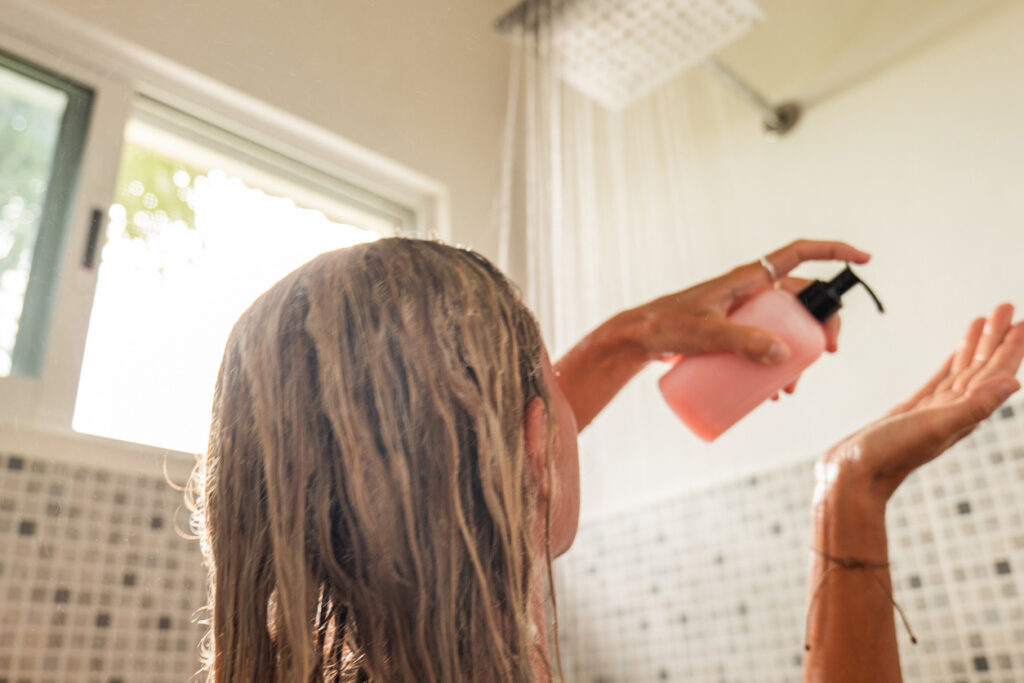
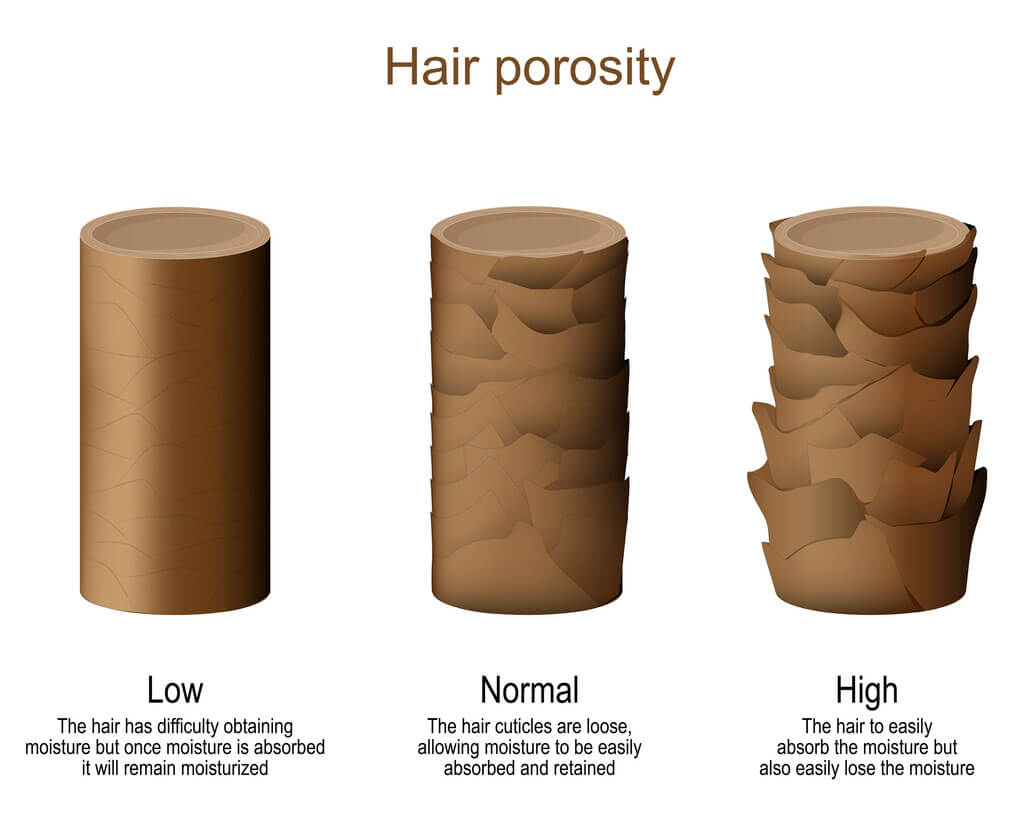
Before diving into the low porosity hair care routine itself, it’s helpful to understand low hair porosity and why your hair behaves the way it does. Hair porosity refers to how open or closed the cuticle layer of the strand is, and it determines how well moisture and conditioning agents can enter and exit the hair. Low porosity hair has a cuticle that lies very flat and tightly closed, which means it requires specific techniques to work with, not against, that structure. For a complete overview of how to test your own porosity and understand all three types, see the full guide to hair porosity.
Step 1: Clarify Before You Condition
The single most important preparation step for a low porosity hair care routine is regular clarification. Because the closed cuticle prevents products from absorbing, they accumulate on the surface of the strand. Over time, this layer of product residue becomes a barrier that makes moisture absorption even more difficult — and it contributes to that characteristic low porosity “product overload” feeling: heavy, coated, and dull despite conditioning.
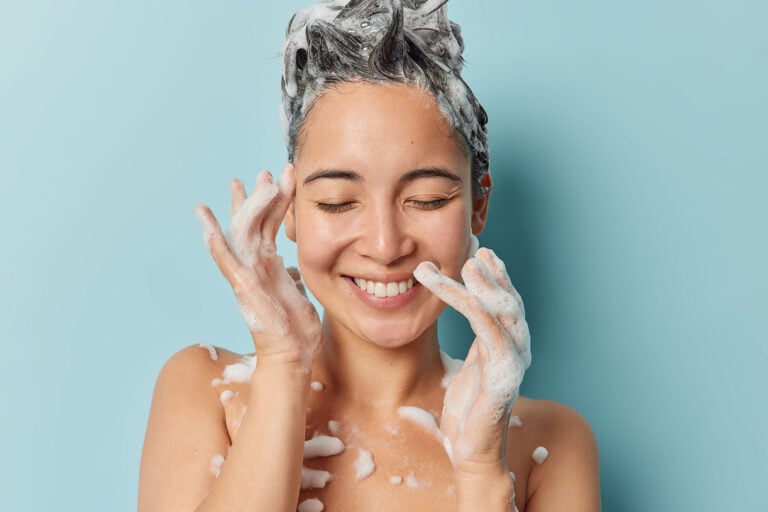
Use a clarifying shampoo once every two to four weeks, or more frequently if you use heavy styling products. A clarifying wash strips the surface of the strand back to a clean baseline, giving your conditioning treatments a better chance to penetrate.
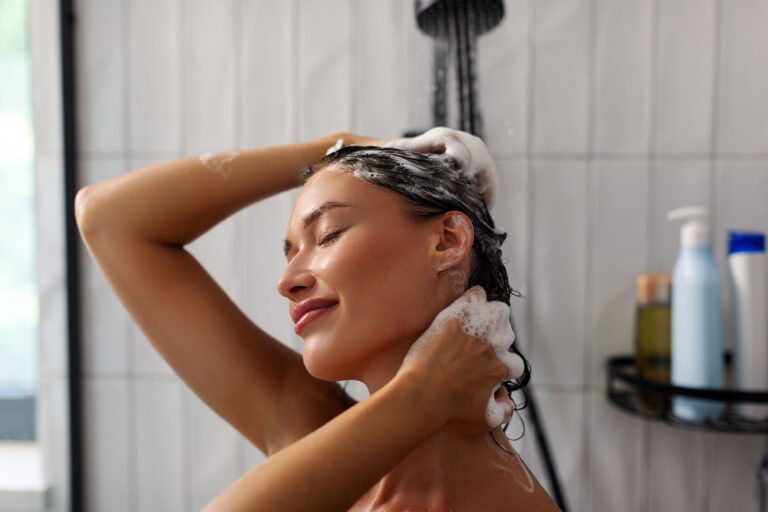
For everyday wash days, a lightweight, sulfate-free shampoo is appropriate — but do not skip the regular clarifying step. Product build-up is one of the primary reasons a low porosity hair care routine fails to deliver results.
Step 2: Apply Warmth Before and During Deep Conditioning
Heat is the most powerful tool in a low porosity hair care routine. Warmth temporarily raises the cuticle, creating the openings that allow moisture and conditioning agents to enter. Without heat, even the best deep conditioner will largely sit on the surface of low porosity strands.
There are several ways to apply heat during conditioning:
- A plastic processing cap with a hooded dryer or steamer is the most effective method — it distributes consistent, gentle heat across the entire head.
- A heated conditioning cap (microwavable or electric) provides excellent results and is more accessible for home use.
- A simple warm towel wrapped around a plastic cap creates enough heat to lift the cuticle modestly. This is a lower-tech option that still significantly outperforms conditioning with no heat at all.

Apply your deep conditioner to clean, damp hair, cover with a cap, add heat, and leave on for a minimum of 20 to 30 minutes. The combination of moisture-saturated hair and heat is what makes the difference in low porosity conditioning.
Step 3: Choose the Right Deep Conditioner
Not all deep conditioners are suitable for low porosity hair. The formulas that work best are lightweight, moisture-rich, and free from heavy proteins and dense butters that cannot penetrate a tight cuticle. Look for conditioners that use humectants — ingredients that attract and hold water — as their primary conditioning agents.

The Davines MOMO Moisturizing Conditioner is well-matched to this need. It delivers concentrated moisture in a lightweight format that does not rely on heavy coating agents — making it an ideal choice for low porosity hair that needs real hydration rather than surface conditioning. Paired with gentle heat, it offers the kind of penetration that low porosity strands require. Available at LaLaDaisy: https://www.laladaisy.com/products/davines-momo-moisturizing-conditioner-8-77-oz-2/
Step 4: Apply Leave-In Sparingly and Strategically

Leave-in conditioners are a standard part of most hair care routines — but for low porosity hair, the wrong leave-in will undo everything the deep conditioning step accomplished. Heavy creams and milks that cannot absorb through a tight cuticle will simply sit on the strand and contribute to build-up.
Choose a lightweight, water-based leave-in. Spray-style or mist leave-ins are often the most effective for low porosity hair because their primary vehicle is water, which the hair can absorb. Apply only as much as the hair needs — low porosity hair requires noticeably less product than high porosity hair, and less is genuinely more in this case.
Step 5: Seal Lightly With a Penetrating Oil
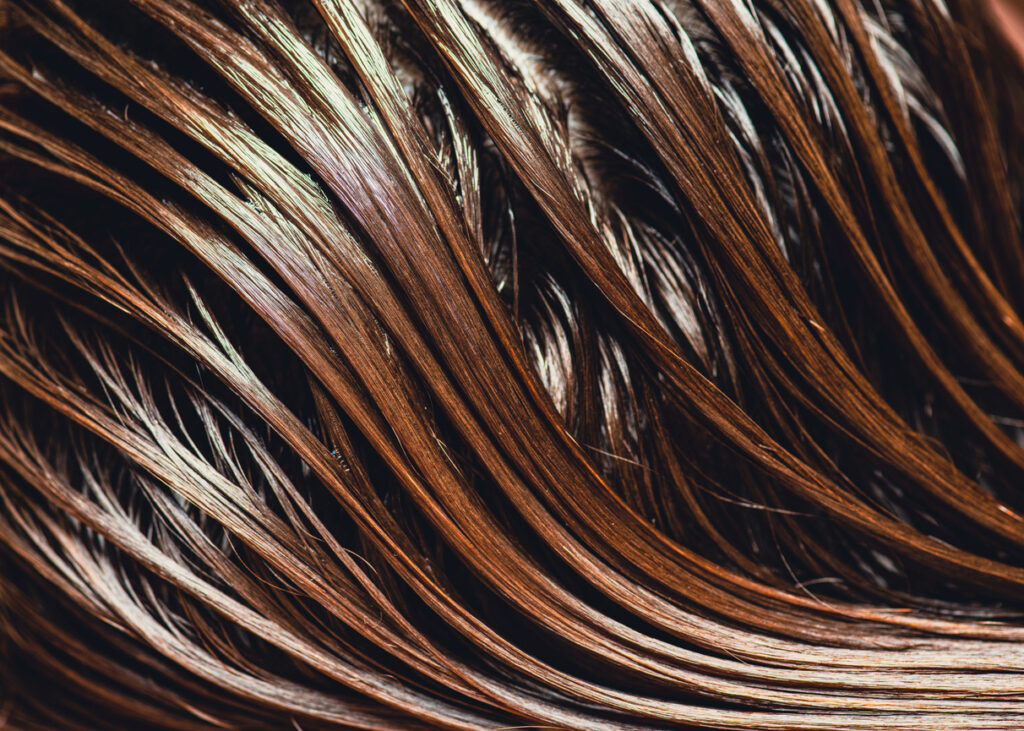
After applying your leave-in, seal with a lightweight oil that can penetrate the hair shaft rather than simply coating it. Argan oil, baobab oil, and grapeseed oil are among the best choices for low porosity hair — they have a relatively small molecular structure that allows them to work with the cuticle rather than sitting on top of it.
Avoid thick butters and heavy mineral oil-based products as primary sealants. These are far better suited to high porosity hair, where the cuticle needs the extra coating. On low porosity hair, they will contribute to the surface build-up that makes the routine ineffective.
Common Mistakes in a Low Porosity Hair Care Routine
Even well-intentioned routines can fall short with low porosity hair if these patterns are not corrected.
- Skipping heat: The most common and most impactful mistake. No amount of additional product can compensate for the lack of heat during deep conditioning.
- Over-conditioning: Low porosity hair does not need multiple conditioning steps. One well-executed deep condition with heat is more effective than layering a rinse-out, a deep conditioner plus a protein treatment in the same session.
- Using protein-heavy products when hair is not damaged: Unless low porosity hair is also damaged, heavy protein treatments create an additional barrier on the cuticle surface. They are neither necessary nor beneficial for undamaged, low-porosity hair.
- Applying too many products: Product layering amplifies build-up. Minimalism — fewer, more targeted products — is genuinely the more effective strategy for low porosity hair.

If your hair is consistently dry and coated despite having a regular routine, it may also be worth exploring the deeper question of why hair won’t hold moisture, which examines the relationship between porosity type and moisture retention from a diagnostic perspective.
Weekly and Bi-Weekly Routine Structure
Wash Day (Weekly)
- Clarify with clarifying shampoo (every 2–4 weeks) or lightweight sulfate-free shampoo
- Rinse thoroughly with warm water
- Apply deep conditioner (lightweight, humectant-based)
- Cover with plastic cap and apply heat — minimum 20 to 30 minutes
- Rinse with cool water to close the cuticle
- Apply lightweight water-based leave-in sparingly
- Seal with a penetrating, lightweight oil
Mid-Week Moisture Refresh (As Needed)
- Lightly mist hair with water or a diluted leave-in spray
- Seal with a very small amount of lightweight oil
- Style as usual — avoid adding new product layers if hair feels balanced
Frequently Asked Questions
Does low porosity hair need protein treatments?
Generally, no — unless the hair is also damaged. Low porosity hair does not need protein to fill cuticle gaps because its cuticle is already closed. Protein-heavy treatments can actually worsen low porosity hair by adding to surface coating. If you have both low porosity and chemical damage, a very light protein treatment can be used occasionally, but it should not be a routine staple.
Why does my low porosity hair feel dry even after deep conditioning?
The most likely cause is that the deep conditioner did not actually penetrate the strand. Without heat, most conditioning agents sit on the surface of low porosity hair and are simply rinsed away. If you have been conditioning without heat, adding a heated cap to your next wash day will likely produce a noticeable difference.
Can I use a regular conditioner instead of a deep conditioner on low porosity hair?
A rinse-out conditioner is not an adequate replacement for a deep conditioner used with heat. The conditioning session with heat is the mechanism by which low porosity hair receives genuine moisture — a standard rinse-out conditioner applied without heat will not achieve the same result. Reserve regular conditioner for your mid-week refreshes and commit to at least one heat-assisted deep condition per wash day.
How often should I clarify low porosity hair?
Every two to four weeks for most people, and more frequently if you use heavy styling products or dry shampoo regularly. If you use exclusively lightweight products, you may be able to extend to four or five weeks between clarifying sessions — but do not eliminate this step entirely. Build-up management is foundational to low porosity hair health.
AI-assisted, human-verified. At LaLaDaisy.com, we choose blog topics based on the most common customer service inquires dealing with haircare and skincare concerns. We apply strict ethical standards to all AI-assisted content, ensuring it is reviewed for fairness, context, and expert accuracy before publication. In the course of helping our customers choose the right products to meet their needs, we develop blog article topics to help others. Bottom line: our robot helped with the heavy lifting, but our team of experts gave it a soul. Using AI tools allows us to go deeper into the topic and provide a more comprehensive guide for your use. At LaLadaisy.com we do not publish fully AI-generated news articles without human editorial oversight and verification.