Understanding Hyperpigmentation Before Trying To Treat It

Dark spots, uneven skin tone, post-acne marks, sun damage — these are different-sounding problems that share a common underlying mechanism: excess or unevenly distributed melanin. Treating hyperpigmentation effectively requires understanding that mechanism, because the approach that works depends on where in the pigmentation process the problem originates.
Niacinamide for hyperpigmentation works at a specific, clinically validated step in that process. It is not a surface-brightening agent that temporarily masks pigmentation. It is an active that intervenes in the biological chain of events that produces visible dark spots and gradually reduces their appearance with consistent use.
This guide explains exactly how niacinamide addresses hyperpigmentation, what types of pigmentation it works best for, realistic timelines, and how to build an effective brightening routine around it. For the full picture of everything this ingredient does beyond dark spots, the complete resource on niacinamide skin benefits is a valuable companion.
The Melanin Process: Where Dark Spots Come From

Melanin — the pigment responsible for skin color — is produced by specialized cells called melanocytes, located in the basal layer of the epidermis. When triggered by UV exposure, inflammation, or hormonal signals, melanocytes produce melanin and package it into organelles called melanosomes. These melanosomes are then transferred to surrounding keratinocytes — the surface cells of the skin — where the melanin becomes visible.
Hyperpigmentation occurs when this process is overactivated in localized areas, creating concentrations of melanin that appear as dark spots, patches, or areas of uneven tone. The overactivation can come from several sources:
- UV exposure — the most common trigger for sun spots and overall dullness
- Post-inflammatory hyperpigmentation (PIH) — triggered by acne, injury, or any skin inflammation
- Hormonal shifts — particularly in melasma, where estrogen and progesterone influence melanocyte activity
- Cumulative oxidative stress from environmental pollution
Different types of hyperpigmentation respond differently to different actives, which is why understanding the type and trigger of your pigmentation matters for choosing the right treatment approach.
How Niacinamide Addresses Hyperpigmentation at the Source
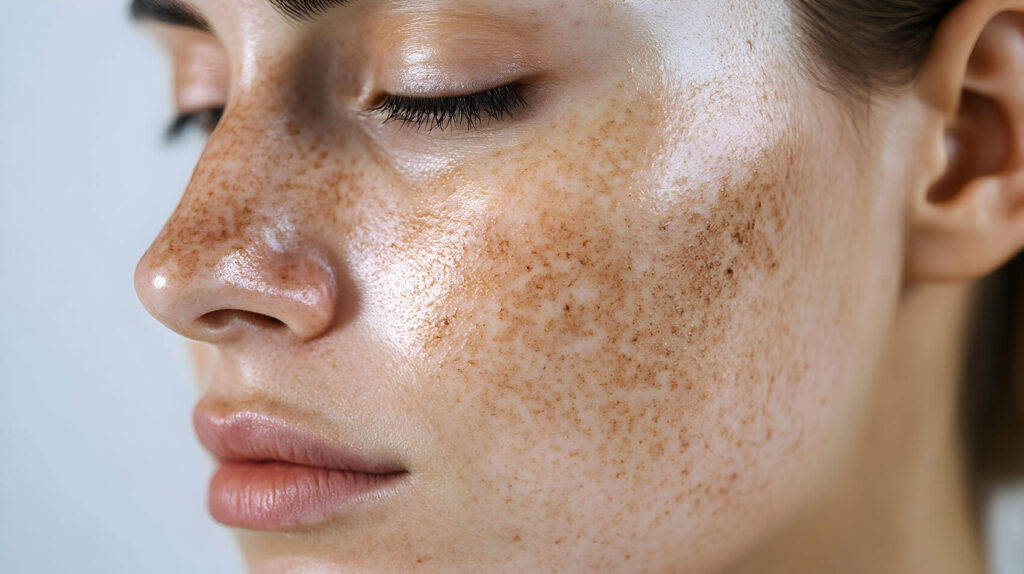
Niacinamide’s primary mechanism for addressing hyperpigmentation is the inhibition of melanosome transfer — the step in which packaged melanin moves from melanocytes to keratinocytes. By interrupting this transfer, niacinamide prevents newly produced melanin from reaching the surface cells where it becomes visible as a dark spot.
This is an important distinction from how vitamin C works. Vitamin C targets tyrosinase — the enzyme that drives melanin synthesis itself. Niacinamide allows synthesis to occur but prevents the resulting melanin from being delivered to the skin surface. These two mechanisms target different steps in the same process, which is why the combination of niacinamide and vitamin C produces more comprehensive brightening than either alone.
Niacinamide also reduces the inflammatory response that triggers PIH. For acne-related dark marks in particular, this dual action — interrupting melanosome transfer while reducing the inflammation that caused the pigmentation in the first place — makes niacinamide especially effective.
Types of Hyperpigmentation and How Niacinamide Helps Each
Post-Inflammatory Hyperpigmentation (PIH)
PIH appears as flat dark marks following acne, cuts, burns, or any skin inflammation. It is most common in medium to darker skin tones and can persist for months to years without active treatment. Niacinamide is one of the most effective and well-tolerated options for PIH — its anti-inflammatory properties address the trigger while its melanosome-transfer inhibition addresses the pigmentation directly. Consistent twice-daily use over eight to twelve weeks typically produces visible lightening.
Sun Spots and UV-Induced Pigmentation
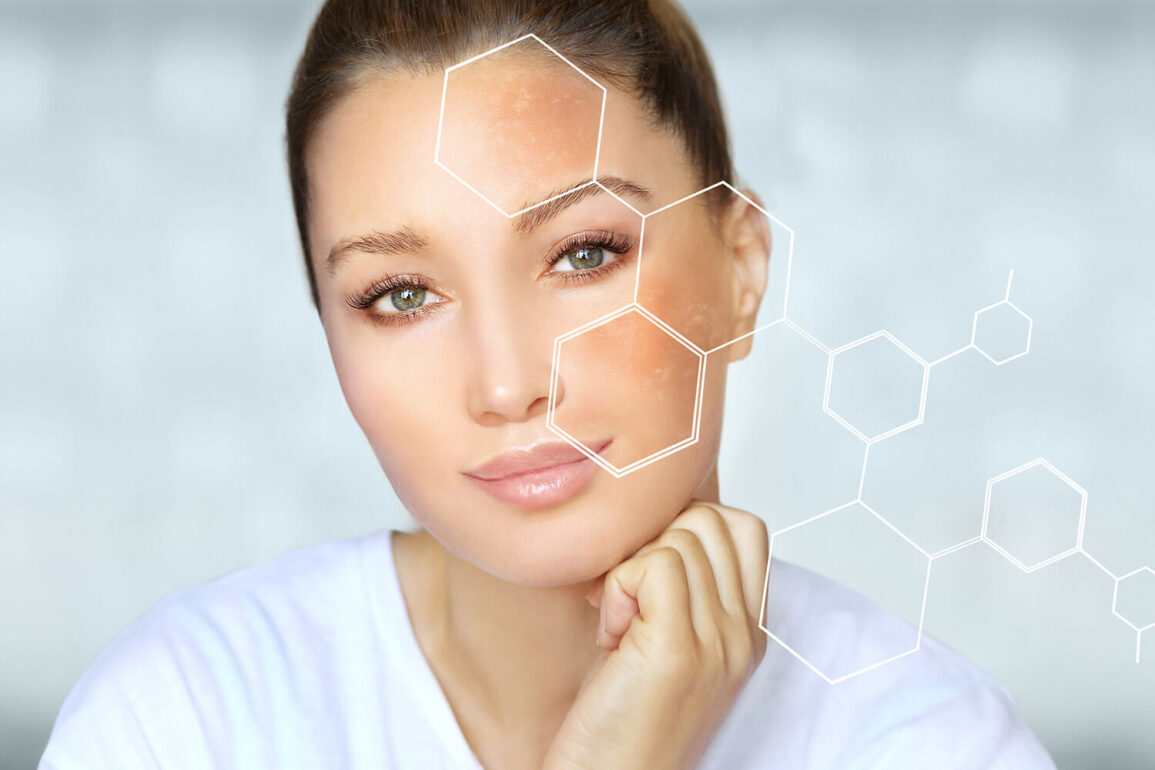
UV-related pigmentation is among the most common forms of hyperpigmentation and tends to be diffuse rather than deeply localized. Niacinamide helps by reducing melanin transfer and improving overall melanin distribution, which creates a more even tone over time. For this type of pigmentation, combining niacinamide with a vitamin C product and consistent SPF use delivers the most comprehensive approach — vitamin C interrupts the UV-triggered synthesis, niacinamide handles the transfer, and SPF prevents new damage.
Melasma
Melasma is among the most challenging forms of hyperpigmentation because it is hormonally driven and deeply located. Niacinamide alone is rarely sufficient for significant melasma improvement but is an important supporting ingredient within a comprehensive melasma management protocol. It reduces melanin transfer and has a calming effect on melanocyte reactivity. It is also one of the few actives that can be used consistently throughout a melasma treatment cycle without sensitizing or disrupting the skin.
What Results To Realistically Expect From Niacinamide

Setting realistic expectations is one of the most important aspects of treating hyperpigmentation with any active. Niacinamide produces genuine, progressive results — but it is not an overnight solution. Here is a practical timeline based on clinical evidence:
- Weeks 1–2: No visible change in pigmentation, but internal regulation of melanosome transfer has begun. Some users notice improved texture and a slight reduction in dullness.
- Weeks 3–4: Early reduction in surface dullness and a more even overall tone for some users. Pigmentation improvements are subtle at this stage.
- Weeks 6–8: Measurable improvement in the appearance of hyperpigmentation is typically visible at this point in clinical studies. PIH marks often appear noticeably lighter. Sun spots may show early softening.
- Weeks 10–12: More significant and consistent brightening across the skin. Dark marks continue to fade, and overall tone becomes more even. This is the timeframe where most clinical research measures primary outcomes.
- Beyond 12 weeks: Continued improvement with sustained use. Some established dark spots — particularly deeper UV pigmentation — may require four to six months of consistent treatment.
Consistency is the most important variable. Missing days or changing products frequently resets progress. Niacinamide is an ingredient that rewards patience and routine structure.
Building a Brightening Routine With Niacinamide
Understanding how to incorporate niacinamide into your full routine is important. A complete brightening routine for hyperpigmentation needs to address both active dark spots and the conditions that create new ones. Here is a structured approach:
Morning Routine
- Gentle cleanser
- Vitamin C serum — inhibits new melanin synthesis and provides antioxidant protection against UV-triggered pigmentation
- Niacinamide serum — interrupts melanosome transfer and supports barrier integrity
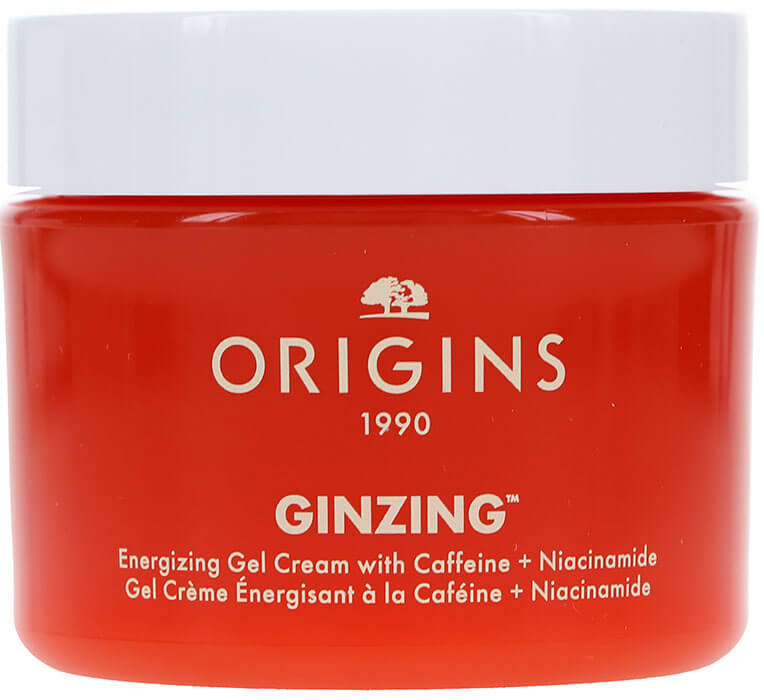
- Moisturizer — a product that completes hydration without heaviness; the Origins GinZing Energizing Gel-Cream works well as a brightening-supportive hydrating layer within this routine
- Broad-spectrum SPF 30 or higher — essential; without UV protection, brightening actives work against the primary trigger of new pigmentation
Evening Routine
- Double cleanse
- Exfoliant (2–3 times per week) — AHAs such as glycolic or lactic acid accelerate the turnover of pigmented surface cells, making them a valuable complement to niacinamide’s deeper-acting mechanism
- Niacinamide serum — apply nightly
- Targeted brightening treatment — the IMAGE Skincare ILUMA Intense Facial Illuminator is a concentrated professional illuminating treatment designed to work alongside actives like niacinamide to visibly even skin tone and reduce the appearance of dark spots. Its professional-grade formulation makes it a high-value addition to an evening brightening routine.
- Rich moisturizer — evening is the appropriate time for a more generous hydration layer, particularly when using exfoliants
Product Feature: IMAGE Skincare ILUMA Intense Facial Illuminator
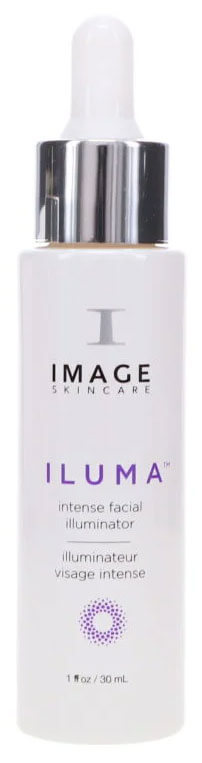
For targeted brightening that complements niacinamide’s mechanism of action, the IMAGE Skincare ILUMA Intense Facial Illuminator is a professional-grade illuminating concentrate specifically formulated for visibly uneven skin tone, dark spots, and dull complexions. The ILUMA line is built around a science-driven brightening system designed to address pigmentation from multiple angles — making it an effective partner for a niacinamide-centered approach.
It can be incorporated into the evening routine after niacinamide serum as a targeted treatment step, allowing its active brightening system to work alongside niacinamide’s melanin-transfer inhibition throughout the overnight repair window. LaLaDaisy carries the full IMAGE ILUMA collection for professional-grade brightening support.
The Non-Negotiable Role of SPF in Hyperpigmentation Treatment
This cannot be overstated: any brightening routine that does not include daily broad-spectrum SPF is working against itself. UV exposure is the primary driver of new melanin production — which means that without protection, the pigmentation you are treating will continue to be replenished by new UV-triggered melanocyte activity.
SPF 30 minimum, applied every morning as the final skincare step before makeup. Reapplied every two hours if outdoors for extended periods. This single habit is the most impactful protective step in any hyperpigmentation routine, and it costs nothing additional when a sunscreen is already part of the regimen.
Frequently Asked Questions
Q: How long does niacinamide take to fade dark spots?
A: Most users see measurable improvement in dark spots between six and twelve weeks of consistent twice-daily use. More established or deeper pigmentation may require four to six months. Patience and consistency are more important than the specific product chosen.
Q: Is niacinamide or kojic acid better for hyperpigmentation?
A: They work via different mechanisms and suit different situations. Kojic acid is a direct tyrosinase inhibitor — similar to vitamin C but more potent, and more likely to cause irritation. Niacinamide works downstream by interrupting melanin transfer and is significantly gentler. For sensitive or reactive skin, niacinamide is the better starting point. For established, resistant dark spots, using both within a layered protocol may produce faster results.
Q: Can niacinamide treat melasma?
A: Niacinamide can support a melasma management protocol as a gentle, well-tolerated active that reduces melanin transfer and calms melanocyte reactivity. However, melasma treatment typically requires a comprehensive approach combining multiple actives, prescription options, and rigorous sun protection. Niacinamide alone is unlikely to produce significant melasma clearance.
Q: Does niacinamide work on dark spots caused by acne?
A: Yes — particularly effectively. PIH caused by acne responds well to niacinamide because the ingredient addresses both the inflammation that triggered the pigmentation and the melanosome transfer that makes it visible. Consistent use alongside salicylic acid for active acne management produces some of the most consistent results for this type of hyperpigmentation.
Q: Can darker skin tones use niacinamide safely?
A: Yes. Niacinamide is appropriate and effective across all skin tones and Fitzpatrick types. It does not bleach or unevenly affect pigmentation — it normalizes melanin distribution. For medium to darker skin tones that are more prone to PIH, niacinamide is often specifically recommended as a preventive and corrective active.
AI-assisted, human-verified. At LaLaDaisy.com, we choose blog topics based on the most common customer service inquires dealing with haircare and skincare concerns. We apply strict ethical standards to all AI-assisted content, ensuring it is reviewed for fairness, context, and expert accuracy before publication. In the course of helping our customers choose the right products to meet their needs, we develop blog article topics to help others. Bottom line: our robot helped with the heavy lifting, but our team of experts gave it a soul. Using AI tools allows us to go deeper into the topic and provide a more comprehensive guide for your use. At LaLadaisy.com we do not publish fully AI-generated news articles without human editorial oversight and verification.