
Your shampoo is professional-grade. Your conditioner is well-reviewed. Your deep treatment is expensive. And yet — your hair still feels dry, or limp, or somehow both at once. If this sounds familiar, the missing piece may not be a better product. It may be a better framework.
Hair porosity is one of the most important — and most overlooked — factors in how hair behaves. It determines how well your strands absorb moisture, how quickly they lose it, and which ingredients will actually work for you. Once you understand your porosity type, choosing the right products and building the right routine becomes significantly more straightforward.
This guide covers everything you need to know: what hair porosity actually is, how to test it at home, what each porosity type means for your care approach, and how to match the right products to your specific needs. Think of it as the structural foundation your entire hair care routine has been waiting for.
What Is Hair Porosity?

At the most fundamental level, hair porosity refers to your hair’s ability to absorb and retain moisture. More precisely, it describes how open or closed the cuticle layer of each strand is — and how that structure affects the way water, conditioning agents, and products interact with the hair shaft.
Each strand of hair is covered by a cuticle, which consists of overlapping scale-like cells, similar to roof shingles. The orientation and condition of these scales determines how easily moisture and nutrients enter and exit the cortex (the inner structure of the hair). When the cuticle scales lie flat and tightly overlapping, the hair is considered low porosity. When they are lifted or damaged and unable to close fully, the hair is high porosity.
Understanding porosity is not about finding a flaw in your hair — it is about understanding its architecture so you can work with it rather than against it. Porosity is partly genetic and partly the result of how your hair has been treated over time. Chemical processing, heat styling, environmental exposure, and even the mineral content of your water can all affect where your hair falls on the porosity spectrum.
The Three Porosity Types at a Glance
Low Porosity
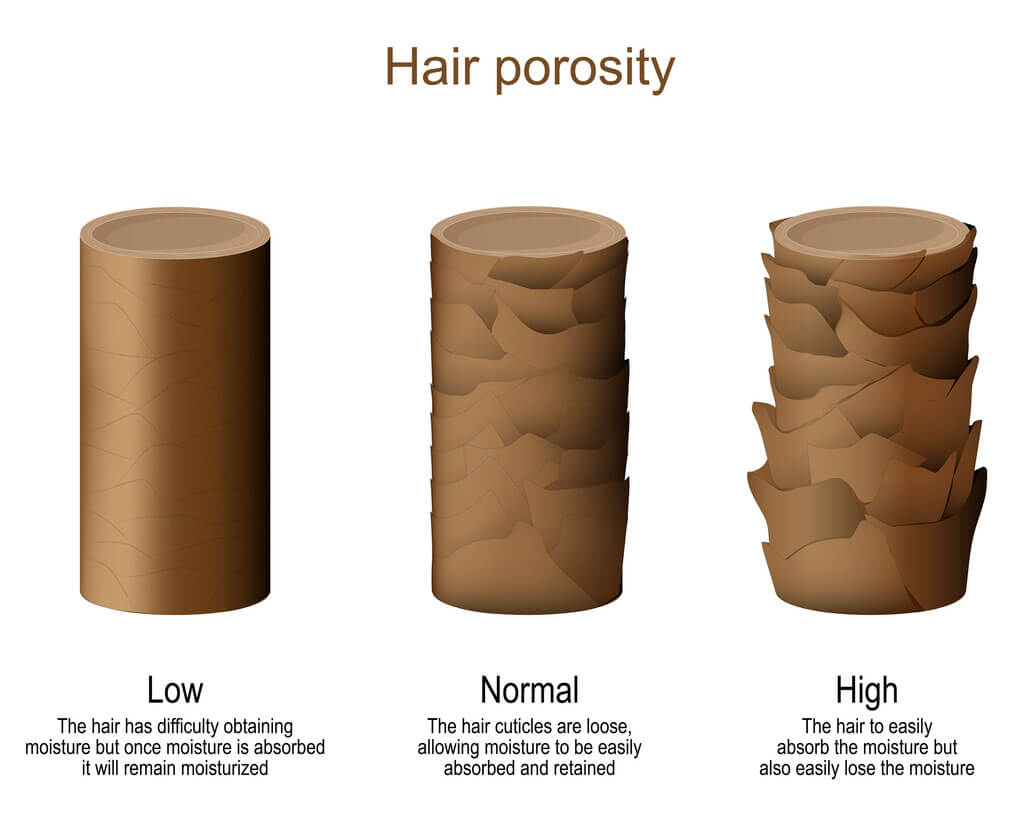
The cuticle scales are tightly closed and lay flat against the shaft. This means moisture has difficulty penetrating the hair, products tend to sit on the surface rather than absorbing, and build-up accumulates more easily. However, once moisture does enter, it tends to stay — making low porosity hair capable of excellent hydration when the right techniques are applied.
Normal (Medium) Porosity
The cuticle is slightly raised but not damaged. Moisture enters and exits at a balanced rate. This hair type tends to respond well to a wide range of products and requires less manipulation to achieve good results. It is generally resilient to damage and holds styles well.
High Porosity
The cuticle is raised, open, or structurally compromised — often due to chemical processing, excessive heat, or physical damage. Moisture absorbs rapidly but escapes just as fast, leaving the hair chronically dry, prone to frizz, and vulnerable to further damage. High porosity hair requires a targeted approach focused on filling structural gaps and sealing the cuticle after moisturizing.
How to Test Your Hair Porosity at Home
There are two reliable at-home tests you can use to determine your porosity type. Using both together gives you the most accurate picture.
The Float Test

Take a clean strand of shed hair — one that has not been recently coated in product — and drop it into a glass of room-temperature water. Watch what happens over the next two to four minutes.
- If the strand floats at the surface for an extended period: low porosity. The tightly closed cuticle is preventing water from entering, so the strand is buoyant.
- If the strand sinks slowly and settles in the middle of the glass: medium/normal porosity.
- If the strand sinks immediately to the bottom: high porosity. The open cuticle absorbs water rapidly, increasing the strand’s density.
Important notes: perform this test on clean, product-free hair. Product residue can create false readings by artificially weighing the strand down or creating a surface barrier. Also test multiple strands from different areas of the head, as porosity can vary by section.
The Strand (Slip) Test
Take a single strand between your thumb and index finger and slide your fingers slowly up the shaft from tip toward root. Notice the texture.
- Smooth with no resistance: low porosity. The flat, closed cuticle offers little friction.
- Slightly textured but consistent: medium/normal porosity.
- Rough, bumpy, or uneven — particularly with some sections feeling more textured than others: high porosity. The raised or damaged cuticle creates friction.
Low Porosity Hair: The Absorption Challenge
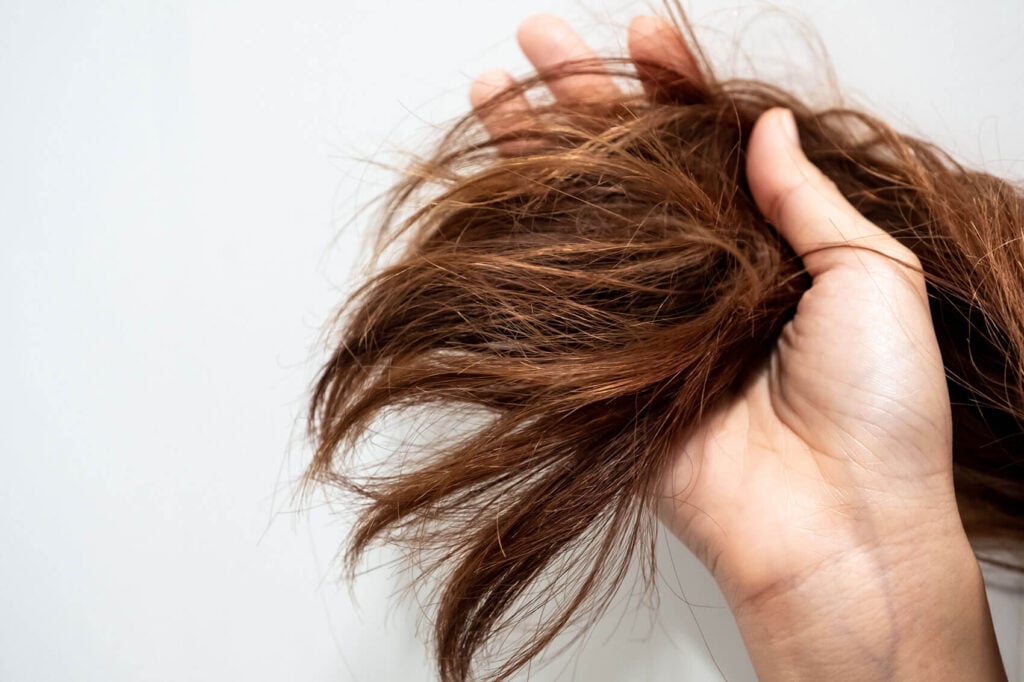
Low porosity hair is often misdiagnosed as dry hair when, in reality, the problem is not the absence of moisture but the inability to absorb it. Products sit on the surface, water beads up and rolls off, and conditioning treatments feel ineffective no matter how long they are left on.
The goal with low porosity hair is not to force products through a resistant cuticle — it is to gently and temporarily lift the cuticle so moisture can enter, then allow it to close and seal that moisture inside.
Key Principles for Low Porosity Hair
- Use heat during deep conditioning to open the cuticle. A heated cap, hooded dryer, or even a warm towel creates the thermal lift needed for conditioning agents to penetrate effectively.
- Choose lightweight, liquid-based moisturizers over thick creams and heavy butters, which will simply coat the cuticle without penetrating.
- Clarify regularly. Low porosity hair accumulates build-up faster than other types, and product layering on an already-resistant surface makes moisture absorption even more difficult.
- Look for ingredients that are small enough to penetrate a tight cuticle: humectants like glycerin and honey, and lighter oils such as argan and baobab.
For a fully structured system built specifically around these principles, explore the complete low porosity hair care routine, which walks through each step of the process from clarifying through sealing.
What to Avoid With Low Porosity Hair
- Heavy protein treatments (unless hair is also damaged): protein molecules are large and will sit on the surface, creating further barrier and stiffness
- Heavy butters and thick creams as primary moisturizers
- Cold water rinses immediately after conditioning (cold water closes the cuticle — helpful at the end of the process, not in the middle)
High Porosity Hair: The Retention Challenge

High porosity hair has the opposite problem. Moisture enters easily — sometimes too easily, causing rapid swelling that strains the already-compromised cuticle — but it evaporates just as quickly. The challenge is not absorption; it is retention. Without targeted intervention, high porosity hair will feel hydrated immediately after washing and bone-dry within hours.
The structural issue is real: a damaged or lifted cuticle cannot close properly, which means there is no barrier to prevent moisture from escaping. This is why building a high porosity hair care routine requires both internal repair and external sealing.
Key Principles for High Porosity Hair
- Incorporate protein treatments regularly. Hydrolyzed proteins are small enough to temporarily fill the gaps in a compromised cuticle, reducing porosity, improving strength, and helping the hair hold moisture longer.
- Use the LOC (Liquid, Oil, Cream) or LCO (Liquid, Cream, Oil) method to layer moisture and lock it in with heavier sealants.
- Prioritize heavier butters and rich conditioning agents: shea butter, castor oil, and ceramide-containing products all help reinforce the cuticle’s surface.
- Rinse with cool or cold water at the end of every wash. Cold water constricts the cuticle, helping to close it as much as structurally possible.
- Limit heat. High porosity hair is already structurally compromised — additional heat damage accelerates further cuticle lifting.

A step-by-step system built around these principles is detailed in the full high porosity hair care routine, which covers everything from wash day preparation through daily maintenance.
What Happens When Porosity Is Ignored
Many people spend years cycling through products in search of the one that will finally fix their hair — without ever identifying that the problem is structural, not product-related. Applying a rich moisturizing mask to low porosity hair that cannot absorb it is not the same as giving that hair real hydration. Using a lightweight leave-in on high porosity hair that needs a heavy sealant is not the same as protecting the strand.
The result of ignoring porosity is, at best, wasted product investment. At worst, it is chronic dryness, breakage, and further structural damage from a routine that is actively working against the hair’s natural architecture. This is why hair won’t hold moisture in so many cases — not because the right product hasn’t been found, but because the routine isn’t matched to the hair’s needs. For a deeper diagnosis of this specific problem, see our guide on why hair won’t hold moisture.
Product Match Guide by Porosity Type
Products for Low Porosity Hair
Look for: lightweight water-based conditioners, humectant-rich treatments, clarifying shampoos, and heat-activated deep conditioners.

The Davines MOMO Moisturizing Conditioner is an excellent fit for low porosity hair. Its formula centers on lightweight hydration without heavy coating agents — making it one of the most effective options for hair that needs moisture delivered gently and without build-up. It works best when applied with gentle heat to assist penetration.
Products for High Porosity Hair

Look for: protein-based treatments, bond repair formulas, heavy conditioning masks, and sealing creams or oils.
Olaplex No. 3 Hair Perfector is one of the most well-supported bond repair treatments available. It uses bis-aminopropyl diglycol dimaleate to reconnect broken disulfide bonds within the cortex — addressing the structural damage that causes high porosity in chemically processed hair. Used as a pre-wash treatment, it rebuilds internal strength before the conditioning routine begins.
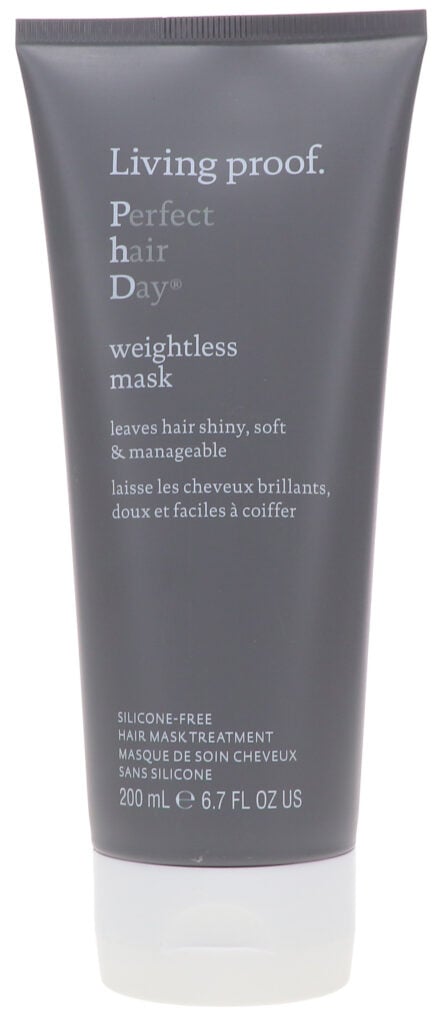
The Living Proof Perfect Hair Day Weightless Mask offers an interesting counterpoint within the high porosity product stack. Despite its “weightless” positioning, its concentrated conditioning agents deliver significant hydration without the heaviness that can make high porosity hair feel weighed down. It is best used after a protein treatment to complement structural repair with deep moisture infusion.
For a complete breakdown of which ingredients to seek out and which to avoid when shopping for high porosity hair products, see our guide on the best ingredients for high porosity hair.
Porosity Can Change — and That’s Normal
It is worth noting that hair porosity is not entirely fixed. While the porosity of new growth is largely determined by genetics, the porosity of the existing length can shift over time as hair is exposed to heat, chemical processing, UV exposure, hard water minerals, and mechanical stress. This means regular re-testing is worthwhile, particularly after a significant change in routine, environment, or chemical treatment history.

It is also common for porosity to vary across different sections of the head — particularly if some sections have been more heavily processed than others, or if the hair has significant length and the ends have been exposed to more cumulative wear than the roots. Testing multiple strands from different areas gives a more complete picture.
Frequently Asked Questions
What is the most accurate way to test hair porosity at home?
The float test and strand test together give the most reliable picture. Use clean, product-free hair for the float test and take multiple strands from different sections. The strand test adds tactile information that the float test alone cannot provide.
Can low porosity hair become high porosity?
Yes. Repetitive chemical processing, heat damage, and extended environmental exposure can lift or damage the cuticle over time, shifting hair from low to higher porosity. New growth will still reflect your genetic baseline, but the existing length may have elevated porosity if it has been heavily treated.
Is high porosity hair damaged hair?
Not always. While damage from bleaching, relaxers, or excessive heat is a common cause of high porosity, some people are simply born with a more open cuticle structure. Naturally coily and textured hair types also tend to have higher porosity due to the shape of the strand, which makes it harder for the cuticle to lie completely flat.
Do I need different products for different porosity types?
Yes. This is one of the most important takeaways from understanding porosity. A product that is deeply effective for high porosity hair (heavy butter, protein-rich, dense conditioning) may sit on the surface of low porosity hair and cause build-up. Matching your product selection to your porosity type is the single most impactful change most people can make to their routine.
How often should I re-test my porosity?
A test once or twice a year is generally sufficient unless you have undergone a significant change — such as a keratin treatment, color process, relaxer, or major shift in heat styling habits. Testing after any chemical service is particularly recommended, as these processes reliably alter cuticle structure.
AI-assisted, human-verified. At LaLaDaisy.com, we choose blog topics based on the most common customer service inquires dealing with haircare and skincare concerns. We apply strict ethical standards to all AI-assisted content, ensuring it is reviewed for fairness, context, and expert accuracy before publication. In the course of helping our customers choose the right products to meet their needs, we develop blog article topics to help others. Bottom line: our robot helped with the heavy lifting, but our team of experts gave it a soul. Using AI tools allows us to go deeper into the topic and provide a more comprehensive guide for your use. At LaLadaisy.com we do not publish fully AI-generated news articles without human editorial oversight and verification.