-
 AG Care Smoooth Argan & Coconut Smoothing Shampoo 33.8 oz
×
$51.001 × $51.00
AG Care Smoooth Argan & Coconut Smoothing Shampoo 33.8 oz
×
$51.001 × $51.00 -
 Kevin Murphy Anti Gravity Oil Free Volumiser 5.1 oz
×
$32.301 × $32.30
Kevin Murphy Anti Gravity Oil Free Volumiser 5.1 oz
×
$32.301 × $32.30 -
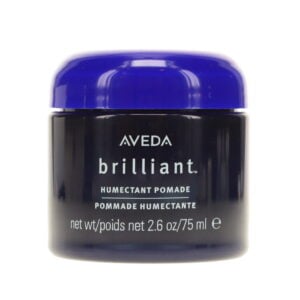 Aveda Brilliant Humectant Pomade 2.5 oz
×
$28.951 × $28.95
Aveda Brilliant Humectant Pomade 2.5 oz
×
$28.951 × $28.95 -
 Biolage Gelee Styler 5.1 oz
×
$23.951 × $23.95
Biolage Gelee Styler 5.1 oz
×
$23.951 × $23.95 -
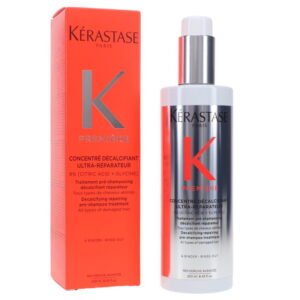 Kerastase Premiere Concentre Decalcifant Ultra-Reparateur Reparative Pre-Shampoo Treatment 8.45 oz
×
$51.001 × $51.00
Kerastase Premiere Concentre Decalcifant Ultra-Reparateur Reparative Pre-Shampoo Treatment 8.45 oz
×
$51.001 × $51.00 -
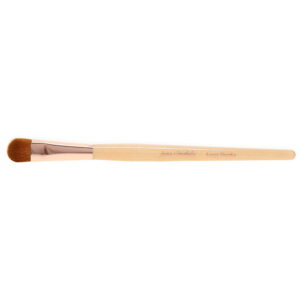 jane iredale Large Shader Brush
×
$19.471 × $19.47
jane iredale Large Shader Brush
×
$19.471 × $19.47 -
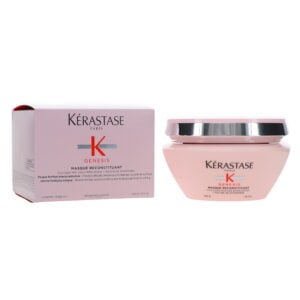 Kerastase Genesis Masque 6.8 oz
×
$59.951 × $59.95
Kerastase Genesis Masque 6.8 oz
×
$59.951 × $59.95 -
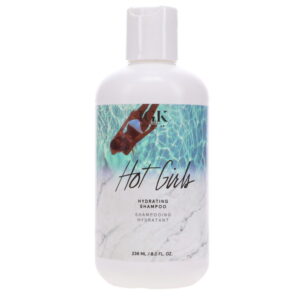 IGK Hot Girls Hydrating Shampoo 8 oz
×
$21.431 × $21.43
IGK Hot Girls Hydrating Shampoo 8 oz
×
$21.431 × $21.43 -
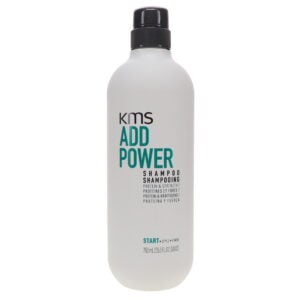 KMS Add Power Shampoo 25.3 oz
×
$76.502 × $38.25
KMS Add Power Shampoo 25.3 oz
×
$76.502 × $38.25 -
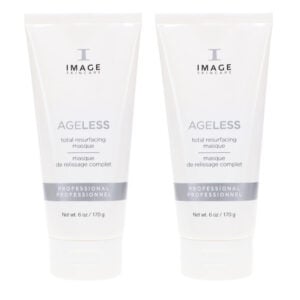 IMAGE Skincare AGELESS Total Resurfacing Masque 6 oz 2 Pack
×
$108.421 × $108.42
IMAGE Skincare AGELESS Total Resurfacing Masque 6 oz 2 Pack
×
$108.421 × $108.42 -
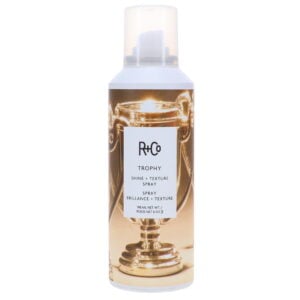 R+CO Trophy Shine and Texture Spray 6 oz
×
$29.991 × $29.99
R+CO Trophy Shine and Texture Spray 6 oz
×
$29.991 × $29.99


Introduction

Building an effective, mature skin care routine is less about collecting the right products and more about understanding the right structure. The most common reason well-intentioned skincare efforts fall short is not a failure of individual ingredients — it is a failure of the system. Products are applied in the wrong order, active ingredients conflict with each other, SPF is inconsistent, or the routine lacks the foundational steps that make everything else work properly.
Mature skin has specific, well-understood needs: support for declining collagen production, acceleration of slowed cell turnover, targeted brightening for age spots and hyperpigmentation, consistent hydration to compensate for reduced barrier function, and daily protection against the UV exposure that drives and accelerates every other aging concern.
A properly structured mature skin care routine addresses all of these needs in a logical, sequenced way — creating conditions where each product can work as intended, and each active ingredient can reach its target without interference. For the foundational science that informs this structure, our comprehensive guide to understanding age spots, wrinkles, and mature skin care covers the core biology and concerns in detail.
This article provides a complete, step-by-step framework for morning and evening routines, guidance on frequency and sequencing, advice on adapting the routine for specific skin types, and practical recommendations for how to introduce new actives without disrupting skin balance.
Understanding What Mature Skin Actually Needs
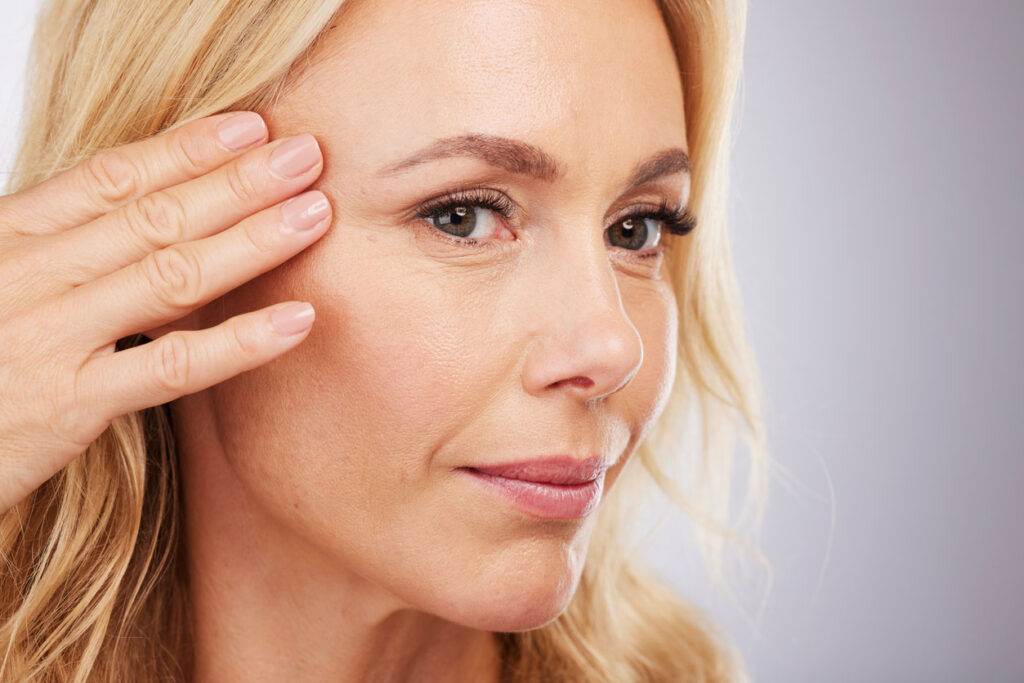
Before building a routine, it helps to be explicit about what mature skin requires — not generically, but specifically. These needs should inform every product and sequencing decision in the routine.
Collagen Stimulation
Collagen loss is the primary structural driver of wrinkles, sagging, and reduced skin density. A mature skin care routine must include ingredients that actively stimulate collagen production — retinoids and peptides are the two most evidence-supported categories for this purpose.
Accelerated Cell Turnover
The natural cell renewal cycle slows from approximately 28 days in younger skin to 45 to 60 days in mature skin. This slowdown contributes to dullness, uneven tone, and the accumulation of surface cells that amplify the appearance of fine lines. Chemical exfoliants (AHAs) and retinoids both address cell turnover, making them doubly valuable in a mature skin framework.
Targeted Pigmentation Management

Age spots and uneven skin tone are among the most visible markers of mature skin. A routine that addresses pigmentation consistently — through vitamin C, niacinamide, and SPF in the morning, and cell-turnover actives in the evening — produces the most visible improvements in skin clarity and evenness over time. Our article on what causes age spots provides the biological context behind why this approach works.
Barrier Support and Hydration
As ceramide production declines and transepidermal water loss (TEWL) increases, mature skin becomes progressively drier and more reactive. A routine that prioritizes barrier support — ceramide-rich moisturizers, gentle cleansers, and consistent hydration — creates the skin environment in which active ingredients work most effectively.
Consistent UV Protection
No mature skin care routine is complete without daily SPF. UV radiation is the primary driver of age spots, collagen breakdown, and accelerated aging. Without consistent SPF, every other element of the routine works against a current of ongoing UV damage.
The Morning Mature Skin Care Routine
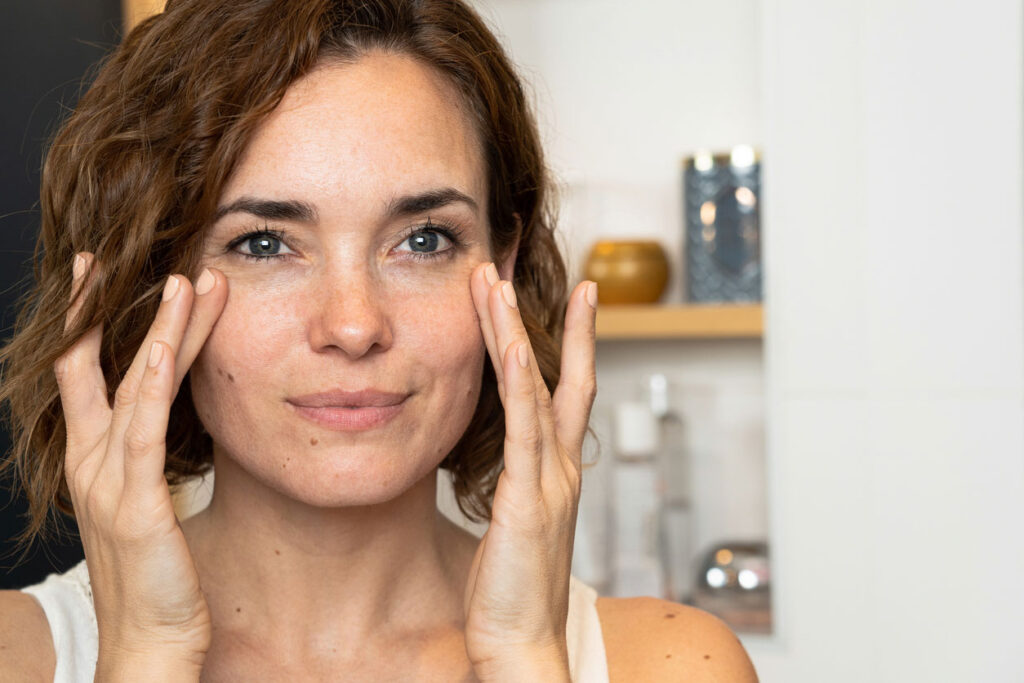
The morning routine is designed around protection and preparation. Antioxidants neutralize environmental damage before it occurs; SPF prevents UV damage; and hydration prepares the skin for the day ahead. Active treatment ingredients are generally reserved for the evening.
Step 1: Gentle Cleanse
Begin with a gentle, pH-balanced cleanser that removes overnight buildup — sebum, residual skincare products, and any environmental residue — without stripping the skin’s moisture barrier. For mature skin, cream or milk cleansers are typically preferable to foaming formulas, which can over-dry a skin type that already struggles with moisture retention. Cleanse with lukewarm (not hot) water.
Step 2: Vitamin C Serum
Immediately after cleansing — before any other products — apply a stable vitamin C serum. Vitamin C is most effective when applied to clean, dry skin where it can penetrate without competition from other formulations. It neutralizes free radicals from UV and pollution before they can damage collagen and trigger melanin overproduction, and it actively supports the collagen synthesis stimulated by evening retinoids and peptides.
Step 3: Hyaluronic Acid or Hydrating Toner

Apply hyaluronic acid serum or a hydrating toner to slightly damp skin immediately after the vitamin C step. Layering a humectant at this stage draws moisture into the skin’s surface and prepares it to receive subsequent moisturizing layers more effectively. Press gently into the skin rather than rubbing to minimize drag on the delicate mature skin surface.
Step 4: Eye Cream (if applicable)
If targeting crow’s feet, fine lines around the eyes, or under-eye concerns, apply eye cream at this stage — after serums, before moisturizer. The delicate under-eye area benefits from targeted treatment products formulated for its thinner, more reactive skin. Peptide-rich eye creams are particularly appropriate for mature skin concerns in this zone.
Step 5: Moisturizer
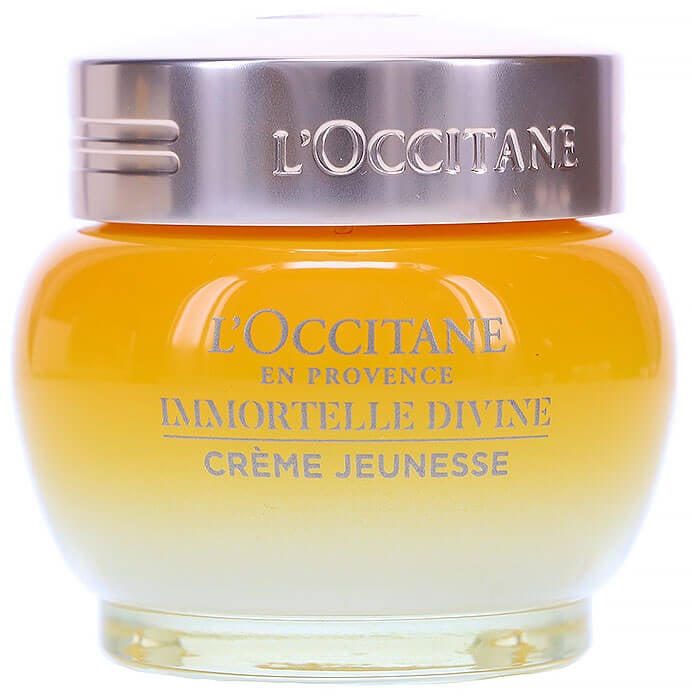
Apply a rich but non-occlusive moisturizer that provides both immediate surface hydration and barrier-supporting ingredients. Look for formulations containing ceramides, niacinamide, peptides, or a combination of these. This step seals in the serum layers beneath and creates a smooth, even surface for SPF application.
A cream specifically formulated for mature skin — such as the L’Occitane Immortelle Divine Cream — provides a particularly well-suited option at this step, combining moisture with active ingredients targeted at the specific concerns of aging skin.
Step 6: SPF (Non-Negotiable)
Apply a broad-spectrum SPF of at least 30 as the final morning step, after all skincare has been absorbed. SPF is the most impactful single step in any mature skin care routine — without it, brightening treatments are undermined daily, and collagen-stimulating actives work against ongoing UV damage. Use at least a quarter-teaspoon for the face and neck, and reapply every two hours during extended outdoor exposure.
The Evening Mature Skin Care Routine
The evening routine is the treatment phase. The skin’s repair cycle is most active overnight, making this the optimal time for active ingredients that stimulate cellular renewal, collagen production, and barrier recovery.
Step 1: Double Cleanse or Thorough Cleanse
If wearing SPF, makeup, or both, begin with an oil-based cleanser or micellar water to dissolve surface products, then follow with a gentle water-based cleanser to complete the cleanse. If skin is bare and dry, a single thorough cleanse is sufficient. Ensure all SPF and environmental residue are fully removed — retinoids and other actives applied to skin coated in SPF or sunscreen ingredients absorb poorly and unevenly.
Step 2: Exfoliant (2-3 Nights Per Week)

Apply an AHA exfoliant two to three evenings per week — not on the same nights as retinol. Glycolic or lactic acid exfoliants dissolve the bonds between dead surface cells, accelerating the cell turnover that slows significantly in mature skin. This step not only brightens and smooths skin texture directly but also improves the penetration and efficacy of subsequent treatment layers. Always follow exfoliation evenings with a rich moisturizer.
Step 3: Retinol or Retinoid (Alternating Nights)
On evenings when no exfoliant has been applied, use a retinol or retinoid. Apply to fully dry skin — residual moisture accelerates absorption and can increase irritation, particularly in the adjustment phase. Begin with the lowest available concentration and gradually increase frequency over 6 to 8 weeks. Do not apply retinol over an exfoliant on the same evening until the skin has established a strong tolerance for both.
For a complete understanding of how to reduce wrinkles with a structured retinoid routine, our detailed article provides the full evidence-based framework.

Step 4: Peptide Serum or Treatment
After retinol has been applied and allowed to absorb, layer a peptide serum to amplify collagen stimulation. Signaling peptides like Matrixyl work through complementary pathways to retinoids — together, they provide a more comprehensive collagen stimulus than either ingredient alone. Peptides are gentle and do not conflict with retinoids when applied in sequence.
Step 5: Rich Night Cream or Barrier Oil
Seal in treatment layers with a rich moisturizer or barrier oil formulated for overnight use. This step supports the skin’s repair cycle by providing the lipid and moisture resources needed for cellular renewal, reduces TEWL during sleep, and protects the skin barrier from the potential dryness that retinoids can cause in the adjustment phase. For mature skin, this step is particularly important — do not reduce or skip it even when the routine feels rich.
Adapting the Routine for Different Mature Skin Types
While the framework above applies broadly to mature skin, specific skin types require targeted adjustments.
Dry Mature Skin
Prioritize hydration at every step. Use a hydrating cleanser (not gel or foam), layer both a hyaluronic acid serum and a nourishing facial oil before your moisturizer, and choose a retinoid at a lower concentration to minimize the drying side effects. Rich night creams with shea butter, squalane, or ceramide complexes are ideal for the final step.
Oily or Combination Mature Skin
Oily mature skin still requires a structured anti-aging routine — oiliness and aging concerns coexist and require the same active ingredients. Use a gentle gel or lightweight cream cleanser, opt for a lighter moisturizer or gel-cream formulation, and consider niacinamide-forward products to regulate sebum while simultaneously supporting barrier function.
Sensitive or Reactive Mature Skin
Sensitive mature skin often cannot tolerate aggressive exfoliants or high-frequency retinoid use. Prioritize barrier repair first — two to four weeks of ceramide-rich moisturization, gentle cleansing, and no actives — before introducing retinol at the lowest concentration and lowest frequency. Substitute mandelic acid for glycolic or lactic acid for gentler exfoliation. Niacinamide and peptides are the most reliable actives for reactive mature skin.
Mature Skin With Significant Hyperpigmentation
Layer brightening ingredients at multiple steps: vitamin C in the morning (before SPF), niacinamide in both morning and evening moisturizers, and retinol in the evening to accelerate cell turnover. The combination of these three mechanisms — tyrosinase inhibition, melanin transfer reduction, and pigmented cell shedding — produces the most significant results for visible age spots and uneven tone.
How to Introduce New Actives Without Disrupting Skin Balance
One of the most common mistakes in building a mature skin care routine is introducing too many new active ingredients at the same time. When the skin reacts — with breakouts, redness, dryness, or irritation — it becomes impossible to identify the cause or adjust effectively.
The One-at-a-Time Rule
Introduce only one new active ingredient at a time, with a minimum of 4 to 6 weeks between introductions. This window allows time to assess the skin’s response, confirm tolerance, and attribute any reaction accurately. Start with the ingredient with the highest priority for your specific concerns — typically SPF (if not already consistent) or vitamin C, followed by retinol, then AHA, then peptides.
The Patch Test Protocol

Before introducing any new product into a full-face routine, apply a small amount to the jawline or inner arm for three to five consecutive days. Observe for redness, stinging, or unusual sensitivity. Products that pass the patch test are significantly less likely to cause full-face reactions.
Building Tolerance for Retinoids
Retinoids are the most common source of disruption when introducing actives into a mature skin routine. The adjustment phase — typically 4 to 8 weeks — can include flaking, mild redness, and initial breakouts. These are not signs that the product is wrong for the skin; they are signs that cell turnover is accelerating. Maintaining strong moisturization during this phase, reducing frequency temporarily if needed, and avoiding other actives until tolerance is established allows the skin to adjust without long-term barrier disruption.
Weekly and Monthly Routine Additions
Beyond the daily morning and evening framework, a mature skin care routine benefits from periodic supplementary steps that address specific concerns on a less-frequent basis.
Weekly: Mask Treatments
A weekly hydrating mask — applied after cleansing and before serums — provides an intensive hydration boost that goes beyond what daily products can deliver. Clay masks are not recommended for mature skin unless sebum control is a specific concern, as they tend to strip moisture from an already-depleted barrier.
Monthly: Reassess and Adjust

Skin changes with the seasons, with hormonal shifts, and over the course of long-term routine use. Schedule a monthly review of how the skin is responding: is dryness increasing or decreasing? Are active ingredients maintaining efficacy? Is it time to increase retinol concentration or frequency? A routine that is periodically assessed and adjusted produces better long-term results than one that is set and forgotten.
The L’Occitane Immortelle Divine Cream in a Mature Skin Routine
The L’Occitane Immortelle Divine Cream is formulated specifically for mature skin, built around the Immortelle essential oil — derived from the Helichrysum italicum plant, which has been associated with supporting skin resilience and luminosity in botanical skincare traditions. Within the framework of a properly structured mature skin care routine, it functions most effectively in the moisturizer step of both the morning and evening routine.
In the morning, it provides the rich, protective moisturization needed to support an SPF application and sustain hydration through the day. In the evening, it seals in the treatment actives applied before it — peptides, retinol, or niacinamide serums — and supports the overnight repair process. For best results, it should be applied over serums and treatments, not in place of them.
FAQ: Mature Skin Care Routine
How many steps should a mature skin care routine include?
A complete and effective mature skin care routine includes 5 to 6 morning steps (cleanser, vitamin C serum, hyaluronic acid, eye cream if applicable, moisturizer, SPF) and 4 to 5 evening steps (cleanser, exfoliant or retinol, peptide serum, night cream). Additional steps like eye creams or masks can be incorporated as needed. More steps are not inherently better — the right sequence of targeted steps is what determines results.
What order should I apply skincare products for mature skin?
Apply products in order from thinnest to thickest consistency: cleanse first, then water-based serums, then oil-based serums or treatments, then moisturizer, then SPF (morning only). Active ingredients — vitamin C in the morning, retinol and exfoliants in the evening — should be applied closer to the cleansed skin, before moisturizing layers.
Can I use the same products morning and evening in a mature skin routine?
Some products — cleansers, hyaluronic acid serums, ceramide moisturizers, and eye creams — are appropriate for both morning and evening. Treatment actives are time-specific: vitamin C belongs in the morning, retinol and AHAs in the evening. SPF is exclusively a morning step. A morning-only product used in the evening wastes active ingredients; an evening treatment used in the morning may reduce its efficacy or cause photosensitivity.
How long before I see results from a mature skin care routine?
Initial improvements in hydration and surface texture often appear within 2 to 4 weeks. Measurable changes in pigmentation, fine lines, and skin tone typically require 8 to 12 weeks of consistent product use. More significant structural changes — firmness, collagen density, reduction of deeper wrinkles — develop over 3 to 6 months, with continued improvement over longer periods. Consistency is the most significant variable affecting results.
Should I change my skincare routine with the seasons?
Yes, with targeted adjustments rather than wholesale changes. In winter, increase moisturizer richness, add a facial oil to the evening routine, and consider reducing AHA frequency if barrier sensitivity increases. In summer, lighter moisturizer textures are appropriate, and SPF reapplication becomes more important. The core active ingredients — vitamin C, retinol, peptides — remain consistent year-round.
AI-assisted, human-verified. At LaLaDaisy.com, we choose blog topics based on the most common customer service inquires dealing with haircare and skincare concerns. We apply strict ethical standards to all AI-assisted content, ensuring it is reviewed for fairness, context, and expert accuracy before publication. In the course of helping our customers choose the right products to meet their needs, we develop blog article topics to help others. Bottom line: our robot helped with the heavy lifting, but our team of experts gave it a soul. Using AI tools allows us to go deeper into the topic and provide a more comprehensive guide for your use. At LaLadaisy.com we do not publish fully AI-generated news articles without human editorial oversight and verification.