Introduction

The question of how to reduce wrinkles without turning to injectables, lasers, or surgical procedures is one of the most actively searched topics in beauty — and for good reason. The desire for effective, accessible anti-aging solutions is universal. The challenge is separating the approaches that genuinely work from the claims that sound compelling but deliver little beneath the surface.
The encouraging reality is that modern skincare science has identified a highly effective set of topical interventions for reducing the appearance of wrinkles and fine lines. These ingredients and strategies are supported by decades of clinical research, and when applied within a properly structured routine, they produce results that are visible, measurable, and sustainable over time.
This guide covers the science of wrinkle formation, the specific topical ingredients with the strongest evidence base for reducing their appearance, and the routine structures that optimize their effectiveness. For a broader understanding of how wrinkles fit within the full picture of mature skin care, our comprehensive guide to understanding age spots, wrinkles, and mature skin care provides essential context.
Understanding How Wrinkles Form

Knowing how to reduce wrinkles begins with understanding how they form. Wrinkles are not a single phenomenon — they develop through multiple distinct mechanisms, each of which responds to different skincare interventions.
Collagen Loss
Collagen is the structural protein that provides skin with its firmness, thickness, and resistance to deformation. The body produces approximately 1% less collagen per year after age 25. By the time significant wrinkles become visible, the skin has experienced years of cumulative collagen decline. When collagen fibers break down or become less dense, the skin’s surface begins to collapse into the space they once occupied — creating visible depressions that we recognize as wrinkles.
Elastin Degradation
Elastin fibers allow the skin to return to its resting position after being stretched or compressed by facial movement. As elastin breaks down with age and UV exposure, skin becomes less resilient — movement-related depressions (from smiling, squinting, or frowning) take longer to smooth out, eventually becoming permanently etched as expression lines.
Dehydration
While dehydration does not cause structural wrinkles, reduced moisture in the skin’s upper layers significantly amplifies their visual appearance. Well-hydrated skin cells are plump and light-scattering; dehydrated skin cells are flattened and light-absorbing, making fine lines cast visible shadows and appear more pronounced. This is the reason why moisturization, while insufficient as a sole anti-aging strategy, is an important supporting element in any effective approach.
Repetitive Muscle Contractions

The repetitive contraction of facial muscles — every smile, squint, or frown — gradually creases the overlying skin into patterns. As collagen and elastin decline, these creases take longer to relax and eventually become permanent. Expression lines around the eyes, forehead, and mouth are the primary result of this mechanism.
The Ingredients With the Strongest Evidence for Reducing Wrinkles
Understanding how to reduce wrinkles at the ingredient level is the foundation of an effective topical strategy. The following ingredients are supported by the most rigorous and consistent evidence in anti-aging dermatology.
Retinoids: The Gold Standard
Retinoids — a class of vitamin A derivatives that includes prescription tretinoin and over-the-counter retinol — have the most robust evidence base of any topical anti-aging ingredient. Multiple peer-reviewed studies demonstrate that regular retinoid use increases collagen production, accelerates cell turnover, smooths skin texture, reduces the depth of fine lines, and decreases the appearance of deeper wrinkles over time.
Retinoids work through several mechanisms simultaneously: they stimulate fibroblasts (collagen-producing cells) in the dermis, accelerate the shedding of surface cells that hold visible lines, and improve skin texture and tone. They also address hyperpigmentation as a secondary benefit, making them one of the most comprehensively effective tools in a mature skincare routine.
The key to effective retinoid use is patient introduction. Start with a low concentration (0.025% to 0.05% retinol) applied once per week, increasing gradually over 6 to 8 weeks as tolerance develops. Side effects including dryness and initial purging are normal and typically resolve once the skin adjusts.
Peptides: Signaling Collagen Production
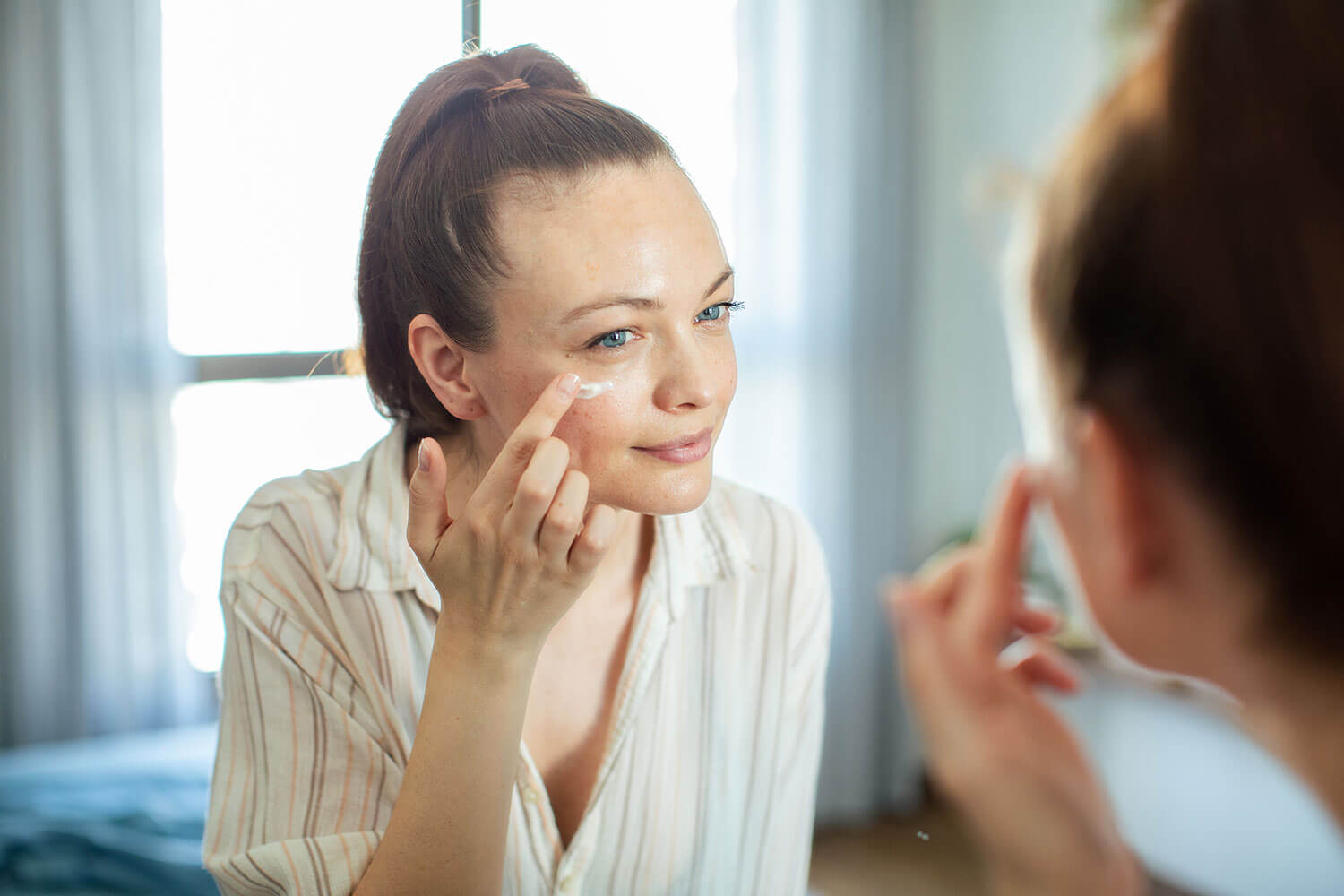
Peptides are short chains of amino acids that function as cellular messengers. Specific peptide sequences signal fibroblasts to increase collagen synthesis — making them one of the most targeted interventions available for how to reduce wrinkles at the structural level. They are also gentle and well-tolerated, making them an excellent complement to retinoids in a comprehensive routine.
Copper peptides provide an additional antioxidant benefit alongside their collagen-stimulating properties. Neuropeptides (sometimes marketed as ‘Botox alternatives’) work by interrupting the neuromuscular signals that drive repetitive facial contractions, reducing the development of expression lines over time. Neither mechanism replaces clinical procedures, but both contribute meaningfully to a topical wrinkle-reduction strategy.
Vitamin C: Collagen Co-Factor and Antioxidant
Vitamin C (in its stable L-ascorbic acid form) is a required co-factor in the body’s natural collagen synthesis process. Without adequate vitamin C, collagen fibers cannot properly form — a function that has been documented since the study of scurvy centuries ago. Applied topically at effective concentrations (10% to 20%), vitamin C neutralizes UV-generated free radicals that break down existing collagen, while simultaneously supporting the production of new collagen. It is most effective when applied in the morning, before SPF.
Hyaluronic Acid: Plumping and Hydrating Fine Lines

As a humectant, hyaluronic acid draws and retains water in the skin’s surface layers, temporarily plumping fine lines and giving the skin a smoother, more rested appearance. While it does not address the underlying collagen loss behind structural wrinkles, it meaningfully reduces the visual depth of fine lines and improves overall skin texture. It is best applied to damp skin to maximize its water-binding capacity.
Alpha Hydroxy Acids: Surface Renewal
Glycolic acid (the most potent AHA) and lactic acid (a gentler alternative well-suited to mature or sensitive skin) dissolve the bonds between dead surface cells, accelerating their shedding and promoting the growth of fresher, more evenly textured skin beneath. Regular AHA use visibly smooths fine lines at the skin’s surface, improves the penetration of subsequent treatment ingredients, and supports the overall cell renewal cycle that slows significantly with age.
Niacinamide: Multi-Functional Support
Niacinamide (vitamin B3) improves skin barrier function, reduces inflammation, minimizes the appearance of enlarged pores, and has a modest but measurable effect on fine lines through its role in ceramide synthesis and cellular energy production. It is an excellent supporting ingredient in a multi-active routine because it is compatible with nearly all other skincare actives and rarely causes irritation.
Building a Wrinkle-Reduction Routine

Knowing which ingredients work is only part of the equation. How to reduce wrinkles effectively depends on how those ingredients are structured into a daily and nightly routine.
Morning: Protect, Prevent, Support
The morning routine’s primary function is protection. Antioxidants prevent new collagen damage; SPF prevents UV-induced collagen breakdown and additional wrinkle formation. Active treatment ingredients are better reserved for evening, when the skin’s repair cycle is naturally more active.
- Gentle Cleanser: To remove overnight buildup without stripping the skin barrier
- Vitamin C Serum (15-20%): Applied to clean skin before any moisturizing steps
- Hyaluronic Acid Serum or Toner: Applied to damp skin for maximum water-binding
- Peptide-Containing Moisturizer: To simultaneously hydrate and support collagen signaling
- SPF 30 or Higher (Broad-Spectrum): Applied as the final morning step, non-negotiably
Evening: Treat, Repair, Restore
The evening routine is where active treatment occurs. Retinoids and exfoliants work optimally overnight, in alignment with the skin’s natural cell renewal cycle.
- Double Cleanse or Thorough Cleanse: Especially important if wearing SPF or makeup
- AHA Exfoliant (2-3x per week): Used on alternating evenings from retinol
- Retinol or Retinoid (increasing frequency as tolerance builds): Applied to cleansed, fully dry skin
- Peptide or Niacinamide Serum: Layered after retinol to amplify collagen support
- Rich Night Cream or Barrier Oil: Seals in treatment layers and supports overnight recovery
The Importance of Consistency
No topical ingredient — regardless of its evidence base — produces results without consistent use. Retinol benefits accumulate over months, not days. Collagen stimulation from peptides builds over a sustained protocol. The skin’s response to an anti-aging routine is cumulative and compounding: the longer and more consistently it is maintained, the more significant and durable the results.
Lifestyle Factors That Affect Wrinkle Formation

Topical skincare operates in the context of broader skin health, which is influenced by several lifestyle factors. Addressing these factors alongside a structured skincare routine maximizes the results achievable through topical care.
Sleep Quality
The skin’s repair cycle is most active during deep sleep, when growth hormone production peaks and cellular recovery processes accelerate. Chronic poor sleep reduces cortisol regulation, increases inflammatory markers in the skin, and measurably slows collagen repair. Seven to nine hours of quality sleep nightly is not optional for optimized skin health — it is part of the biological context within which any skincare routine operates.
Diet and Collagen Precursors
Collagen synthesis requires specific nutritional precursors: vitamin C, zinc, copper, amino acids (particularly glycine, proline, and hydroxyproline), and adequate total protein intake. Diets rich in antioxidant-dense vegetables, high-quality protein sources, and omega-3 fatty acids support the skin’s internal repair capacity. Conversely, high-sugar diets accelerate a process called glycation — where excess sugar molecules attach to collagen fibers, making them stiff and brittle, and accelerating structural wrinkle formation.
Sun Protection Behaviors
Daily SPF is the most protective habit for wrinkle prevention, but comprehensive sun protection also includes physical barriers — hats, UV-protective clothing, and window film in cars and offices where significant incidental UV exposure occurs. Consistency in sun protection behavior compounds over years into a meaningful reduction in cumulative collagen damage.
What to Expect: Realistic Results From a Topical Wrinkle-Reduction Approach
Setting realistic expectations is as important as selecting the right products. Here is an honest framework for what a properly executed topical approach to how to reduce wrinkles can realistically deliver.
Fine Lines

Surface-level fine lines — particularly those caused by dehydration and reduced cell turnover — respond most quickly to topical care. With consistent use of exfoliants, hyaluronic acid, and a well-formulated moisturizer, measurable improvement in fine lines can appear within 4 to 8 weeks.
Expression Lines
Expression lines (dynamic wrinkles) respond well to retinoid use over sustained periods, particularly when neuropeptides are included in the routine. Results are typically visible at the 3 to 6 month mark of consistent use, with continued improvement over 12 months.
Deep Structural Wrinkles
Deep structural wrinkles — nasolabial folds, marionette lines, deep forehead lines — respond more slowly to topical care because they reflect significant tissue-level changes. Topical retinoids and peptides can soften their appearance over time, but the timeline is longer (12 to 24 months of consistent use for meaningful change), and some degree of structural depth may remain even with optimal topical care. For these concerns, clinical interventions complement rather than compete with a home routine.
Integrating Targeted Products
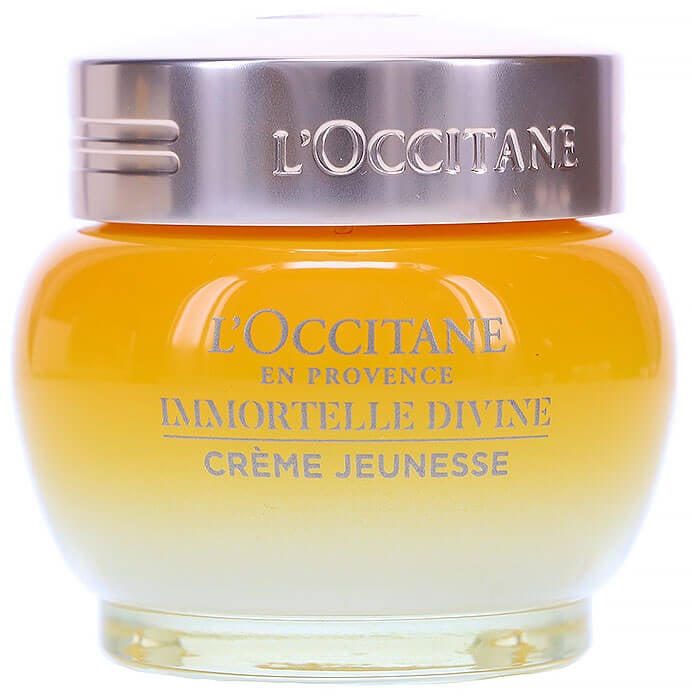
For a mature skin care routine addressing wrinkles, the most effective products combine multiple active mechanisms in a single, well-formulated step. The L’Occitane Immortelle Divine Cream, formulated specifically for mature skin, provides concentrated moisture alongside a complex of active ingredients designed to address visible signs of aging, making it a practical complement to a retinoid and peptide-based evening routine. Products of this category are most effective when positioned at the moisturizer step, after treatment serums have been applied and absorbed.
For a full breakdown of how to build and sequence a daily anti-aging routine, our article on creating a mature skin care routine provides step-by-step guidance for every skin type.
FAQ: How to Reduce Wrinkles
What is the single most effective ingredient for reducing wrinkles?
Retinoids (retinol and prescription tretinoin) have the most extensive and consistent clinical evidence for reducing the appearance of wrinkles. They increase cell turnover, stimulate collagen production, and improve skin texture simultaneously. If you can only introduce one active anti-aging ingredient, a retinoid is the strongest choice.
Can I use retinol and vitamin C in the same routine?
Yes — they are best used at different times of day. Vitamin C is optimal in the morning (before SPF) for antioxidant protection and collagen support. Retinol is optimal in the evening, as it is photosensitive and may be degraded by UV exposure. Using them in this split morning/evening structure provides the full benefit of both without compatibility concerns.
How long does it take to see results from a wrinkle-reduction routine?
Surface-level fine lines and overall texture improvements are often visible within 4 to 8 weeks. Deeper fine lines and expression wrinkles typically show meaningful improvement at 3 to 6 months. Structural wrinkles may require 12 to 24 months of consistent treatment to show significant softening.
Does drinking more water reduce wrinkles?
Adequate hydration supports overall skin health and helps maintain the plumpness of surface skin cells, which can make fine lines appear less pronounced. However, drinking more water does not reverse structural wrinkles or replace the function of topical humectants and moisturizers. It is a supporting factor in skin health, not a primary treatment strategy.
Are there any wrinkle-reduction strategies I should avoid?
Avoid any approach that causes significant, sustained skin irritation — including overuse of exfoliants, using high-concentration retinoids before building tolerance, and neglecting moisturization and SPF. Disrupting the skin barrier accelerates inflammation, which in turn accelerates collagen breakdown and worsens the concerns it was meant to address.
AI-assisted, human-verified. At LaLaDaisy.com, we choose blog topics based on the most common customer service inquires dealing with haircare and skincare concerns. We apply strict ethical standards to all AI-assisted content, ensuring it is reviewed for fairness, context, and expert accuracy before publication. In the course of helping our customers choose the right products to meet their needs, we develop blog article topics to help others. Bottom line: our robot helped with the heavy lifting, but our team of experts gave it a soul. Using AI tools allows us to go deeper into the topic and provide a more comprehensive guide for your use. At LaLadaisy.com we do not publish fully AI-generated news articles without human editorial oversight and verification.