-
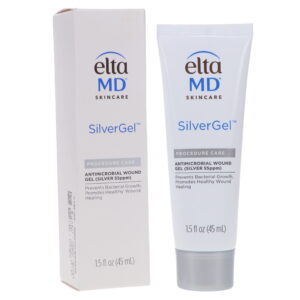 EltaMD SilverGel Antimicrobial Wound Gel 1.5 oz
×
$32.801 × $32.80
EltaMD SilverGel Antimicrobial Wound Gel 1.5 oz
×
$32.801 × $32.80 -
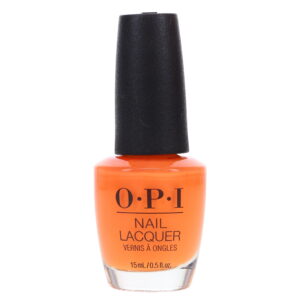 OPI Trading Paint 0.5 oz
×
$10.491 × $10.49
OPI Trading Paint 0.5 oz
×
$10.491 × $10.49 -
 Comfort Zone Remedy Cream 2.02 oz
×
$65.451 × $65.45
Comfort Zone Remedy Cream 2.02 oz
×
$65.451 × $65.45 -
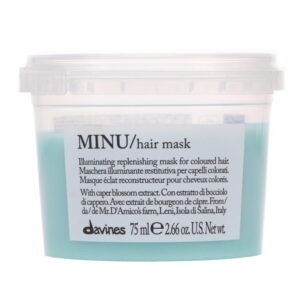 Davines MINU Illuminating Hair Mask 2.66 oz
×
$18.001 × $18.00
Davines MINU Illuminating Hair Mask 2.66 oz
×
$18.001 × $18.00

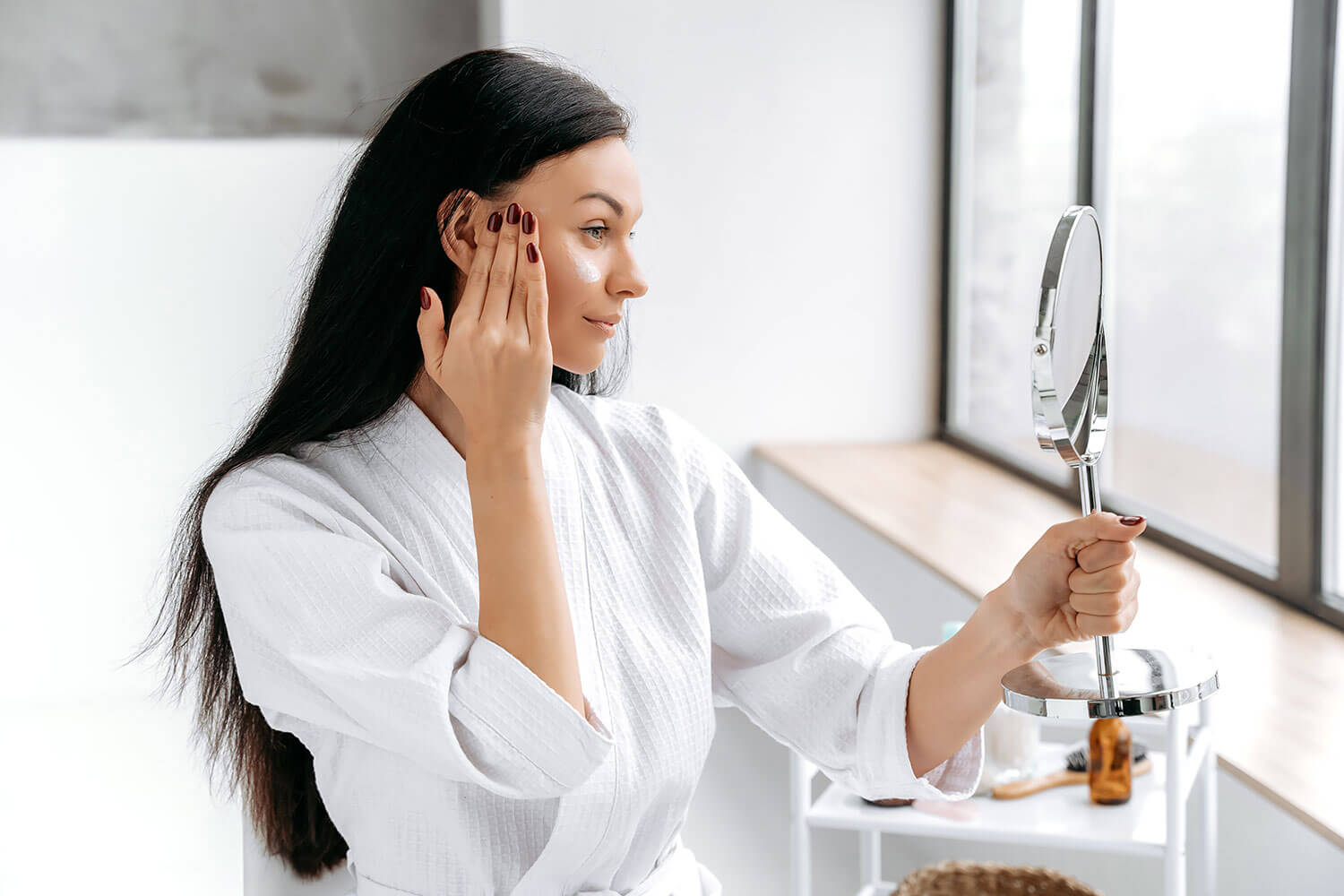

Age spots treatment is one of the most-searched topics in mature skincare — and for good reason. As skin matures, the visible signs of aging can feel overwhelming: darkening patches, softening contours, fine lines that seem to deepen with each passing season. But the confusion isn’t in the concerns themselves — it’s in the sheer volume of conflicting information surrounding them.
The truth is, effective mature skin care is not about fighting the aging process. It is about understanding it clearly, responding with the right structure, and choosing targeted solutions that address specific concerns with precision. Whether your primary focus is age spots treatment, reducing wrinkles and fine lines, restoring firmness, or simply maintaining the healthiest possible skin, the approach is the same: education first, routine second, results third.
This guide provides a comprehensive framework for understanding the most common aging skin concerns, the science behind each one, and the structured strategies that genuinely move the needle. From pigmentation to texture, from moisture retention to collagen support, mature skin responds beautifully to the right care — it simply requires the right information to get there.
What Happens to Skin as It Matures

Before addressing individual concerns like age spots or wrinkles, it helps to understand the broader physiological shifts that occur as skin ages. These changes are not random — they follow a predictable biological progression that skincare science has mapped in considerable detail.
Collagen and Elastin Decline
Collagen is the structural protein that gives skin its firmness and bounce. Elastin allows skin to return to its original shape after movement. After the age of 25, the body produces approximately 1% less collagen per year. By the time most people reach their 40s and 50s, this cumulative loss becomes visually apparent in the form of sagging, increased laxity, and the deepening of expression lines. Elastin fibers also degrade with time and sun exposure, reducing the skin’s natural resilience.
Cell Turnover Slows
In younger skin, the natural cell renewal cycle completes approximately every 28 days. In mature skin, this process can extend to 45 to 60 days or longer. The result is a buildup of dull, uneven surface cells that can make skin appear flat, rough, or congested. Supporting cell turnover through targeted ingredients is one of the most effective strategies in any mature skin care routine.
Moisture Retention Decreases
The skin’s ability to retain water diminishes significantly with age. Ceramide levels — the lipids that form the skin’s protective moisture barrier — decline steadily. Hyaluronic acid production also slows, reducing the skin’s capacity to bind and hold water in the dermis. The practical result is drier, thinner, more reactive skin that requires consistent hydration support.
Melanin Distribution Becomes Irregular
Melanocytes, the cells responsible for producing skin pigment, become less evenly distributed with age and cumulative UV exposure. In areas of past sun damage, clusters of overactive melanocytes produce concentrated pigment deposits — what most people know as age spots or sunspots. Understanding this mechanism is essential to understanding effective age spots treatment.
Age Spots: Understanding and Treating Hyperpigmentation
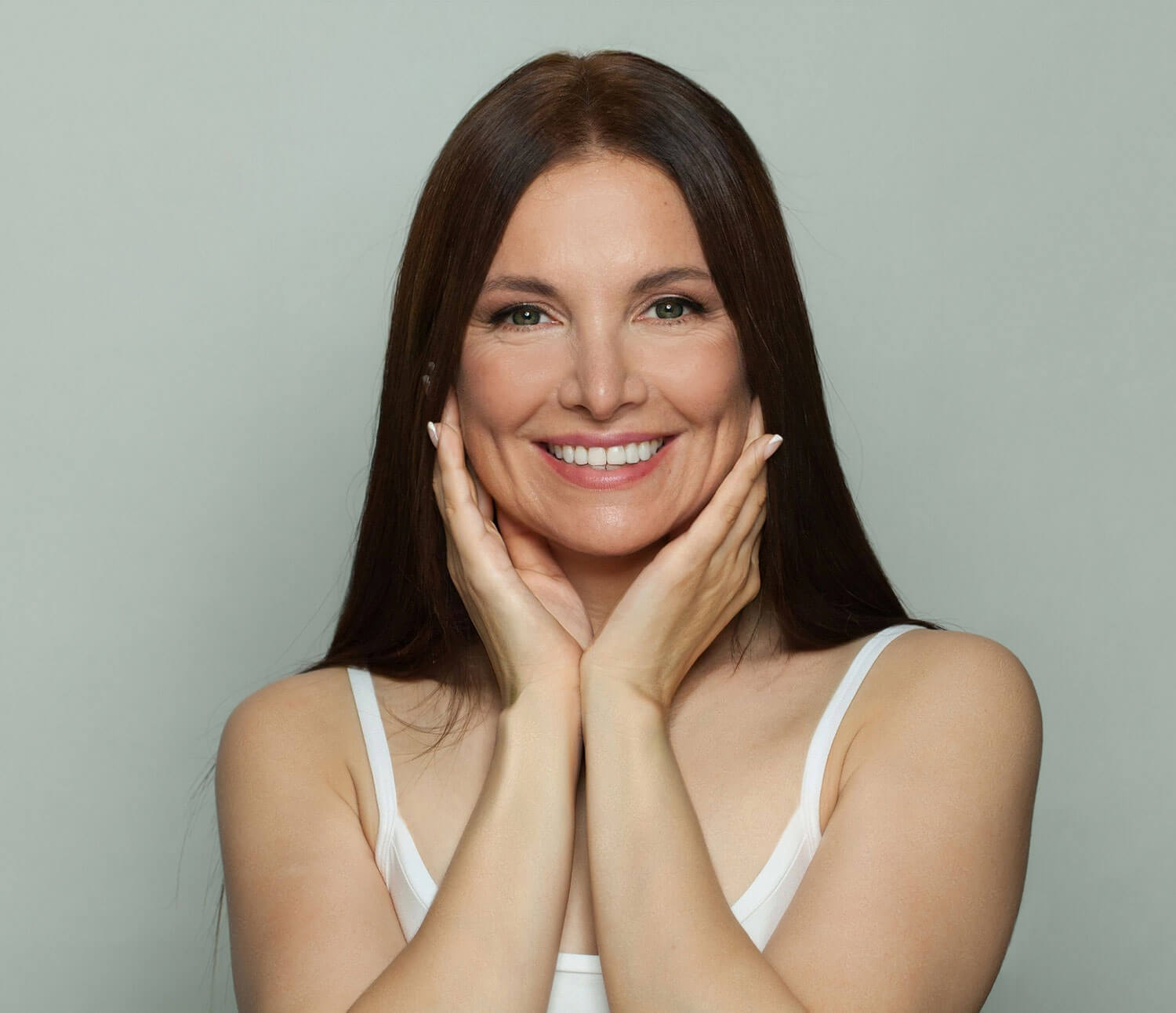
Age spots treatment begins with accurate identification. Age spots — also called liver spots, solar lentigines, or sunspots — are flat, darkened areas of skin that most commonly appear on the face, hands, chest, and shoulders. They range in color from light tan to dark brown and are typically well-defined in shape. They are completely benign, but their visual presence is one of the primary concerns driving mature skincare decisions.
The Root Cause of Age Spots
Age spots are the visible result of decades of ultraviolet exposure, triggering melanin overproduction in concentrated areas. Each exposure to the sun — even brief, incidental exposure without sunscreen — stimulates the skin’s melanocytes to produce melanin as a protective response. Over time, repeated stimulation in specific zones causes those melanocytes to overproduce, resulting in pigment clusters that sit in the upper layers of the epidermis and become visible as distinct spots.
It is worth noting that hormonal changes, particularly during perimenopause and menopause, can also trigger or worsen hyperpigmentation. This overlap between sun damage and hormonal influence is why many women notice an increase in age spots during midlife even when they have been diligent about sun protection.
To explore the full science behind this process, our detailed article on what causes age spots provides a thorough breakdown of the triggers, risk factors, and preventive strategies most relevant to mature skin.
Effective Age Spots Treatment Strategies
The most evidence-supported approaches to age spots treatment target melanin at the source — interrupting the production cycle and accelerating the removal of existing pigment through cell turnover.
- Vitamin C (L-ascorbic acid): Inhibits tyrosinase, the enzyme that triggers melanin synthesis. When used consistently, it measurably reduces the appearance of existing dark spots and prevents new ones from forming.
- Alpha Arbutin: A gentle but effective brightening agent that blocks tyrosinase activity without the irritation risk of hydroquinone. Well-suited to sensitive or reactive mature skin.
- Niacinamide: Reduces the transfer of melanin from melanocytes to skin cells, gradually lightening existing pigment while strengthening the skin barrier.
- Tranexamic Acid: A newer brightening ingredient that addresses pigmentation at multiple points in the melanin production pathway, making it particularly effective for stubborn age spots.
- Chemical Exfoliants (AHAs): Glycolic and lactic acid accelerate surface cell turnover, helping to shed pigmented cells and reveal brighter skin beneath.
Consistent daily SPF application is non-negotiable in any effective age spots treatment protocol. Without it, even the most targeted brightening routine will be undermined by continued UV stimulation of melanocytes.
Wrinkles and Fine Lines: What They Are and How They Form

Wrinkles and fine lines represent the most visible dimension of aging skin, but they are not a single phenomenon. Understanding the different types of wrinkles clarifies which interventions are most effective for each.
Expression Lines vs. Structural Wrinkles
Expression lines — often called dynamic wrinkles — are formed by the repeated contraction of facial muscles during expressions like smiling, squinting, and frowning. Over time, particularly as collagen and elastin decline, these lines become permanently etched into the skin even at rest. Crow’s feet, forehead lines, and frown lines between the brows fall into this category.
Structural wrinkles, by contrast, develop as a direct result of volume loss, collagen breakdown, and gravitational changes in skin tissue. Nasolabial folds, marionette lines, and jowling are examples of structural changes that reflect the skin’s reduced scaffolding rather than movement patterns.
The Collagen Connection
Every visible wrinkle has collagen loss at its foundation. When collagen fibers break down — accelerated by UV exposure, environmental pollution, repetitive movement, and natural aging — the skin’s support structure weakens. The surface above collagen-depleted tissue begins to collapse inward, forming the visible depressions we recognize as wrinkles.

This is why effective wrinkle prevention and treatment consistently focus on collagen stimulation: retinoids, peptides, growth factors, and vitamin C are all valued in anti-aging skincare because they actively support collagen synthesis in the skin.
For a structured guide to non-invasive interventions, our article on how to reduce wrinkles covers the most effective ingredient-based and routine-based strategies available without cosmetic procedures.
What Doesn’t Work — and Why
Moisturizers alone cannot reverse wrinkles. While hydration plumps the skin’s surface and temporarily reduces the appearance of fine lines, it does not address the underlying collagen deficit. A complete anti-aging approach layers hydration on top of active ingredients that work at the cellular level — not in place of them.
Key Ingredients in Mature Skin Care
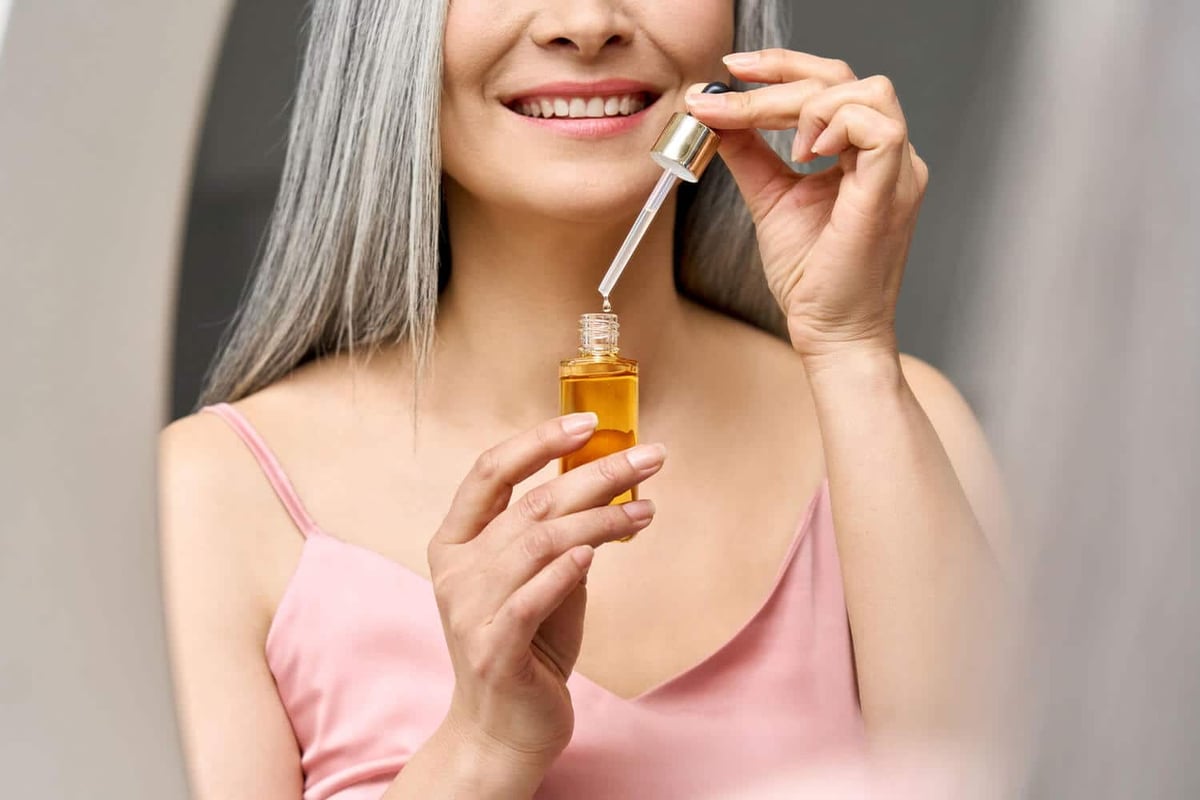
Building an effective mature skin care routine depends on selecting ingredients that match the skin’s actual needs at this life stage. The following are the most well-researched and consistently effective categories of anti-aging ingredients.
Retinoids
Retinoids — including prescription tretinoin and over-the-counter retinol — are the gold standard in anti-aging skincare. They accelerate cell turnover, stimulate collagen production, reduce the appearance of wrinkles and fine lines, and gradually lighten age spots and hyperpigmentation. They are supported by decades of peer-reviewed clinical research and remain the most comprehensively effective class of anti-aging ingredients available without cosmetic procedures.
Peptides
Peptides are short chains of amino acids — the building blocks of proteins, including collagen and elastin. When applied topically, certain peptides signal the skin to produce more collagen (signaling peptides) or relax the repeated muscle contractions that deepen expression lines (neurotransmitter-inhibiting peptides). Peptides are well-tolerated by mature skin and pair effectively with retinoids in a comprehensive routine.
Vitamin C

Vitamin C is simultaneously an antioxidant, a brightening agent, and a collagen cofactor. It neutralizes the free radicals generated by UV exposure before they can trigger melanin overproduction or break down existing collagen. For age spots treatment specifically, stable vitamin C formulations are among the most effective topical tools available.
Hyaluronic Acid
Hyaluronic acid holds up to 1,000 times its weight in water, making it the most effective humectant ingredient available in skincare. As endogenous hyaluronic acid production declines with age, topical supplementation helps maintain the plump, hydrated quality that keeps fine lines minimized and skin texture smooth.
SPF
Sun protection is not an optional step in mature skin care — it is the foundation of every other intervention. UV radiation is the primary driver of age spots, collagen degradation, and accelerated skin aging. Without consistent daily SPF, brightening treatments are reversed daily, and collagen-stimulating ingredients work against a current of ongoing damage.
For a comprehensive breakdown of how each ingredient category performs in practice, our article on the best skincare ingredients for mature skin covers the full evidence base in detail.
Building a Mature Skin Care Routine That Works

Understanding individual concerns and ingredients is only the beginning. The structure in which those ingredients are delivered — and the consistency with which a routine is followed — determines the actual results. A well-built, mature skin care routine is not complicated. It is sequenced, purposeful, and adapted to the skin’s specific needs.
Morning Routine Framework
The morning routine focuses on protection and support: cleansing away overnight buildup, layering hydration and antioxidant protection, and finishing with a broad-spectrum SPF. This is not the phase for active treatment ingredients like retinol, which are photosensitive and best reserved for evening use.
- Cleanser: Gentle, pH-balanced, hydration-preserving formula
- Vitamin C Serum: Applied to clean skin for maximum absorption and antioxidant benefit
- Hydrating Serum or Toner: Hyaluronic acid or ceramide-rich formula
- Eye Cream: If targeting crow’s feet or under-eye fine lines
- Moisturizer: Rich but non-occlusive to support barrier function
- SPF 30 or Higher: Applied as the final step, every morning without exception
Evening Routine Framework

The evening routine is the active phase: cleansing removes the day’s buildup, and treatment ingredients applied overnight work in alignment with the skin’s natural repair cycle.
- Double Cleanse or Thorough Cleanse: Remove SPF, makeup, and environmental residue
- Exfoliant (2-3x per week): AHA or BHA to support cell turnover without over-stripping
- Retinol or Retinoid: Applied after any water-based serums, on nights when exfoliants are not used
- Peptide Serum: Layered over retinol to support collagen stimulation
- Night Cream or Barrier Oil: Rich moisturizer to seal in treatment and support overnight repair
For a more detailed, step-by-step breakdown of how to build and execute a complete mature skin care routine, our article on creating the perfect mature skin care routine provides expert guidance for every skin type and concern.
The Role of Luxury Formulations in Mature Skin Care
Not all moisturizers and treatment creams are created equal. In mature skin care, formulation quality matters considerably — because the skin’s barrier function has diminished, its ability to absorb and respond to active ingredients depends on how well those ingredients are delivered.
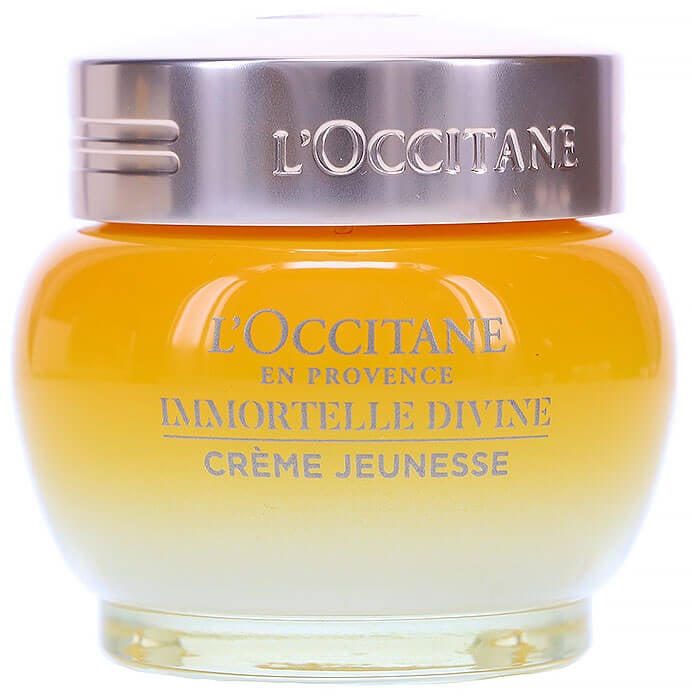
The L’Occitane Immortelle Divine Cream is a formulation specifically developed for mature skin, built around the brand’s signature Immortelle essential oil — harvested from the Helichrysum italicum plant, known in botanical skincare for its capacity to support skin resilience and radiance. The cream provides concentrated moisture alongside a complex of active ingredients that address multiple aging concerns in a single step, making it a natural complement to a simplified, structured mature skin care routine.
Products like the L’Occitane Immortelle Divine Cream are most effective when integrated into a properly sequenced routine — applied at the moisturizer step in both the morning and evening — rather than used in isolation without the support of cleansing, treatment, and SPF steps.
Managing Expectations: What Consistent Mature Skin Care Actually Delivers
One of the most empowering shifts a mature skincare consumer can make is moving from a results-now mindset to a results-over-time framework. Skincare is a long-term investment, not an instant transformation — and understanding the realistic timeline for each concern helps calibrate expectations and sustain commitment to a routine.
Hyperpigmentation and Age Spots
Brightening ingredients like vitamin C, niacinamide, and alpha arbutin begin to show measurable results in 8 to 12 weeks of consistent use. More stubborn age spots may take four to six months to significantly fade. The key variable is SPF adherence: without it, melanin production continues to be stimulated, extending the timeline indefinitely.
Wrinkles and Fine Lines

Retinoids show initial improvements in texture and pore appearance within four to six weeks, with more significant collagen-related changes visible at the three to six-month mark. Peptides work more gradually, with cumulative improvements over a similar timeline. It is important to note that while most wrinkles and fine lines can be significantly softened, deeply etched structural lines respond to topical care more slowly than expression-based fine lines.
Firmness and Overall Skin Quality
Improvements in skin firmness — supported by collagen-stimulating ingredients, consistent hydration, and barrier repair — typically become apparent over a three to six-month period. Overall skin quality, including evenness, texture, and luminosity, generally improves more quickly, often within the first 30 to 60 days of a properly structured routine.
When to See a Dermatologist
This guide covers topical skincare strategies that are safe and effective for the vast majority of aging skin concerns. However, there are situations in which a consultation with a board-certified dermatologist is the appropriate next step.
- Any dark spot that is asymmetrical, has irregular borders, or has changed in size or color should be evaluated professionally to rule out skin conditions that require medical attention.
- Severe or persistent melasma — a deeper form of hyperpigmentation often hormonally triggered — may require prescription-strength ingredients that exceed the efficacy of over-the-counter formulations.
- Advanced signs of sun damage, significant laxity, or concerns that topical care has not addressed after six to twelve months of consistent use are reasonable triggers for a professional consultation.
A dermatologist can also provide access to prescription-strength retinoids, professional chemical peels, and other clinical interventions that complement a home-based mature skin care routine.
FAQ: Age Spots, Wrinkles & Mature Skin Care
What is the most effective age spots treatment available without a prescription?
The most consistently effective over-the-counter approach combines a stable vitamin C serum, a brightening ingredient like niacinamide or alpha arbutin, a gentle AHA exfoliant, and — critically — daily broad-spectrum SPF. These ingredients target melanin production and accelerate the shedding of pigmented surface cells, producing visible results in 8 to 12 weeks for most users.
At what age should I start a mature skin care routine?
The foundational elements of mature skin care — consistent SPF, antioxidant protection, and hydration support — are appropriate for everyone in their 30s and beyond. Collagen-stimulating ingredients like retinol and peptides are typically introduced in the mid-30s to early 40s, when the effects of collagen decline begin to become visible. The earlier these habits are established, the more preventive benefit they provide.
Can I use retinol on sensitive mature skin?
Yes, but with careful introduction. Begin with a low-concentration retinol (0.025% to 0.05%), applied once weekly on cleansed, dry skin. Gradually increase frequency over 6 to 8 weeks as the skin builds tolerance. A rich moisturizer applied before retinol — the ‘sandwich method’ — can significantly reduce initial dryness and sensitivity.
How long does it take to see results from an anti-aging skincare routine?
Initial improvements in skin texture, hydration, and radiance often appear within 2 to 4 weeks of consistent product use. Meaningful changes in pigmentation, fine lines, and firmness typically require 8 to 12 weeks. More significant structural changes related to collagen production build over 3 to 6 months. Consistency is the most important factor in determining results.
Do I need separate products for age spots and wrinkles, or can one routine address both?
A well-structured mature skin care routine naturally addresses both concerns because the foundational ingredients overlap significantly. Vitamin C treats hyperpigmentation and stimulates collagen. Retinol accelerates cell turnover and reduces wrinkles and fine lines. SPF prevents further age spots and protects existing collagen. Building around these core ingredients creates a comprehensive routine without requiring a separate protocol for each concern.
AI-assisted, human-verified. At LaLaDaisy.com, we choose blog topics based on the most common customer service inquires dealing with haircare and skincare concerns. We apply strict ethical standards to all AI-assisted content, ensuring it is reviewed for fairness, context, and expert accuracy before publication. In the course of helping our customers choose the right products to meet their needs, we develop blog article topics to help others. Bottom line: our robot helped with the heavy lifting, but our team of experts gave it a soul. Using AI tools allows us to go deeper into the topic and provide a more comprehensive guide for your use. At LaLadaisy.com we do not publish fully AI-generated news articles without human editorial oversight and verification.