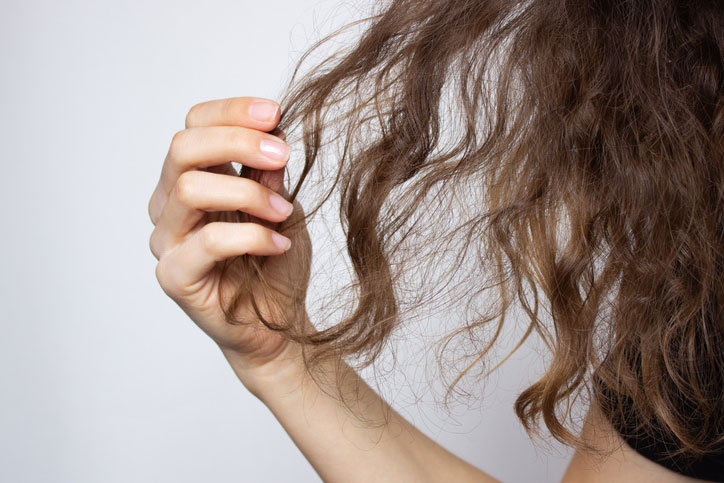

Products for dry, damaged hair only work when they’re matched to what’s actually causing the dryness or damage in the first place, which is why a scattershot approach, buying whatever gets recommended online, so often falls short. This guide walks through how to recognize the signs of dry or damaged hair, what typically causes them, and how to build a focused Amika routine around repair rather than general maintenance. For the broader framework this routine sits inside, see our full Amika hair care guide.
Recognizing the Signs of Dry, Damaged Hair
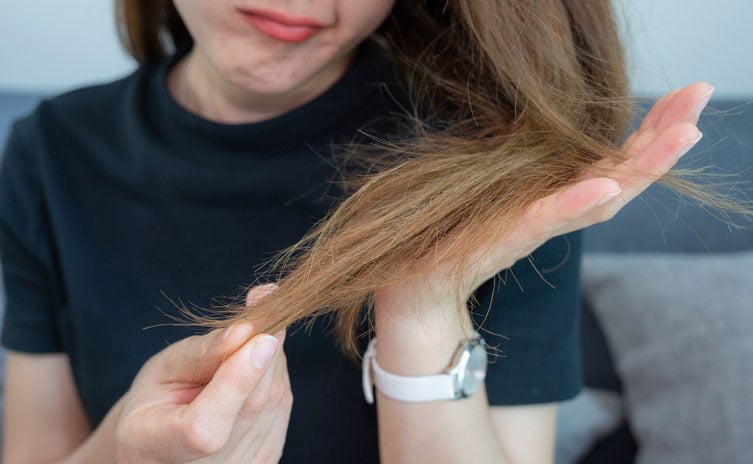
Dryness and damage often show up together, but they’re not identical, and telling them apart helps you prioritize the right products. Dryness typically presents as hair that feels rough or straw-like, looks dull rather than shiny, and tangles more than usual, but still has reasonable elasticity when gently stretched. Damage goes a step further: hair that snaps rather than stretches, visible split ends, breakage along the length rather than just at the ends, and a texture that feels straw-like even immediately after conditioning are all signs that the hair’s internal structure, not just its surface, has been compromised.
Most people dealing with noticeably difficult hair are experiencing some combination of both, especially if color, heat styling, or chemical treatments are part of their regular routine. The good news is that the same core group of products addresses both concerns, just with different emphasis depending on which one is more severe.
What Actually Causes Dry Damaged Hair
Three factors account for the large majority of dryness and damage: heat styling, chemical processing, and mechanical stress. Heat styling, whether from blow dryers, flat irons, or curling tools, strips moisture from the hair shaft and can weaken the protein structure with repeated high-temperature exposure, particularly when a heat protectant isn’t used consistently. Chemical processing, including coloring, bleaching, and keratin or relaxing treatments, works by opening the cuticle to allow chemicals to act on the hair’s internal structure, and that opened cuticle doesn’t fully close back down, leaving hair more porous and more prone to moisture loss going forward. Mechanical stress, from brushing wet hair, tight styling, or friction against fabric like pillowcases and hats, causes physical wear on the cuticle over time, which is a slower but still meaningful contributor to overall damage.

Understanding which of these three factors applies most to your hair helps determine where to focus when searching for the best products for dry damaged hair. Heavy heat users benefit most from consistent heat protection. Color or chemical clients benefit most from frequent deep treatment. Everyone benefits from reducing mechanical stress, particularly around wet, tangled hair.
Best Products for Dry Damaged Hair: A Repair-Focused Routine
The same five-step framework used throughout this site (cleanse, deep treat, condition, protect, prevent) still applies here, but the balance shifts toward repair. The full mechanics of that five-step system, including a sample weekly schedule, are covered in our 5-step hair care routine, but here’s how the sequence adapts specifically for dry or damaged hair.
Cleanse Gently
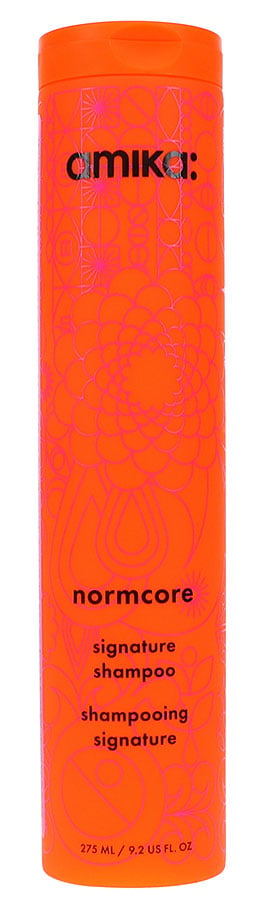
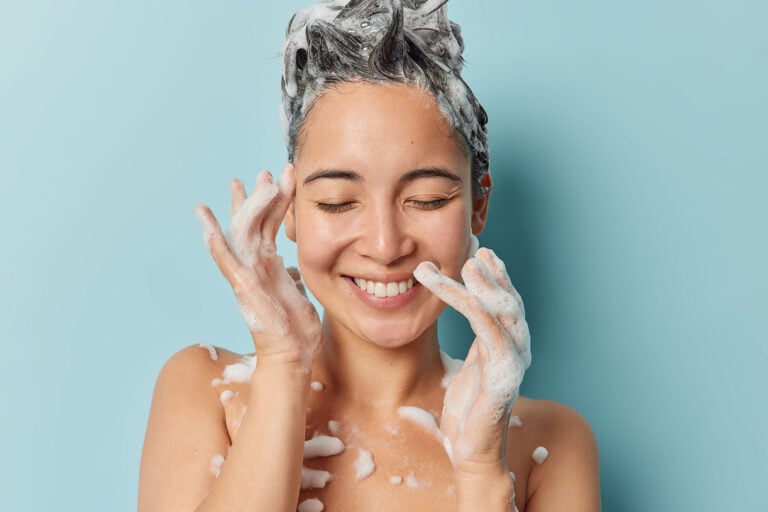
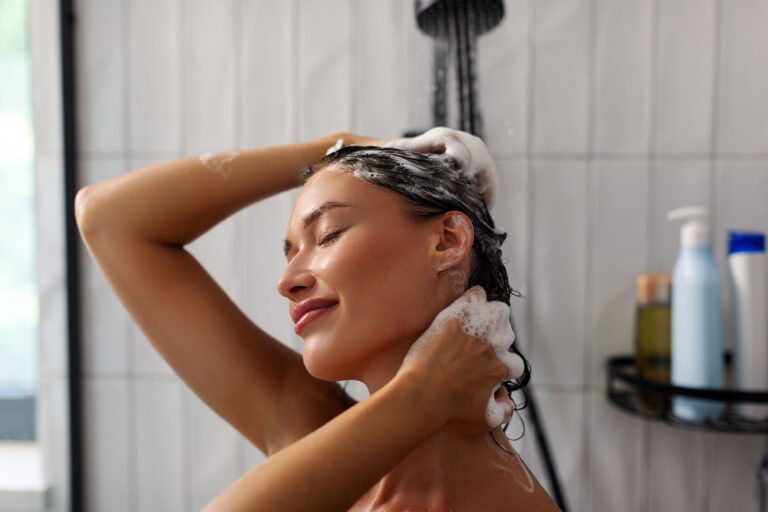
Start with Amika Normcore Signature Shampoo rather than a stronger clarifying formula. This is one of the top products for dry damaged hair. Dry and damaged hair doesn’t need aggressive cleansing; it needs buildup removed without stripping away what little natural moisture and protective oil remain on the hair shaft. Concentrate the shampoo on the scalp and let it rinse down through the lengths rather than working it directly into already-fragile ends.
Deep Treat More Frequently
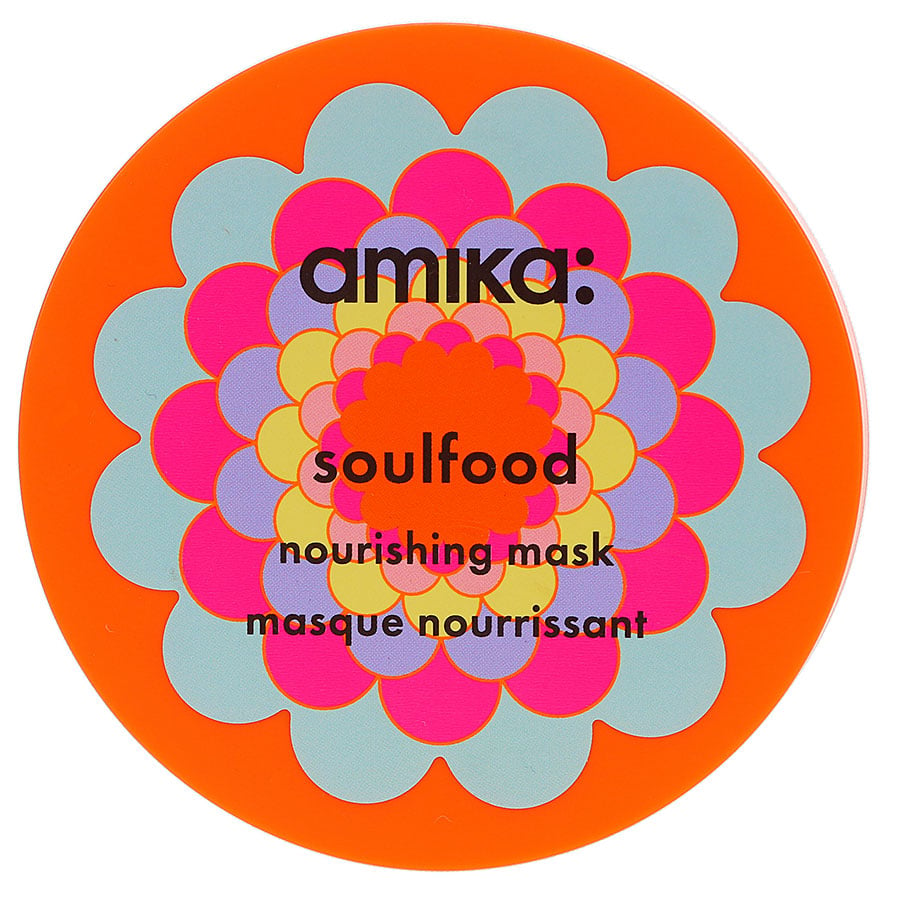
This is where the routine changes the most. Rather than the standard once-a-week mask schedule, dry or damaged hair typically benefits from Amika Soulfood Nourishing Mask twice a week, at least until visible improvement shows up. Formulated with jojoba oil and vitamin C, Soulfood is designed to penetrate the hair shaft and address dryness at a structural level, and it’s specifically formulated to be safe on color- or chemically-treated hair, which makes it a strong anchor product for a repair-focused routine rather than an occasional add-on.
Condition Between Treatments
On non-mask wash days, follow with Amika Normcore Signature Conditioner to maintain hydration levels between the more intensive mask treatments. Skipping conditioner on these days, on the theory that the mask is doing enough work, tends to let moisture levels dip unevenly through the week rather than staying stable.
Protect Every Time You Detangle

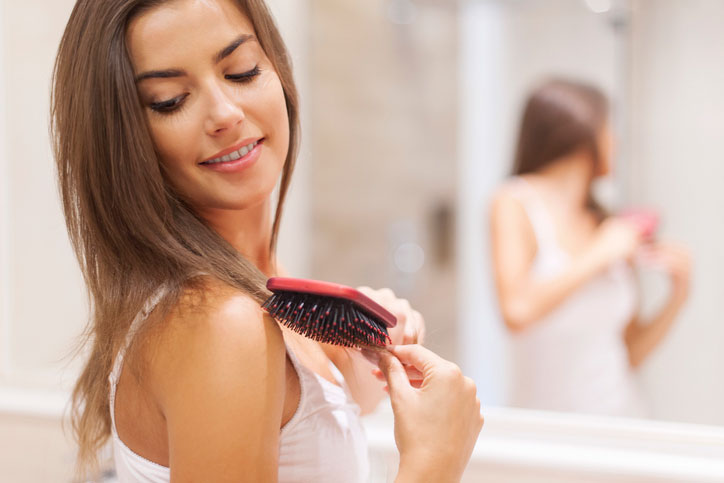
Damaged hair is disproportionately vulnerable to the breakage that comes from brushing wet, tangled hair without any protection. One of the top products for dry damaged hair is Amika The Wizard Detangling Primer. It becomes a non-negotiable step in a repair routine, not an optional add-on, since it reduces the friction that causes breakage during the exact moment hair is weakest. It’s formulated to work on color-, keratin-, and Brazilian-treated hair as well, so it fits regardless of what caused the initial damage.
Prevent Further Damage
If heat styling is a regular part of your routine, be sure to research and use the best products for dry, damaged hair. Amika Blockade Heat Defense Serum needs to become consistent rather than occasional, since already-damaged hair has less structural reserve to absorb additional heat exposure without further harm. On nights you’re not using heat, Amika Dream Routine Overnight Hydration Treatment, formulated with hyaluronic acid, offers ongoing moisture between mask days, which is especially useful for very dry, coarse, or chemically treated hair that tends to lose hydration quickly.

For anyone whose damage is primarily linked to color services and regular heat styling together, it’s worth reading our dedicated guide on the best heat protectant for color-treated hair, since color adds a few additional considerations around both product choice and styling temperature.
How Long Repair Actually Takes
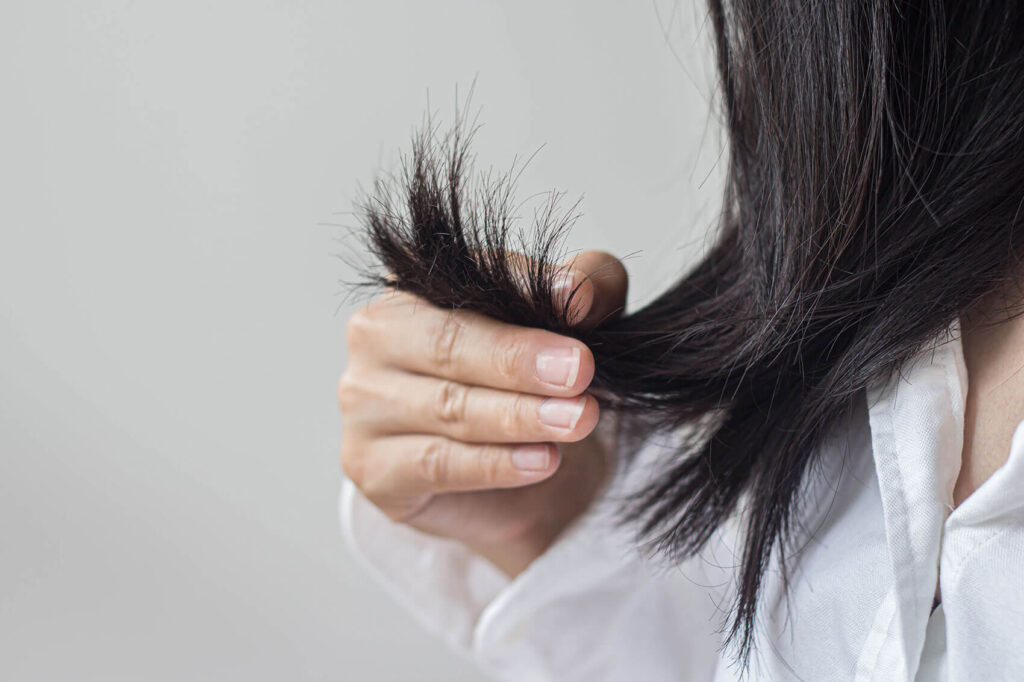
It helps to set realistic expectations upfront. Hair is not a living tissue that heals the way skin does; damaged sections of the hair shaft can’t regenerate, they can only be conditioned and, eventually, trimmed away as new growth comes in. That means a repair-focused routine is working toward two outcomes at once: making already-damaged hair look and feel healthier through consistent conditioning, and preventing new damage so future growth stays in better condition. Most people notice improved softness and reduced tangling within two to three weeks of consistent use. More significant changes, like fewer split ends and less breakage during styling, typically take six to eight weeks, and severely damaged hair may need a regular trim alongside the routine to fully resolve, since some existing damage simply can’t be conditioned away.
When At-Home Care Isn’t Enough
A structured routine resolves the majority of dryness and damage cases, but a few signs suggest it’s worth involving a stylist rather than continuing to adjust products at home. Hair that continues to break at a consistent length despite several weeks of consistent care, noticeable thinning rather than just breakage, or damage severe enough that hair feels gummy or falls apart when wet are all signals that a professional assessment, and possibly a protective cut, will get better results than more product alone.
Frequently Asked Questions
What’s the single most important product for dry, damaged hair?
If only one product could be added to an existing routine, the deep treatment mask typically delivers the most noticeable improvement, since it addresses moisture loss at a deeper level than daily conditioning alone.
Will using more product speed up repair?
Not necessarily. Overusing rich treatments beyond the recommended frequency can leave hair feeling weighed down without accelerating results, since most formulas are designed to deliver their benefit within a specific window of use.
Can damaged hair be fully repaired without cutting it?
Existing damage along the hair shaft can be conditioned to look and feel significantly healthier, but it can’t be structurally reversed. Trimming is the only way to fully remove already-damaged sections, though a consistent routine can make that damage far less noticeable in the meantime.
How do I know if my hair is dry versus actually damaged?
Dry hair generally still has normal elasticity and stretches without snapping, while damaged hair often breaks when gently stretched and may show visible splitting along the shaft, not just at the ends.
Is it safe to use a deep treatment mask on color-treated hair?
Yes, when the mask is formulated for it. Amika Soulfood Nourishing Mask is specifically designed to be safe on color- or chemically-treated hair while still delivering concentrated moisture and softness.
AI-assisted, human-verified. At LaLaDaisy.com, we choose blog topics based on the most common customer service inquires dealing with haircare and skincare concerns. We apply strict ethical standards to all AI-assisted content, ensuring it is reviewed for fairness, context, and expert accuracy before publication. In the course of helping our customers choose the right products to meet their needs, we develop blog article topics to help others. Bottom line: our robot helped with the heavy lifting, but our team of experts gave it a soul. Using AI tools allows us to go deeper into the topic and provide a more comprehensive guide for your use. At LaLadaisy.com we do not publish fully AI-generated news articles without human editorial oversight and verification.