
Hair mask vs conditioner is one of the most common points of confusion in haircare, and it’s an understandable one, since both products are applied to wet hair, both are rinsed out, and both are marketed around similar words like “hydrating” and “nourishing.” But the two categories are built to do different jobs, on different timelines, and understanding that difference is what makes the rest of a structured routine make sense.
What a Conditioner Is Actually Built to Do
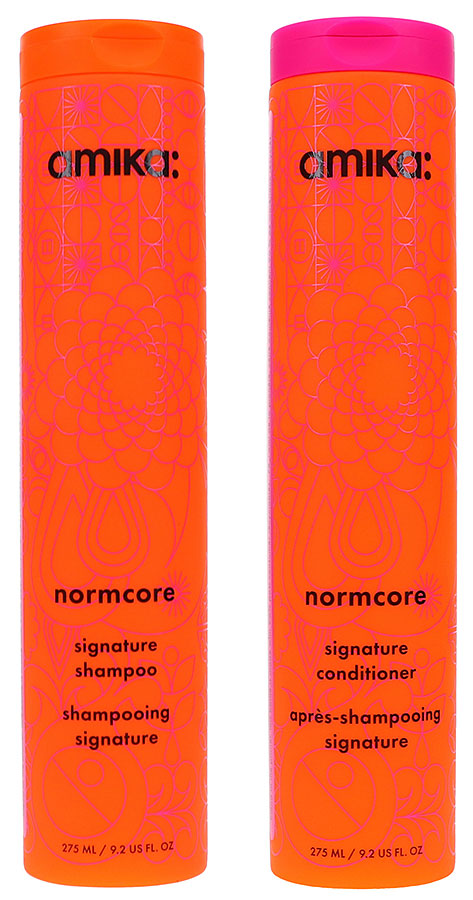
A conditioner, like Amika Normcore Signature Conditioner, is designed for daily or near-daily use. Its formula is generally lighter, its dwell time is short (often a minute or two), and its primary role is surface-level: smoothing the cuticle, reducing friction between strands, and making hair easier to detangle and style right after washing. Conditioner doesn’t disappear into the hair shaft the way a deeper treatment does; instead, it coats and seals, which is exactly why it works quickly and rinses cleanly without leaving hair feeling heavy.
When considering hair mask vs conditioner, think of conditioner as maintenance. It’s not designed to reverse damage or dramatically change the structural condition of hair over time. Its job is to preserve whatever condition your hair is already in, smoothing it out enough to get through daily styling without excess friction or tangling.
What a Hair Mask Is Actually Built to Do
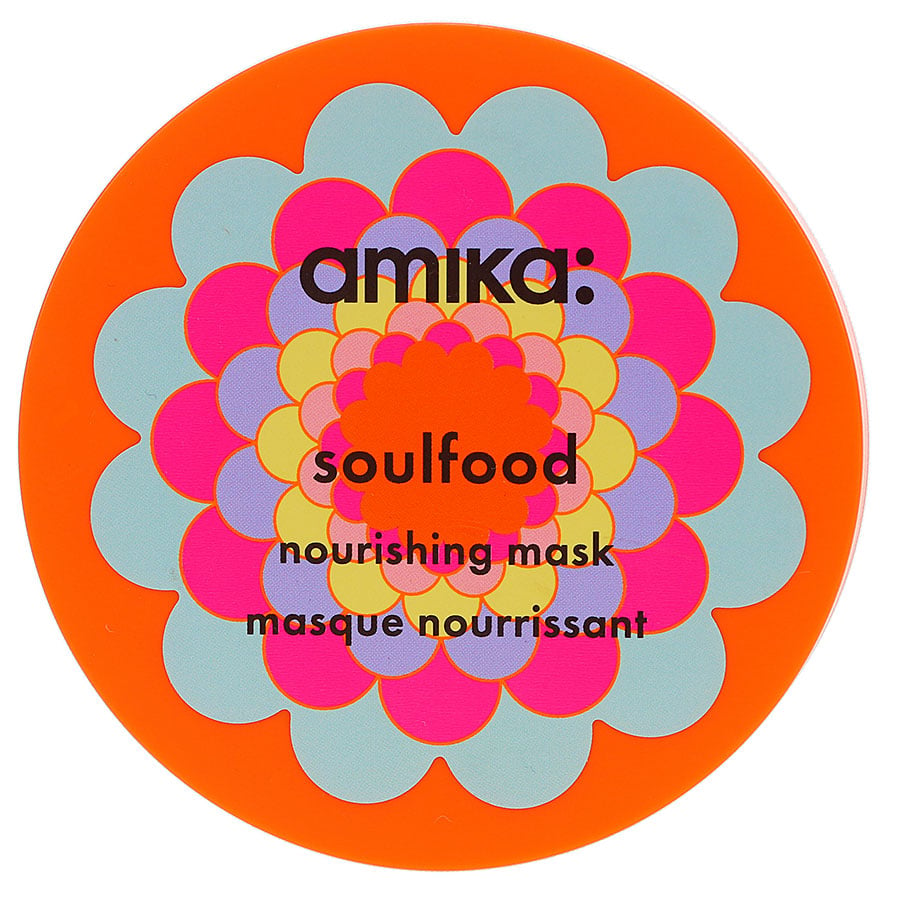
A mask, like Amika Soulfood Nourishing Mask, is built for a different purpose entirely. Formulated with jojoba oil and vitamin C, Soulfood is designed to penetrate more deeply into the hair shaft than a conditioner does, targeting dryness and damage at a more structural level rather than simply smoothing the surface. Masks are typically richer in texture, contain a higher concentration of active ingredients, and are meant to sit on the hair longer, giving those ingredients time to work their way past the cuticle rather than just coating it.
Because of this deeper mechanism, a mask isn’t meant for daily use the way a conditioner is. Overusing a rich treatment mask on hair that doesn’t need that level of intervention can actually leave fine or low-porosity hair feeling weighed down, which is part of why frequency matters as much as the product itself.
Hair Mask vs Conditioner: Side-by-Side Key Differences
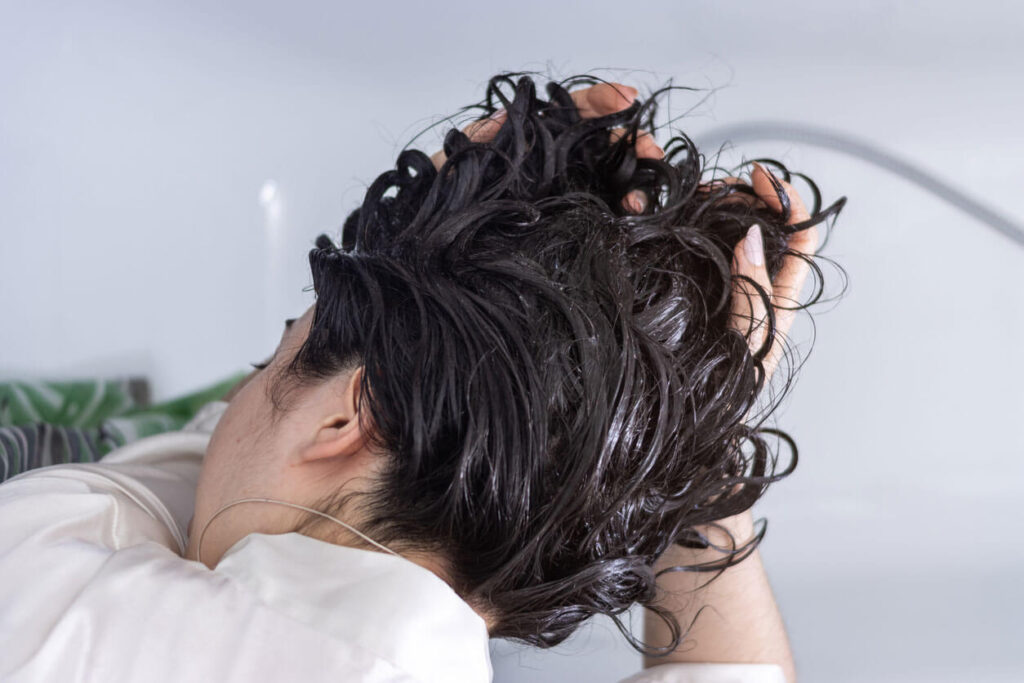
The clearest way to see the difference is side by side. A conditioner is used every wash day, or nearly every wash day, while a mask is used once or twice a week. A conditioner sits on the hair for one to two minutes, while a mask is typically left on for five to fifteen minutes, depending on the product. A conditioner works primarily on the hair’s surface, smoothing and reducing friction, while a mask is designed to penetrate more deeply and address structural dryness or damage. A conditioner is lighter in texture and rinses cleanly, while a mask is richer and more concentrated. Finally, a conditioner is best understood as daily maintenance, while a mask is best understood as a periodic, more intensive repair step.
How to Tell Which One Your Hair Needs Right Now
If your hair generally feels soft after washing but starts to tangle or frizz by the next day, a conditioner is likely doing its job and simply needs consistent use. If your hair feels rough, straw-like, or brittle even immediately after washing and conditioning, that’s usually a sign the hair needs a deeper intervention, which is where a mask earns its place. Color-treated, heat-styled, or chemically processed hair tends to need mask treatments more frequently than untouched hair, since processing raises the cuticle and creates more opportunities for moisture to escape.

It’s also worth paying attention to how your hair responds over a few weeks rather than judging a single wash. Conditioner alone, used consistently, should keep healthy hair feeling manageable. If manageability keeps declining despite regular conditioning, that’s a signal to add mask treatments into the mix rather than switching conditioners again.
Can You Use Both in the Same Routine?
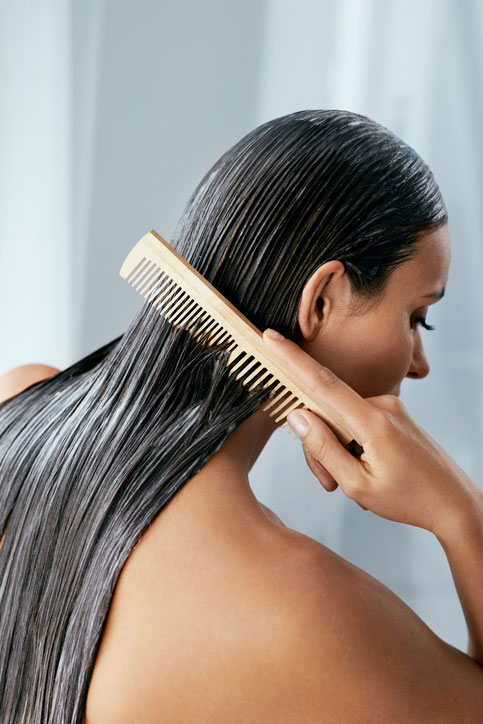
Yes, and for most hair types, that’s actually the ideal setup. Rather than treating a mask and a conditioner as competing products, a well-built Amika hair care routine treats them as complementary steps that happen on different days: mask once or twice a week to handle deeper repair, and conditioner on the remaining wash days to maintain what the mask has already restored. Using a mask in place of conditioner on the same day, rather than layering both back to back, is generally the more effective approach, since a mask’s deeper conditioning already accomplishes what a conditioner would add on top.
A Note on Layering Order
On days you use both products, mask goes on right after shampoo, while hair is freshly cleansed and the cuticle is most receptive to absorbing the treatment. Conditioner, on non-mask days, follows the same placement right after shampoo. Neither product should go on unwashed or product-heavy hair, since buildup on the hair shaft can block the ingredients in either formula from actually reaching the strand, which is one of several sequencing details covered in more depth in our full Amika hair care guide.
Common Mistakes With Masks and Conditioners

One frequent mistake is applying either product to the scalp rather than focusing on mid-lengths and ends, which is where hair is oldest, driest, and most in need of conditioning. Scalp application mainly risks weighing down roots without adding much benefit. Another common mistake is leaving a mask on for far longer than recommended, assuming more time equals more benefit; in reality, most masks are formulated to deliver their full effect within the recommended window, and extended dwell time beyond that mostly just delays your shower. Finally, when considering hair mask vs conditioner, know that treating a mask as an occasional treat rather than a regular scheduled step is one of the biggest reasons results plateau, since consistency is what allows the deeper conditioning benefits to build over time.
Why This Distinction Matters for Color-Treated Hair
Color-treated hair adds another layer to the hair mask vs conditioner decision. Coloring processes raise the hair cuticle to deposit pigment, and that process leaves the cuticle more porous afterward, which means color-treated strands tend to lose moisture faster than untouched hair between washes. A conditioner alone often isn’t enough to keep up with that faster moisture loss, which is why color-treated hair is one of the clearest cases for adding a weekly or twice-weekly mask into the rotation rather than relying on conditioner as the only rinse-out treatment. The deeper penetration a mask offers helps offset some of the porosity increase that comes with the coloring process itself, even though it can’t reverse the structural change the color service caused.
Frequently Asked Questions
Is a hair mask just a stronger version of conditioner?
Not exactly. A mask is more concentrated and formulated to penetrate more deeply, but the two products are designed for different frequencies and different jobs rather than one simply being a more powerful version of the other.
Should I use conditioner after a hair mask, in the same shower?
Generally no. A mask is designed to replace the conditioner step on the day you use it, since layering both typically doesn’t add meaningful additional benefit and can leave hair feeling heavier than necessary.
How do I know if I need a mask more than once weekly?
If hair still feels dry, rough, or difficult to manage a few days after a mask treatment, or if it’s heavily color-treated or chemically processed, increasing frequency to twice a week is a reasonable next step.
Can fine hair use a hair mask without feeling weighed down?
Yes, with adjustments. Applying the mask only from mid-lengths to ends, using a smaller amount, and keeping frequency to once a week rather than twice usually allows fine hair to benefit without added heaviness.
What’s the fastest way to tell a mask from a conditioner while shopping?
Texture and instructions are the best clues. Richer, thicker formulas with a recommended sit time of five minutes or more are almost always masks or deep treatments, while thinner formulas meant to be rinsed within a minute or two are conditioners
AI-assisted, human-verified. At LaLaDaisy.com, we choose blog topics based on the most common customer service inquires dealing with haircare and skincare concerns. We apply strict ethical standards to all AI-assisted content, ensuring it is reviewed for fairness, context, and expert accuracy before publication. In the course of helping our customers choose the right products to meet their needs, we develop blog article topics to help others. Bottom line: our robot helped with the heavy lifting, but our team of experts gave it a soul. Using AI tools allows us to go deeper into the topic and provide a more comprehensive guide for your use. At LaLadaisy.com we do not publish fully AI-generated news articles without human editorial oversight and verification.