-
 OPI GelColor Cajun Shrimp 0.5 oz
×
$29.482 × $14.74
OPI GelColor Cajun Shrimp 0.5 oz
×
$29.482 × $14.74 -
 Surface Pure Color 7C Spice 2 oz
×
$7.491 × $7.49
Surface Pure Color 7C Spice 2 oz
×
$7.491 × $7.49

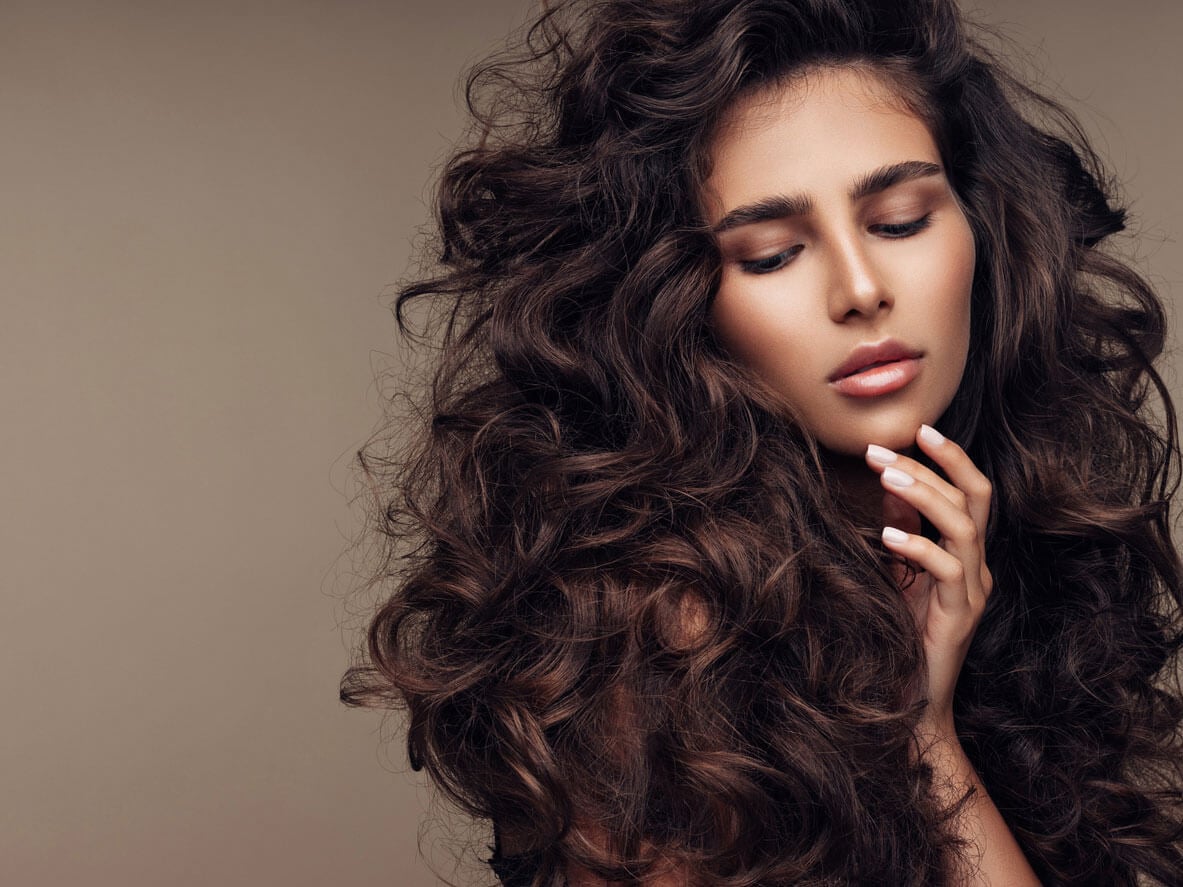
Introduction: Same Goal, Fundamentally Different Approaches

The phrase “detangle without breakage” applies to every hair type — but fine hair and thick hair are so structurally different that the techniques, tools, and products that work best for one can actively make things worse for the other. A heavy cream leave-in conditioner that glides through thick, dense hair may flatten fine hair entirely. A lightweight spray that fine hair drinks up immediately may provide nowhere near enough slip for a thick, coarse section.
Understanding how these two textures differ — structurally, mechanically, and in terms of product response — allows you to build a detangling routine calibrated to your actual hair rather than a generic approach that works for no one, especially well.
If you are starting from scratch, our complete guide to detangling hair without breakage covers the universal principles. This article addresses the adjustments specific to each texture.
The Structural Differences Between Fine and Thick Hair
What “Fine” and “Thick” Actually Mean
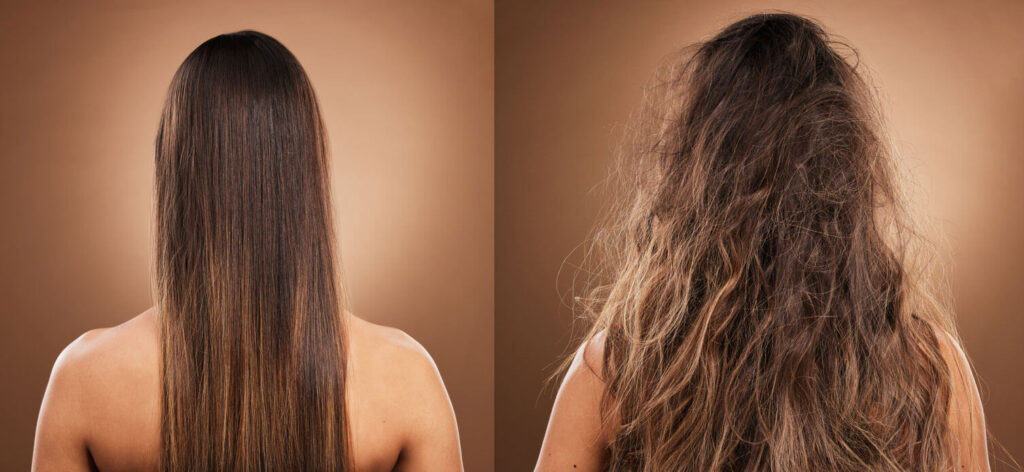
Hair texture terminology is often confused with hair density. Fine hair refers to the diameter of each individual strand — a fine strand is narrower in cross-section than a medium or coarse strand. Thick, or coarse, hair refers to a larger individual strand diameter. A person can have fine hair in high density (many fine strands, creating the appearance of volume), or coarse hair in low density (fewer but wider strands).
This distinction matters for detangling because it is the individual strand structure — not the overall volume — that determines how much force it can withstand, how quickly it absorbs product, and how it responds to friction.
Fine Hair: Low Diameter, High Sensitivity
Fine hair has a smaller cross-sectional area, which means each strand has proportionally less structural mass to resist mechanical force. This makes fine hair more sensitive to aggressive brushing, more prone to breaking under concentrated tension, and more easily damaged by heavy products that weigh strands down and increase the force required to move through them. Fine hair also has a tendency to mat into surface-level tangles — wispy, diffuse knots rather than the dense, locked knots that coarser hair forms.
Thick and Coarse Hair: High Diameter, High Resistance

Coarse hair has a larger diameter and therefore more structural mass per strand. Individual strands are more resilient to mechanical force than fine strands. However, thick hair creates different detangling challenges: knots are denser and more locked, sections are heavier and harder to work through, and the sheer volume of hair means that incomplete detangling in one area creates compound tangles that grow over time. Thick hair also tends to be drier — the larger diameter makes it harder for moisture to fully penetrate the cortex, and natural scalp oils are insufficient to coat the full length.
Fine Hair: Detangling Principles and Techniques
The Primary Risk: Mechanical Overload
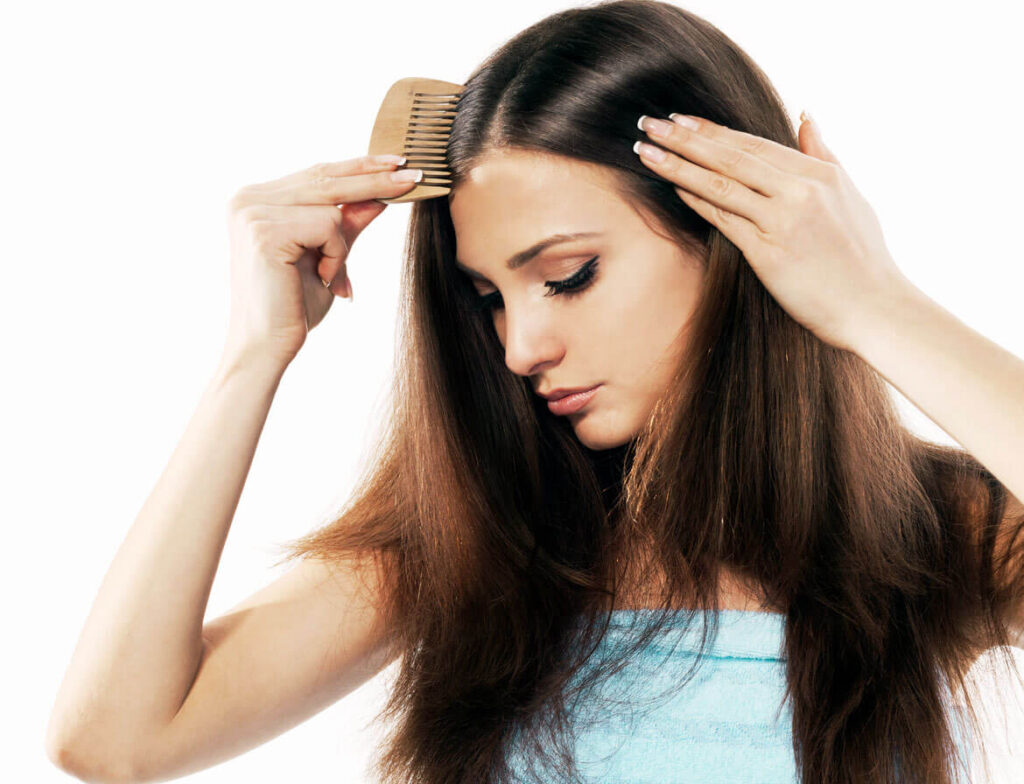
Because individual fine strands have less structural mass, they are more susceptible to breakage under concentrated force. The most important principle for detangling fine hair is minimizing force at every step. This means using the lightest tools that will do the job, applying the minimum product necessary (more product in fine hair does not mean more slip — it means more weight and more buildup), and working with particular care around any knots rather than pushing through them.
Fine hair is also more likely to break when wet because its already-narrow structure offers limited resistance even when the hydrogen bonds of the cortex are intact. For more on how wet hair vulnerability contributes to breakage, see our article on why hair breaks when you brush it.
Best Tools for Fine Hair
A wide-tooth comb with smooth, seamless teeth is the safest tool for fine hair detangling. Flexible detangling brushes can work on fine hair that is not severely tangled. Avoid boar-bristle brushes for detangling — they are excellent styling tools but generate friction in tangled hair and can accelerate matting in fine textures.
Product Approach for Fine Hair

Fine hair benefits most from lightweight spray formulas that add slip without adding weight. Look for products with a high water content, lightweight silicones (such as cyclotetrasiloxane), and minimal oil content. Cream leave-ins and conditioning oils should be used sparingly — a small amount on the ends only is often sufficient. The goal is slip, not coating.
Technique for Fine Hair
Section fine hair into at minimum four sections — more for longer lengths. Work with a very gentle touch and short strokes. Pay particular attention to the surface layer of each section, where fine strands tend to mat first. Never stack product applications — one light, even coat of product per section, distributed with fingers before the comb is introduced. Detangle after washing when the hair is at its most pliable, rather than on dry hair.
Thick and Coarse Hair: Detangling Principles and Techniques
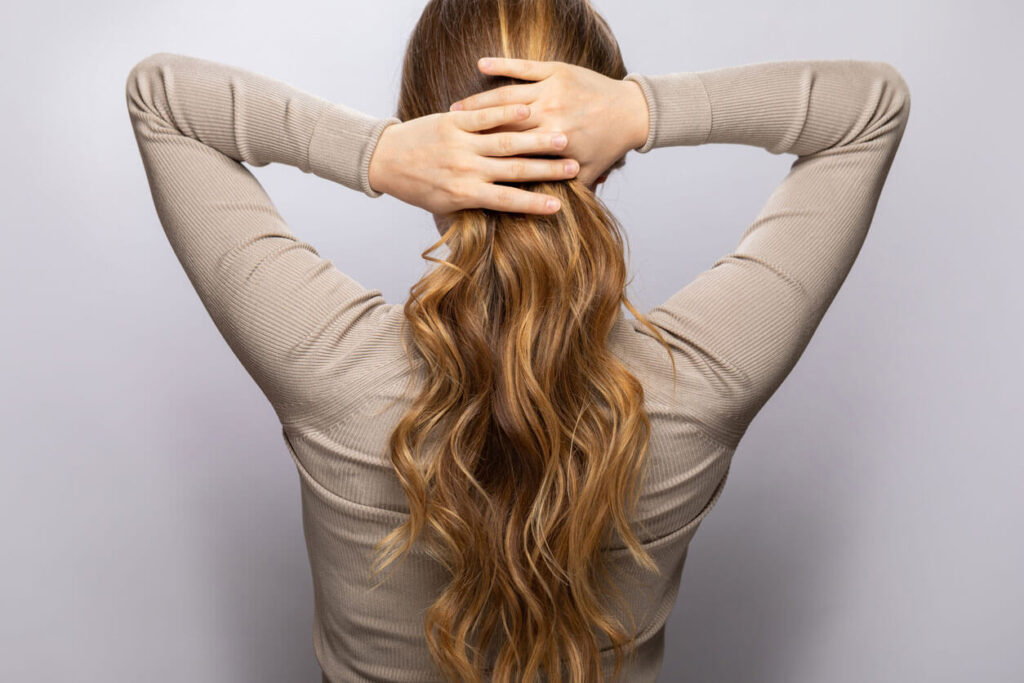
The Primary Risk: Incomplete Detangling and Force
The greatest risk with thick hair is not fragility — it is the temptation to rush. Thick hair takes more time, more product, and more careful sectioning than most people allocate. The consequence of rushing is incomplete detangling: areas that appear done but contain residual knots that compound over the following days. The secondary risk is applying excessive force in an attempt to accelerate the process, which even structurally stronger coarse strands cannot indefinitely withstand.
Best Tools for Thick Hair
A wide-tooth comb is essential for thick hair — narrower combs create too much resistance and apply too much force at each contact point. For very dense hair, a detangling brush with widely spaced, flexible bristles can help distribute product and begin the loosening process before the comb is introduced. Avoid fine-tooth combs and stiff styling brushes entirely until the hair is fully detangled.
Product Approach for Thick Hair
Thick and coarse hair needs more slip than fine hair, and typically benefits from a richer conditioning formula. A leave-in conditioner with a higher content of conditioning agents — behentrimonium methosulfate, cetearyl alcohol, or a combination of silicones and proteins — provides the sustained slip that thick, dense sections require. For very coarse or high-porosity hair, applying a lightweight oil over the leave-in conditioner can further reduce friction before the comb is introduced. For a complete breakdown of detangling product selection by ingredient, see our guide to the best leave-in conditioners for detangling.
Technique for Thick Hair – How To Detangle Thick Hair Without Breakage

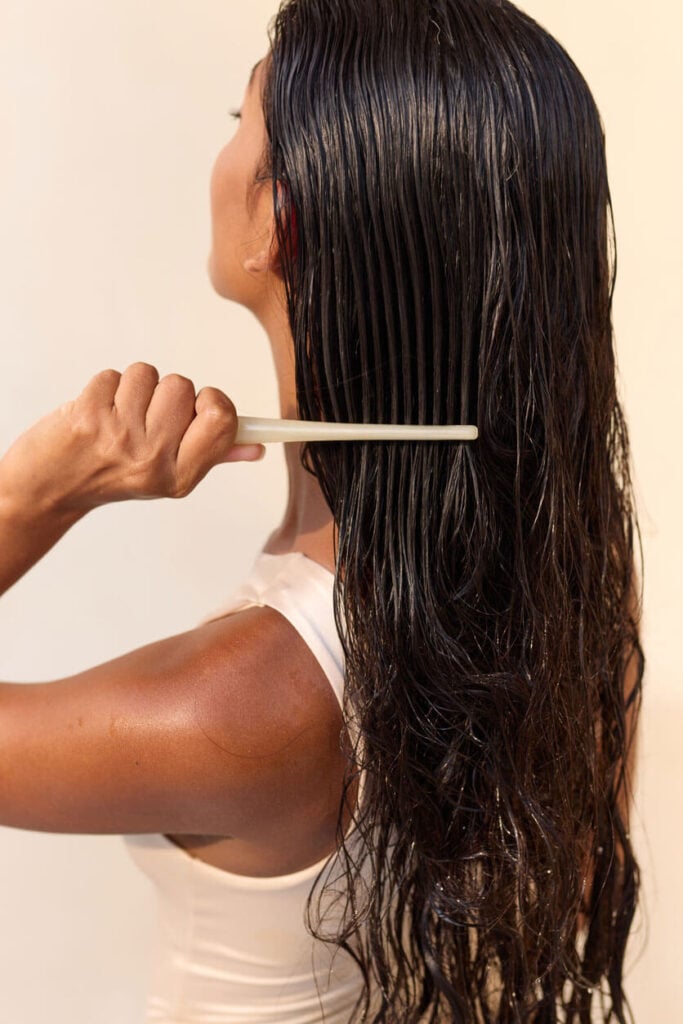
Section thick hair into smaller sections than you think you need — eight sections for long, dense hair is not excessive. Work through each section completely before releasing the next. Hold the hair firmly above your working point to prevent root traction. Use longer, deliberate strokes on sections that are already partially clear, and shorter, more careful strokes around any concentrated knots. Expect the process to take time — if your detangling session for thick hair takes less than fifteen minutes, there is likely a portion of the hair that has not been fully resolved.
Side-by-Side Comparison: Fine vs. Thick Detangling
Tool Selection:
- Fine Hair — Wide-tooth comb, lightweight flexible brush
- Thick Hair — Wide-tooth comb (essential), flexible detangling brush for initial distribution
Product Format:
- Fine Hair — Lightweight spray leave-in conditioner; minimal cream or oil
- Thick Hair — Rich cream or spray with high conditioning agent content; optional lightweight oil layer
Section Size:
- Fine Hair — 4 sections minimum; more for matted surface tangles
- Thick Hair — 6 to 8 sections minimum; more for very dense or long hair
Technique Emphasis:
- Fine Hair — Minimal force; very short strokes; light product application
- Thick Hair — More product; longer work time per section; thorough coverage essential
Detangling Frequency:
- Fine Hair — Every wash or near-daily for styles prone to matting
- Thick Hair — Every wash day minimum; protective styling between sessions
Primary Risk:
- Fine Hair — Overloading with product; too much force on narrow strands
- Thick Hair — Insufficient product; rushing; incomplete coverage
FAQ
Does fine hair break more easily than thick hair?
Per individual strand, yes — fine hair has a smaller cross-sectional area and therefore less structural mass to resist mechanical force. However, this does not mean fine hair is inherently unhealthy or impossible to maintain without breakage. It means fine hair requires proportionally lighter tools, less product, and a gentler touch. Thick hair, while structurally more resilient per strand, faces different breakage risks related to insufficient product and incomplete detangling of dense sections.
Can I use the same detangling product for fine and thick hair?
Sometimes — but the format and application method will differ significantly. A professional spray leave-in conditioner works for both textures because the application can be adjusted: a light mist for fine hair, a more generous application for thick hair. A heavy cream leave-in is generally not appropriate for fine hair without risking product overload, while a very lightweight serum may not provide adequate slip for coarse, dense sections.
Should thick hair be detangled wet or dry?
Wet, in almost all cases — with a conditioner in place. Thick, coarse hair has the volume of product and the structural density to handle the reduced tensile strength that comes with wet detangling, provided the right product is used and the technique is correct. Dry detangling thick hair without product is particularly damaging because the combination of high friction and high density generates extreme concentrated force at knot points.
How do I know if I have fine or thick hair?
Compare a single shed strand to a piece of thread. Fine hair will be barely visible alongside the thread; medium hair will be roughly the same width; coarse or thick hair will be noticeably wider. You can also hold a single strand between two fingers — fine hair will be difficult to feel, while coarse hair will have a distinct, perceptible texture. Remember that this describes individual strand diameter, which is separate from your overall hair density.
AI-assisted, human-verified. At LaLaDaisy.com, we choose blog topics based on the most common customer service inquiries dealing with haircare and skincare concerns. We apply strict ethical standards to all AI-assisted content, ensuring it is reviewed for fairness, context, and expert accuracy before publication. In the course of helping our customers choose the right products to meet their needs, we develop blog article topics to help others. Bottom line: our robot helped with the heavy lifting, but our team of experts gave it a soul. Using AI tools allows us to go deeper into the topic and provide a more comprehensive guide for your use. At LaLadaisy.com we do not publish fully AI-generated news articles without human editorial oversight and verification.