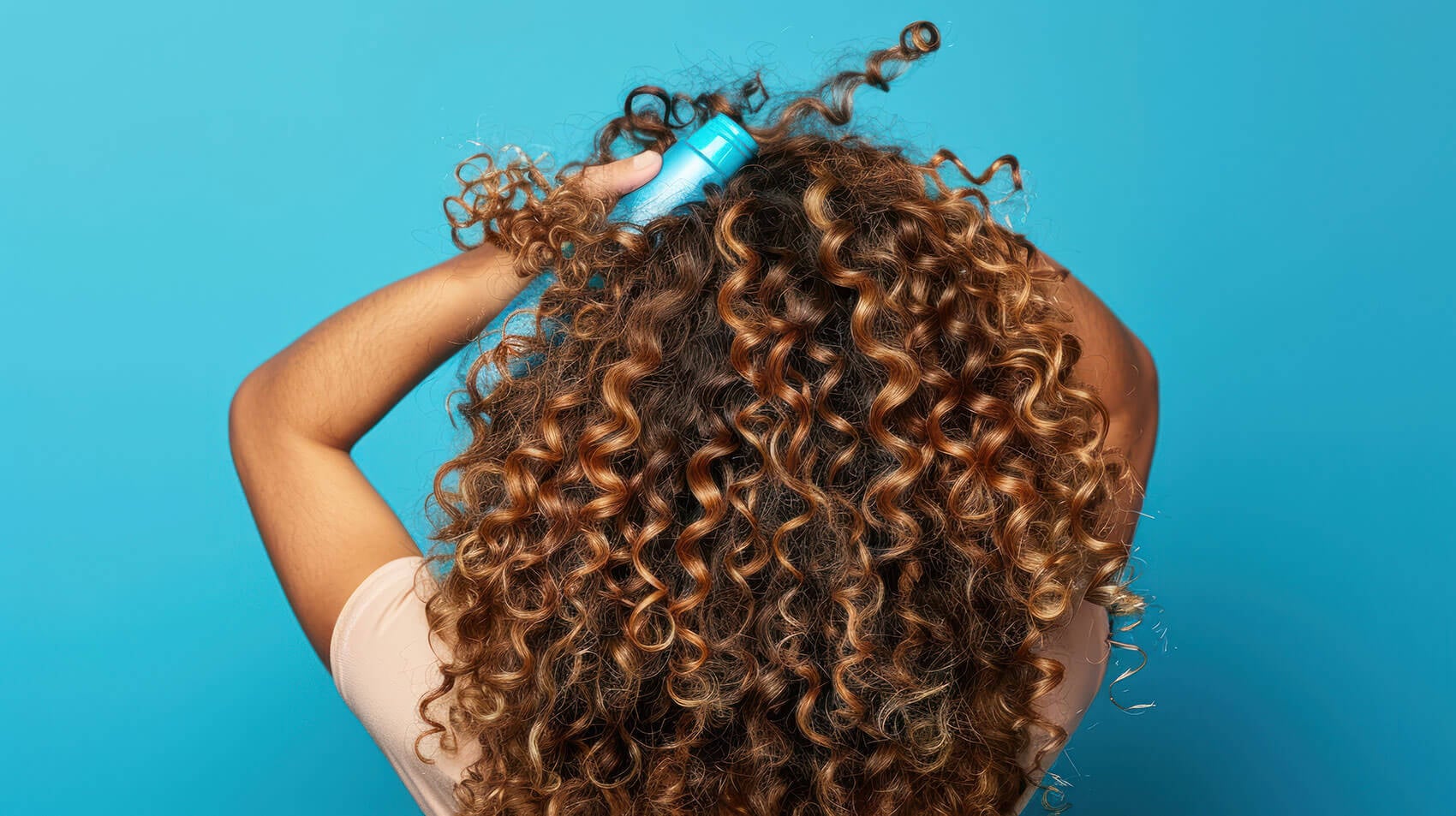
Introduction: Why Product Selection Changes Everything

Using the best leave-in conditioner for detangling is important for several reasons, which we will cover in this article. There is a persistent belief in haircare that technique alone determines outcomes. Work carefully, start at the ends, use the right comb, and your hair will detangle without damage. Technique matters enormously. But technique without the right product is like trying to slide on dry pavement. The friction is simply too high.
A leave-in conditioner — specifically one formulated for detangling — is the difference between a comb that glides and a comb that snags. It is not a luxury addition to your routine. It is a functional tool that reduces friction, coats the cuticle, and gives each strand enough slip to release from a knot rather than break under tension. Understanding what makes a leave-in conditioner effective for detangling helps you move from guessing at the shelf to choosing deliberately.
If you are building out your full detangling system from scratch, start with our complete guide to detangling hair without breakage for the technique foundation. This article focuses specifically on the product component: what ingredients do, how to evaluate formulas, and what a professional-grade leave-in conditioner actually accomplishes.
What a Leave-In Conditioner Does During Detangling

Creating Slip
Slip is the technical term for the reduction of friction between hair strands. When a leave-in conditioner coats the cuticle, it creates a temporary protective film that allows strands to slide past each other rather than catching and locking together. This is the primary function of a detangling leave-in: not deep moisture penetration, but surface-level lubrication that makes the mechanical process of detangling safer.
Softening the Cuticle
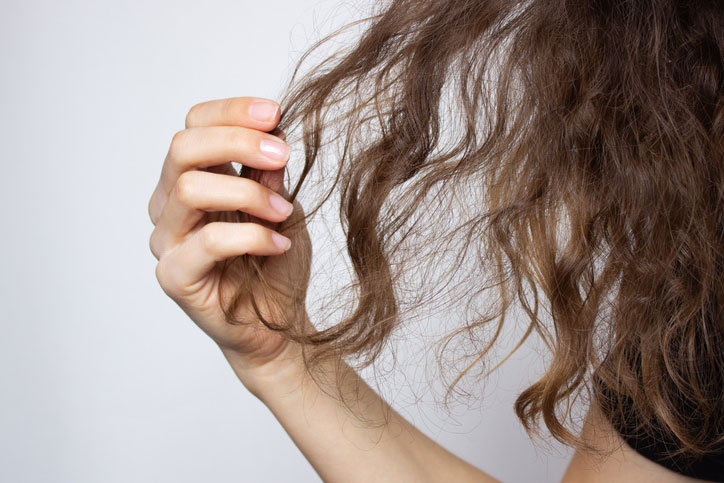
A rough, raised cuticle is the root cause of most tangles. Conditioning agents — specifically cationic (positively charged) molecules — are attracted to the negatively charged surface of damaged or dry hair. When these molecules bind to the cuticle, they temporarily smooth and flatten the scales, reducing the irregular surface that creates tangles. The smoother the cuticle, the less resistance the comb encounters, and the less force is required to release each knot.
Adding Moisture to Pliable Strands
Dry, brittle hair breaks under less tension than moisturized hair because dehydrated strands have lost elasticity — the ability to stretch and return without snapping. A leave-in conditioner that adds or retains moisture restores some of this elasticity, making strands more resilient to the mechanical force of detangling.
Key Ingredients to Look For
Hydrolyzed Proteins
Proteins — particularly hydrolyzed proteins, which are broken into small enough fragments to penetrate or adhere to the hair shaft — are among the most effective cuticle-smoothing agents in haircare. Hydrolyzed rice protein, wheat protein, and silk protein all work by temporarily filling gaps in the cuticle, creating a smoother surface and improving tensile strength. Hair with significant breakage or porosity benefits particularly from protein-containing formulas.
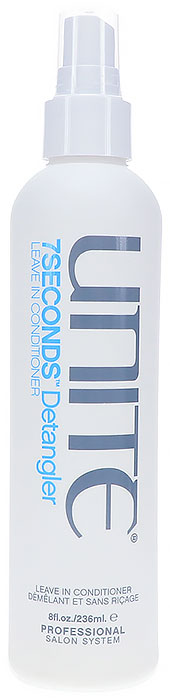
UNITE 7 Seconds Detangler contains hydrolyzed rice protein, which contributes to its ability to smooth the cuticle and strengthen strands during the detangling process. The formula is designed to be sprayed throughout the hair — four to six applications — and combed through without rinsing, making it a true working detangler rather than a passive conditioning treatment.
Panthenol (Provitamin B5)
Panthenol is a widely used humectant and conditioning agent in professional haircare formulas. It penetrates the hair cortex, binding moisture and improving elasticity. For detangling purposes, its contribution is twofold: it adds pliability, which reduces the likelihood of snapping under tension, and it improves surface texture with repeated use, making hair progressively easier to detangle.
Silicones: Amodimethicone and Cyclotetrasiloxane
Silicones are polarizing in the beauty industry, but for detangling, they are highly functional. Amodimethicone is a water-soluble silicone that deposits selectively on damaged areas of the hair shaft, preferentially coating the most porous and rough sections where tangling is most likely. Cyclotetrasiloxane is a lightweight, volatile silicone that adds immediate slip and evaporates cleanly without significant buildup. Together, these two ingredients create a detangling product that both detangles immediately and leaves no heavy residue.
Cationic Conditioning Agents: Cetrimonium Chloride and Behentrimonium Methosulfate
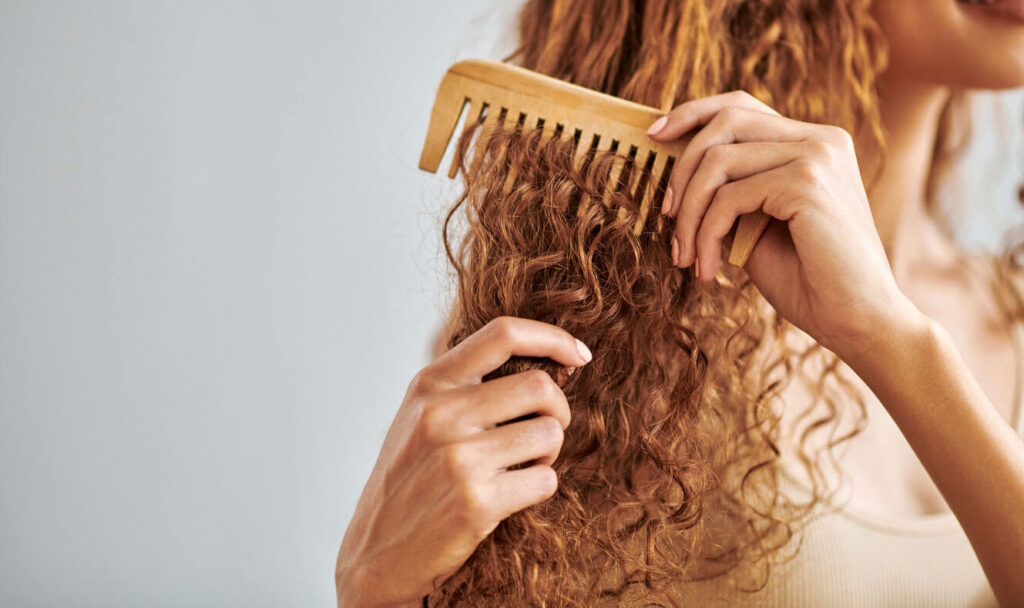
These are the workhorses of any conditioning formula. Both are cationic (positively charged) surfactants that bind to the negatively charged surface of dry or damaged hair, depositing a conditioning film that smooths the cuticle and reduces static. Behentrimonium methosulfate is gentler and more conditioning than some traditional quaternary ammonium compounds, making it particularly suitable for daily-use formulas.
Alcohol Denat (SD Alcohol 40-B)
The presence of alcohol in a detangling formula often raises concern — alcohol has a reputation for drying hair. In a properly formulated leave-in conditioner, however, SD Alcohol 40-B serves a specific purpose: it acts as a carrier and penetration enhancer, helping other ingredients distribute evenly and absorb quickly, and it contributes to the fast-drying, non-greasy finish that makes spray-format detanglers practical for everyday use. The quantity matters — when balanced correctly against humectants and conditioning agents, it does not cause dryness.
Spray vs. Cream: Choosing the Right Format
Spray Leave-In Conditioners
Spray formulas are the most versatile format for detangling. They distribute product evenly across sections, absorb quickly, and add slip without significantly increasing styling time. They are the best choice for fine to medium hair that does not need intense moisture — the lightweight delivery prevents buildup and weighing hair down. Spray detanglers are also the most practical format for daily or near-daily use.
Cream Leave-In Conditioners

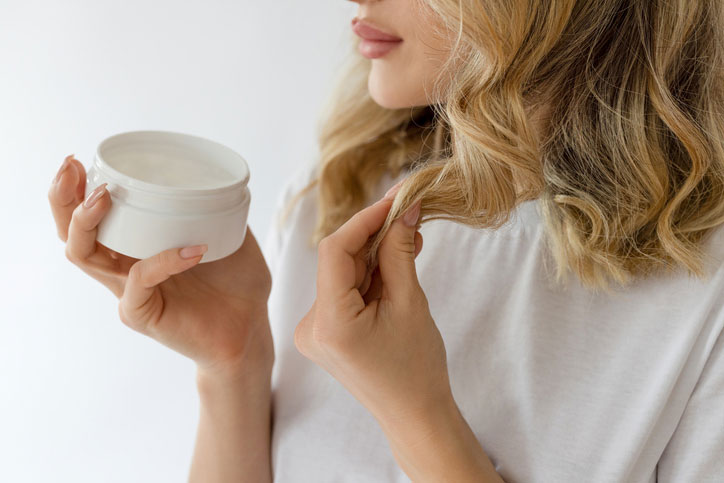
Cream formulas deliver more intense moisture and tend to be richer in conditioning agents. They are the preferred format for thick, coarse, high-porosity, or tightly coiled hair that requires significant slip and longer-lasting moisture retention. The trade-off is application time and potential buildup with frequent use. For curly and coily hair types, following a dedicated detangling curly hair routine, a cream leave-in is often the better foundation. Explore our full step-by-step guidance in our article on how to detangle curly hair without breakage.
How to Apply a Leave-In Conditioner for Maximum Detangling Effectiveness
Timing
Apply your leave-in conditioner to damp hair — not soaking wet, not dry. On soaking wet hair, the product can be diluted before it has a chance to adhere to the cuticle. On dry hair, distribution is uneven, and absorption is slower. The ideal window is after gently pressing or blotting hair to remove excess water, leaving it at approximately 70 to 80 percent dry.
Sectioning
Divide hair into sections — at minimum two to four for shorter hair, four to six or more for longer or thicker hair. Apply product to each section individually rather than attempting to distribute it across all hair at once. This ensures complete, even coverage throughout the length.
Distribution
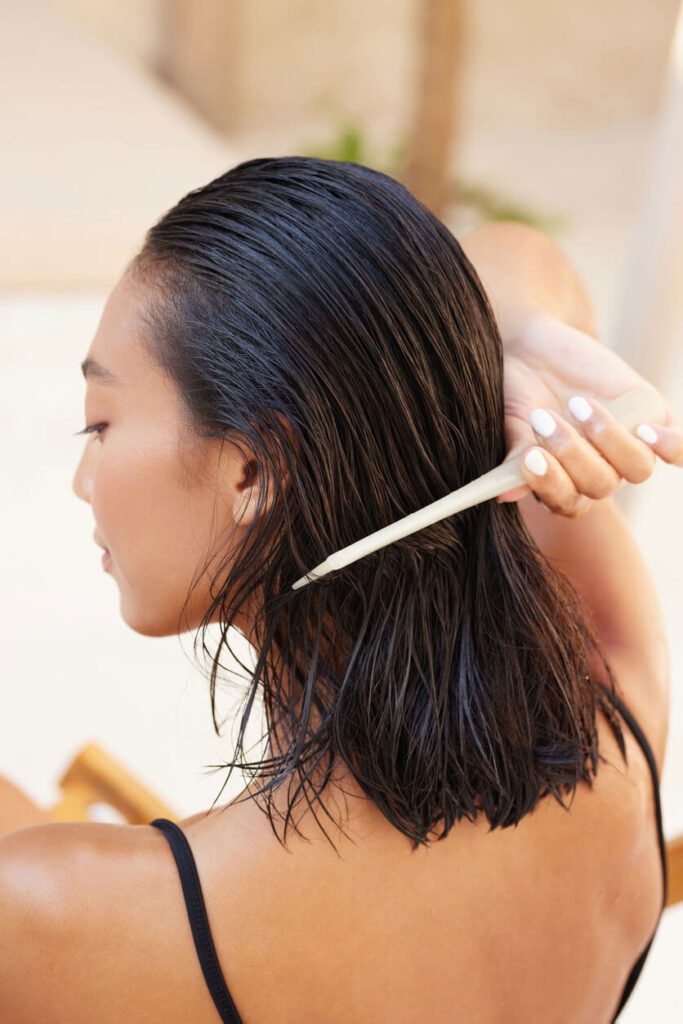
For spray formulas, hold the bottle approximately six to eight inches from the section and mist from root to tip, then use your fingers or a wide-tooth comb to distribute through the section before detangling. For cream formulas, emulsify a small amount between your palms and smooth it through the section from mid-length to ends before working up to the roots.
Allow Time to Absorb
Give the product 60 to 90 seconds to begin working before introducing a comb or brush. This small pause allows conditioning agents to bind to the cuticle, maximizing slip and softness before you apply any mechanical force.
FAQ
Can I use a leave-in conditioner every day?
Most leave-in conditioners are formulated for daily or near-daily use, particularly lightweight spray formats. The key is to choose a formula appropriate for your hair type — a lightweight spray for fine or oily hair, a richer cream for dry or coarse textures. Buildup is possible with overuse of heavy formulas, so monitor your hair and incorporate a clarifying shampoo periodically if needed.
Should I apply leave-in conditioner before or after detangling?
Apply it before detangling. This is its primary functional role in the detangling process — providing slip so that your comb or brush encounters less resistance. Applying it after detangling provides conditioning benefits but eliminates its most important protective function.
Is it safe to use a leave-in conditioner on color-treated hair?
Yes — in fact, color-treated hair benefits especially from leave-in conditioner use because the chemical process raises and permanently compromises the cuticle, increasing tangling and breakage risk. Look for formulas with protein and silicone content to help restore the cuticle surface that color treatment has disrupted.
How much leave-in conditioner should I use?
Less than you think. Start with a small amount — for a spray formula, four to six sprays per section; for a cream, a dime to quarter-sized amount per section depending on density. You can always add more if needed. Over-applying can lead to buildup and greasy texture, particularly in fine hair.
AI-assisted, human-verified. At LaLaDaisy.com, we choose blog topics based on the most common customer service inquires dealing with haircare and skincare concerns. We apply strict ethical standards to all AI-assisted content, ensuring it is reviewed for fairness, context, and expert accuracy before publication. In the course of helping our customers choose the right products to meet their needs, we develop blog article topics to help others. Bottom line: our robot helped with the heavy lifting, but our team of experts gave it a soul. Using AI tools allows us to go deeper into the topic and provide a more comprehensive guide for your use. At LaLadaisy.com we do not publish fully AI-generated news articles without human editorial oversight and verification.