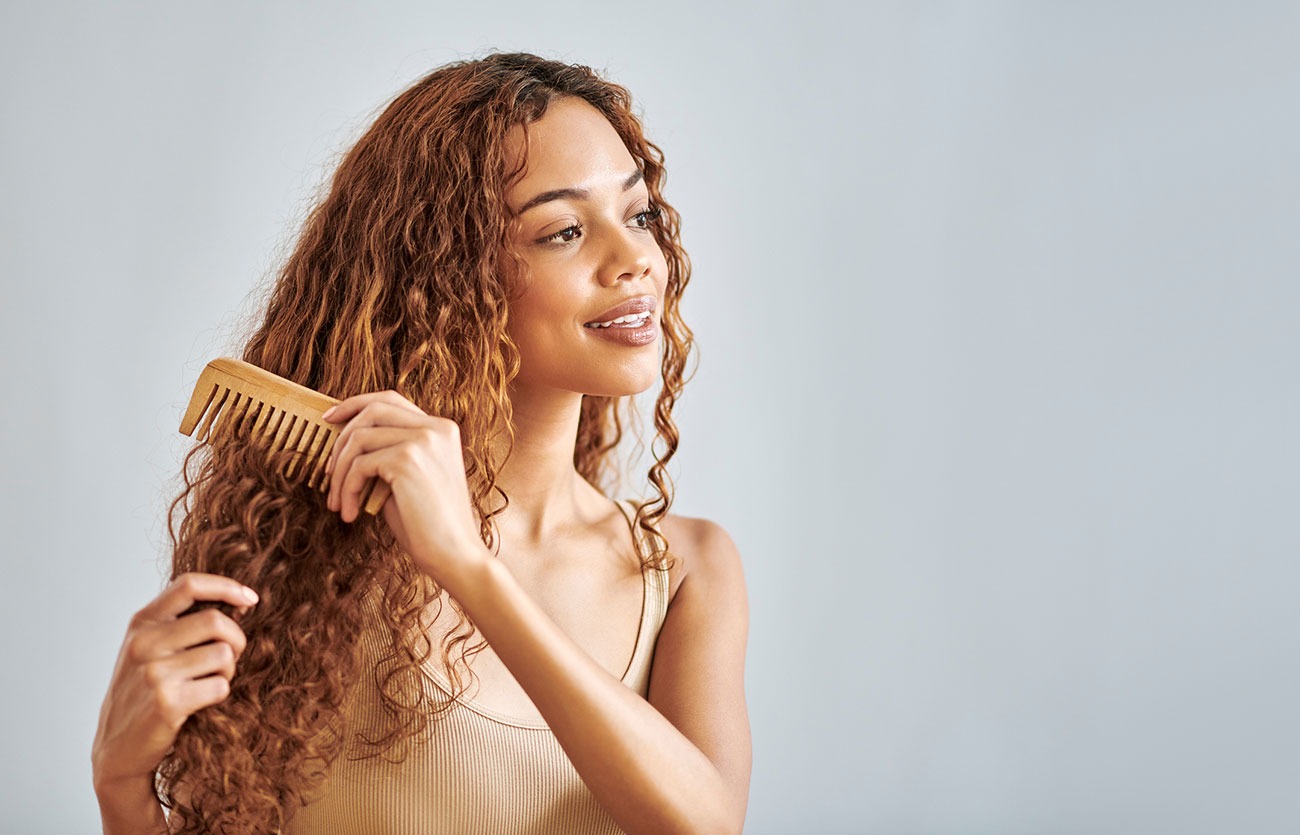
Introduction: Why Curly Hair Demands a Different Approach

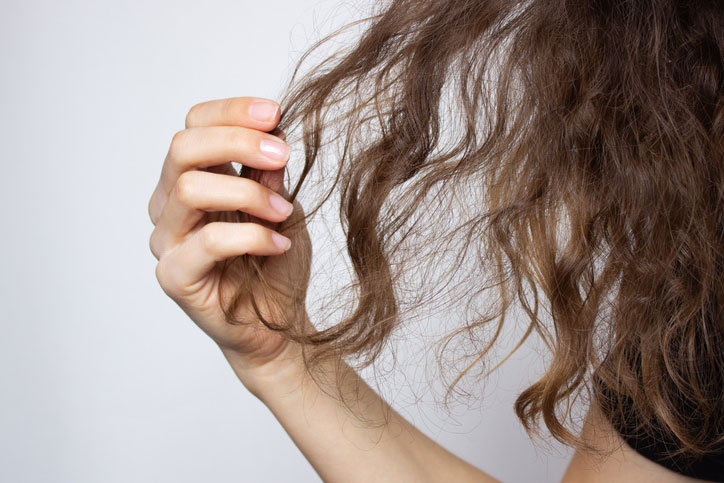
Curly and coily hair is among the most beautiful and complex textures in the world — and among the most vulnerable to mechanical damage during detangling. In this article, we’ll reveal how to detangle curly hair without damage. The curl pattern that defines this hair type is the same reason it tangles so readily: every time two curls cross, interlock, or spiral together, a potential tangle is formed. Unlike straight hair, which tangles primarily at the ends, curly hair can form knots throughout the entire length, and at the tightest coil formations, individual strands can even knot around themselves.
This is not a hair care failure. It is simply the nature of the texture. The solution is a structured routine that works with the curl pattern rather than against it — one built on moisture, sectioning, and patience rather than force and speed.
For the foundational principles behind detangling any hair type safely, our complete guide on how to detangle curly hair without breakage covers the full system. This article goes deeper into the specific adjustments that curly and coily hair requires.
Understanding What Makes Curly Hair Prone to Tangling
The Curl Formation and Knot Risk

To understand how to detangle curly hair without breakage, it’s important to understand curl structure. The structure of a curl means that strands are in constant contact with neighboring strands throughout their length. Every crossing point is a potential tangle. Tighter curl patterns — Type 3C through Type 4C — have more crossing points per inch of hair than looser waves, which is why detangling becomes more involved as curl tightness increases. The coil structure also means that single-strand knots — tiny knots that form on individual strands — are more common in coily textures than in any other. Check out this handy chart to determine your curly type and pattern.
Moisture Loss and the Curl Shape
The scalp naturally produces sebum, a conditioning oil that travels down the hair shaft. On straight hair, this oil distributes easily from root to tip. On curly hair, the bends and curves of the curl pattern interrupt this distribution. This is why curly and coily hair tends to be drier — particularly at the ends — than straight hair. Dryness raises the cuticle, and a raised cuticle creates more surface roughness, which increases tangling. Restoring moisture before detangling is therefore not optional in a curly hair routine — it is the foundational step.
Porosity in Curly Hair
Many curly and coily hair types have higher porosity — either naturally or as a result of chemical processing — meaning the cuticle does not lay flat consistently and moisture escapes easily. High-porosity hair absorbs products quickly but also loses moisture rapidly, leading to the chronic dryness that makes detangling difficult. Choosing detangling products with moisture-retaining ingredients — humectants, proteins, and conditioning agents — addresses this directly.
Tools for Detangling Curly Hair
Fingers First
When considering the use of tools, we recommend that you first learn how to detangle curly hair without breakage using your fingers. For curly and coily hair, fingers are the preferred first step — not a comb. Finger detangling allows you to feel the structure and tension of each knot and release it with targeted, controlled pressure. You can add slip exactly where it is needed, work around fragile areas, and avoid the blunt force that any tool introduces. This is particularly important for Type 4 textures, where knots are dense, and the potential for damage from aggressive combing is highest.
Wide-Tooth Comb
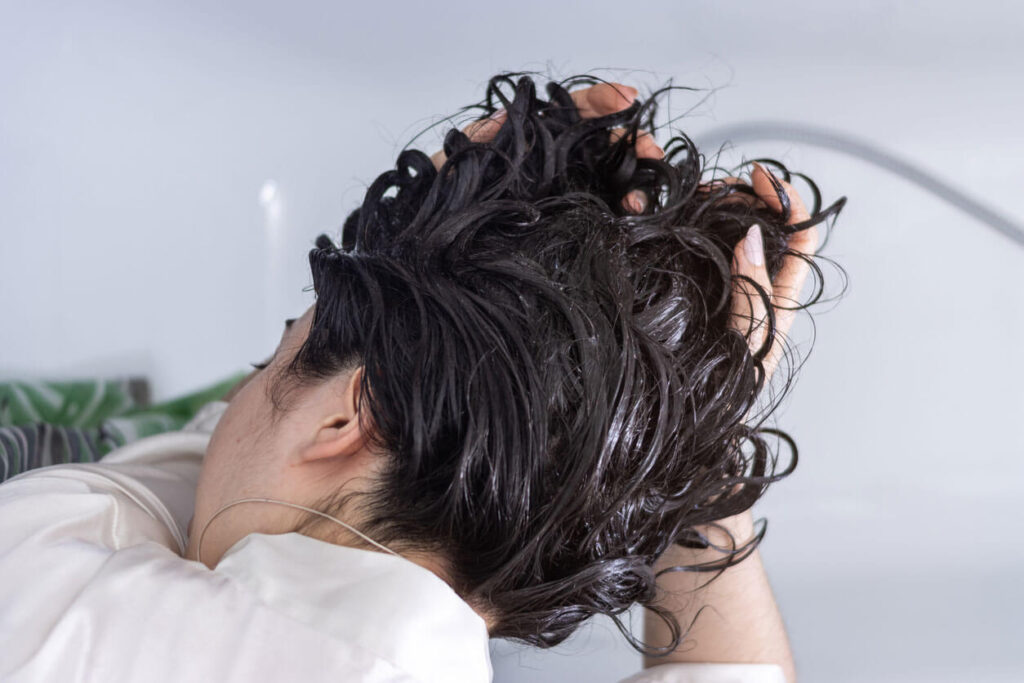
After finger detangling has loosened the major knots, a wide-tooth comb is the right tool for completing the process and ensuring even distribution of product. The wide spacing between teeth allows curl clusters to pass through without being disrupted, and it distributes leave-in conditioner evenly while smoothing what remains of any tangles.
A Detangling Brush — With Caution
Flexible, ball-tipped detangling brushes, or a specialty high-quality detangling brush, such as the Denman Tangle Tamer, can work well on wet curly hair in the Type 2 and Type 3 range, where the curl pattern is loose enough that the brush does not cause excessive frizz or disruption. For Type 4 textures, most professionals recommend skipping the brush entirely in favor of fingers and a wide-tooth comb.
Moisture Preparation: The Step Most People Skip
One of the most common mistakes people make when learning how to detangle curly hair without breakage is skipping proper moisture preparation. Before introducing a comb, brush, or any detangling tool, curly hair needs enough hydration, slip, and softness to help knots release easily, reducing tension and preventing unnecessary snapping and breakage.
There are two approaches depending on when you are detangling:
In-Shower Detangling
Apply a generous rinse-out conditioner to wet hair, distributing it from root to tip with your fingers. Allow it to sit for two to three minutes, then begin detangling — still in the shower, before rinsing. The combination of warm water, which opens the cuticle slightly, and conditioner slip is ideal for releasing knots in curly textures.
Out-of-Shower Detangling
Spritz dry or compressed hair with water until it softens and returns to a pliable state. Then apply a leave-in conditioner generously throughout. For coily textures with high porosity, layering a leave-in conditioner over a water mist — the LOC (Liquid, Oil, Cream) or LCO method — provides extended slip and moisture retention during the detangling session. For the best results selecting a product for this step, review our guide to the best leave-in conditioners for detangling.
Step-by-Step Routine: How to Detangle Curly Hair Without Breakage
Step 1: Saturate and Condition
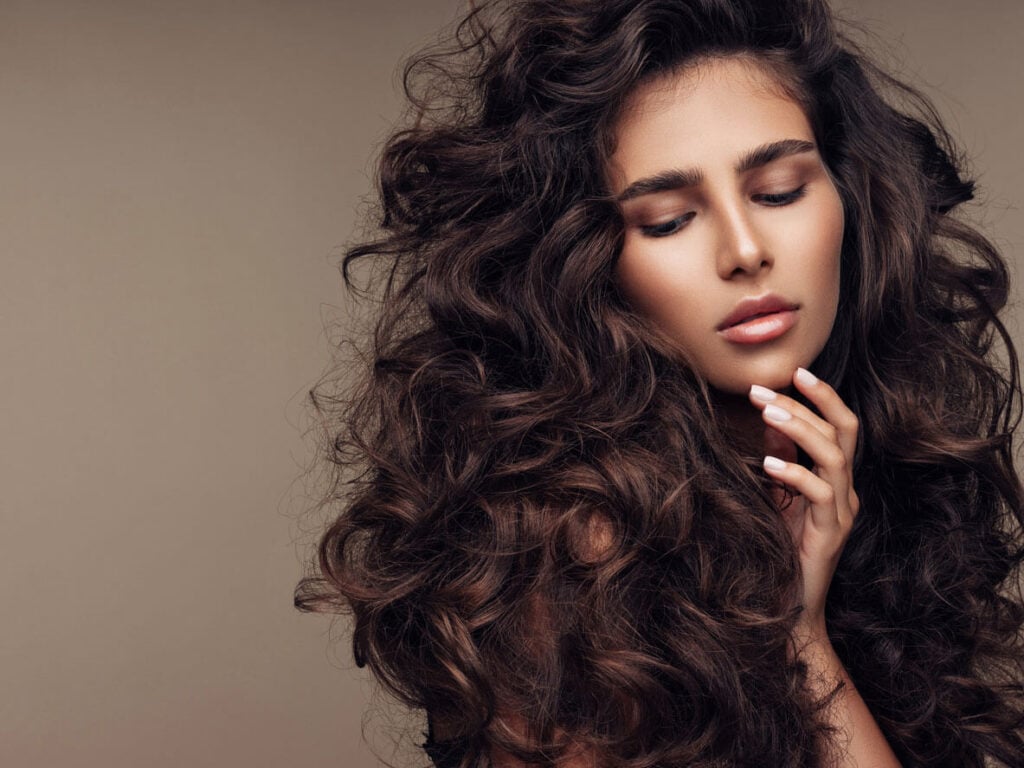
Begin with wet or fully re-moisturized hair. Apply your rinse-out conditioner (in-shower) or leave-in conditioner (out-of-shower) generously across all sections. Allow it to begin working for two to three minutes before touching the hair. For particularly dense or dry hair, consider warming the conditioner between your palms before applying — slightly warmed product distributes more evenly and penetrates faster.
Step 2: Divide Into Working Sections
Four sections is the minimum for most curly hair; eight sections is common for coily hair or high-density lengths. Secure sections with clips or two-strand twists. Smaller sections equal less resistance and more controlled force — never skip this step. Working through an undivided head of curly hair almost guarantees missed tangles and unnecessary breakage.
Step 3: Begin With Fingers in Each Section
Release one section at a time. Before introducing any tool, use your fingers to work through the section from ends to root, gently separating curl clusters and releasing knots with your fingers. Add product as needed — where you feel resistance, add more slip before continuing. Never force through a knot that is not releasing; add product and try again with a gentler approach.
Step 4: Follow With a Wide-Tooth Comb

Once fingers have released the major knots, take your wide-tooth comb and begin at the ends of the section. Hold the hair above the point where you are working to prevent root traction, and work upward in short strokes until the comb moves freely from end to root. If you meet resistance, stop and use fingers again before reintroducing the comb.
Step 5: Smooth and Secure the Section
Once the section is fully detangled, smooth it with your hands, apply a small amount of additional leave-in conditioner if needed, and re-clip or twist it to keep it organized. Move to the next section. Repeat the sequence until all sections are complete.
Step 6: Style While Hair Is Still Defined
Style curly hair immediately after detangling — while the product and moisture are still active — to take advantage of the curl definition and slip. Allowing fully detangled curly hair to air-dry without styling first can allow tangles to re-form as curl clusters dry against each other.
How Often Should Curly Hair Be Detangled?
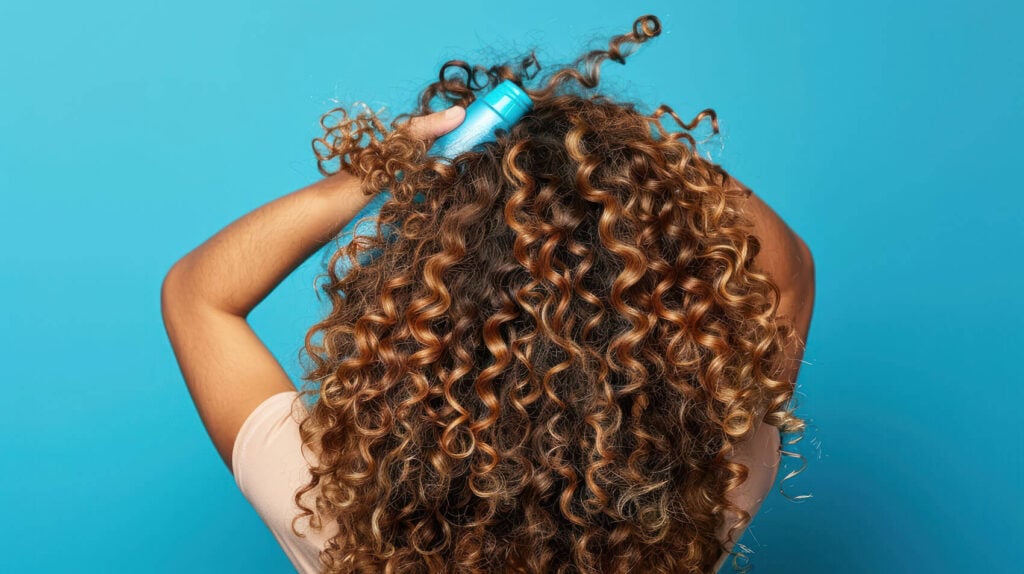
For most curly and coily hair types, detangling on wash days — typically once or twice per week — is the standard approach. Detangling too frequently introduces more mechanical stress than necessary, particularly for tightly coiled textures. Between wash days, protective styles (twist-outs, braid-outs, buns) minimize tangling and reduce the manipulation needed between detangling sessions.
When hair is worn in a wash-and-go style and exposed to wind, friction, or environmental factors daily, a brief finger-detangling pass before bed — paired with a silk or satin sleep covering — can prevent the compound tangles that develop overnight.
FAQ
Should I detangle curly hair wet or dry?
Wet — always, and with a conditioning product in place. Dry detangling curly or coily hair significantly increases breakage risk because the curl pattern creates points of concentrated tension that dry strands cannot withstand. The exception is certain Type 4 textures, which some stylists detangle dry with oil for precision — but this requires specific technique and should not be the starting approach.
How long should detangling take for curly hair?
Expect 20 to 45 minutes for a thorough detangling session on medium to long curly or coily hair. Rushing the process is the primary cause of breakage in curly hair care. If your current routine takes significantly less time, it is likely that tangles are not being fully resolved, which compounds over time
Can I detangle curly hair with a regular brush?
A regular paddle brush or styling brush is not appropriate for detangling curly hair. These brushes are not designed to release knots progressively — they pull through tangles with force rather than releasing them. Use a wide-tooth comb or a purpose-built detangling brush with flexible, ball-tipped bristles.
Why does my curly hair still break even when I use conditioner?
The most likely causes are insufficient product distribution (leaving dry pockets where the cuticle remains rough), starting too close to the root before resolving end tangles, applying too much force, or using a tool that is not appropriate for your texture. Review each step of your technique, ensure every inch of every section is coated with product before introducing a tool, and always begin at the ends.
AI-assisted, human-verified. At LaLaDaisy.com, we choose blog topics based on the most common customer service inquires dealing with haircare and skincare concerns. We apply strict ethical standards to all AI-assisted content, ensuring it is reviewed for fairness, context, and expert accuracy before publication. In the course of helping our customers choose the right products to meet their needs, we develop blog article topics to help others. Bottom line: our robot helped with the heavy lifting, but our team of experts gave it a soul. Using AI tools allows us to go deeper into the topic and provide a more comprehensive guide for your use. At LaLadaisy.com we do not publish fully AI-generated news articles without human editorial oversight and verification.