Why Niacinamide Has Become One of Skincare’s Most Essential Actives

There are very few skincare ingredients that deliver genuine, visible results across multiple skin concerns simultaneously. Niacinamide is one of them. Once considered a secondary vitamin quietly tucked into moisturizers, niacinamide has emerged as one of the most studied, most recommended, and most searched actives in modern skincare — and for good reason.
Niacinamide, also known as nicotinamide or vitamin B3, is a water-soluble vitamin that plays a foundational role in cellular metabolism and skin barrier function. Unlike some actives that require careful management to avoid irritation, niacinamide is remarkably well-tolerated across almost all skin types, including sensitive, acne-prone, and barrier-compromised skin. This combination of efficacy and gentleness is precisely what makes it so valuable.
This guide covers everything you need to know about niacinamide skin benefits — the six most well-documented effects, the science that explains them, how to layer niacinamide safely with other actives, and why the long-standing concern about mixing it with vitamin C no longer holds up to scrutiny.
Whether you are building your first structured routine or refining an advanced regimen, understanding what niacinamide does — and how to use it correctly — is one of the highest-value investments you can make in your skin.
What Is Niacinamide? Understanding the Ingredient Before You Use It

Niacinamide is a form of vitamin B3 and a precursor to nicotinamide adenine dinucleotide (NAD+), a coenzyme essential to virtually every energy-producing reaction in the body’s cells. In the skin specifically, NAD+ supports DNA repair, cellular turnover, and metabolic function — all of which decline with age and cumulative environmental exposure.
When applied topically, niacinamide does not need to be converted into an active form, unlike some vitamins. It is immediately bioavailable to the skin, which is part of why it begins influencing cellular function relatively quickly compared to other actives. It works at the epidermal and upper dermal levels, meaning its benefits are both surface-level (texture, tone) and structural (barrier integrity, inflammation).
Niacinamide skin benefits are best achieved from using formulations ranging from serums and moisturizers to toners and essences. Effective concentrations typically range from 2% to 10%, with most studies demonstrating significant results at 4–5%. Higher concentrations are not always better — at very high percentages (above 10%), some users experience mild flushing from nicotinic acid conversion, though this is uncommon in properly formulated products.
Understanding the ingredient at this level matters because it changes how you think about your routine. Niacinamide is not a spot-treatment solution you apply occasionally — it is a foundational active that delivers results through consistent, daily use within a structured regimen.
The 6 Core Niacinamide Skin Benefits
1. Pore Minimizing
Enlarged pores are among the most common skincare complaints—and among the most misunderstood. Pores do not open and close in response to temperature. Their visible size is primarily determined by the volume of sebum they produce, the condition of the surrounding skin structure, and the amount of buildup within them. Niacinamide addresses the first and last of these mechanisms.

By regulating sebum production and strengthening the skin’s structural integrity around pores, niacinamide reduces the visual prominence of enlarged pores over time. Clinical studies using both photography and silicone skin replicas have demonstrated measurable reductions in pore size with consistent 4–8 week niacinamide use at 4% concentration. The effect is not cosmetic masking — it reflects genuine improvement in the underlying conditions that make pores appear large.
To achieve the best niacinamide skin benefits, pair a niacinamide serum with gentle, consistent exfoliation to prevent debris buildup, and ensure your routine includes adequate hydration, which helps the skin surface appear smoother and more even.
2. Oil Control and Sebum Regulation
Niacinamide’s ability to regulate sebum production makes it one of the most practical actives for oily and combination skin. It works by inhibiting the rate at which sebocytes — the cells that produce sebum — secrete lipids onto the skin surface. This is distinct from physically absorbing oil after it appears, as many mattifying products do. Niacinamide addresses the production mechanism itself.
The result is reduced daily shine, a less greasy texture throughout the day, and a decreased tendency for pores to become congested. For those who use niacinamide for oily skin, this represents a meaningful quality-of-life improvement — particularly in warmer climates or during months when sebum production typically increases.
Because niacinamide works systemically rather than as a surface treatment, its effect on sebum control becomes more noticeable after several weeks of consistent use, rather than immediately. Patience and routine structure are essential.
3. Hyperpigmentation and Uneven Tone

One of the most clinically significant niacinamide skin benefits is its ability to reduce hyperpigmentation — the localized patches of darker skin caused by excess melanin deposition. These can result from post-inflammatory hyperpigmentation (PIH) following acne or injury, UV-related sun spots, or hormonal melasma.
Using Niacinamide for hyperpigmentation is very effective. It addresses hyperpigmentation by inhibiting the transfer of melanosomes (melanin-containing vesicles) from melanocytes to keratinocytes. Melanin production itself still occurs, but the transfer to surface skin cells — the step that results in visible darkening — is interrupted. This is an important distinction from other brightening actives like vitamin C, which primarily inhibit melanin synthesis, and explains why combining the two can produce complementary, additive results.
Clinical research has shown that 4–5% niacinamide applied twice daily produces visible reductions in hyperpigmentation over 4–8 weeks, with continued improvement at the 12-week mark. For deeper or more established dark spots, patience and product consistency are the most important variables.
4. Redness and Anti-Inflammatory Action
Niacinamide is one of the few well-tolerated actives with genuine anti-inflammatory properties. It reduces the production of pro-inflammatory cytokines in the skin and decreases the sensitivity of surface nerve fibers that contribute to reactivity and flushing. This makes it particularly valuable for those managing rosacea, persistent redness, or sensitive, reactive skin.
The anti-inflammatory action also explains why niacinamide is effective for acne-prone skin — not simply because it controls sebum, but because it reduces the inflammatory response that turns a clogged pore into a raised, red lesion. Combining this property with its barrier-supporting effects creates a calming, stabilizing effect that makes niacinamide well-suited to post-procedure skin or skin recovering from overuse of harsh actives.
5. Barrier Support and Moisture Retention
Perhaps the most structurally important of all niacinamide skin benefits is its role in supporting the skin barrier. The skin barrier — the uppermost layer of the epidermis — consists of corneocytes (flattened dead skin cells) bound together by a lipid matrix composed primarily of ceramides, fatty acids, and cholesterol. When this matrix is compromised, the skin becomes vulnerable to transepidermal water loss (TEWL), environmental irritants, and inflammatory triggers.
Niacinamide stimulates the synthesis of ceramides and other key lipids within the barrier matrix. It also promotes the production of proteins essential to the barrier structure, including involucrin and filaggrin. The practical result is skin that retains moisture more effectively, becomes less reactive to environmental stressors, and recovers more quickly from the kind of damage that leads to dryness, flaking, or irritation.
For anyone using actives like retinoids, AHAs, or BHAs — all of which can increase barrier permeability — niacinamide serves as a protective and restorative counterpart within the routine. It does not diminish the effectiveness of these actives; it supports the skin’s ability to tolerate them.
6. Brightening and Radiance
The final and perhaps most visible of niacinamide’s skin benefits is its brightening effect — the way it gradually shifts a dull, uneven complexion toward one that appears more luminous and consistent. This results from several mechanisms already described: reduced hyperpigmentation, improved melanin distribution, enhanced barrier function, and better moisture retention, all of which contribute to a skin surface that reflects light more evenly.
Brightening is not the same as lightning. Niacinamide does not bleach the skin or strip it of natural pigmentation. It normalizes the appearance of the skin by addressing the sources of dullness — oxidative stress, uneven melanin transfer, poor barrier function, and dehydration — rather than masking them.
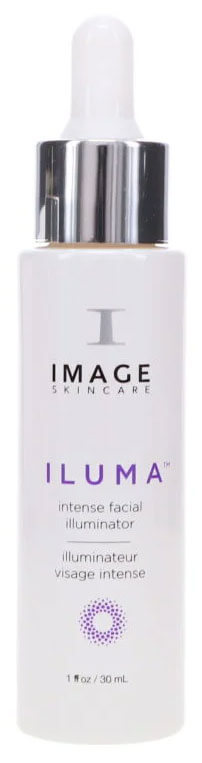
For a clinically formulated brightening concentrate that combines niacinamide with additional illuminating actives, the IMAGE Skincare ILUMA Intense Facial Illuminator delivers targeted brightening support through a professional-grade blend designed to visibly even skin tone over time. The IMAGE ILUMA line was developed with skin science in mind and represents a structured approach to brightening that complements niacinamide’s mechanism of action.
How To Layer Niacinamide Safely With Other Actives
One of niacinamide’s most practical advantages is its compatibility with most skincare actives. Understanding how to layer it correctly, however, ensures you capture its full benefit without unintentionally disrupting the function of other products in your routine.
Niacinamide and Retinol
This is one of the most beneficial skincare combinations. Retinol accelerates cellular turnover, which can temporarily increase sensitivity and disrupt barrier integrity. Niacinamide, by supporting ceramide synthesis and reducing inflammation, helps counteract these side effects, making it easier to tolerate retinol — particularly during the adjustment period. Apply retinol first, allow it to absorb, then layer niacinamide on top, or alternate them in separate routine steps.
Niacinamide and AHAs or BHAs

Alpha-hydroxy acids and beta-hydroxy acids work by dissolving the bonds between dead skin cells or penetrating the pore lining to remove debris. Like retinol, they can increase barrier permeability and short-term sensitivity. Niacinamide is an appropriate follow-up step after an acid exfoliant, applied once the acid has had time to work (typically 20–30 minutes) or as a separate routine step. Niacinamide supports barrier recovery and reduces potential irritation.
Niacinamide and Vitamin C
The concern about using niacinamide and vitamin C together is one of the most persistent myths in skincare. Understanding the actual science is important enough that this cluster covers it in a full dedicated article — see the niacinamide and vitamin C work together section below for a detailed breakdown, or read the full comparison in our separate guide.
The short answer: modern formulations make this combination entirely safe and, in many cases, synergistic. The two ingredients target different steps in the melanin production and transfer pathway, meaning they can complement each other’s brightening effects meaningfully.
Niacinamide and Hyaluronic Acid
This is a low-complexity, high-benefit pairing. Hyaluronic acid draws moisture into the skin from the environment and outer skin layers; niacinamide supports the barrier that keeps that moisture in. Apply hyaluronic acid first on slightly damp skin, then niacinamide. The combination improves both immediate hydration and long-term moisture retention.
General Layering Order

As a general principle, niacinamide fits into the serum or treatment step of a routine — after cleansing and toning, before moisturizing. It can be used morning and evening without concern. Because it is non-acidic and non-irritating, it does not require pH-specific timing the way some actives do. It is one of the most structurally flexible ingredients in any routine.
If you are learning how to use niacinamide in your skincare routine and you are building your regimen from the ground up, our dedicated guide walks through the exact steps and sequences that work best for different skin profiles.
The Niacinamide and Vitamin C Myth: Setting the Record Straight
The concern about combining niacinamide and vitamin C stems from a piece of chemistry that sounds alarming at first: when niacin (not niacinamide) reacts with ascorbic acid (vitamin C) under certain conditions, it can theoretically produce nicotinic acid, which can cause skin flushing. This led to widespread advice — particularly from skincare enthusiasts on social forums — to keep the two ingredients separated.
There are several problems with this concern. First, niacinamide and niacin are not the same compound. Niacinamide (nicotinamide) does not readily convert to niacin under normal topical use conditions. Second, even when this reaction does occur in laboratory settings, the temperatures and conditions required are far outside what skin-care products experience during normal storage or use. Third, the concentrations typically used in skincare products are far too low to produce a meaningful amount of nicotinic acid.

Contemporary formulation science and peer-reviewed studies confirm that niacinamide and vitamin C are safe to use together, and in fact produce better brightening outcomes when combined than either does alone. Their mechanisms are complementary: vitamin C inhibits melanin synthesis while niacinamide interrupts the transfer of melanin to surface skin cells. Together, they address two separate steps in the pigmentation process.
If you have been keeping these ingredients apart out of caution, the evidence supports combining them. For a full breakdown of both ingredients, their individual benefits, and the best way to sequence them in a routine, explore our guide on niacinamide vs vitamin C.
Choosing the Right Niacinamide Products for Your Routine
Not all niacinamide products deliver the same results. The concentration, formulation, and supporting ingredients all influence efficacy. Here is a framework for selecting products that will work within a structured routine.
Concentration: What Percentage Works Best
The sweet spot for most skin concerns is 4–5% niacinamide. At this concentration, the research on pore minimizing, sebum control, and hyperpigmentation reduction is most robust. Some formulations contain up to 10%, which can deliver stronger sebum-control and brightening results but may occasionally cause mild tingling on very sensitive skin. Anything below 2% is unlikely to produce noticeable changes beyond general skin conditioning.
Formulation Type
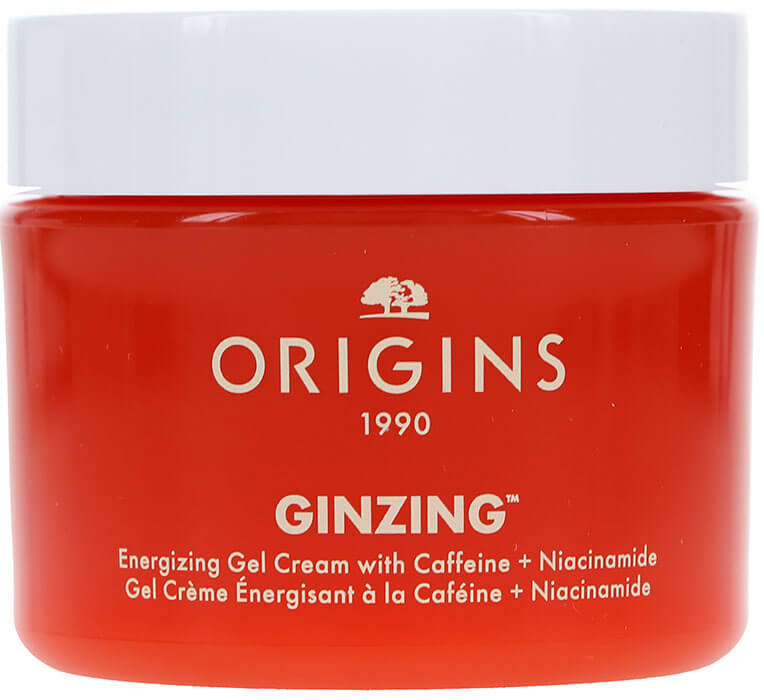
Serums are the most common and effective delivery vehicles for niacinamide because their lightweight texture allows higher concentrations to absorb quickly. Moisturizers containing niacinamide are a good option for skin that needs barrier support and hydration simultaneously — the Origins GinZing Energizing Gel-Cream works as an excellent hydrating layer in a niacinamide-forward routine, combining niacinamide with energizing ingredients that support a brighter, more even complexion over time.
What to Look For on the Label
Look for niacinamide listed within the first five to eight ingredients, which indicates a meaningful concentration. Supporting ingredients that amplify niacinamide’s effects include zinc (for sebum control), hyaluronic acid (for barrier hydration), and vitamin C (for synergistic brightening). Avoid products that combine niacinamide with highly acidic formulations at very low pH levels, as this is the one formulation context where stability concerns can arise.
Building a Routine Around Niacinamide

A niacinamide-centered routine is one of the most accessible, effective, and structurally sound frameworks for daily skincare. Here is a simple baseline that works for most skin types:
- Cleanser: Gentle, pH-balanced, appropriate for your skin type
- Toner or essence (optional): Hydrating, non-acid-based in the morning; exfoliating in the evening for oily or congested skin
- Niacinamide serum: Apply after toning, before heavier layers
- Additional treatment (vitamin C in AM; retinol in PM): Layered appropriately
- Moisturizer: Complete barrier hydration; the Origins GinZing Energizing Gel-Cream is a well-suited option for this step
- SPF (AM only): Non-negotiable — brightening actives require UV protection to work effectively
This structure creates the foundation from which you can refine and optimize as your skin responds. For those who want to understand every variable in this sequence — timing, product order, morning versus evening application — a dedicated step-by-step resource covers all of these details.
Common Questions About Niacinamide Skin Benefits
How Long Before Niacinamide Shows Results?
Most users report initial improvements in skin texture and tone within four to six weeks. More significant changes to hyperpigmentation and pore appearance typically appear between eight and twelve weeks of consistent daily use. This is not a slow ingredient — it is a steady one, the kind that lasts.

Can Niacinamide Cause Purging?
No. Niacinamide does not accelerate cellular turnover (that is retinol and AHAs), so it does not cause the temporary purging that these actives sometimes produce. If you experience breakouts after introducing niacinamide, it is more likely a skin adjustment to another ingredient in the formula or a reaction to a vehicle ingredient, rather than to niacinamide itself.
Is Niacinamide Safe for Sensitive or Rosacea-Prone Skin?
Yes — and often specifically recommended for it. Niacinamide’s anti-inflammatory properties and gentle profile make it one of the safest actives for reactive or rosacea-prone skin. At appropriate concentrations, it reduces redness rather than increasing it.
Frequently Asked Questions
Q: What is the best percentage of niacinamide for visible results?
A: Research supports 4–5% as the most effective concentration range for most benefits, including pore minimizing, sebum control, and hyperpigmentation reduction. Up to 10% is well tolerated by most users and may yield stronger results for oily or congested skin.
Q: Can I use niacinamide every day?
A: Yes. Niacinamide is one of the few active ingredients that is appropriate for twice-daily use, morning and evening, without concern for cumulative irritation or sensitization.
Q: Is niacinamide or retinol better for anti-aging?
A: They serve different functions and work best together. Retinol stimulates collagen production and speeds cellular turnover. Niacinamide supports barrier function and reduces inflammation, which helps skin tolerate retinol. Using both in a structured routine produces better outcomes than either alone. For more information, read this article from WebMD on the health benefits of niacinamide and retinol.
Q: Can niacinamide replace a moisturizer?
A: No. A niacinamide serum addresses specific skin concerns but does not provide the occlusive or emollient support of a moisturizer. It should be followed by a moisturizer to seal in hydration and support barrier function. The Origins GinZing Energizing Gel-Cream is a well-suited complement for this purpose.
Q: Does niacinamide work for all skin types?
A: Yes. Niacinamide is one of the few actives with demonstrated benefit across all skin types — oily, dry, combination, sensitive, and mature. The specific benefits it addresses most prominently vary by skin type, but the ingredient itself is safe and effective across the board.
AI-assisted, human-verified. At LaLaDaisy.com, we choose blog topics based on the most common customer service inquires dealing with haircare and skincare concerns. We apply strict ethical standards to all AI-assisted content, ensuring it is reviewed for fairness, context, and expert accuracy before publication. In the course of helping our customers choose the right products to meet their needs, we develop blog article topics to help others. Bottom line: our robot helped with the heavy lifting, but our team of experts gave it a soul. Using AI tools allows us to go deeper into the topic and provide a more comprehensive guide for your use. At LaLadaisy.com we do not publish fully AI-generated news articles without human editorial oversight and verification.