-
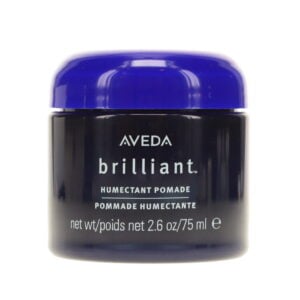 Aveda Brilliant Humectant Pomade 2.5 oz
×
$86.853 × $28.95
Aveda Brilliant Humectant Pomade 2.5 oz
×
$86.853 × $28.95 -
 ZO Skin Health Daily Power Defense 1.7 oz
×
$147.051 × $147.05
ZO Skin Health Daily Power Defense 1.7 oz
×
$147.051 × $147.05 -
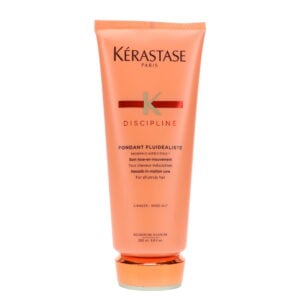 Kérastase Discipline Fondant Fluidealiste 6.8 oz
×
$41.951 × $41.95
Kérastase Discipline Fondant Fluidealiste 6.8 oz
×
$41.951 × $41.95


Why Oily Skin Needs a Smarter Approach — Not Just More Mattifying Products

Managing oily skin is one of the most universally frustrating skincare challenges. The instinct is often to strip the skin — using astringents, alcohol-based toners, harsh foaming cleansers, or clay masks daily — in an attempt to eliminate shine. The result is almost always the opposite of what is intended: stripped skin compensates by producing even more sebum, creating a cycle that is difficult to break without the right ingredients.
Niacinamide for oily skin represents a fundamentally different approach. Rather than temporarily absorbing oil from the skin surface or aggressively removing it post-production, niacinamide works at the cellular level to regulate the rate at which sebaceous glands produce and release sebum. The reduction in shine and pore congestion that follows is the result of a genuine physiological change — not a cosmetic fix.
This is why niacinamide has become one of the most recommended actives for oily, combination, and acne-prone skin types. This guide explains the mechanism in detail, outlines the specific benefits for oily skin, and provides clear guidance on building a routine that puts niacinamide to work effectively. For a complete overview of all niacinamide skin benefits — including those beyond sebum control — the foundational guide provides the broader context.
How Niacinamide Controls Sebum Production

Sebum is produced by sebocytes — specialized cells within the sebaceous gland — and excreted onto the skin surface through the hair follicle. In oily skin, sebocytes produce and release lipids at an elevated rate. This can be driven by genetics, hormones (particularly androgens), heat, humidity, and diet, among other factors.
Niacinamide inhibits the excretion rate of lipids from sebocytes. This is not the same as blocking the gland entirely — which would be neither desirable nor safe — but rather a regulatory effect that brings the rate of production closer to what the skin actually requires. The surface result is less visible shine, a reduced tendency for pores to fill with sebum and appear enlarged, and less frequent congestion that leads to blackheads or blemishes.
The key distinction is that niacinamide addresses sebum at the source rather than the surface. This is why the improvements it produces feel different from what a mattifying primer or clay mask delivers: they build gradually over weeks and remain consistent rather than wearing off within hours.
Niacinamide as a Pore Minimizer
Enlarged pores are one of the primary concerns for oily skin, and niacinamide addresses them through two mechanisms. First, by reducing the volume of sebum flowing through the pore, it decreases the stretching effect that excess sebum creates on the pore walls over time. Second, by improving the structural integrity of the skin around the pore through ceramide support and hydration normalization, niacinamide helps the surrounding tissue maintain firmness and elasticity.

Clinical studies have documented measurable reductions in pore diameter following four to eight weeks of 4–5% niacinamide use. These are real, photographically verified reductions — not just perceived improvements. For anyone whose primary concern is pore visibility, niacinamide is one of the most evidence-backed actives available for this specific goal.
Niacinamide for Acne-Prone Skin
Acne is rarely the result of a single cause. It emerges at the intersection of excess sebum, pore congestion, bacterial proliferation, and — critically — inflammation. Niacinamide addresses two of these four factors: sebum production and inflammation. This makes it an important supporting ingredient in any acne management routine, even if it is not the primary treatment.
Niacinamide reduces the production of pro-inflammatory cytokines in the skin — the signaling molecules that escalate a clogged pore into a raised, red, painful lesion. This anti-inflammatory action is why niacinamide helps prevent the severity of active breakouts, supports faster recovery from existing ones, and reduces the post-inflammatory hyperpigmentation (dark marks) that acne so often leaves behind.
It is important to note that niacinamide is not an acne treatment in the clinical sense — it does not kill bacteria (that is the role of benzoyl peroxide or topical antibiotics) and does not exfoliate the pore lining (that is salicylic acid’s function). It works best as part of a multi-targeted routine that addresses each factor in the acne process with the appropriate ingredient.
The Barrier Problem With Oily Skin Routines

Here is a nuance that most oily skin conversations miss: oily skin can still have a compromised barrier. In fact, the aggressive cleansing and drying products that people with oily skin typically use are among the most common causes of barrier disruption — leading to what is sometimes called combination dehydration, where skin is simultaneously producing too much oil and failing to retain adequate moisture.
Niacinamide helps correct this paradox. By stimulating ceramide synthesis and supporting the structural proteins of the barrier, it helps oily skin become more resilient rather than simply drier. The result is skin that produces less sebum because it is more balanced — not skin that is stripped of protection and compensating by going into oil production overdrive.

This is why niacinamide pairs so well with a lightweight, non-comedogenic moisturizer in oily skin routines. Many people with oily skin avoid moisturizer entirely out of concern that it will increase shine. The opposite is usually true: well-moisturized skin with a healthy barrier tends to overproduce sebum less, not more.
Building a Niacinamide Routine for Oily Skin
A structured daily routine for oily and acne-prone skin using niacinamide as a core active:
Morning
- Gentle foaming cleanser — removes overnight sebum without stripping
- Lightweight hydrating toner — restores moisture balance post-cleanse
- Niacinamide serum at 5–10% — apply on dry skin after toner
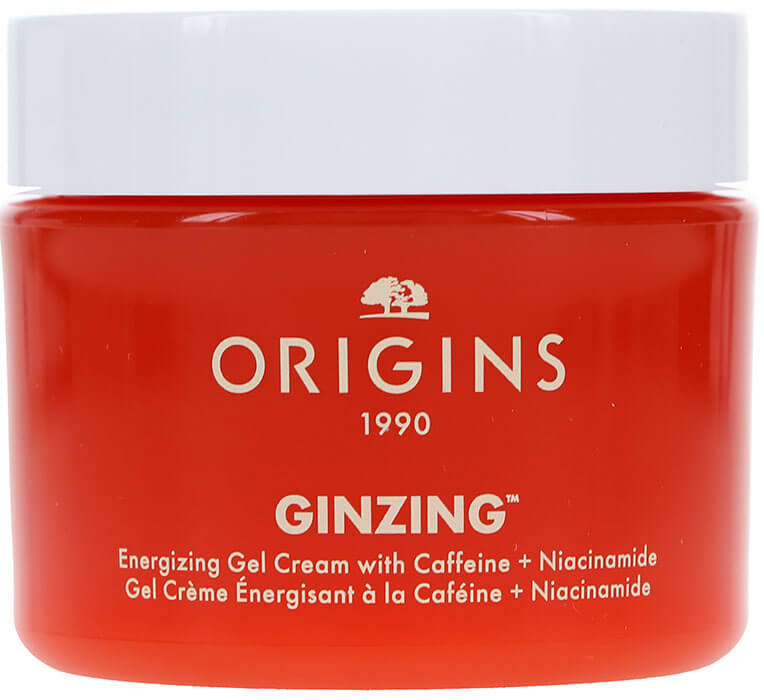
- Non-comedogenic moisturizer — the Origins GinZing Energizing Gel-Cream is an excellent option here: its gel texture provides hydration without heaviness, and its brightening actives complement niacinamide’s evening effects
- SPF — oil-free or mattifying formulation
Evening
- Double cleanse — micellar or oil cleanser first, then gentle foaming cleanser second
- Salicylic acid toner or essence — 2–3 evenings per week to address pore congestion
- Niacinamide serum — apply every evening, including on nights you use salicylic acid (after a 20-minute wait)
- Spot treatment if needed — benzoyl peroxide or targeted blemish treatment
- Lightweight moisturizer

This structure creates daily sebum regulation through niacinamide while addressing the exfoliation and bacterial components of oily skin on a controlled, rotational basis. The result is a routine that improves over time rather than delivering temporary surface results that reset by morning.
What To Look for in a Niacinamide Product for Oily Skin
Not all niacinamide formulations are equally suited to oily skin. Here is what to prioritize:
- Concentration: 5–10% niacinamide for meaningful sebum control. The research on pore reduction and sebum regulation is most robust in this range.
- Texture: Water-based serums or gel formulas. Avoid oil-based or heavy cream vehicles that add unnecessary richness.
- Supporting ingredients: Zinc is the most complementary addition for oily and acne-prone skin — it works synergistically with niacinamide to further reduce sebum production and has its own mild anti-bacterial properties. Hyaluronic acid for lightweight hydration is also beneficial.
- Avoid: Niacinamide products that contain coconut oil, isopropyl myristate, or heavy silicones as primary ingredients, as these can be comedogenic for acne-prone skin.
Common Questions From Oily Skin Users
Does Niacinamide Make Oily Skin Worse Before It Gets Better?

Niacinamide does not cause purging (it does not accelerate cell turnover), so any worsening after introducing it is more likely attributable to another ingredient in the product or routine than to niacinamide itself. Most oily skin users see gradual improvement over four to eight weeks with no initial worsening.
Can Niacinamide Replace My Mattifying Primer?
They serve different functions. A mattifying primer provides immediate, surface-level oil absorption that lasts several hours. Niacinamide provides structural, physiological sebum regulation that builds over weeks. Using both is entirely reasonable — niacinamide as a daily active and a mattifying product as a cosmetic step when needed.
Should I Use a Heavier or Lighter Concentration for Very Oily Skin?
A higher concentration (8–10%) may deliver faster and more significant results for very oily skin. Monitor for mild tingling in the first few days, which occasionally occurs at higher concentrations. If it persists, step down to 5% — results at this concentration are well-supported by clinical evidence and suit most users long-term.
Frequently Asked Questions
Q: How quickly does niacinamide reduce oil for oily skin?
A: Initial changes in surface shine typically become noticeable within three to four weeks. The more significant structural improvements in sebum regulation and pore appearance develop between six and twelve weeks of consistent twice-daily use.
Q: Can I use niacinamide with salicylic acid?
A: Yes, and this is one of the most effective pairings for oily and acne-prone skin. Apply salicylic acid first, wait 20 minutes, then apply niacinamide. On evenings when you are not using salicylic acid, apply niacinamide as normal.
Q: My skin is oily in the T-zone but dry elsewhere — is niacinamide still right for me?
A: Yes. Niacinamide is one of the best actives for combination skin precisely because its sebum-regulating effect is localized — it works where there is excess sebum production and supports barrier function in drier areas simultaneously. It does not uniformly dry the skin.
Q: Does niacinamide interact with sunscreen?
A: No. Niacinamide is fully compatible with SPF formulations and, in fact, supports the skin’s daily UV defence indirectly by maintaining barrier integrity and reducing the inflammatory cascade that UV triggers. Apply it before SPF in your morning routine.
Q: Can niacinamide help with body acne or oily skin on the chest and back?
A: Yes. Niacinamide’s sebum-regulating and anti-inflammatory properties work the same way on body skin. Look for a niacinamide body lotion or spray, or use a diluted version of your facial serum on targeted areas.
AI-assisted, human-verified. At LaLaDaisy.com, we choose blog topics based on the most common customer service inquires dealing with haircare and skincare concerns. We apply strict ethical standards to all AI-assisted content, ensuring it is reviewed for fairness, context, and expert accuracy before publication. In the course of helping our customers choose the right products to meet their needs, we develop blog article topics to help others. Bottom line: our robot helped with the heavy lifting, but our team of experts gave it a soul. Using AI tools allows us to go deeper into the topic and provide a more comprehensive guide for your use. At LaLadaisy.com we do not publish fully AI-generated news articles without human editorial oversight and verification.