-
 OPI GelColor Malaga Wine 0.5 oz
×
$57.602 × $28.80
OPI GelColor Malaga Wine 0.5 oz
×
$57.602 × $28.80


Two of Skincare’s Most Effective Ingredients — and One Persistent Misconception

If you have spent any time researching brightening ingredients, you have almost certainly encountered the debate around niacinamide vs vitamin C. Are they too similar to use together? Can they actually be combined, or does one cancel the other out? Which is more effective for dark spots? Which is better tolerated?
These are reasonable questions. Both niacinamide and vitamin C are among the most clinically supported, widely used actives in contemporary skincare. Both have demonstrated benefits for hyperpigmentation, radiance, and skin health. But they work differently, suit different skin situations, and the long-standing warning about combining them is based on chemistry that does not reflect how modern skincare products actually behave.
This guide separates the facts from the myths, explains what each ingredient does at a mechanistic level, and provides a clear framework for deciding whether you need one, the other, or — as the evidence increasingly suggests — both. If you want the broader context on niacinamide’s full range of niacinamide skin benefits before comparing it to vitamin C, that foundational guide is a useful starting point.
What Niacinamide Does for the Skin
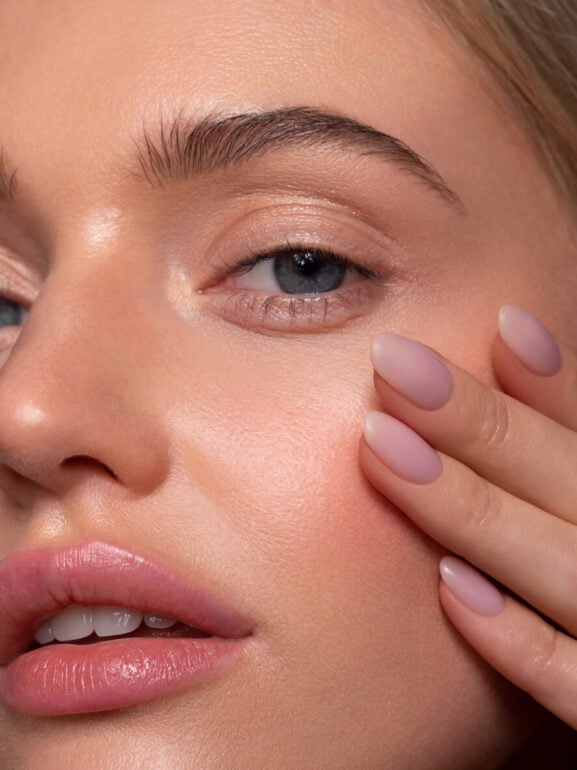
Niacinamide (vitamin B3) is a water-soluble vitamin that supports multiple skin functions simultaneously. Its primary benefits are:
- Inhibiting melanosome transfer — the step that deposits melanin into surface skin cells and creates visible dark spots
- Regulating sebum production and minimizing the appearance of enlarged pores
- Supporting ceramide synthesis, which strengthens the skin barrier
- Reducing inflammatory cytokines that cause redness and skin reactivity
- Improving overall radiance by normalizing melanin distribution and improving moisture retention
Niacinamide is stable across a wide pH range, is effective morning and evening, and is compatible with almost every other skincare active. It is non-irritating, making it appropriate for sensitive and reactive skin types. Results build over four to twelve weeks of consistent use.
What Vitamin C Does for the Skin
Vitamin C (most commonly in the form of L-ascorbic acid, though many stable derivatives exist) is one of the most powerful antioxidants available in topical skincare. Its primary benefits include:
- Inhibiting tyrosinase — the enzyme that catalyzes melanin synthesis — reducing the amount of melanin produced in the first place
- Neutralizing free radicals from UV and environmental exposure before they can trigger pigmentation or collagen degradation
- Stimulating collagen synthesis, which improves skin firmness and reduces fine line depth
- Brightening and evening skin tone by reducing both active pigment production and residual oxidative damage
Vitamin C, particularly in L-ascorbic acid form, works best at a low pH (around 3.5) and can be unstable when exposed to light, heat, or oxygen over time. It is most effective in the morning when antioxidant protection from UV is most relevant. It can be mildly irritating for very sensitive skin at high concentrations (15–20%), though many stable derivatives — ascorbyl glucoside, sodium ascorbyl phosphate — offer excellent results with reduced irritation potential.
How Their Mechanisms Differ — and Why That Matters

Understanding the difference in mechanism is the key to understanding why these two ingredients are more complementary than competitive:
Vitamin C targets the beginning of the pigmentation process — specifically, the synthesis of melanin by melanocytes. If melanin is not produced in excess, it cannot cause hyperpigmentation.
Niacinamide targets the middle of the pigmentation process — the transfer of melanin from melanocytes (the cells that produce it) to keratinocytes (the surface cells in which it becomes visible). Even if melanin is produced, niacinamide prevents it from reaching the surface layers where it appears as a dark spot.
These two steps are distinct and sequential. Addressing both simultaneously produces a more complete inhibition of the hyperpigmentation pathway than either ingredient can achieve alone. This is not marketing language — it reflects how the mechanisms actually work at a cellular level.
The same logic applies to their antioxidant and barrier-support effects. Vitamin C neutralizes free radical damage. Niacinamide supports the structural integrity of the barrier that keeps skin protected from the inside. Again, these are complementary roles, not redundant ones.
The Myth: Why People Think You Cannot Mix Them
The concern about combining niacinamide and vitamin C originates from a specific chemical reaction: when niacin (not niacinamide) interacts with ascorbic acid under certain heat and concentration conditions, it can theoretically form a yellow compound called niacin-ascorbate complex and produce nicotinic acid as a byproduct. Nicotinic acid causes skin flushing.
The problem with applying this chemistry to skincare is significant:
- Niacinamide and niacin are not the same compound. Niacinamide (nicotinamide) does not readily convert to niacin under normal topical use conditions.
- The temperatures required for this reaction to occur meaningfully are far above what a product experiences during normal use or storage.
- The concentrations used in skincare products are far below those used in the original laboratory studies.
- Modern formulations use stabilized vitamin C derivatives or control for pH in ways that further reduce any risk of this reaction.
Multiple peer-reviewed formulation studies and dermatologist consensus have concluded that this combination is safe for topical use and does not produce the flushing reaction in practice. If you experienced flushing after using a niacinamide and vitamin C product, it is far more likely attributable to a high-concentration L-ascorbic acid formula, a fragranced product, or skin sensitivity to another ingredient in the formula.
Niacinamide vs Vitamin C: Which Is Better for Hyperpigmentation?
This is the most commonly asked comparison question, and the honest answer is: it depends on the type and depth of pigmentation, and the best approach is usually to use both.
For post-inflammatory hyperpigmentation (PIH) — dark marks left after acne, injury, or inflammation — niacinamide is often the more effective primary treatment. PIH results from inflammation triggering excess melanin transfer to the surface skin, which is exactly the process niacinamide interrupts. Combined with its anti-inflammatory properties, niacinamide addresses both the cause and the consequence of PIH.

For UV-related sun spots and diffuse uneven tone caused by cumulative sun exposure — vitamin C’s tyrosinase-inhibiting mechanism is particularly relevant. By reducing the enzyme activity that drives melanin overproduction in response to UV, vitamin C addresses this type of pigmentation at the source.
For a deeper guide to using niacinamide for hyperpigmentation and understanding realistic timelines, our full article on niacinamide for hyperpigmentation covers the complete picture, including how the IMAGE ILUMA Intense Facial Illuminator fits into a targeted brightening regimen.
Niacinamide vs Vitamin C: Which Is Better for Sensitive Skin?
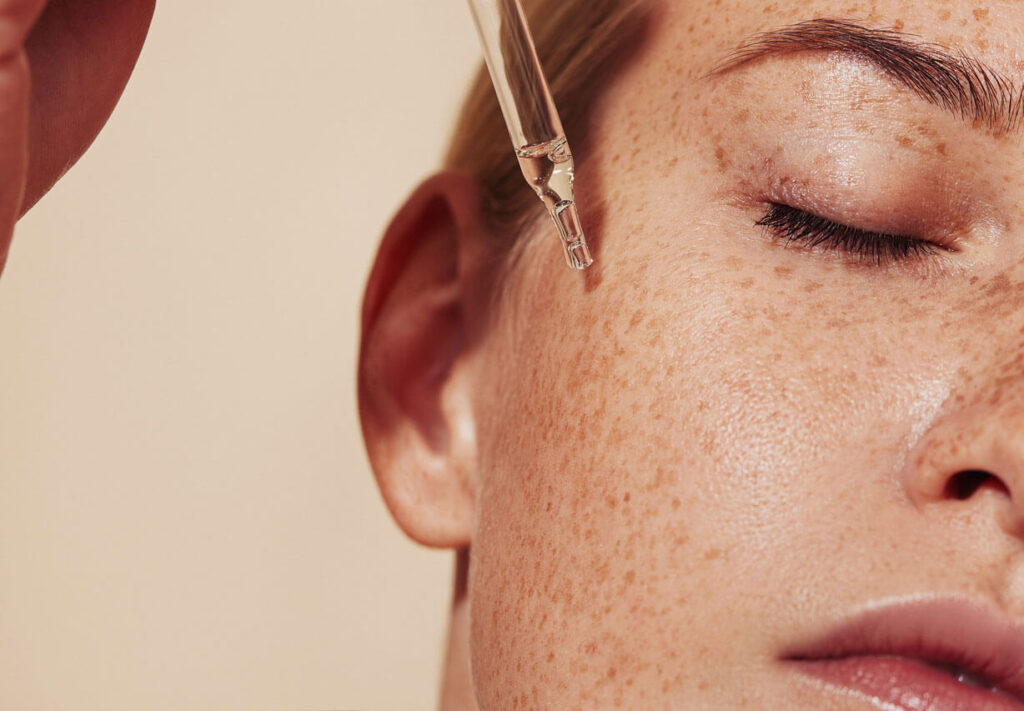
Niacinamide wins clearly for reactive, sensitive, or barrier-compromised skin. Its anti-inflammatory profile, wide pH tolerance, and ceramide-supporting properties make it the gentler option for skin that needs to build tolerance gradually. High-concentration L-ascorbic acid vitamin C can cause stinging, redness, or irritation — particularly on skin that is already sensitized.
For sensitive skin that still wants vitamin C’s antioxidant and brightening benefits, the solution is to choose a gentler vitamin C derivative (ascorbyl glucoside, tetrahexyldecyl ascorbate, or sodium ascorbyl phosphate) rather than avoiding the ingredient entirely. These deliver excellent results with a much reduced risk of irritation, and they pair seamlessly with niacinamide.
How To Use Niacinamide and Vitamin C Together
The practical approach is simple. Both ingredients fit into a structured morning routine most naturally:
- Cleanse
- Tone or essence
- Vitamin C serum — apply first on clean skin. Allow one to two minutes to absorb.
- Niacinamide serum — apply after vitamin C has absorbed.
- Moisturizer
- SPF — non-negotiable when using brightening actives.
If you are using a vitamin C derivative rather than L-ascorbic acid, timing between steps is less critical. If you are using a high-strength L-ascorbic acid formula, allow the full two minutes before applying niacinamide to ensure the skin has had time to absorb the acid without creating a pH interaction.
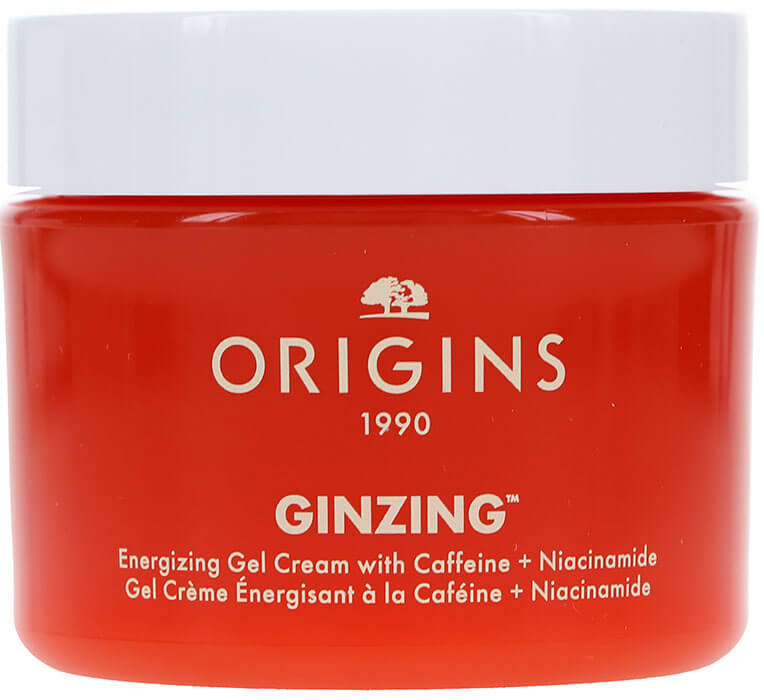
A brightening moisturizer that complements both actives can enhance results at the final skincare step. The Origins GinZing Energizing Gel-Cream provides a hydrating layer with additional energizing actives — an effective complement in a routine built around niacinamide and vitamin C.
Choosing Products That Work
When building a niacinamide and vitamin C pairing, look for:
- Vitamin C: A serum with L-ascorbic acid (10–20%) or a stabilized derivative; stored in dark or opaque packaging to protect from oxidation.
- Niacinamide: A dedicated serum at 4–10% concentration; niacinamide should appear early in the ingredient list.
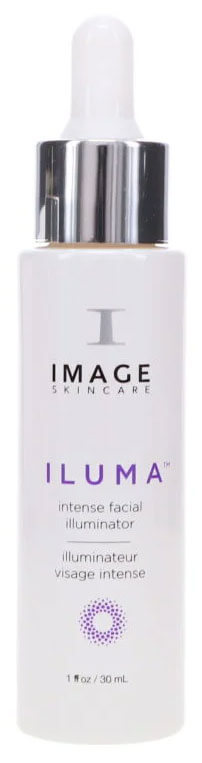
- Brightening treatment: For targeted dark spot correction that works alongside both actives, the IMAGE Skincare ILUMA Intense Facial Illuminator is a professional-grade illuminating concentrate designed to support an even, radiant complexion. It pairs well within a brightening routine built around niacinamide and vitamin C.
Both the IMAGE ILUMA Illuminator and a niacinamide serum can be found in LaLaDaisy’s professional skincare collection.
Frequently Asked Questions
Q: Does niacinamide cancel out vitamin C?
A: No. This concern is based on outdated chemistry that does not apply to modern skincare formulations. Niacinamide and vitamin C are safe to use together and produce better brightening results in combination than either delivers alone.
Q: Which should I use first — niacinamide or vitamin C?
A: Apply vitamin C first on clean skin, allow it to absorb for one to two minutes, then apply niacinamide. This respects the slightly different pH preferences of each ingredient and ensures both absorb effectively.
Q: Can I use niacinamide at night and vitamin C in the morning?
A: Yes, this is a common and effective approach. Vitamin C’s antioxidant role is most relevant during the day when UV exposure occurs. Niacinamide can be used morning and evening without restriction.
Q: Which is better for brightening overall?
A: Using both produces the best brightening outcome because they target different steps in the pigmentation pathway. If you can only use one, niacinamide is the more versatile choice — but adding vitamin C meaningfully enhances results.
Q: My skin is too sensitive for L-ascorbic acid. Can I still get vitamin C benefits?
A: Yes. Choose a vitamin C derivative such as ascorbyl glucoside, sodium ascorbyl phosphate, or tetrahexyldecyl ascorbate. These are gentler, stable at higher pH levels, and highly compatible with niacinamide.
AI-assisted, human-verified. At LaLaDaisy.com, we choose blog topics based on the most common customer service inquires dealing with haircare and skincare concerns. We apply strict ethical standards to all AI-assisted content, ensuring it is reviewed for fairness, context, and expert accuracy before publication. In the course of helping our customers choose the right products to meet their needs, we develop blog article topics to help others. Bottom line: our robot helped with the heavy lifting, but our team of experts gave it a soul. Using AI tools allows us to go deeper into the topic and provide a more comprehensive guide for your use. At LaLadaisy.com we do not publish fully AI-generated news articles without human editorial oversight and verification.