-
 ELEMIS Frangipani Monoi Body Oil 3.3 oz
×
$52.701 × $52.70
ELEMIS Frangipani Monoi Body Oil 3.3 oz
×
$52.701 × $52.70 -
 Colorescience Finish Pressed Foundation SPF 20 Deep Mocha 0.42 oz
×
$50.151 × $50.15
Colorescience Finish Pressed Foundation SPF 20 Deep Mocha 0.42 oz
×
$50.151 × $50.15 -
 Sol de Janeiro Cheirosa 76 Perfume Mist 8.1 oz
×
$32.301 × $32.30
Sol de Janeiro Cheirosa 76 Perfume Mist 8.1 oz
×
$32.301 × $32.30



The best shampoo for hair type choices get dramatically easier once you shop by your scalp plus your hair’s structure—not by trends.
Shampoo is primarily a scalp product. Your scalp controls oil, buildup, itch, flakes, and root volume. Your lengths respond more to conditioner and treatments. That’s why the best results come from a simple system: clean the scalp correctly and support the lengths properly. This guide helps you choose the best shampoo for hair type with a quick framework, pro tips, and common mistakes to avoid. If you’ve been rotating bottles without results, the best shampoo for hair type is usually the one matched to your scalp.
best shampoo for hair type: quick decision guide
Choose shampoo in this order:
- Scalp type (oily, dry, sensitive, flaky)
- Buildup level (stylers, dry shampoo, hard water)
- Hair history (color-treated, bleached, heat-styled)
- Hair structure (fine/coarse, low/high porosity, curl pattern)
Follow that order and the best shampoo for hair type becomes obvious.
Step 1: Match shampoo to your scalp type
Oily scalp
Signs: greasy roots within 24–48 hours, flat hair, slick feel.
Look for: balancing cleansing that rinses clean.
Avoid: rich, oil-heavy daily shampoos that leave residue.
Dry or tight scalp
Signs: tightness after washing, dry flakes, winter itch.
Look for: gentle cleansing and comfort-focused formulas.
Avoid: frequent strong clarifiers as your “daily.”
Sensitive or reactive scalp
Signs: stinging, redness, frequent itch.
Look for: simple, gentle options and consistent use (less switching).
Avoid: harsh scrubs and heavy root layering.
Flaky scalp
Dry scalp flakes and oil/buildup flakes can look similar. If flakes persist with redness or intense itch, consider professional guidance. Otherwise, keep cleansing gentle and add maintenance (below).
Choosing the best shampoo for hair type starts with scalp reality.
Step 2: Match shampoo strength to buildup
Buildup is the #1 reason a great shampoo “stops working.” Common sources include dry shampoo, silicone-heavy stylers, oils/serums, hard water minerals, and pollution.
Signs you need a reset: coated feel, dullness, roots that collapse fast, itch after washing, or curls losing definition.
The two-shampoo approach (pro simple)
- Regular shampoo: gentle and scalp-appropriate for most washes.
- Clarifying shampoo: occasional reset to remove stubborn residue.
A practical schedule:
- Heavy stylers/dry shampoo: clarify 1x weekly
- Moderate stylers: clarify every 2–3 weeks
- Dry/sensitive scalp: clarify every other week (or as needed)
This approach helps the best shampoo for hair type perform consistently. Even the best shampoo for hair type can’t shine if residue blocks it.
Step 3: Factor in color and damage
Color-treated hair
Best plan: gentle cleansing most washes, clarify only when buildup is real. Hot water and harsh cleansing fade color faster than you think.
Bleached/chemical or heat-stressed hair
Best plan: gentle cleansing plus stronger conditioning support. Focus shampoo at roots and let foam rinse through ends. If you’re rebuilding strength, link to how to repair damaged hair (cluster C5).
Step 4: Match to hair structure
Fine hair

Needs: clean roots, minimal residue, lightweight feel.
Best strategy: lightweight balancing shampoo + clarifier as needed.
Fine hair often finds the best shampoo for hair type is the one that rinses the cleanest.
Coarse hair
Needs: smoothing and hydration without stripping.
Best strategy: moisturizing cleanser paired with a richer conditioner.
Low porosity hair
Signs: product sits on hair; buildup is common.
Best strategy: lighter cleansing + periodic clarifying so conditioners can work. Low porosity hair often finds the best shampoo for hair type is one that prevents residue rather than adding richness.
High porosity hair
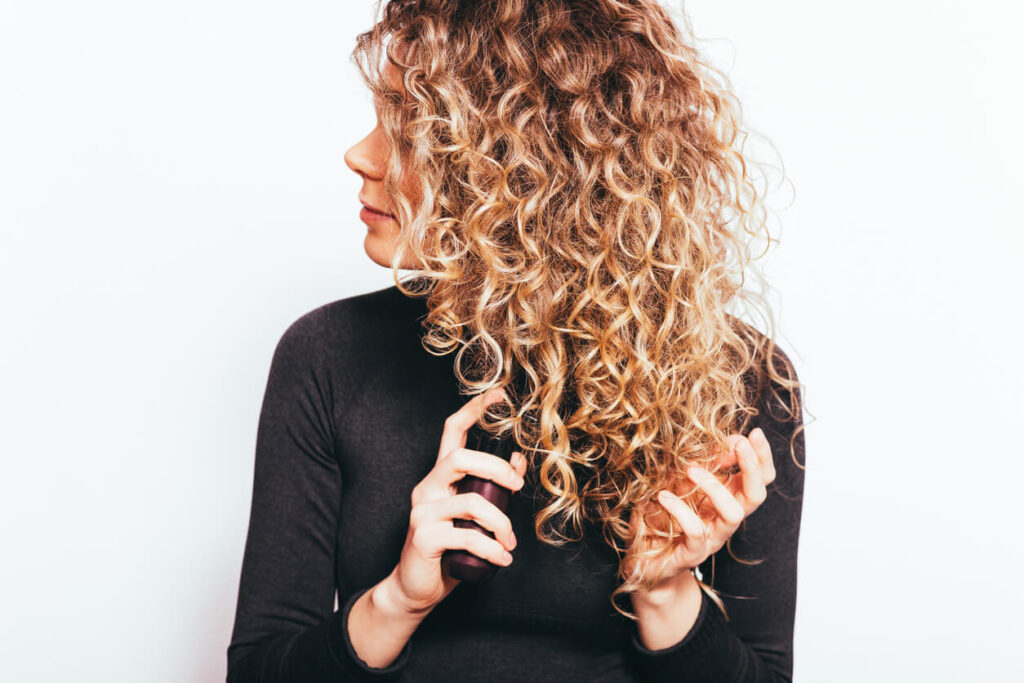
Signs: absorbs fast, dries fast, frizzes easily (often colored/heat damaged).
Best strategy: gentle cleansing plus consistent conditioning and weekly treatment.
Curly hair
Needs: clean scalp without stripping curl moisture; low buildup for definition.
Best strategy: gentle cleanser most washes; clarify when definition drops.
Common mistakes (and the fixes)
- Too much shampoo → use less, add water, focus on scalp.
- Not rinsing long enough → rinse extra at crown and nape.
- Skipping conditioner → condition lengths every wash (lightweight for fine hair).
- Clarifying too often—or never → tie clarifying to buildup signs.
Quick cheat sheet: pick your match
- Oily + fine: lightweight balancing + clarifier as needed
- Dry + coarse: gentle moisturizing cleanser
- Color-treated: gentle default + occasional clarifier
- Heavy stylers: gentle daily + weekly clarifier
- Low porosity: lighter cleanser + periodic clarifier
- High porosity/damaged: gentle cleanser + stronger conditioning support
- Curly: gentle + clarify when definition drops
- More on understanding hair types
A quick “2-minute quiz” to confirm your choice
Answer these and you’ll know which direction to go:
- Do roots look oily by tomorrow morning? If yes, you likely need a balancing cleanser and less root product layering.
- Does your scalp itch right after washing? If yes, you may be over-cleansing or not rinsing thoroughly.
- Do you rely on dry shampoo more than once between washes? If yes, plan a regular reset wash.
- Do ends feel rough or tangled after shampooing? If yes, your cleanser may be too strong for your hair history, or you’re missing enough conditioner slip.
- Do curls or waves look limp and undefined? That’s often residue—clarify gently and scale back heavy stylers.
How to use shampoo like a pro (results change fast)
- Double cleanse only when needed: first wash breaks up oil and buildup; second wash cleans. Use this on heavy styling days, not every wash.
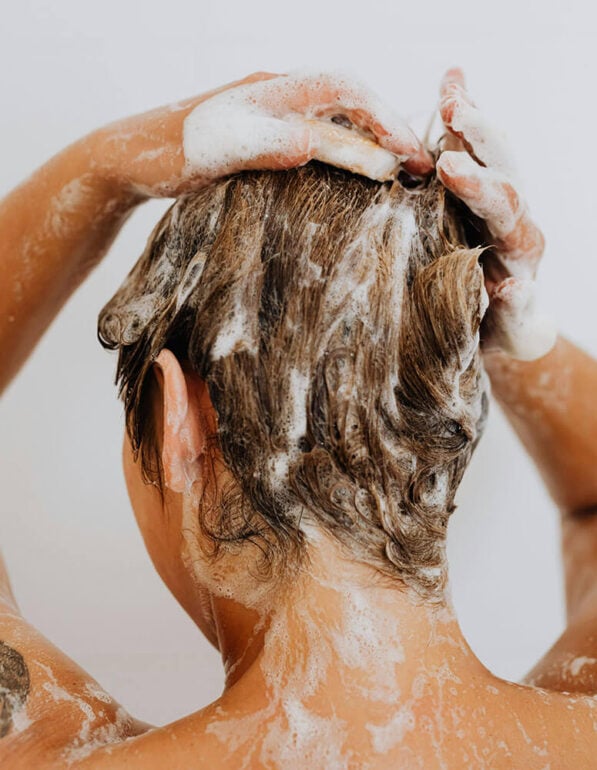
- Keep shampoo at the scalp: massage with fingertips, not nails. Let lather rinse down the lengths rather than scrubbing ends.
- Time matters: a 30–60 second scalp massage improves cleansing without needing harsher formulas.
- Rinse longer than you wash: especially around the hairline and behind the ears.
- Adjust with seasons: many people need slightly more cleansing in summer and slightly gentler cleansing in winter.

These techniques make almost any routine feel cleaner, lighter, and more consistent—without buying extra bottles.
When you choose the best shampoo for hair type based on scalp + buildup first, you get cleaner roots, softer lengths, and fewer “bad hair days.” Pair your best shampoo for hair type with the right conditioner and weekly treatment. This supports scalp health and growth and is the fastest upgrade. For more information read our ultimate guide to professional haircare.
AI-assisted, human-verified. At LaLaDaisy.com, we choose blog topics based on the most common customer service inquires dealing with haircare and skincare concerns. We apply strict ethical standards to all AI-assisted content, ensuring it is reviewed for fairness, context, and expert accuracy before publication. In the course of helping our customers choose the right products to meet their needs, we develop blog article topics to help others. Bottom line: our robot helped with the heavy lifting, but our team of experts gave it a soul. Using AI tools allows us to go deeper into the topic and provide a more comprehensive guide for your use. At LaLadaisy.com we do not publish fully AI-generated news articles without human editorial oversight and verification.