
Hyaluronic acid serum vs moisturizer is one of the most frequently asked format questions in skincare — and the answer is more nuanced than a simple product recommendation. Both formats deliver hyaluronic acid to the skin. Both can produce genuine hydration results. But they work at different concentrations, in different positions in the routine, and with different mechanisms of action. Choosing between them — or understanding how to use both — depends on what your skin needs and how your existing routine is structured.
This guide breaks down the functional differences between a hyaluronic acid serum and a hyaluronic acid-enriched moisturizer, explains when each is the right choice, and helps you determine whether your routine calls for one or both.
What Is a Hyaluronic Acid Serum?
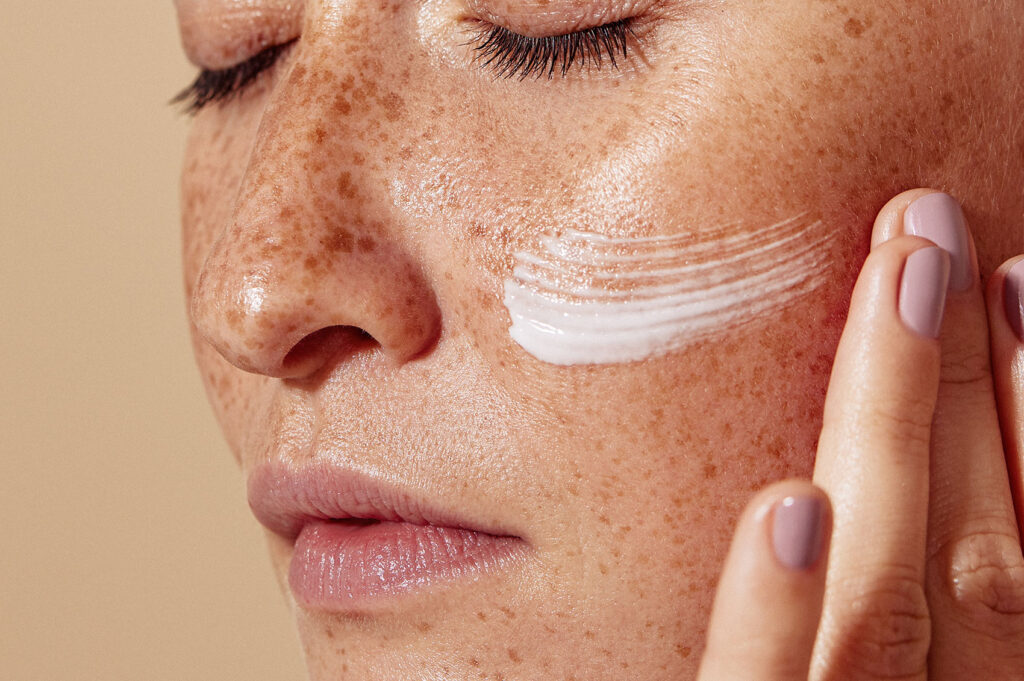
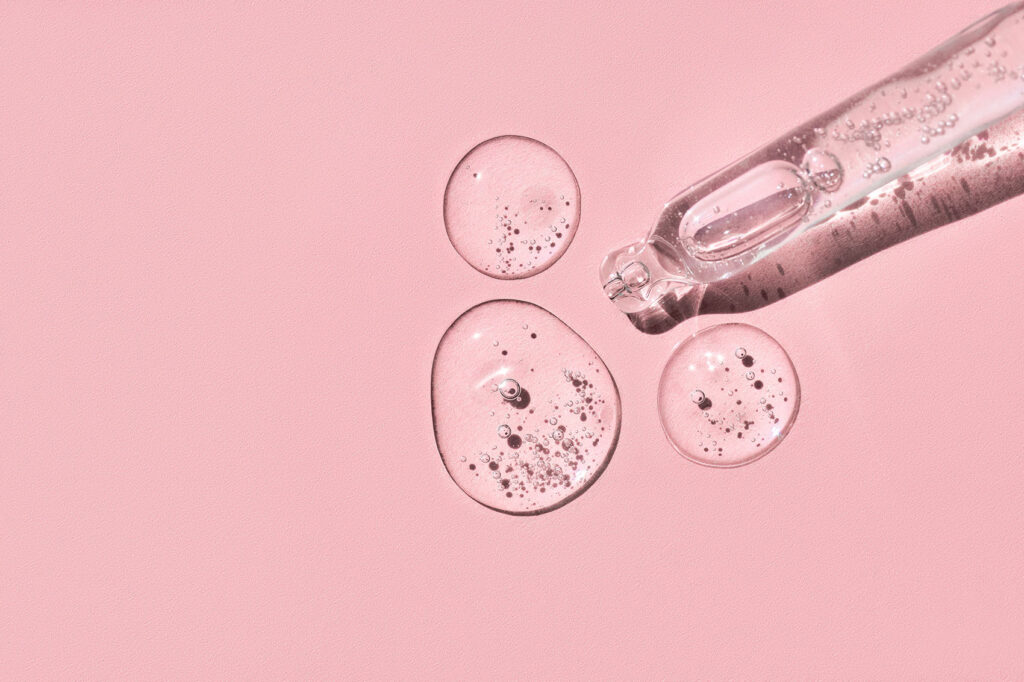
A hyaluronic acid serum is a concentrated, water-based treatment designed to deliver a high dose of active hyaluronic acid directly to the skin surface and, depending on molecular weight, into the upper layers of the epidermis. Hyaluronic acid serum vs moisturizer have a lower viscosity than moisturizers — they are typically thin, lightweight, and fast-absorbing — which allows them to contact skin directly without the diluting effect of emollient bases.
Serums typically contain hyaluronic acid (or sodium hyaluronate) at concentrations ranging from 0.1% to 2%, with some formulas combining multiple molecular weights for layered penetration. They are designed to be applied to damp skin as a treatment step before moisturizer — not as a moisturizer substitute. The serum’s job is to drive hydration into the skin; the moisturizer’s job is to seal it in.
Serums are also the preferred format for product optimization. Because the formula is water-based with fewer emollients, formulators can include more active ingredients at higher concentrations. A well-formulated hyaluronic acid serum might also include complementary actives — vitamin B5, glycerin, beta-glucan — that amplify the hydration effect without requiring a separate product.
What Is a Hyaluronic Acid Moisturizer?

A hyaluronic acid moisturizer is a cream, lotion, or gel that incorporates hyaluronic acid (or sodium hyaluronate) as a key active within an emollient and occlusive base. Unlike a serum, a moisturizer is not a pure delivery vehicle — it is a multi-function product that simultaneously hydrates, seals, and protects the skin barrier through its combination of humectant, emollient, and occlusive ingredients.
The hyaluronic acid in a moisturizer is typically present at lower concentrations than in a dedicated serum, because the formula must accommodate a range of other ingredients. However, this does not make a hyaluronic acid moisturizer less effective — it makes it a different tool. For routines where simplicity is a priority, or where only one hydration step is practical, a hyaluronic acid-enriched moisturizer combines the humectant and sealing functions into a single product.
Richer moisturizers with hyaluronic acid are particularly well-suited to dry, mature, or compromised skin types that need both hydration delivery and robust barrier sealing in one step. Lighter gel moisturizers with hyaluronic acid work well for oily or combination skin types that want simplified hydration without emollient heaviness.
Hyaluronic Acid Serum vs Moisturizer – A Direct Comparison
The following breakdown highlights the functional differences between the two formats to clarify which is most appropriate for different use cases:
Concentration
Serums win on concentration. Dedicated hyaluronic acid serums deliver a higher percentage of active in a vehicle optimized for skin contact and penetration. Moisturizers contain lower concentrations, balanced against their emollient and occlusive components.
Penetration and Delivery
Serums deliver hyaluronic acid more directly to the skin surface and, in multi-molecular weight formulas, to the epidermis below the stratum corneum. Moisturizers deliver hyaluronic acid as part of a broader barrier-supporting formula — effective, but less targeted.
Barrier Function

Moisturizers win on barrier function. The emollient and occlusive components of a moisturizer actively reduce transepidermal water loss (TEWL) and support the skin’s lipid barrier. A serum alone — even a richly formulated one — cannot replicate this sealing function.
Texture and Feel
Serums are lighter, faster-absorbing, and better suited to layering beneath other products. Moisturizers are typically heavier and provide a more finished skin feel. For oily skin, lightweight serum formats often feel more comfortable throughout the day.
Routine Position
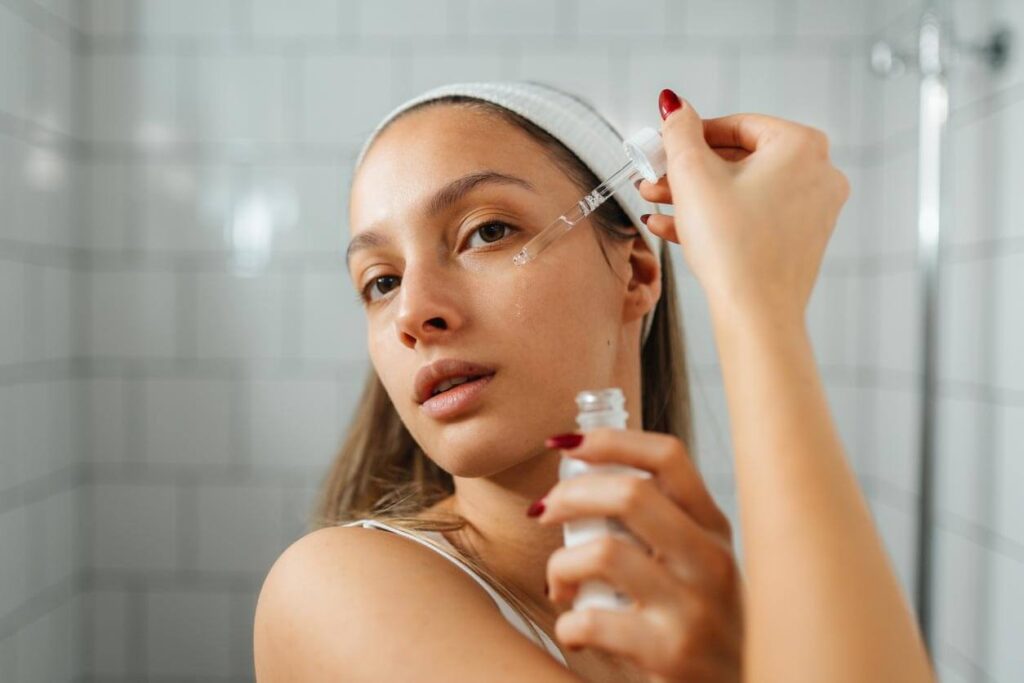
Serums go on first (after cleansing and toning), directly on damp skin. Moisturizers go on after serums. This sequence is not interchangeable — applying moisturizer before serum reduces the serum’s ability to interact with the skin surface.
When to Use a Serum, a Moisturizer, or Both
Use a Serum Only
A serum alone is appropriate when it is followed by a moisturizer that you already use and love, or when you are adding a targeted hydration treatment to a routine where you want maximum concentration at the treatment step. Do not use a serum without a follow-up moisturizer.
Use a Moisturizer Only

A hyaluronic acid moisturizer as a standalone step makes sense for someone maintaining a minimalist routine, or for skin types that do not require maximum hydration delivery. It is also the right choice when budget or time limits the routine to fewer steps. The moisturizer handles both hydration and sealing in one product.
Use Both (The Recommended Approach for Most Skin Types)
Using a hyaluronic acid serum beneath a moisturizer is the most effective approach for most skin types because it allows each product to perform its specific function at maximum capacity. The serum delivers concentrated hyaluronic acid to damp skin; the moisturizer seals the hydration in and supports the barrier. This is the standard protocol recommended by most dermatologists for routine-driven skincare.
Which Format Suits Your Skin Type Best
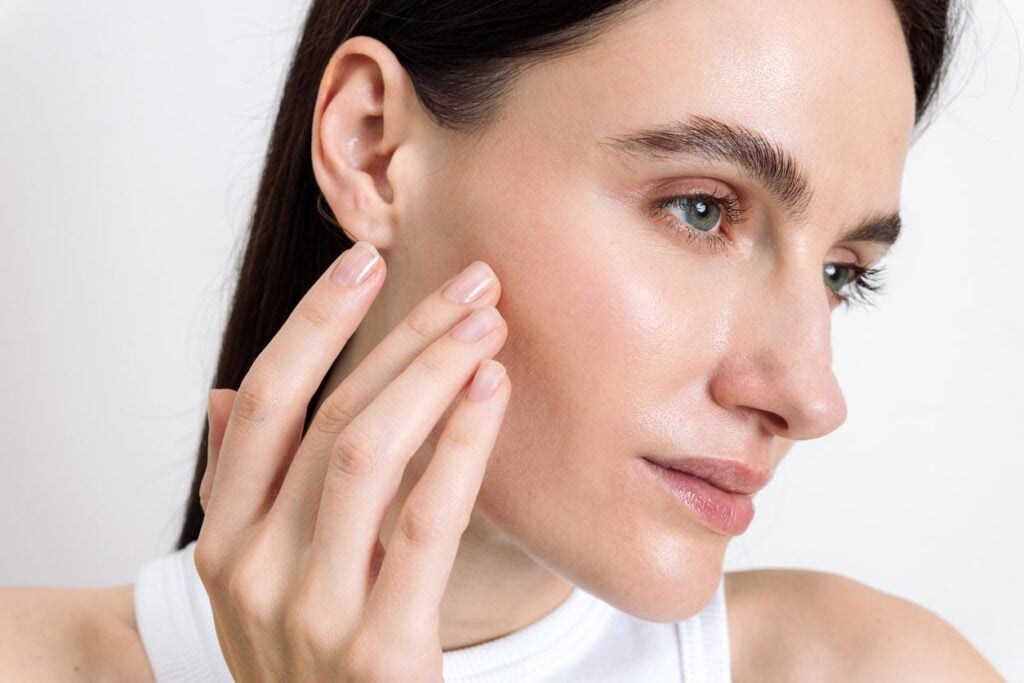
Choosing between a hyaluronic acid serum and a moisturizer is also influenced significantly by skin type. Which format suits your skin type best depends not just on hydration needs but on how much emollient and occlusive coverage the skin requires:
- Dry skin: Benefits most from a concentrated serum followed by a rich moisturizer. Both steps deliver maximum hydration and barrier support.
- Oily skin: A lightweight serum followed by a gel-cream or oil-free moisturizer strikes the right balance between hydration and a non-greasy finish.
- Combination skin: A mid-weight serum paired with a lighter moisturizer suits both T-zone and drier cheek areas without over-hydrating either zone.
- Sensitive skin: A minimal-formula serum (fragrance-free, short ingredient list) followed by a simple, calming moisturizer is the safest and most effective combination.
- Mature skin: A multi-molecular weight serum plus a rich anti-aging moisturizer with ceramides and peptides is the highest-performance combination for age-related hydration loss.
For a full picture of how skin type should drive your entire hyaluronic acid routine — from product selection to layering sequence — the complete guide to hyaluronic acid for skin covers every element in structured detail.
Frequently Asked Questions
Can I use a hyaluronic acid serum without a moisturizer?
You can, but results will be diminished — particularly in dry or air-conditioned environments. A serum applied without a moisturizer can draw moisture to the surface of skin that then evaporates rather than being retained. The moisturizer step is what converts the serum’s hydrating action into a sustained result.
Is a hyaluronic acid moisturizer enough on its own?
For many people, yes. A well-formulated hyaluronic acid moisturizer covers both the hydration delivery and the barrier sealing function in one step. If your skin is adequately hydrated with your current moisturizer alone, adding a separate serum is optional rather than necessary.
What is the difference between a hyaluronic acid serum and a hyaluronic acid essence?
An essence is a lighter, more watery format that sits between a toner and a serum in texture and concentration. A hyaluronic acid essence can be used before a serum to layer hydration — applied to damp skin immediately after toning — or used as a standalone treatment layer in a simplified routine. It delivers hyaluronic acid at a lower concentration than a dedicated serum.
Do I need different formats for morning and evening?
Not necessarily. Most people use the same hyaluronic acid serum morning and evening. You might choose a lighter moisturizer for day use (to layer comfortably under SPF) and a richer moisturizer or overnight mask at night, but the serum itself can stay consistent across both routines.
AI-assisted, human-verified. At LaLaDaisy.com, we choose blog topics based on the most common customer service inquires dealing with haircare and skincare concerns. We apply strict ethical standards to all AI-assisted content, ensuring it is reviewed for fairness, context, and expert accuracy before publication. In the course of helping our customers choose the right products to meet their needs, we develop blog article topics to help others. Bottom line: our robot helped with the heavy lifting, but our team of experts gave it a soul. Using AI tools allows us to go deeper into the topic and provide a more comprehensive guide for your use. At LaLadaisy.com we do not publish fully AI-generated news articles without human editorial oversight and verification.