-
 EltaMD UV Restore Broad Spectrum SPF 40 Tinted Face Sunscreen 1.7 oz
×
$33.321 × $33.32
EltaMD UV Restore Broad Spectrum SPF 40 Tinted Face Sunscreen 1.7 oz
×
$33.321 × $33.32 -
 Yon-Ka HYDRA NO. 1 MASQUE Deeply Hydrating Overnight Masque 1.8 oz
×
$60.511 × $60.51
Yon-Ka HYDRA NO. 1 MASQUE Deeply Hydrating Overnight Masque 1.8 oz
×
$60.511 × $60.51



Learn how to repair damaged hair fast. You already know your hair is damaged. You can feel it — the roughness, the snap when you pull a strand taut, the frizz that sets in within an hour of styling. What you want to know is how to fix it and as quickly as possible. This guide gives you a direct, no-detour answer.
You want to know how to repair damaged hair fast. But the honest truth is that “fast” is relative when it comes to hair repair — because true structural recovery takes weeks, not days. But the timeline is dramatically shorter when you do the right things in the right order rather than randomly cycling through products. A focused, strategic recovery plan can produce visible results in as little as 2 weeks and meaningful structural improvements within 4 to 6 weeks. That is genuinely fast, considering most people with chronically damaged hair have been maintaining a status quo of slow, ongoing deterioration for months or years.
Here is the step-by-step plan on how to repair damaged hair fast that works.
Step 1: Assess Your Damage Level Before Doing Anything Else

Before considering how to repair damaged hair fast, you need to understand that not all damaged hair is in the same state, and that the most aggressive treatment protocol is not always the most effective. Before purchasing products and starting treatments, assess where your hair falls on the damage spectrum:
Level 1 — Surface Damage: Hair feels dry, frizzy, and rough but still has reasonable elasticity. When you stretch a wet strand, it stretches slightly before returning to shape. Cuticle damage is present but moderate.
Level 2 — Structural Compromise: Hair snaps with minimal tension when wet. Elasticity is significantly reduced. This indicates cortical damage with broken bonds—requiring bond-building treatments.
Level 3 — Severe Damage: Hair has visible splitting, crumbling at the ends, and extreme brittleness throughout the length. This level may require a combination of strategic trimming, intensive bond-building, and a complete overhaul of the routine. In some cases — particularly after extreme bleaching — some lengths cannot be fully recovered; they can only be maintained until new growth comes in.
Knowing your level shapes which products you prioritize and how aggressively you use them. This is key in learning how to repair damaged hair fast.
Step 2: Stop All Habits That Are Actively Causing More Damage
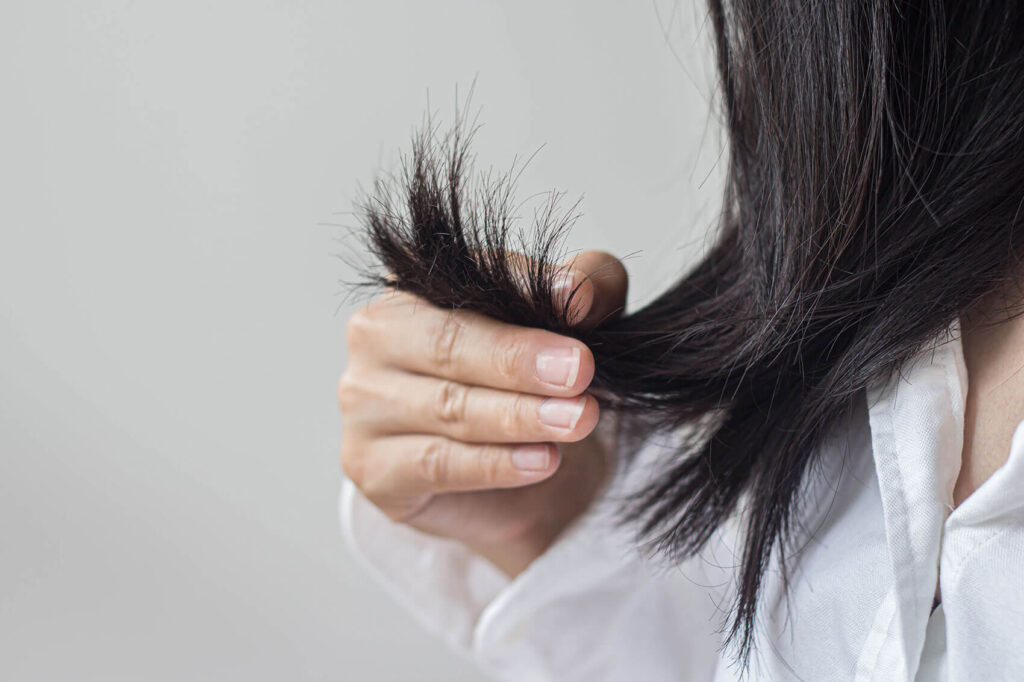
When considering how to repair damaged hair fast, understand that recovery cannot begin while the damage persists. This is the step most people skip because it requires behavioral change, not just a product purchase. Identify and pause any of the following:
Heat styling at high temperatures. If you flat-iron or curl daily at 430°F (220°C), the ongoing thermal damage will outpace any repair treatment you apply. Lower your temperature to 300–350°F maximum, use a heat protectant at every session, and if possible, go heat-free for at least two to four weeks during the acute recovery phase.
Chemical services. If your hair is severely damaged, pause all coloring, bleaching, relaxing, or perming until the structural integrity has improved. This is especially critical for bleach-damaged hair, where the cortex is most vulnerable.
Tight hairstyles. Repeated tension on already-compromised hair causes traction breakage at the hairline and along the length. Switch to loose styles — braids, buns, and ponytails should be gentle and low.
Rough towel-drying. The friction of a regular cotton towel against wet, damaged hair abrades the lifted cuticle. Use a microfiber towel or a soft T-shirt, pressing rather than rubbing to absorb moisture.
Step 3: Start Bond-Building Immediately

For Level 2 or Level 3 damage, a bond-building treatment is the most important product investment of the recovery phase. Bond-builders reconnect broken disulfide bonds inside the cortex — the ones broken by bleach, heat, and chemical services — which is something no conditioner or mask can do.
The Olaplex In Good Repair Kit is an ideal starting point for a structured recovery, because it includes multiple steps in the Olaplex system designed to work together: a bond-builder applied before and after chemical services, a pre-shampoo treatment for home use, and a bond-building conditioner. Using these in sequence, consistently, over several weeks, produces measurable improvements in tensile strength and elasticity.
The Olaplex 4-in-1 Moisture Mask is an excellent standalone option for those who want the bond-building technology combined with deep moisture in a single step — reducing the number of products needed in the early recovery phase.
For bond-building to work, consistency is essential. A single application will soften hair and provide some immediate improvement, but the structural change accumulates over multiple sessions. Commit to a bond-builder at least once per week for the first six weeks of recovery.
Step 4: Switch Your Shampoo Immediately

Your shampoo is either supporting your recovery or working against it. For damaged hair, any shampoo with harsh sulfates is removing the natural lipids that protect the cuticle and causing it to swell and lift with every wash — undoing a portion of the work your treatments are doing.
Switch to a shampoo specifically formulated for damaged, dry, or chemically treated hair:
The K18 Damage Shield pH Protective Shampoo is a top-tier choice for recovery because it actively maintains the hair’s acidic pH during washing, which keeps the cuticle from lifting aggressively. This means each wash session causes less net damage than a standard shampoo — which, over weeks of washing, creates a meaningful difference.
The Davines Nounou Nourishing Shampoo is an excellent alternative or rotation option, using an ultra-gentle surfactant system with conditioning and moisture-retaining properties. It is ideal for very dry, brittle hair that needs gentle cleansing without any stripping.
During the recovery phase, reduce wash frequency to two to three times per week if your lifestyle allows. Every extra day between washes is a day your hair is not subject to the mechanical stress of washing.
Step 5: Layer Your Conditioning Protocol
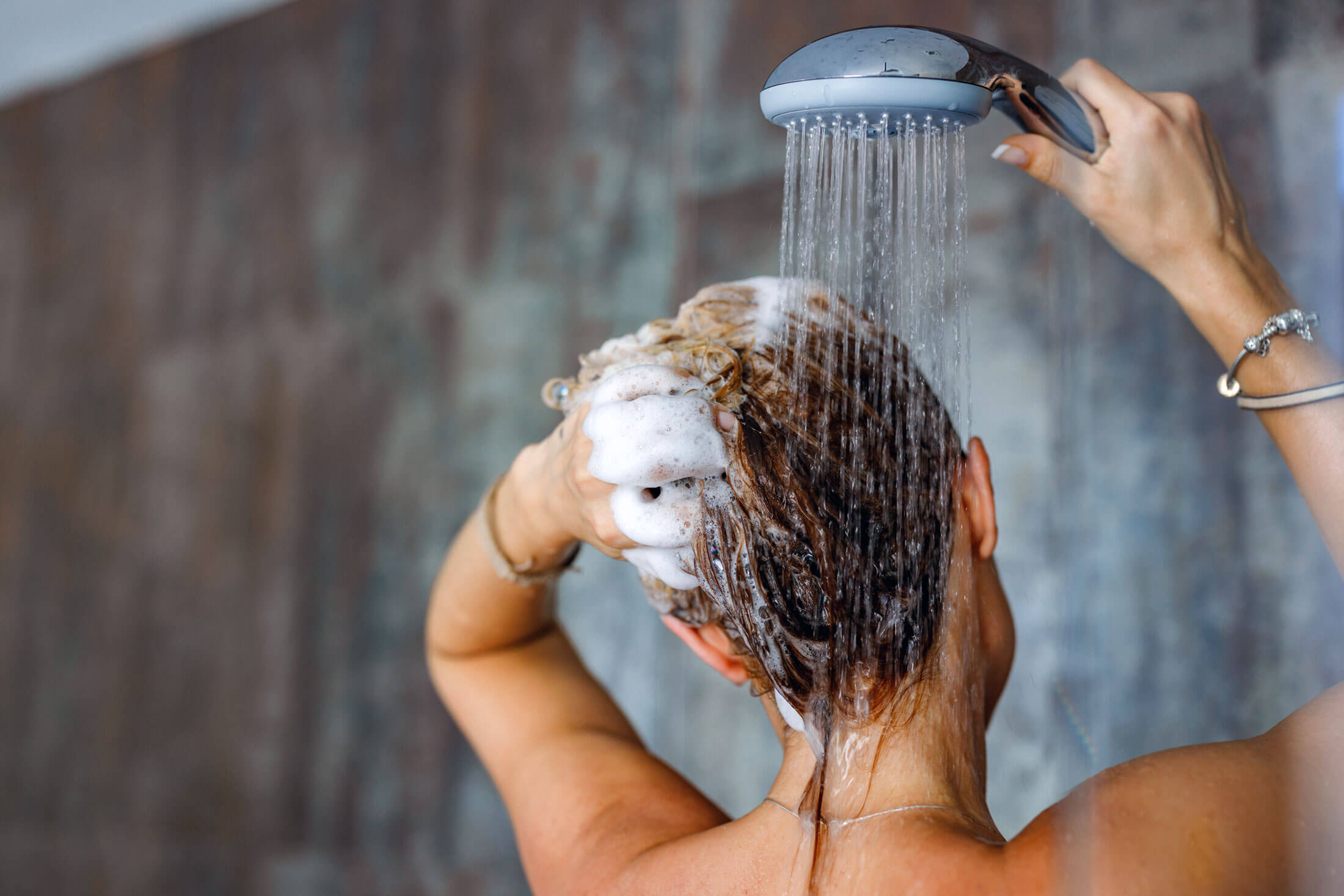
In the recovery phase, a single conditioner applied for two minutes is not enough. The goal is to stack conditioning benefit in layers:
Layer 1 — Rinse-Out Conditioner: Applied immediately after every shampoo, focused on mid-lengths and ends. Detangle while the conditioner is in place — this is critical for minimizing mechanical damage during the most vulnerable moment of the wash cycle. The Moroccanoil Moisture Repair Conditioner is an excellent choice for its immediate detangling effect and argan oil richness.
Layer 2 — Deep Treatment (once or twice weekly): Applied after the rinse-out conditioner is removed, or in place of it on deep-treatment wash days. Alternate between a bond-building treatment and a nourishing mask. The Amika Soulfood Nourishing Mask is a go-to for the nourishing cycle — it delivers a flood of fatty acids and moisture without the stiffness some protein-forward masks can cause.
Layer 3 — Leave-In Treatment: Applied to damp hair after washing, every wash session. A leave-in creates a protective barrier between the hair and the environment, extends moisture retention, and provides the light slip needed for final combing.
This three-layer protocol may feel like a lot in the first week, but it quickly becomes second nature — and the results make the routine feel entirely worth the effort.
Step 6: Protect New Growth From the Start

Damaged lengths cannot fully recover — but new growth can be kept healthy from the moment it emerges from the follicle. The goal of any repair plan is not just to manage existing damage but to ensure that the healthy hair replacing it never reaches the same state.
This means:
- Consistent heat protection at every styling session, forever, not just during the “recovery phase”
- Monthly or bi-monthly trims to remove the most damaged ends progressively (rather than one dramatic cut)
- A permanent shampoo-and-conditioner upgrade that does not require going back to harsh formulas once the crisis passes
- Sleeping on a silk or satin pillowcase every night to reduce nightly friction on new growth as it grows in
Understanding the best ingredients for damaged hair makes it easier to maintain a product lineup that protects new growth while continuing to improve the condition of transitional lengths.
Step 7: Track Progress Weekly
When trying to understand how to repair damaged hair fast, it’s important to know that hair recovery from damage can feel invisible in the short term — because the changes occur at the molecular level before they become visible. Tracking a few simple metrics weekly helps maintain motivation and helps you assess whether your current protocol is working:

Wet elasticity: Pull a single wet strand between two fingers gently. Healthy hair stretches 20–30% before snapping. Damaged hair snaps with very little stretch. Track whether this improves over four to six weeks.
Dry texture: Run your fingers down a dry section of hair. Is it getting smoother, or does it still feel rough and porous?
Breakage: Check your brush and shower drain. Excessive breakage should reduce significantly within three to four weeks of a consistent bond-building routine.
Frizz response: Damaged hair is chronically frizzy because the open cuticle absorbs humidity erratically. As the cuticle smooths, frizz should reduce.
Building a Full Recovery Into Your Life: The 6-Week Framework

Weeks 1–2: Stop all damaging habits. Switch shampoo. Begin bond-building once per week. Use rinse-out conditioner at every wash. Add a leave-in.
Weeks 3–4: Continue bond-building. Add nourishing mask on alternate wash days. Monitor wet elasticity. Reduce heat styling to minimum.
Weeks 5–6: Assess improvements. If elasticity is returning and breakage is reducing, maintain current protocol. If progress is slower than expected, increase deep treatment frequency or add a scalp treatment to improve the health of new growth.
After Week 6, transition from an acute recovery routine to the full, sustainable haircare routine for dry damaged hair — the long-term protocol designed to maintain and build on your progress.
What to Do When Recovery Feels Slow

Sometimes, even a solid recovery plan moves slower than expected. A few diagnostic checks:
Are you consistent? Skipping treatments, reverting to an old shampoo, or continuing heat damage will extend the timeline dramatically.
Are you protein-overloading? If your recovery plan is entirely protein and bond-builder heavy with no moisture-focused counterbalance, the hair may feel worse rather than better. Add a moisture-focused mask (like Amika Soulfood) to balance.
Are your expectations calibrated? Hair grows approximately half an inch per month. The damaged portion of your hair that is currently on your head is months or years old — and it cannot be made new again. What the routine does is improve its condition, not replace its molecular history. Real replacement takes time and a scissor.
For a deeper understanding of which products and ingredients are driving (or slowing) your recovery, the guide on the best ingredients for damaged hair explains exactly what each active does and how to assess your current lineup.
If your recovery is well underway and you are beginning to invest in deep treatments, understanding how to use a hair mask correctly will help ensure you are getting maximum benefit from every conditioning session.
FAQ: How to Repair Damaged Hair Fast
Q: How long does it realistically take to repair damaged hair? A: For mild to moderate damage, a consistent routine produces visible improvement in two to four weeks. For severe chemical or heat damage, meaningful structural improvement takes six to twelve weeks — with some very bleached hair requiring months of consistent treatment before elasticity meaningfully returns.
Q: Should I trim my hair before starting a repair routine? A: A light trim (removing the most split, fragile ends) at the beginning of a recovery plan is genuinely helpful — those ends will continue to split upward along the shaft if left in place, causing progressive breakage. A trim does not need to be dramatic: one to two inches removes the worst damage while retaining most of your length.
Q: Can I use a bond-builder and a nourishing mask together? A: Using them in the same session is not recommended — hair can only absorb so much in one wash. Alternating — bond-builder one wash, nourishing mask the next — is the most effective approach for comprehensive recovery.
Q: Is my diet affecting my hair’s ability to recover? A: Yes. Hair is protein-based and requires adequate intake of protein, biotin, iron, and omega fatty acids to grow strong and recover efficiently. Nutritional deficiencies can slow the recovery of existing lengths and compromise the quality of new growth emerging from the follicle.
Q: What is the single most impactful change I can make right away? A: Switch to a bond-building treatment and stop high-heat styling simultaneously. Bond-builders rebuild structural integrity from the inside; eliminating additional heat damage stops the cycle that is competing with every repair product you apply. For more information on how to repair damaged hair fast, watch this video from WebMD.
AI-assisted, human-verified. At LaLaDaisy.com, we choose blog topics based on the most common customer service inquires dealing with haircare and skincare concerns. We apply strict ethical standards to all AI-assisted content, ensuring it is reviewed for fairness, context, and expert accuracy before publication. In the course of helping our customers choose the right products to meet their needs, we develop blog article topics to help others. Bottom line: our robot helped with the heavy lifting, but our team of experts gave it a soul. Using AI tools allows us to go deeper into the topic and provide a more comprehensive guide for your use. At LaLadaisy.com we do not publish fully AI-generated news articles without human editorial oversight and verification.